
Stress is an unavoidable part of modern life. While short bursts of stress can motivate us, chronic, unchecked stress can severely impact our physical health, mental clarity, and overall happiness.
The good news is that managing stress isn’t about moving mountains—it’s about implementing small, consistent habits that build resilience over time. Here are five practical, science-backed strategies you can start using today to rebalance your mind and body.
Practice the 4-7-8 Breathing Technique
When stress hits, the body instinctively enters a “fight or flight” mode, increasing heart rate and quickening breath. The quickest way to signal to your nervous system that you are safe is through conscious breathing.
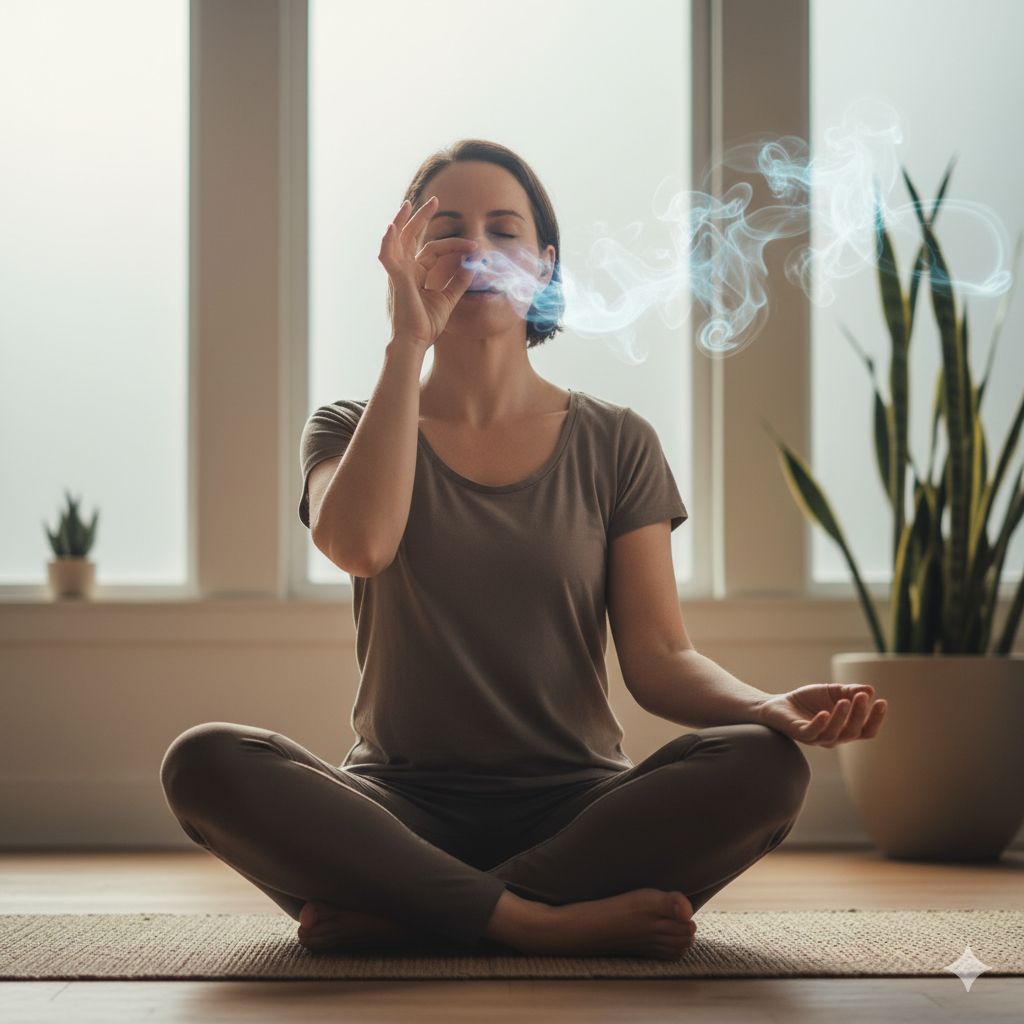
The 4-7-8 technique, popularized by Dr. Andrew Weil, is a simple, portable antidote to anxiety:
Step Action Duration
1 Exhale completely through the mouth, making a whoosh sound. N/A
2 Close your mouth and inhale quietly through the nose. Count of 4
3 Hold your breath. Count of 7
4 Exhale completely through the mouth, making a whoosh sound. Count of 8
- Try it: Repeat this cycle four times, twice a day. This simple ritual helps lower heart rate and promotes a feeling of deep relaxation.
- Implement the “Two-Minute Rule”
Often, the sheer volume of tasks on our to-do list is what triggers anxiety. We procrastinate, and the mental load increases. The “Two-Minute Rule” is a powerful trick for beating procrastination and easing that feeling of being overwhelmed.
If a task takes less than two minutes to complete, do it immediately.
This rule applies to tasks like:
- Responding to a quick email.
- Washing that one dish in the sink.
- Taking out the trash.
- Scheduling an appointment.
By immediately eliminating these small tasks, you prevent them from becoming mental clutter, which frees up cognitive space and significantly reduces background stress.
- Prioritize “Movement Snacks” Over Big Workouts
While a 60-minute workout is great, finding 15 minutes, three or four times a day, to move your body is often more effective for acute stress relief. These “movement snacks” release feel-good neurotransmitters (endorphins) and help break up long periods of sitting.
- During a work break: Do 5 minutes of stretching or walking up and down the stairs.
- After a stressful meeting: Put on a favorite song and dance for 3 minutes.
- While waiting for the kettle: Do 10 squats or some light shoulder rolls.
These short bursts of activity are not about building muscle; they are about disrupting the stress cycle and releasing physical tension.
- Schedule “Worry Time”
If you find that racing thoughts and worries hijack your evening or interrupt your sleep, try giving your anxiety a scheduled appointment. This is a technique used in Cognitive Behavioral Therapy (CBT).
How to do it:
- Choose a specific, 15-minute window early in the day (e.g., 5:00 PM – 5:15 PM).
- When a worry pops up outside that time, briefly acknowledge it (“That’s a valid worry”), but consciously tell yourself, “I will give this my full attention during Worry Time.”
- During your scheduled time, sit down and write out all your concerns. Don’t analyze or solve them—just dump them onto the page.
By containing your worries to a specific window, you regain control over your thoughts and allow the rest of your day to be worry-free.
- Implement a Digital Sunset 🌅
Our phones and screens are a constant source of low-level stress, keeping our minds alert and active. Implementing a “Digital Sunset” is a necessary step for achieving restorative sleep, which is critical for stress recovery.
- The Rule: Shut down all non-essential screens (phone, laptop, TV) at least 60 minutes before bedtime.
- Replace it with: Reading a physical book, gentle stretching, listening to calming music, or journaling.
This break from blue light and digital input allows your body’s natural sleep hormone, melatonin, to rise, leading to deeper, less stressful rest.
The Takeaway: Stress management is not about eliminating all pressure; it’s about building a robust set of tools to handle pressure when it arises. Start with just one of these habits today, and notice the change in your daily outlook.
Would you like me to find some helpful books or YouTube videos on stress management you could recommend in your article?