Makeup has been an integral part of human expression for thousands of years, evolving from primitive pigments to sophisticated cosmetic formulations. This transformative art form has shaped cultural identities, empowered self-expression, and created entire industries. Whether you’re a makeup novice or enthusiast, understanding its rich history, cultural significance, and practical applications can enhance your appreciation and skill with these versatile tools of beauty and self-expression.
The Rich History of Makeup Through Civilizations
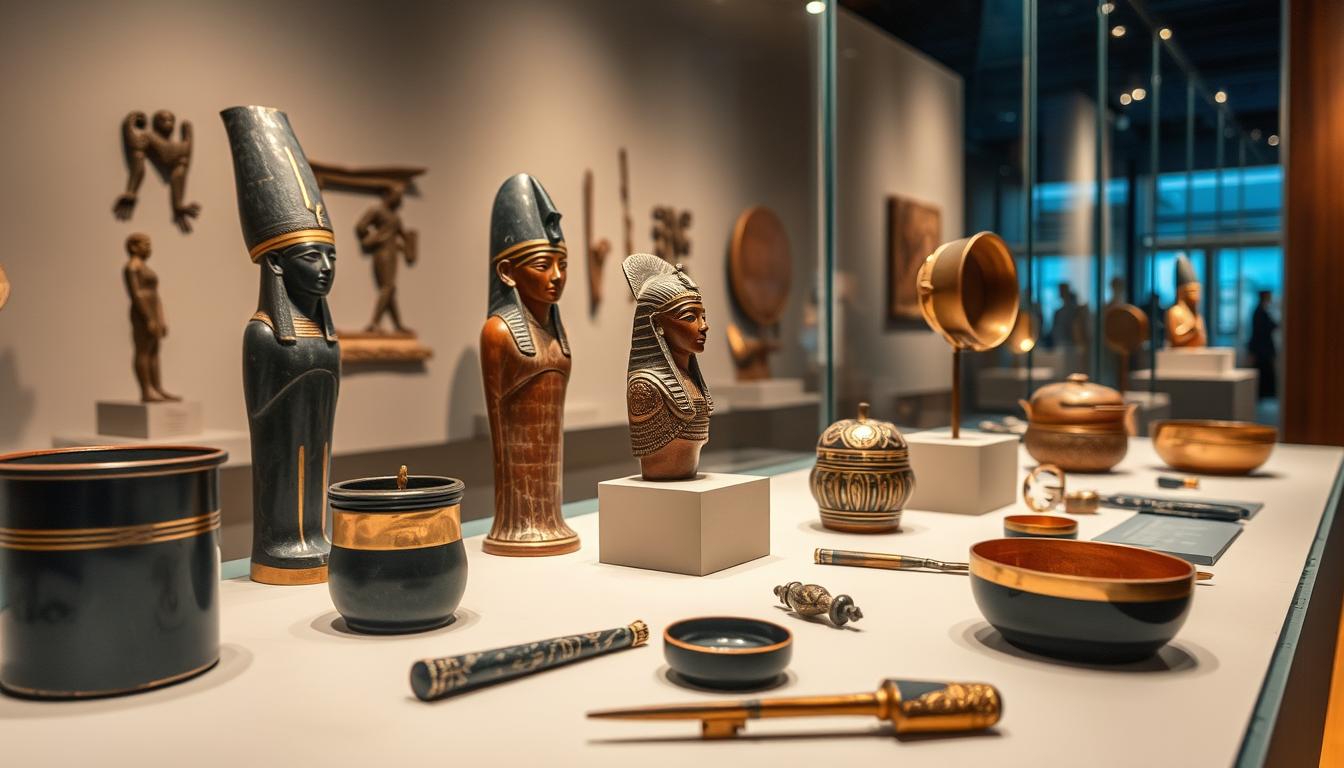
Ancient Egyptian cosmetic artifacts, including kohl containers and application tools
The story of makeup begins in ancient civilizations, where cosmetics served both practical and ceremonial purposes. Ancient Egyptians pioneered the use of kohl around the eyes – not just for beauty, but to protect against the harsh desert sun and ward off evil spirits. Both men and women adorned themselves with mineral-based pigments, with green malachite for eyeshadow and red ochre for lips and cheeks.
In ancient Rome, pale skin signified wealth and privilege, leading to the use of chalk and white lead (despite its toxicity). Roman women also used rouge, defined their eyebrows, and applied perfumed oils. Meanwhile, in ancient China and Japan, rice powder created the coveted white complexion, while safflower and crushed mulberries provided color for lips and cheeks.
The Middle Ages saw a decline in makeup use as the Church associated it with immorality. However, the Renaissance revived cosmetic arts, with aristocrats using ceruse (white lead) for pale complexions. By the 18th century, elaborate makeup became a status symbol among European nobility, with beauty patches (mouches) becoming fashionable accessories.
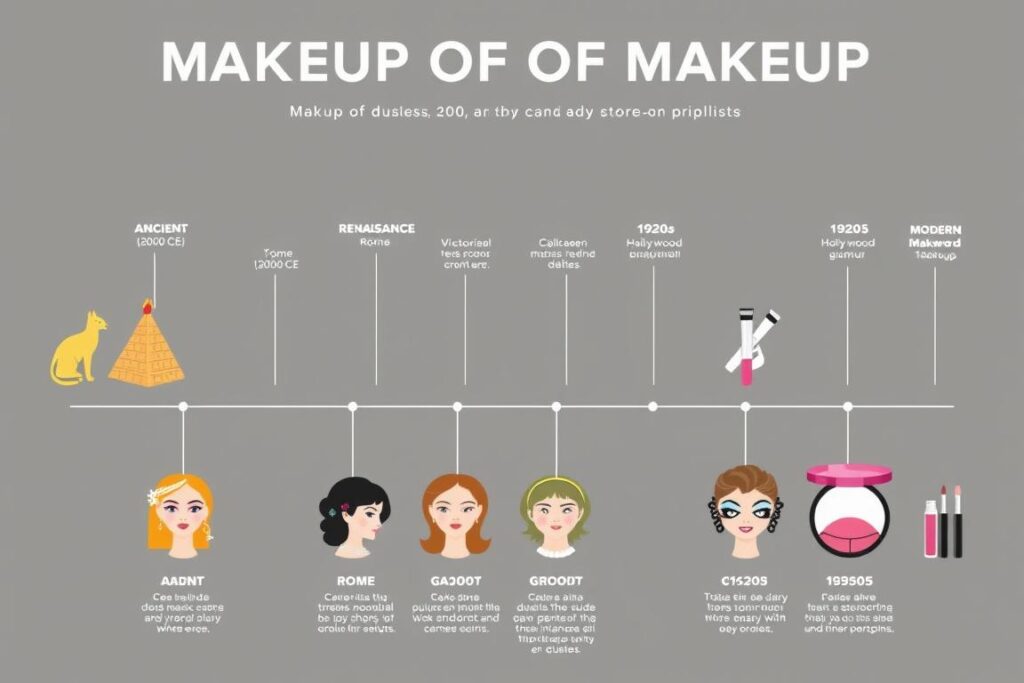
The Victorian era brought a shift toward “natural beauty,” with obvious makeup considered vulgar. This changed dramatically in the early 20th century when the film industry popularized bold makeup looks. The 1920s flapper era embraced dark eyes and red lips, while the post-WWII period saw the rise of makeup giants like Max Factor, Revlon, and Estée Lauder, who transformed cosmetics into a mainstream consumer industry.
Discover Vintage-Inspired Makeup
Explore collections that celebrate the iconic looks from different eras, from 1920s flapper glamour to 1950s Hollywood elegance.
Makeup’s Cultural Significance and Self-Expression
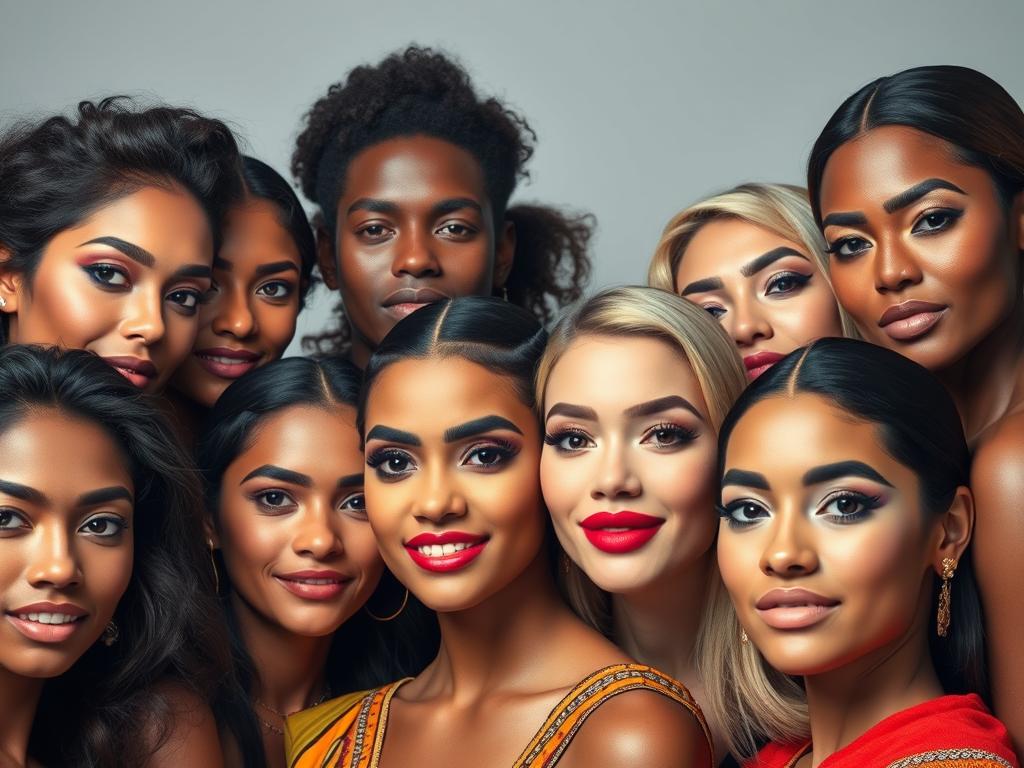
Across cultures and throughout history, makeup has served as a powerful form of self-expression and identity. In many indigenous cultures, face and body painting communicate social status, tribal affiliation, and spiritual connection. Traditional makeup practices like henna in South Asian cultures or kabuki in Japanese theater carry deep cultural significance passed through generations.
In modern society, makeup continues to play complex social roles. In professional settings, subtle makeup often signals competence and attention to detail. For many, it serves as armor – boosting confidence before important meetings or events. The transformative power of makeup allows individuals to present different facets of themselves to the world.
Cultural Rituals
Makeup plays a central role in cultural ceremonies and rites of passage worldwide. Wedding traditions often feature elaborate makeup rituals, from the intricate mehndi designs for South Asian brides to the white face paint of traditional Japanese brides. These practices connect modern celebrations to ancient traditions and cultural heritage.
Self-Expression
The contemporary makeup landscape celebrates individual expression. From subtle enhancement to bold artistic statements, makeup has become a form of personal creativity. Social media platforms have democratized makeup artistry, allowing anyone to share techniques and showcase their unique aesthetic, challenging traditional beauty standards.
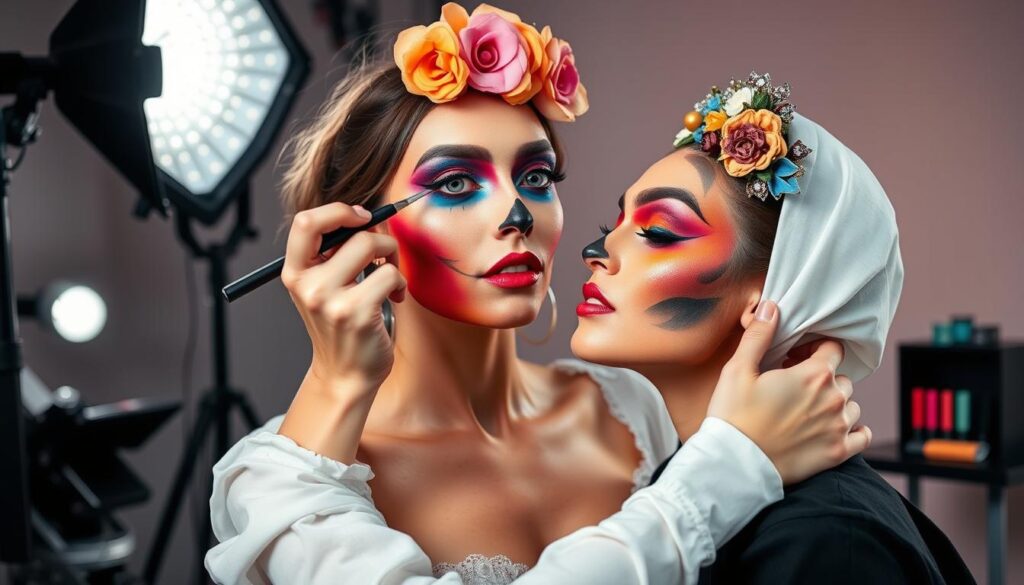
The beauty industry has begun embracing diversity, with expanded shade ranges and products designed for various skin tones and types. Makeup has also become a powerful tool in gender expression, with many brands adopting gender-inclusive marketing and celebrities challenging traditional gender norms through their makeup choices.
Explore Cultural Makeup Techniques
Learn how different cultures around the world use makeup for celebrations, rituals, and everyday expression.
Current Makeup Trends and Techniques for 2024
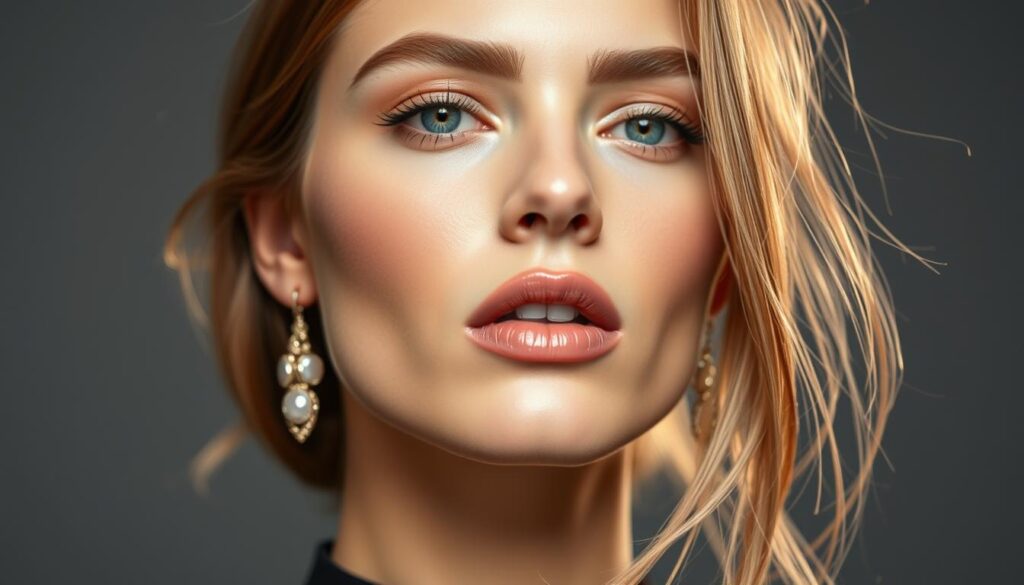
The makeup landscape of 2024 embraces both innovation and nostalgia. “Skinimalism” continues to dominate, with lightweight, skin-like foundations and tinted moisturizers replacing full-coverage products. The focus has shifted to creating a healthy, radiant complexion rather than masking imperfections – a trend accelerated by the pandemic’s emphasis on skincare.
Glowing Complexion
Dewy, luminous skin dominates 2024 trends, with hydrating primers, liquid illuminators, and cream products creating a natural radiance. The “glass skin” aesthetic has evolved into a more attainable “healthy glow” approach.
Bold Minimalism
This year’s trends embrace strategic color placement – a single pop of color on the eyes or a bold lip paired with otherwise minimal makeup. This approach celebrates individual features while maintaining an effortless appearance.
Y2K Revival
Early 2000s nostalgia continues with frosted eyeshadows, glossy lips, and playful applications. However, these looks have been modernized with better formulations and more sophisticated application techniques.
Technology has transformed makeup application, with AI-powered shade matching and virtual try-on tools becoming increasingly sophisticated. Sustainable packaging and clean formulations have moved from niche to mainstream, with consumers demanding transparency about ingredients and environmental impact.
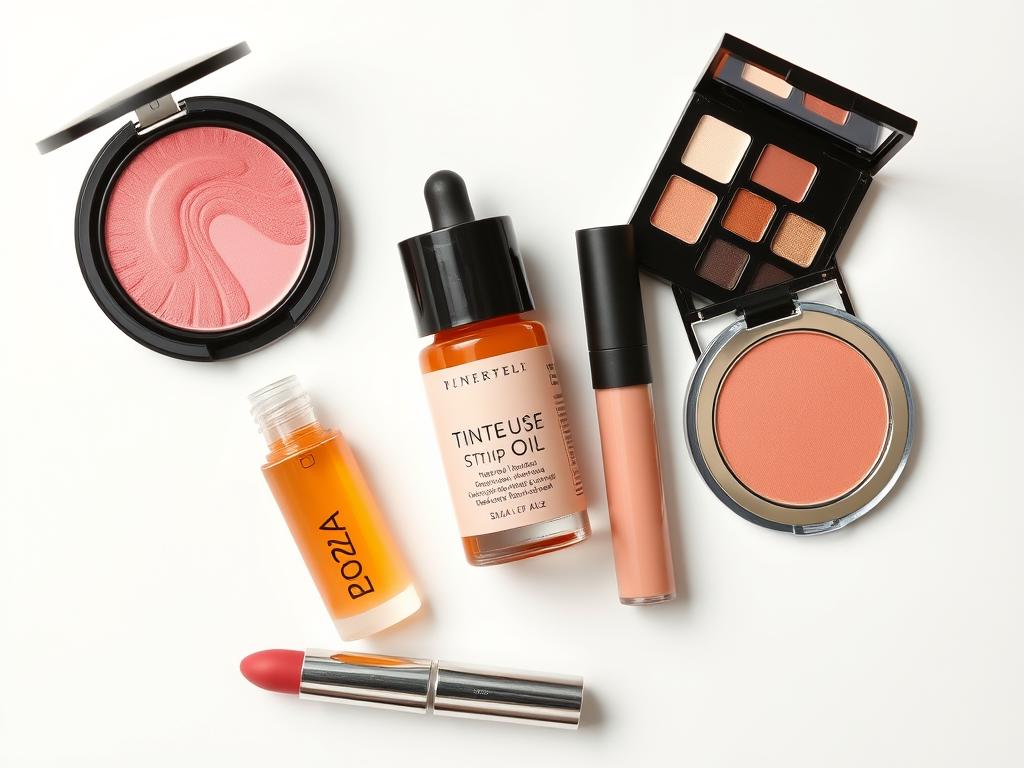
Multi-use products continue gaining popularity, with lip-and-cheek tints and versatile color sticks streamlining routines. Makeup-skincare hybrids infused with beneficial ingredients like hyaluronic acid, niacinamide, and SPF allow consumers to nourish their skin while enhancing their appearance.
Stay Current with Makeup Trends
Discover the latest techniques, products, and looks that are defining makeup in 2024.
Choosing the Right Makeup for Your Skin Type and Occasion
Understanding Your Skin Type
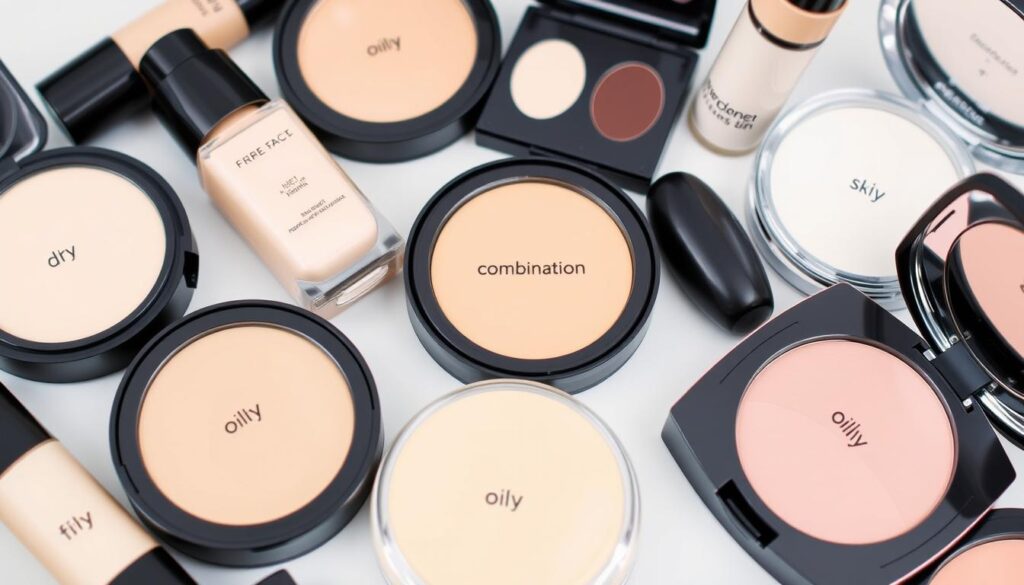
Selecting makeup that works harmoniously with your skin type is essential for a flawless, comfortable finish. Different formulations address specific skin concerns and characteristics:
| Skin Type | Characteristics | Recommended Formulations | Products to Avoid |
| Dry | Flaky patches, tightness, fine lines | Hydrating foundations, cream blushes, moisturizing lipsticks | Matte finishes, powder formulations, alcohol-heavy products |
| Oily | Shine, enlarged pores, prone to breakouts | Oil-free foundations, mattifying primers, powder blushes | Dewy finishes, oil-based products, heavy creams |
| Combination | Oily T-zone, dry cheeks | Buildable coverage, satin finishes, strategic powder placement | Extremely matte or extremely dewy products |
| Sensitive | Redness, irritation, reactivity | Mineral makeup, fragrance-free products, hypoallergenic formulas | Heavily fragranced products, known irritants like alcohol |
| Mature | Fine lines, loss of elasticity | Hydrating, light-reflecting foundations, cream products | Heavy powders, matte finishes that settle into lines |
Occasion-Appropriate Makeup
Different settings call for different makeup approaches. Adapting your look to the occasion ensures you appear appropriate while feeling confident:
Everyday/Office
- Lightweight foundation or tinted moisturizer
- Neutral eyeshadows in matte or subtle shimmer
- Defined brows and mascara
- Natural-looking blush
- Nude or subtle lip colors
Special Events
- Long-wearing foundation with primer
- Strategic highlighting and contouring
- More dramatic eye makeup with deeper colors
- False lashes or volumizing mascara
- Bolder lip colors or glossy finish
Casual Outings
- Tinted moisturizer or spot concealing
- Cream blush for a natural flush
- Simple eye definition with mascara
- Tinted lip balm or gloss
- Minimal powder, embracing natural texture
Photography/Media
- Full-coverage, photo-friendly foundation
- Slightly more defined contour and highlight
- Matte finishes to prevent shine
- Slightly more intense colors than appears in person
- Setting spray to ensure longevity
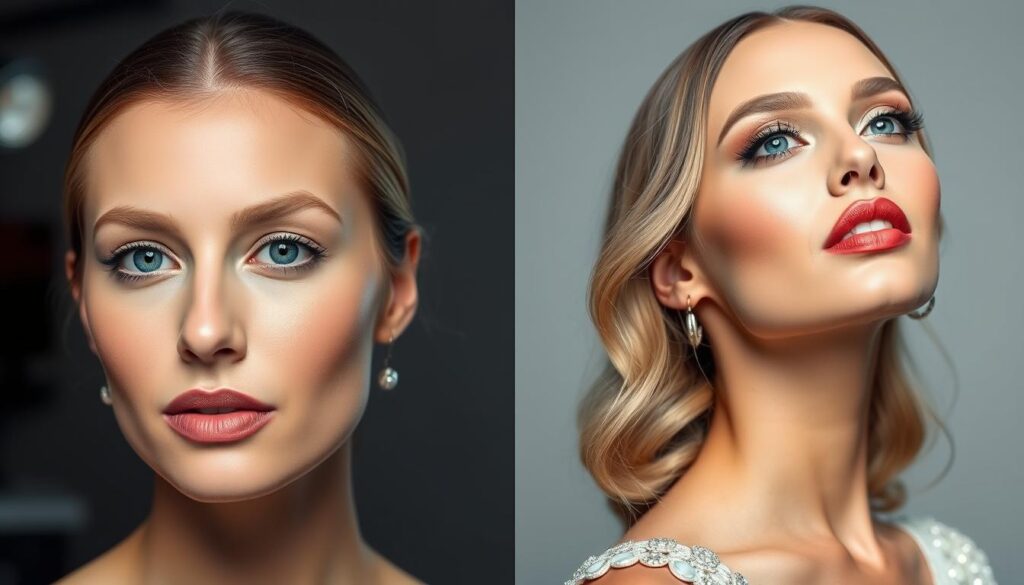
When selecting makeup for different occasions, consider factors like lighting (natural vs. artificial), duration of wear, and the formality of the event. For long days or special events, primers, setting powders, and setting sprays become essential for maintaining your look throughout the day or evening.
Find Your Perfect Makeup Match
Take a personalized quiz to discover the ideal products for your skin type, concerns, and lifestyle.
Ethical Considerations in Makeup
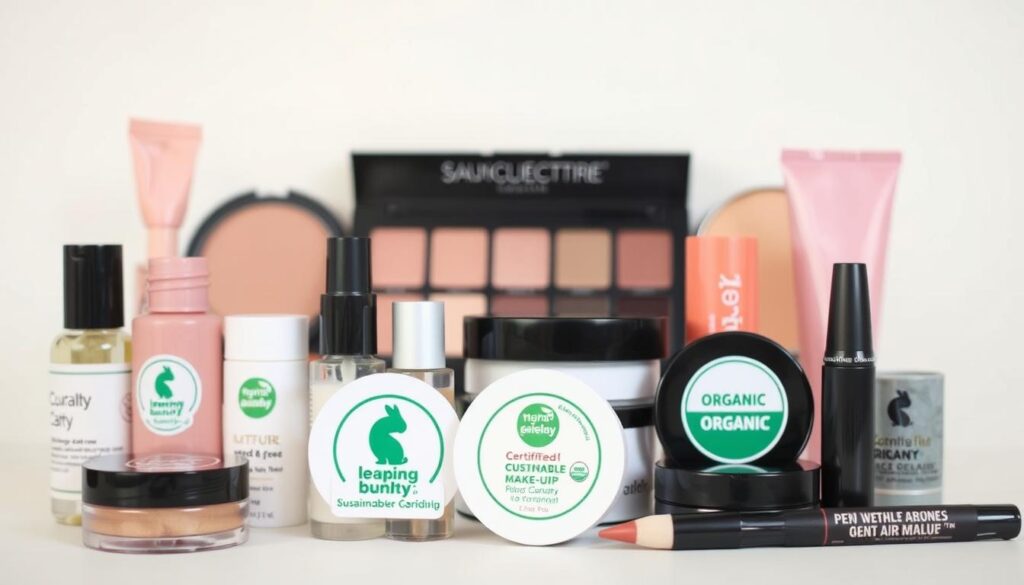
The beauty industry is experiencing a significant shift toward ethical practices, driven by consumer demand for responsible products. Understanding the ethical considerations in makeup helps you make informed choices aligned with your values:
Cruelty-Free Makeup
Cruelty-free products are not tested on animals at any stage of development. Look for certifications from organizations like Leaping Bunny or PETA, which verify a brand’s cruelty-free claims through rigorous standards. Note that “cruelty-free” doesn’t automatically mean a product is vegan, as it may still contain animal-derived ingredients.
Vegan Formulations
Vegan makeup contains no animal-derived ingredients like carmine (from beetles), lanolin (from sheep wool), or beeswax. Many brands now offer vegan alternatives that perform just as effectively as traditional formulations, using plant-based or synthetic substitutes that don’t compromise on quality or pigmentation.
Sustainable Packaging
The beauty industry generates significant packaging waste. Sustainable options include recyclable materials, biodegradable packaging, refillable systems, and plastic-free alternatives. Some brands offer take-back programs where they collect and recycle empty containers, reducing environmental impact.

Ethical considerations extend to ingredient sourcing and labor practices. Fair trade certifications ensure workers receive fair compensation and work in safe conditions. Meanwhile, clean beauty brands focus on eliminating potentially harmful ingredients like parabens, phthalates, and synthetic fragrances, prioritizing both human health and environmental impact.
Transparency has become a key value, with consumers expecting brands to disclose their supply chains, ingredient sources, and manufacturing processes. Many companies now publish sustainability reports and set measurable goals for reducing their environmental footprint.
“The future of beauty is clean, conscious, and transparent. Consumers are no longer just buying products – they’re buying into values and supporting brands that align with their ethical standards.”
Discover Ethical Makeup Brands
Explore makeup brands committed to cruelty-free testing, sustainable practices, and ethical ingredient sourcing.
Basic Makeup Application Guide for Beginners
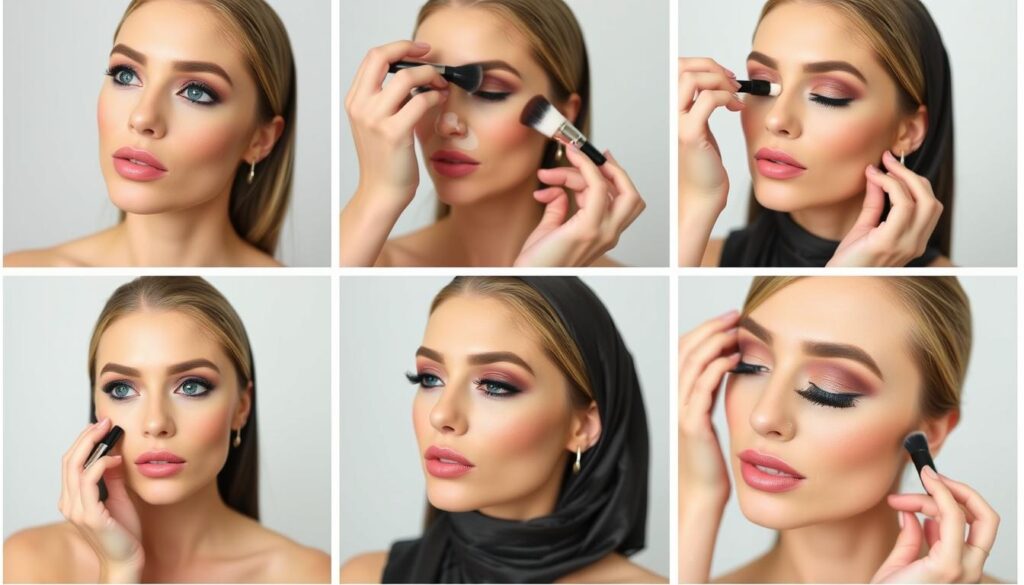
Starting your makeup journey can feel overwhelming with countless products and techniques available. This simplified guide breaks down the essential steps for a polished everyday look, focusing on technique rather than requiring numerous products.
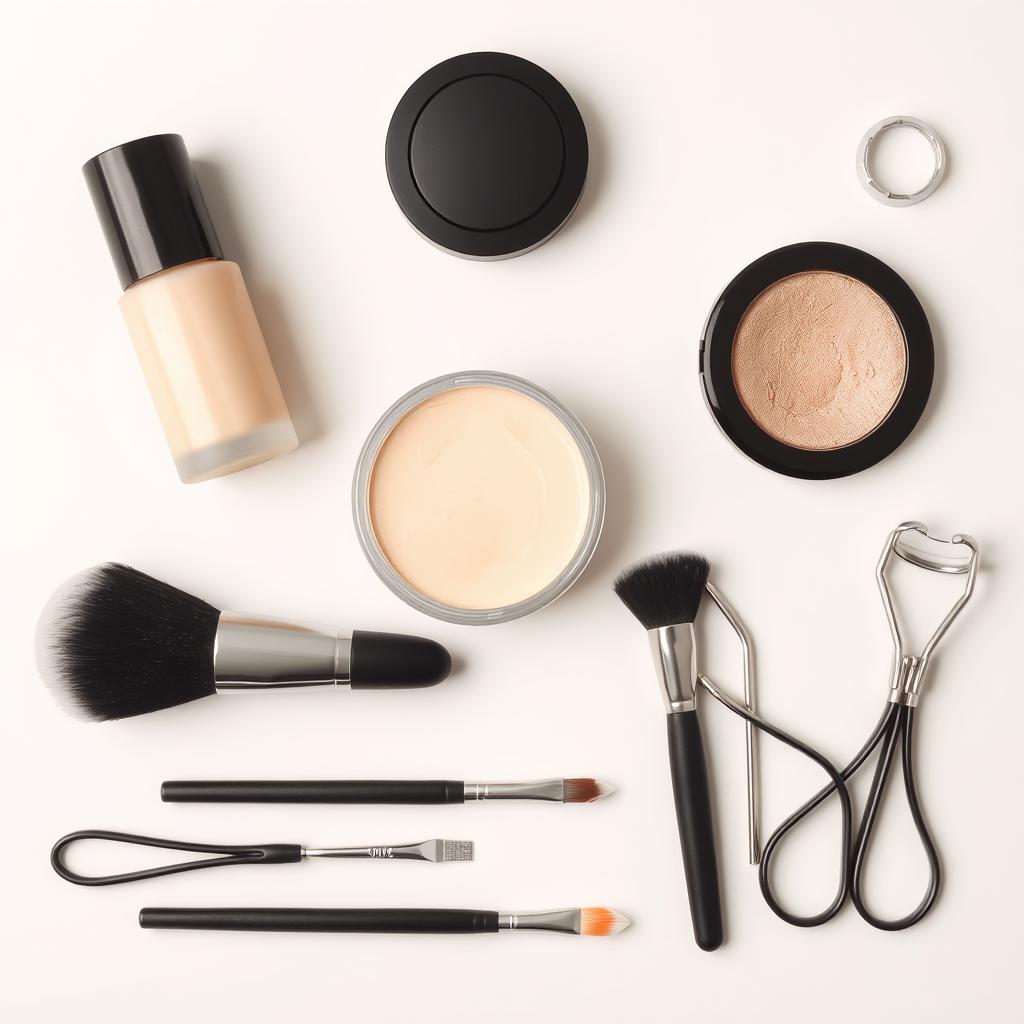
Essential Tools
- Brushes: Foundation brush or sponge, powder brush, blush brush, eyeshadow brushes (flat shader and blending)
- Additional tools: Eyelash curler, spoolie for brows, sharpener for pencils
- Skincare basics: Moisturizer, sunscreen (apply before makeup)
Step-by-Step Application
-
Prep your skin
Always start with clean, moisturized skin. Allow your moisturizer to absorb for a few minutes before applying makeup. If using primer, apply a small amount focusing on areas where makeup tends to fade (T-zone, around the nose).
-
Foundation or base
Start with a small amount of foundation or tinted moisturizer at the center of your face, blending outward with a brush, sponge, or fingers. Build coverage gradually only where needed rather than applying heavily all over.
-
Concealer
Apply concealer to any areas needing extra coverage (under eyes, blemishes, redness). For under-eyes, use a brightening formula and pat gently with your ring finger or a small brush. For blemishes, use a slightly more opaque formula and set with powder.
-
Set with powder
Apply translucent powder lightly to areas that tend to get oily (typically the T-zone). For dry skin, you may skip powder or apply only where absolutely necessary. Use a pressing motion rather than sweeping to avoid disturbing your base.
-
Add dimension
Apply blush to the apples of your cheeks, blending upward toward your temples. If using bronzer, apply to areas where the sun naturally hits (forehead, cheekbones, bridge of nose) using a light hand. For highlight, apply to the high points of your face (cheekbones, brow bone, cupid’s bow).
-
Define your eyes
For a simple eye look, apply a neutral shade across the lid and a slightly deeper shade in the crease. Blend well to avoid harsh lines. Apply eyeliner if desired, keeping it thin and close to the lash line for a natural look. Finish with mascara, applying from the roots and wiggling upward.
-
Complete with lips
Apply lip balm first to ensure smooth application. For lipstick, start at the center of your lips and work outward. For a natural look, try applying with your finger for a diffused effect or opt for tinted lip balm or gloss.
-
Set your look
If desired, finish with a setting spray to increase longevity. Hold the bottle about 8 inches from your face and spray in an “X” and “T” formation.
Beginner’s Tip
Start with sheer, buildable products that are more forgiving as you develop your skills. Cream products are often easier to blend than powders for beginners. Remember that practice is key – your application will improve with time!
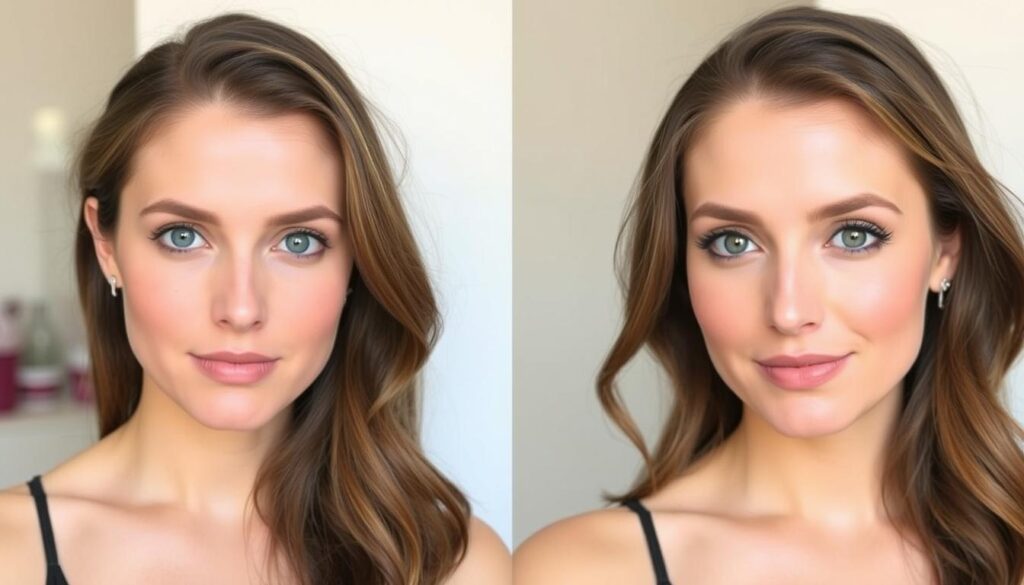
Master Your Makeup Skills
Access step-by-step tutorials and product recommendations tailored for beginners.
Embracing Makeup as Personal Expression
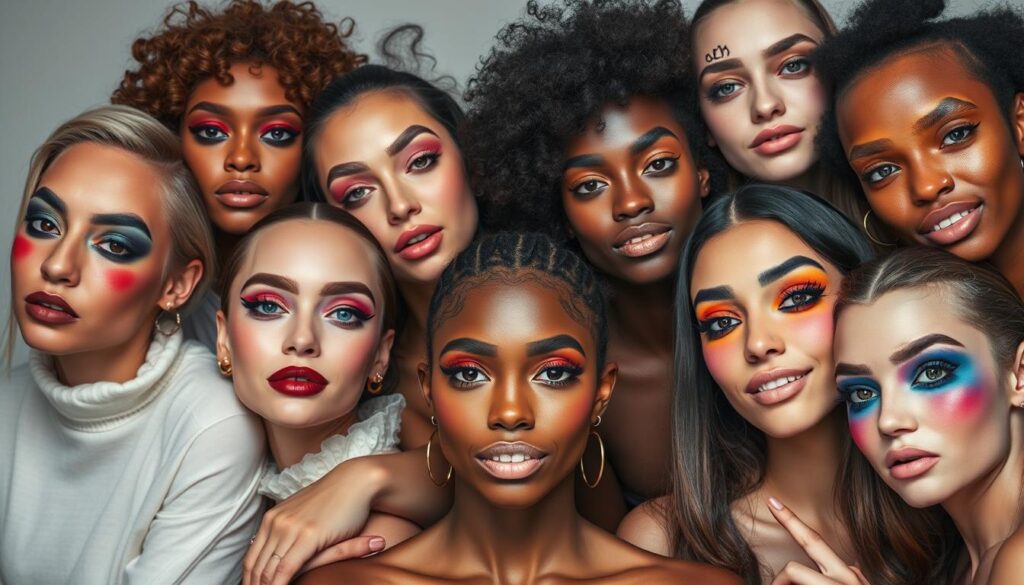
Makeup’s enduring appeal lies in its transformative power – not just of appearance, but of confidence and self-perception. Throughout history and across cultures, it has served as both armor and artistic expression, allowing individuals to present themselves to the world in ways that reflect their inner identity or aspirations.
As we’ve explored in this guide, makeup is deeply personal. There are no rigid rules – only techniques and principles that can be adapted to your unique features, preferences, and lifestyle. Whether you prefer a bare-faced look with minimal enhancement or elaborate artistic expression, makeup should ultimately feel empowering rather than obligatory.
The beauty industry continues to evolve, becoming more inclusive, sustainable, and innovative. By making informed choices about the products you use and the techniques you employ, you participate in shaping this evolution. Remember that makeup is meant to enhance your natural beauty, not mask or change who you are – it’s a celebration of individuality in all its diverse forms.
Continue Your Makeup Journey
Explore advanced techniques, product recommendations, and inspiration for your personal makeup style.