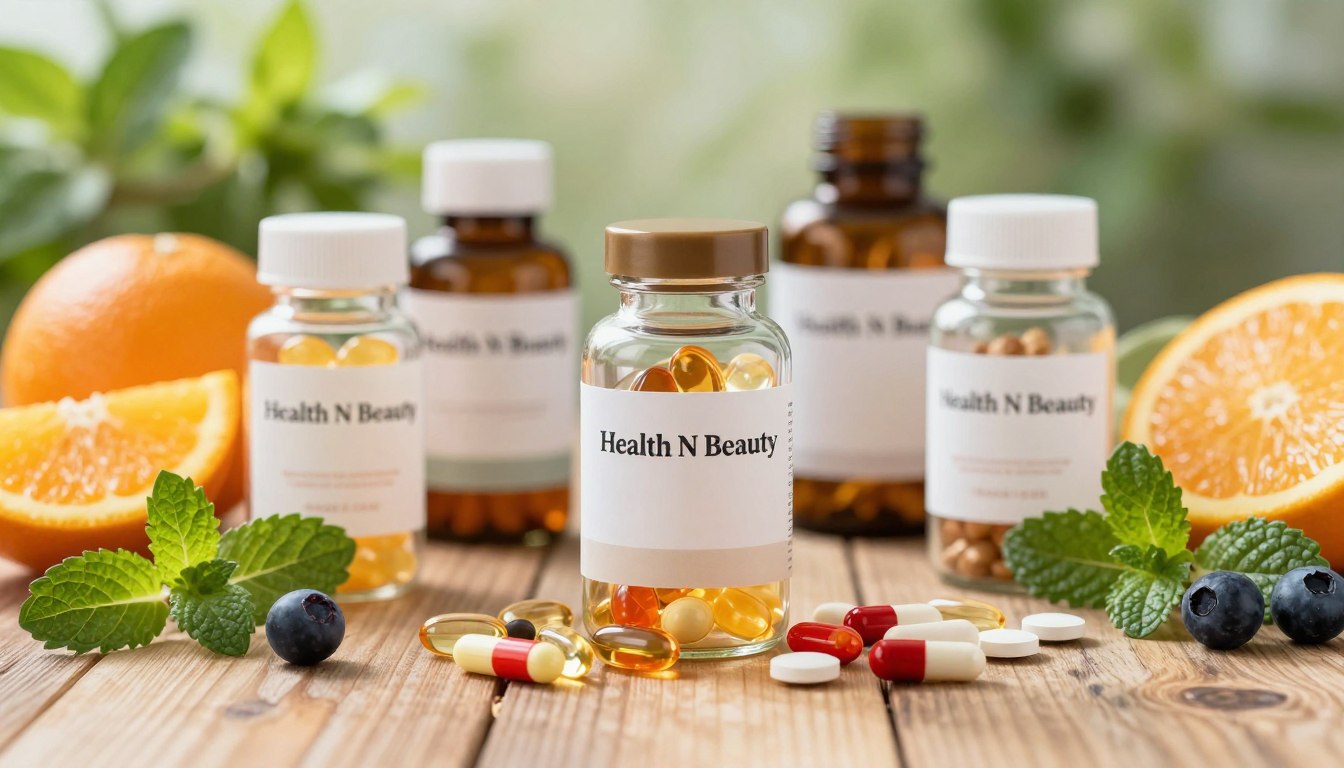
Achieving healthy, glowing skin and luscious hair is a common goal for many. While there are numerous products available that promise to deliver these benefits, the key to success often lies in nutrition.
The connection between nutrition and beauty is well-established, with certain vitamins playing a crucial role in enhancing skin health and promoting hair growth. Understanding the best vitamins for skin and hair can help individuals make informed decisions about their diet and supplement routine.
Key Takeaways
- Vitamins are essential for maintaining healthy skin and hair.
- Nutrition plays a significant role in achieving glowing skin and luscious hair.
- Certain vitamins can enhance skin health and promote hair growth.
- A well-informed diet and supplement routine can support beauty goals.
- Understanding the role of vitamins is crucial for making informed decisions.
The Connection Between Nutrition and Beauty
Achieving glowing skin and healthy hair isn’t just about topical treatments; it’s also deeply connected to our nutritional intake. The foods we eat play a crucial role in nourishing our skin and hair from the inside out.
How Vitamins Affect Skin Health
Vitamins are essential for maintaining healthy skin. They help in repairing damaged skin cells, reducing inflammation, and protecting the skin from environmental stressors. Vitamin C, for instance, is known for its antioxidant properties, which help in brightening the skin and reducing the appearance of fine lines.
The Role of Nutrients in Hair Growth and Strength
Nutrients like biotin and vitamin E are crucial for hair health. They promote hair growth, strengthen hair follicles, and improve the overall texture of hair. A deficiency in these nutrients can lead to hair loss and brittle hair.
Inside-Out Approach to Natural Beauty
An inside-out approach to beauty involves focusing on nutritional intake as much as external care routines. Consuming a balanced diet rich in vitamins and minerals can significantly enhance skin and hair health.
| Nutrient | Benefit for Skin/Hair | Food Sources |
|---|---|---|
| Vitamin C | Antioxidant, brightens skin | Citrus fruits, berries |
| Biotin | Promotes hair growth | Nuts, eggs, whole grains |
| Vitamin E | Protects skin, improves hair texture | Vegetable oils, nuts, seeds |
By understanding the connection between nutrition and beauty, individuals can make informed choices about their diet and beauty routines, leading to a more holistic approach to achieving natural beauty.
Understanding Skin and Hair Biology
To truly understand how to maintain healthy skin and hair, it’s essential to delve into their biological structures and functions.
Skin Structure and Renewal Process
The skin is the body’s largest organ, comprising multiple layers that work together to protect the body and facilitate various bodily functions. The outermost layer, known as the epidermis, is continuously renewed through a process called desquamation, where dead skin cells are shed and replaced by new ones. This renewal process is crucial for maintaining healthy, vibrant skin.
Hair Growth Cycle and Nutritional Needs
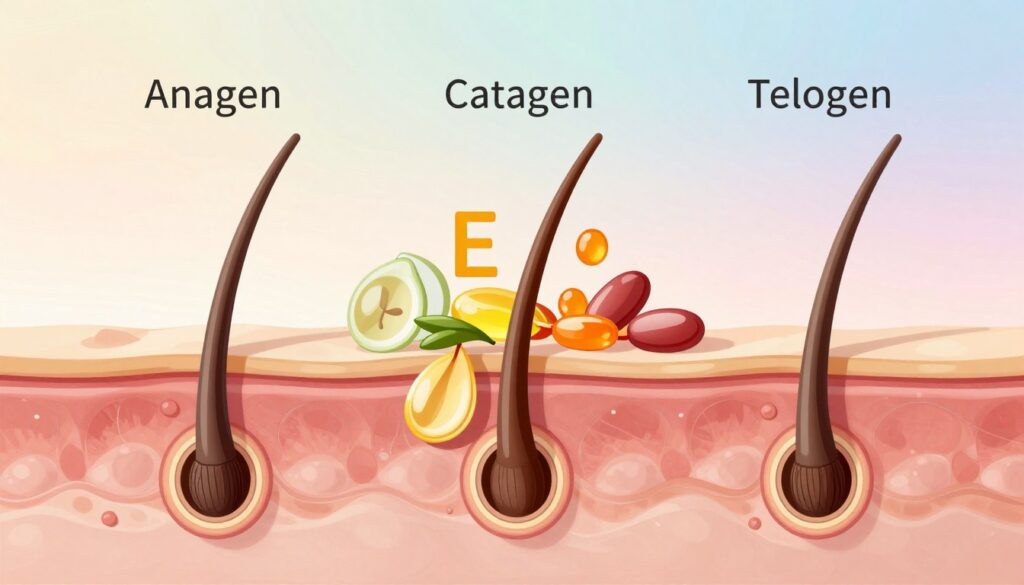
Hair growth occurs in cycles, with each follicle going through a growth phase (anagen), a transitional phase (catagen), and a resting phase (telogen) before the hair is shed. Nutritional factors play a significant role in hair growth, with deficiencies potentially leading to hair loss or weakened hair structure. Adequate intake of essential nutrients is vital for supporting the hair growth cycle.
Common Nutritional Deficiencies Affecting Appearance
Nutritional deficiencies can significantly impact the appearance of skin and hair. Common deficiencies include lack of vitamins A, C, and E, as well as minerals like zinc and iron. These deficiencies can lead to issues such as dry skin, acne, and hair loss. Understanding these deficiencies is key to addressing appearance-related concerns.
| Nutritional Deficiency | Impact on Skin/Hair |
|---|---|
| Vitamin A Deficiency | Dry skin, potential for acne |
| Iron Deficiency | Hair loss, brittle hair |
| Zinc Deficiency | Impaired wound healing, hair loss |
Vitamin A: The Skin Renewal Powerhouse
Vitamin A is a powerhouse nutrient that supports skin clarity, texture, and healthy hair growth. This essential vitamin plays a critical role in maintaining the health and integrity of skin and hair.
Benefits for Skin Clarity and Texture
Vitamin A is well-known for its ability to promote skin renewal. It helps in reducing the appearance of fine lines and wrinkles, and improves skin texture by promoting cell turnover. This process reveals brighter, smoother skin, giving it a more youthful appearance.

How Vitamin A Supports Healthy Hair
Vitamin A is also crucial for maintaining healthy hair. It helps in the production of sebum, an oily substance that moisturizes the scalp and keeps hair healthy. A deficiency in Vitamin A can lead to dry, brittle hair and an itchy scalp.
Food Sources and Supplement Options
Vitamin A can be obtained through various food sources and supplements. Foods rich in Vitamin A include sweet potatoes, carrots, dark leafy greens, and liver. For those who may not get enough from their diet, supplements are available. However, it’s essential to consult with a healthcare professional before starting any supplement regimen.
| Food Source | Vitamin A Content |
|---|---|
| Sweet Potatoes | High |
| Carrots | High |
| Dark Leafy Greens | Moderate |
| Liver | Very High |
Signs of Deficiency and Recommended Intake
A deficiency in Vitamin A can manifest as dry skin, dull hair, and increased susceptibility to infections. The recommended daily intake varies by age and health status, but generally, adults should consume 700-900 micrograms per day. It’s crucial to be aware of the signs of deficiency and to maintain an adequate intake through a balanced diet or supplements.
B-Complex Vitamins: Essential Building Blocks
The B-complex vitamins are a group of essential nutrients that play a crucial role in maintaining healthy skin and hair. These vitamins are vital for various bodily functions, and their impact on our appearance is significant.

Biotin (B7) for Hair Strength and Growth
Biotin, or Vitamin B7, is particularly renowned for its role in hair health. It supports the production of keratin, a protein that makes up hair, skin, and nails. Biotin deficiency can lead to hair loss and brittle nails, making supplementation or dietary adjustments crucial for those affected.
Niacin (B3) for Skin Barrier Function
Niacin, or Vitamin B3, is essential for maintaining the skin’s barrier function. It improves the skin’s ability to retain moisture, reducing the appearance of fine lines and wrinkles. Niacinamide, a form of niacin, is commonly used in skincare products due to its beneficial effects on skin elasticity and hydration.
Riboflavin (B2) and Skin Health
Riboflavin, or Vitamin B2, plays a critical role in energy production and can affect skin health. It helps in reducing the appearance of certain skin conditions and is important for the overall health of the skin, eyes, and mucous membranes.
Pantothenic Acid (B5) for Moisture Retention
Pantothenic acid, known as Vitamin B5, is vital for moisture retention in the skin. It is often used in skincare products to enhance hydration and soothe irritated skin. This vitamin helps in maintaining the skin’s natural barrier, reducing the risk of dryness and irritation.
Food Sources and Supplementation Guidelines
B-complex vitamins can be obtained through a balanced diet that includes a variety of foods such as whole grains, lean meats, eggs, dairy products, and leafy greens. For those who struggle to get enough through diet alone, supplementation can be an effective option. It’s essential to consult with a healthcare professional before starting any supplement regimen to ensure it meets individual needs.
- Food sources rich in B-complex vitamins include:
- Whole grains (brown rice, barley)
- Lean meats (chicken, turkey)
- Eggs and dairy products
- Leafy greens (spinach, kale)
- Nuts and seeds (almonds, sunflower seeds)
By understanding the roles of these vitamins and incorporating them into your diet, you can support your skin and hair health naturally.
Vitamin C: The Collagen Booster
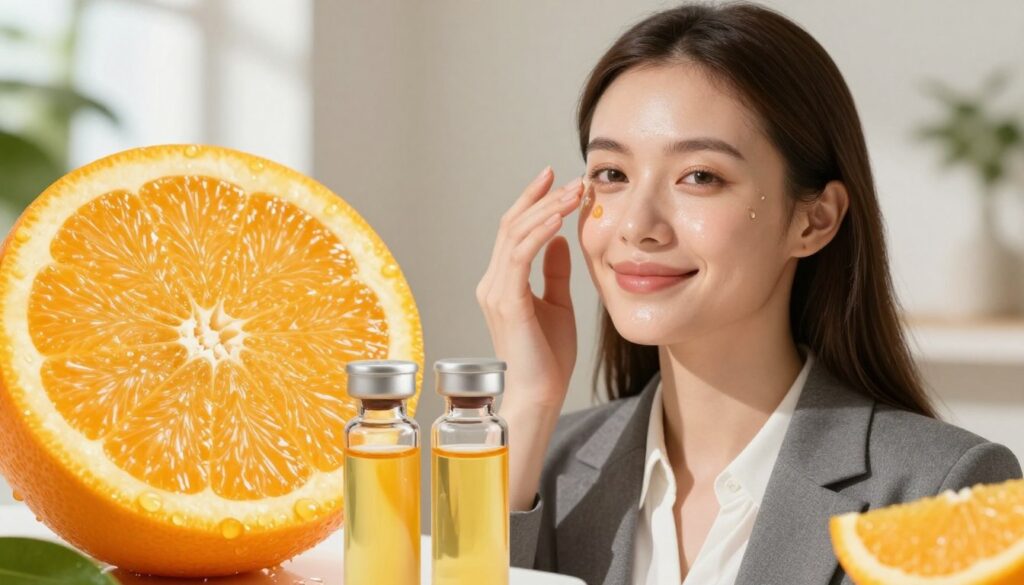
As a powerful antioxidant, Vitamin C plays a crucial role in protecting the skin from damage and promoting overall skin health. Its benefits extend beyond skin protection, contributing to hair strength and scalp health as well.
Antioxidant Properties for Skin Protection
Vitamin C’s antioxidant properties help neutralize free radicals, which can cause skin damage and lead to signs of aging such as wrinkles and fine lines. By protecting the skin from oxidative stress, Vitamin C aids in maintaining a smoother, more youthful complexion.
Role in Collagen Production and Maintenance
Vitamin C is essential for the production and maintenance of collagen, a protein that gives structure to our skin, bones, and connective tissue. It acts as a co-factor for the enzymes prolyl hydroxylase and lysyl hydroxylase, which are necessary for the stabilization and cross-linking of collagen molecules. This process is vital for skin elasticity and firmness.
Boosting collagen production not only improves skin texture but also supports the healing of wounds by enhancing the repair of connective tissue.
Benefits for Hair Strength and Scalp Health
Vitamin C’s benefits extend to hair health by improving scalp circulation and promoting healthy hair growth. Its antioxidant properties help protect the hair follicles from damage caused by free radicals, potentially reducing hair loss and improving hair strength.
Dietary Sources and Topical Applications
Vitamin C can be obtained through dietary sources such as citrus fruits, strawberries, and leafy greens. For topical application, serums and creams rich in Vitamin C can be directly applied to the skin to enhance its benefits. When choosing a topical Vitamin C product, look for formulations that are stable and have an optimal pH level to ensure maximum efficacy.
Incorporating Vitamin C into both your diet and skincare routine can lead to significant improvements in skin and hair health.
Vitamin D: Beyond Bone Health
Beyond its well-known effects on bone density, Vitamin D has other significant health benefits, particularly for the skin and hair. This vitamin plays a crucial role in maintaining overall health and appearance.
Impact on Skin Cell Regeneration
Vitamin D is known to influence skin cell regeneration, helping to maintain healthy skin. It regulates the growth and differentiation of skin cells, which is essential for skin renewal and repair. Optimal Vitamin D levels can contribute to a more radiant and youthful appearance.
Connection to Hair Follicle Health
Research suggests that Vitamin D is also linked to hair follicle health. It plays a role in the cycling of hair follicles, potentially influencing hair growth. A deficiency in Vitamin D has been associated with hair loss and other scalp issues.
Sunlight Exposure and Supplementation
The primary source of Vitamin D is sunlight exposure, which triggers its production in the skin. However, factors like limited sun exposure, especially during winter months, or the use of sunscreen can reduce its production. In such cases, supplementation can be an effective way to maintain adequate Vitamin D levels.
Deficiency Signs and Risk Factors
Deficiency in Vitamin D can manifest in various ways, including skin issues and hair loss. Risk factors include limited sun exposure, darker skin tones, and certain medical conditions. Being aware of these factors can help in taking preventive measures.
In conclusion, Vitamin D is essential not just for bone health but also for maintaining healthy skin and hair. Ensuring adequate levels through a combination of sunlight exposure, diet, and supplementation can contribute to overall well-being and appearance.
Vitamin E: Nature’s Skin Protector
As a potent antioxidant, Vitamin E plays a crucial role in protecting our skin from damage. Its benefits extend beyond skin health, also impacting hair growth and overall well-being.
Free Radical Defense Mechanism
Vitamin E’s antioxidant properties allow it to neutralize free radicals, which are unstable molecules that can cause oxidative stress and lead to skin damage. By defending against these harmful agents, Vitamin E helps maintain skin integrity and promotes a healthier complexion.
Benefits for Scalp Health and Hair Growth
A healthy scalp is essential for robust hair growth, and Vitamin E contributes to this by improving scalp circulation and reducing oxidative stress. This can lead to stronger, healthier hair follicles.
Natural Sources and Application Methods
Vitamin E can be obtained through dietary sources such as nuts, seeds, and vegetable oils. It can also be applied topically through skincare products, offering direct benefits to the skin.
- Nuts and seeds: Rich in Vitamin E, making them a great snack for skin health.
- Vegetable oils: Such as olive and coconut oil, which are commonly used in cooking and skincare.
- Topical applications: Creams and serums that directly deliver Vitamin E to the skin.
Synergy with Other Antioxidants
Vitamin E works synergistically with other antioxidants, such as Vitamin C, to enhance its protective effects. This combination can offer comprehensive protection against environmental stressors and promote overall skin health.
By incorporating Vitamin E into your skincare routine and diet, you can harness its protective powers to achieve healthier, more resilient skin.
Best Vitamins for Skin and Hair: Creating Your Optimal Regimen
To achieve healthy, glowing skin and strong hair, it’s essential to tailor your vitamin intake to your specific needs. A personalized vitamin regimen considers your skin and hair type, addressing specific concerns such as dryness, oiliness, or signs of aging.
Personalized Approach Based on Skin/Hair Type
Different skin and hair types have unique nutritional requirements. Understanding these needs is crucial for selecting the most effective vitamins.
Dry Skin and Brittle Hair Solutions
For dry skin and brittle hair, vitamins that promote moisture retention and nourishment are key. Vitamin E and Biotin (B7) are particularly beneficial, as they help to lock in moisture and support hair strength.
Oily Skin and Hair Recommendations
Oily skin and hair require vitamins that regulate sebum production without clogging pores. Vitamin A and Niacin (B3) can help control oiliness while maintaining skin clarity and promoting a healthy scalp.
Aging Skin and Thinning Hair Concerns
For aging skin and thinning hair, vitamins that stimulate collagen production and support hair growth are essential. Vitamin C and Vitamin D play significant roles in collagen synthesis and hair follicle health.
Combining Vitamins for Maximum Benefits
Combining different vitamins can enhance their effectiveness. For example, pairing Vitamin C with Vitamin E can boost antioxidant protection, while combining Biotin with Vitamin B-complex can support hair growth and strength.
| Vitamin Combination | Benefits |
|---|---|
| Vitamin C + Vitamin E | Enhanced antioxidant protection |
| Biotin + Vitamin B-complex | Supports hair growth and strength |
| Vitamin A + Niacin (B3) | Regulates sebum production and promotes skin clarity |
Topical vs. Oral Supplementation
The choice between topical and oral supplementation depends on your specific needs and preferences. Topical products can provide immediate, targeted benefits, while oral supplements offer a more systemic approach.
When to Choose Topical Products
Topical products are ideal for addressing specific skin or hair concerns, such as acne, dry patches, or scalp irritation. They can deliver active ingredients directly to the affected area.
Guidelines for Oral Supplements
Oral supplements are suitable for supporting overall skin and hair health. When choosing oral supplements, consider your dietary needs and ensure that the product is bioavailable and well-absorbed.
Important Mineral Cofactors
Minerals play a crucial role in maintaining healthy skin and hair. Key mineral cofactors include Zinc, Selenium, and Iron.
Zinc and Selenium for Skin and Hair
Zinc supports immune function and wound healing, while Selenium acts as an antioxidant, protecting cells from damage. Both minerals are essential for maintaining healthy skin and hair.
Iron’s Role in Healthy Hair Growth
Iron is vital for healthy hair growth, as it supports the delivery of oxygen to hair follicles. Ensuring adequate iron intake can help prevent hair loss and promote thicker, healthier hair.
Incorporating Vitamins Into Your Daily Beauty Routine
Now that we’ve explored the essential vitamins for achieving glowing skin and healthy hair, it’s time to put this knowledge into practice. Incorporating these vitamins into your daily beauty routine can be simple and effective.
Start by assessing your diet and identifying areas where you can include more vitamin-rich foods. For instance, consuming foods high in Vitamin C, such as citrus fruits and leafy greens, can boost collagen production and enhance skin clarity. Similarly, nuts and seeds are excellent sources of Vitamin E, which protects your skin from environmental stressors.
For targeted benefits, consider topical applications. Using a vitamin-enriched serum or moisturizer can help deliver these nutrients directly to your skin. When choosing products, look for ingredients like retinol (Vitamin A) for skin renewal or biotin for hair strengthening.
To maximize the effectiveness of your daily beauty routine, maintain consistency and be patient. It may take some time to notice improvements in your skin and hair. By combining a balanced diet with a thoughtful skincare and haircare regimen, you can unlock the full potential of these essential vitamins.
FAQ
What are the essential vitamins for achieving healthy, glowing skin and luscious hair?
Vitamins A, B-complex, C, D, and E are crucial for maintaining healthy skin and hair. These vitamins play a significant role in skin renewal, hair growth, and overall beauty.
How do vitamins affect skin health?
Vitamins like Vitamin A and Vitamin C help in skin renewal and collagen production, while Vitamin D impacts skin cell regeneration. A deficiency in these vitamins can lead to skin issues like acne, dryness, and dullness.
What is the role of B-complex vitamins in hair growth?
B-complex vitamins, particularly Biotin (B7), Niacin (B3), and Pantothenic Acid (B5), are essential for hair strength, growth, and moisture retention. They help in nourishing the hair follicles and promoting healthy hair.
Can vitamins be obtained through diet alone?
While a balanced diet rich in whole foods can provide essential vitamins, supplements can help fill any nutritional gaps. Foods rich in vitamins, such as fruits, vegetables, nuts, and lean proteins, are ideal for maintaining healthy skin and hair.
How does Vitamin C benefit skin and hair?
Vitamin C acts as an antioxidant, protecting the skin from damage caused by free radicals. It also plays a crucial role in collagen production, maintaining skin elasticity, and promoting hair strength and scalp health.
What are the signs of Vitamin D deficiency, and how does it impact skin and hair?
Vitamin D deficiency can lead to skin issues like psoriasis and eczema, as well as hair loss. Signs of deficiency include fatigue, weakness, and hair thinning. Sunlight exposure, supplements, and fortified foods can help maintain adequate Vitamin D levels.
How can I incorporate vitamins into my daily beauty routine?
You can incorporate vitamins into your daily beauty routine by consuming a balanced diet, using topical products rich in vitamins, and considering supplements if necessary. Always consult with a healthcare professional before starting any new supplements.
Are there any mineral cofactors that are important for skin and hair health?
Yes, mineral cofactors like zinc, selenium, and iron play a crucial role in maintaining healthy skin and hair. Zinc supports skin health and wound healing, while selenium acts as an antioxidant. Iron is essential for healthy hair growth.