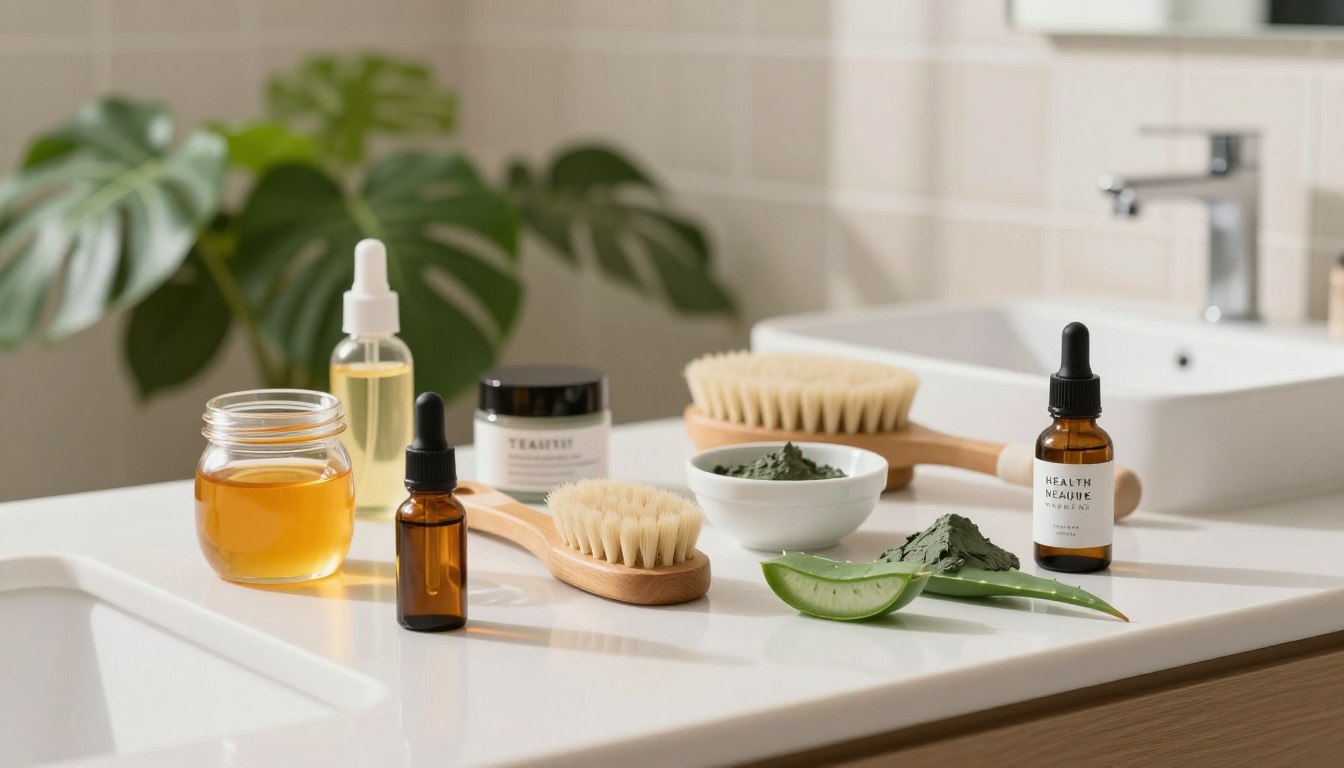
Acne is a common skin condition that affects millions of people worldwide, causing emotional distress and scarring. Finding effective treatments can be challenging, especially with the numerous options available.
Clear skin is achievable with the right approach. Natural acne treatments offer a promising solution for those seeking alternatives to harsh chemical-based products. These treatments focus on addressing the root causes of acne, promoting healthy skin.
Key Takeaways
- Understanding the causes of acne is crucial for effective treatment.
- Natural acne treatments can provide a gentler alternative to chemical-based products.
- Achieving clear skin requires patience and the right combination of treatments.
- Maintaining a consistent skincare routine is essential.
- Diet and lifestyle changes can also impact acne severity.
Understanding Acne: Causes and Types
Understanding the complexities of acne, including its causes and types, is essential for developing a successful treatment plan. Acne is a multifaceted skin condition that affects individuals in various ways, making it crucial to comprehend its underlying factors.
https://www.youtube.com/watch?v=ys_R4KZYj24
The Science Behind Acne Formation
Acne formation is primarily driven by the overproduction of sebum, an oily substance produced by the sebaceous glands. When dead skin cells and excess sebum combine, they can clog pores, creating an ideal environment for bacteria to thrive. This bacterial growth leads to inflammation, resulting in the characteristic redness and swelling associated with acne. The role of hormones, particularly androgens, is significant in acne development, as they influence sebum production.
Different Types of Acne and Their Characteristics
Acne manifests in several forms, each with distinct characteristics. Comedonal acne is marked by blackheads or whiteheads due to clogged pores. Inflammatory acne includes papules and pustules, which are red, swollen bumps that may be painful. More severe forms include nodulocystic acne, characterized by large, painful cysts, and acne fulminans, a rare but severe form that can lead to significant scarring. Understanding these types is vital for choosing the right treatment approach.
Why Choose Natural Remedies for Acne Treatment
The shift towards natural acne remedies is driven by the limitations of commercial acne products. Many commercial products contain harsh chemicals that can strip the skin of its natural oils, leading to dryness and irritation.
Limitations of Commercial Acne Products
Commercial acne products often rely on ingredients like benzoyl peroxide and salicylic acid, which can have adverse effects with prolonged use. These products can dry out the skin, causing irritation and sometimes even more breakouts. Moreover, they may not address the underlying causes of acne, such as hormonal imbalances or dietary factors.
“The overuse of antibiotics and harsh chemicals in acne treatments has led to concerns about antibiotic resistance and long-term skin health.”
Benefits of Natural Approaches
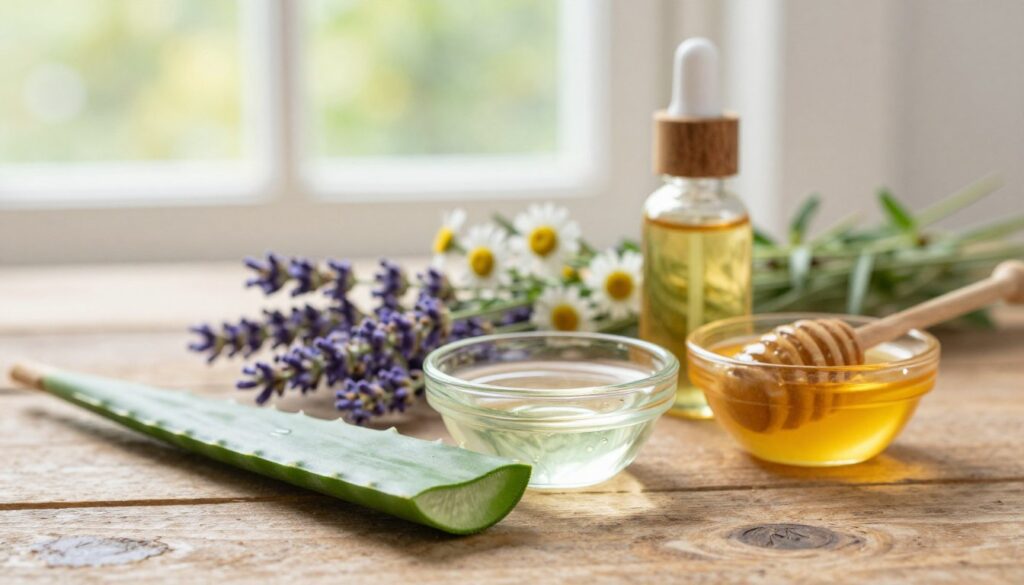
Natural remedies, on the other hand, offer a gentler approach to acne treatment. Ingredients like tea tree oil and aloe vera have antibacterial properties without the harsh side effects. Natural approaches also encourage a holistic view of skin health, considering diet, stress, and lifestyle factors.
| Natural Ingredient | Benefits |
|---|---|
| Tea Tree Oil | Antibacterial, anti-inflammatory |
| Aloe Vera | Soothing, healing |
Diet Modifications That Help Combat Acne
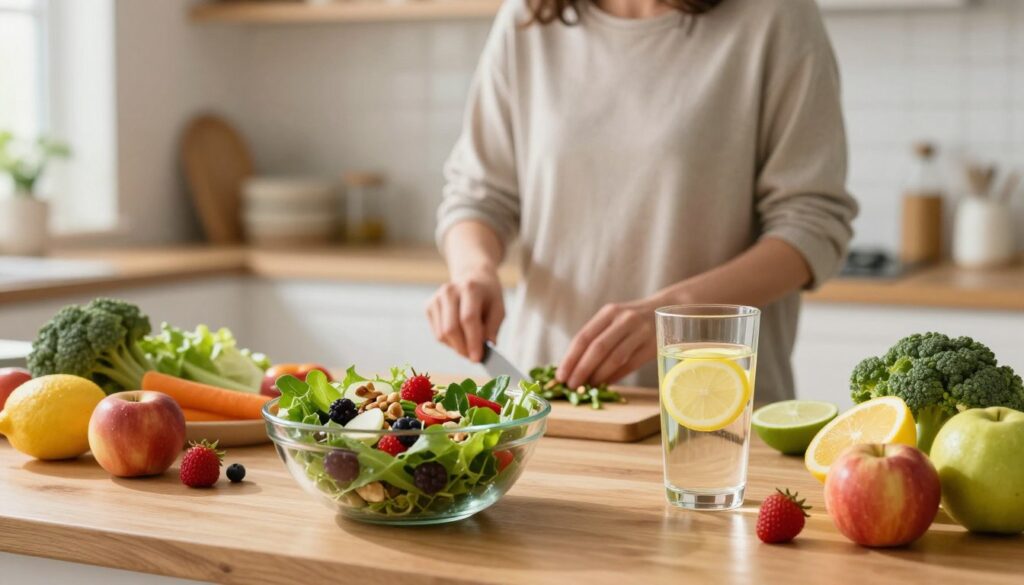
A well-balanced diet plays a crucial role in managing acne. The foods we eat can either exacerbate or alleviate acne symptoms. By making informed dietary choices, individuals can take a significant step towards clearer skin.
Foods to Avoid for Clearer Skin
Certain foods can trigger or worsen acne. It’s essential to be aware of these foods to avoid them.
Dairy and Acne Connection
Research suggests a link between dairy consumption and acne. Dairy products can stimulate hormones that increase acne. Reducing dairy intake may help alleviate acne symptoms.
High-Glycemic Foods Impact
Foods with a high glycemic index can cause inflammation and lead to acne. Limiting foods like white bread and sugary snacks can help manage acne.
Skin-Friendly Foods to Include in Your Diet
Incorporating the right foods into your diet can help combat acne. Nutrient-rich foods support skin health.
Antioxidant-Rich Options
Foods high in antioxidants, such as berries and leafy greens, help reduce inflammation and promote healthy skin.
Omega-3 Sources
Omega-3 fatty acids found in fish and nuts can help reduce acne by minimizing inflammation.
The Role of Hydration in Acne Management
Staying hydrated is vital for maintaining healthy skin. Adequate water intake helps flush out toxins that can cause acne. Drinking enough water is a simple yet effective way to support skin health.
Powerful Herbal Remedies for Acne Treatment
Nature offers a plethora of herbal remedies that can effectively combat acne. These natural treatments have been used for centuries and are known for their efficacy with minimal side effects.
Tea Tree Oil Applications
Tea tree oil is renowned for its antimicrobial properties, making it a potent treatment for acne. It can be applied directly to the affected area using a cotton swab, typically diluted with a carrier oil to avoid skin irritation.
Benefits of Tea Tree Oil:
- Reduces acne-causing bacteria
- Anti-inflammatory properties
- Promotes healing of acne lesions
Aloe Vera Treatments
Aloe vera is another herbal remedy that is highly effective in treating acne. Its soothing properties help calm irritated skin, reduce redness, and promote skin healing.
“Aloe vera’s anti-inflammatory properties can significantly reduce the redness and swelling associated with acne.” – Dermatology Expert
Other Beneficial Herbs for Acne
Besides tea tree oil and aloe vera, other herbs offer significant benefits in acne treatment.
Witch Hazel Benefits
Witch hazel acts as a natural astringent, helping to reduce the appearance of pores and remove excess oil from the skin.
Green Tea Applications
Green tea is rich in antioxidants, which help protect the skin from damage and reduce inflammation. It can be used as a toner or applied topically as a cooled brew.
| Herbal Remedy | Benefits | Application |
|---|---|---|
| Tea Tree Oil | Antimicrobial, anti-inflammatory | Diluted with carrier oil, apply directly to acne |
| Aloe Vera | Soothing, healing | Apply gel directly to affected area |
| Witch Hazel | Astringent, reduces pore appearance | Use as a toner |
| Green Tea | Antioxidant, anti-inflammatory | Use cooled brew as a toner or mask |
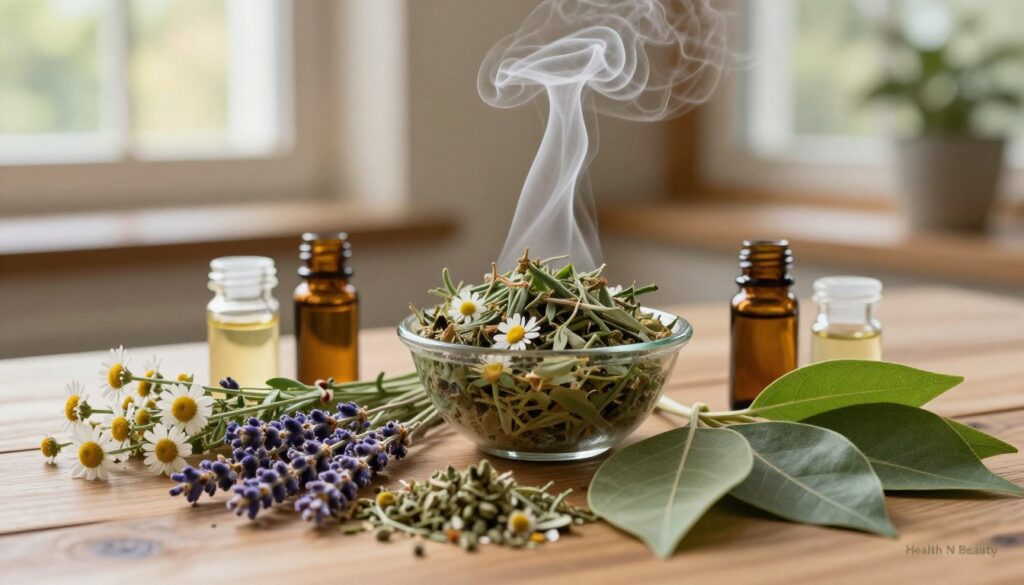
By incorporating these herbal remedies into your skincare routine, you can effectively manage acne and promote healthier skin.
Essential Oils That Combat Acne Effectively
In the quest for clear skin, essential oils offer a promising natural solution. These potent oils, derived from plants, have been used for centuries in various traditional remedies, including skin care. When used correctly, essential oils can help reduce acne, prevent future breakouts, and promote overall skin health.
How to Safely Use Essential Oils on Skin
Before applying essential oils to your skin, it’s crucial to dilute them with a carrier oil, as they can be very potent. A general dilution ratio is 1-3% essential oil to carrier oil. Always perform a patch test on a small area of skin to check for any adverse reactions. Proper dilution and patch testing are key to safe usage.
Top Essential Oils for Different Acne Types
Different essential oils target different types of acne. Here are some of the most effective ones:
Lavender Oil for Inflammatory Acne
Lavender oil is known for its anti-inflammatory properties, making it ideal for reducing redness and swelling associated with inflammatory acne. Its calming effects can also help reduce stress-related acne.
Rosemary Oil for Oily Skin
Rosemary oil can help regulate oil production and improve circulation, which can be beneficial for oily skin. It also has antimicrobial properties that can help prevent acne-causing bacteria.
Frankincense for Acne Scars
Frankincense oil is valued for its ability to promote skin regeneration and reduce the appearance of scars, including those left by acne. It can help improve skin tone and reduce fine lines.
Creating Your Own Essential Oil Blends
Blending different essential oils can enhance their individual benefits. For example, combining lavender and tea tree oil can create a powerful blend that fights acne-causing bacteria while soothing the skin. Experiment with different ratios to find what works best for your skin type.
Kitchen Ingredients as Natural Remedies for Acne
Your kitchen is a treasure trove of natural remedies for acne, offering effective solutions without harsh chemicals. Many common ingredients can be repurposed to combat acne, reducing the need for commercial products that often contain harsh ingredients.
Honey and Cinnamon Masks
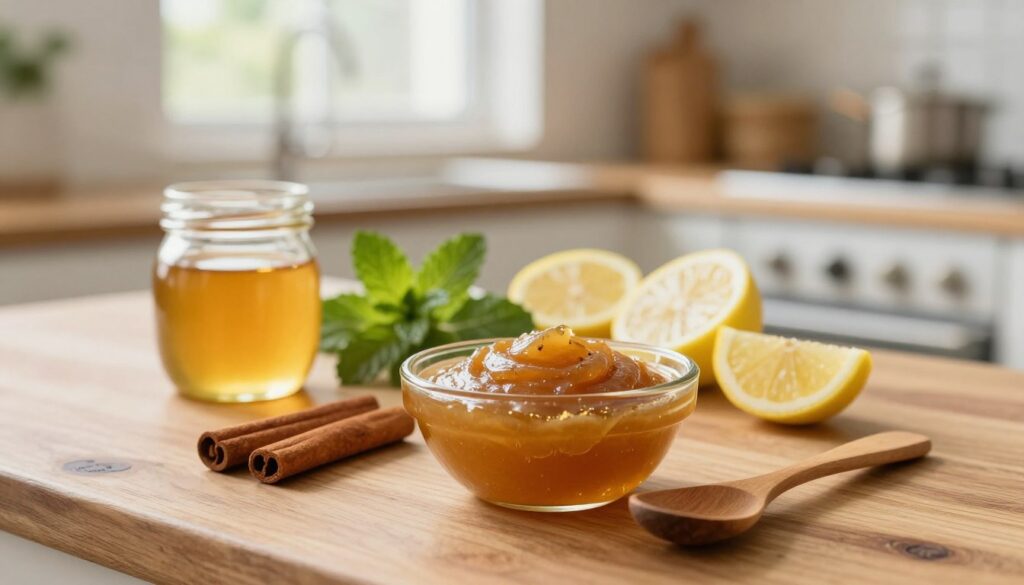
A popular homemade remedy for acne involves using honey and cinnamon. Honey has antibacterial properties that can help soothe inflamed skin, while cinnamon has been shown to have antimicrobial effects. To make a honey and cinnamon mask, mix 2 tablespoons of honey with 1 teaspoon of cinnamon powder. Apply this paste to your face and leave it on for 10-15 minutes before rinsing with warm water.
Apple Cider Vinegar Treatments
Apple cider vinegar is another kitchen staple with potential acne-fighting properties. It’s believed to help balance the skin’s pH and reduce acne-causing bacteria. To use apple cider vinegar as a toner, mix it with water (1 part vinegar to 2 parts water) and apply it to your skin with a cotton pad.
Other Pantry Items for Acne Relief
Beyond honey, cinnamon, and apple cider vinegar, other kitchen ingredients can provide acne relief. These include:
- Turmeric, known for its anti-inflammatory properties
- Lemon juice, which can help reduce acne scars
- Baking soda, useful for gentle exfoliation
Turmeric Paste Applications
Turmeric contains curcumin, which has potent anti-inflammatory and antioxidant properties. To make a turmeric paste, mix turmeric powder with a small amount of water or honey. Apply this paste to acne-prone areas and leave it on for 10-15 minutes before rinsing.
Lemon Juice Spot Treatments
Lemon juice is often used as a natural remedy for acne due to its astringent and antiseptic properties. Apply a small amount of diluted lemon juice directly to acne spots using a cotton swab.
Baking Soda Exfoliation
Baking soda can be used as a gentle exfoliant to remove dead skin cells and unclog pores. Mix 1 teaspoon of baking soda with 2 teaspoons of water to form a paste. Gently massage this onto your skin in circular motions before rinsing.
| Ingredient | Benefits | Application |
|---|---|---|
| Honey & Cinnamon | Antibacterial, Anti-inflammatory | Mask: 10-15 minutes |
| Apple Cider Vinegar | Balances pH, Antibacterial | Toner: Diluted with water |
| Turmeric | Anti-inflammatory, Antioxidant | Paste: 10-15 minutes |
| Lemon Juice | Astringent, Antiseptic | Spot treatment: Diluted |
| Baking Soda | Gentle Exfoliant | Paste: Gentle massage |
Natural Remedies for Acne Based on Scientific Evidence
Evidence-based natural remedies offer a promising approach to managing acne. By leveraging the power of nature and the rigor of scientific research, individuals can find effective solutions to this common skin issue.
Research-Backed Natural Treatments
Several natural treatments have been researched for their efficacy in treating acne. Tea tree oil, for instance, has been shown to have antimicrobial properties that help reduce acne-causing bacteria. A study published in the Journal of Clinical and Aesthetic Dermatology found that tea tree oil was effective in reducing acne lesions.
Another natural remedy backed by research is aloe vera. Its anti-inflammatory properties can help soothe irritated skin and reduce redness associated with acne. A study in the Journal of Ethnopharmacology highlighted aloe vera’s potential in treating acne.
| Natural Remedy | Benefits | Key Findings |
|---|---|---|
| Tea Tree Oil | Antimicrobial properties | Reduces acne-causing bacteria |
| Aloe Vera | Anti-inflammatory properties | Soothes irritated skin, reduces redness |
Combining Remedies for Enhanced Results
Combining different natural remedies can sometimes enhance their effectiveness. For example, using tea tree oil in conjunction with aloe vera may provide both antimicrobial and anti-inflammatory benefits. However, it’s crucial to patch test and start with small amounts to avoid any adverse reactions.
A study in the Journal of Cosmetic Dermatology found that combining natural ingredients can lead to improved outcomes in acne treatment. The key is to understand how different ingredients interact and to tailor combinations to individual skin types.
Lifestyle Changes to Reduce Acne Breakouts
Making simple lifestyle changes can significantly reduce acne breakouts and improve overall skin health. By addressing factors such as stress, sleep, and physical activity, individuals can take a holistic approach to managing acne.
Stress Management Techniques
Stress is a known contributor to acne breakouts. Engaging in stress-reducing activities can help mitigate this effect.
Meditation and Breathing Exercises
Meditation and deep breathing exercises are effective ways to manage stress. These practices help calm the mind and reduce hormonal fluctuations that can lead to acne.
Physical Activity for Stress Reduction
Regular physical activity is another powerful tool for stress management. Exercise helps release endorphins, which improve mood and reduce stress levels.
Sleep Quality and Acne Connection
Getting adequate sleep is crucial for skin health. Poor sleep quality can lead to increased stress and inflammation, both of which can exacerbate acne.
Aiming for 7-8 hours of sleep per night and maintaining a consistent sleep schedule can help regulate hormones and reduce acne breakouts.
Exercise Benefits for Skin Health
Exercise not only helps manage stress but also improves overall skin health. Physical activity enhances blood circulation, which helps nourish the skin and promote a healthy glow.
According to a study published in the Journal of Clinical and Aesthetic Dermatology, regular exercise can improve skin health by increasing blood flow and reducing inflammation.
“Exercise is a vital component of a healthy lifestyle, and its benefits extend to the skin, where it can help reduce acne and improve overall skin health.”
| Lifestyle Change | Benefit for Acne |
|---|---|
| Stress Management | Reduces hormonal fluctuations |
| Improved Sleep Quality | Regulates hormones and reduces inflammation |
| Regular Exercise | Enhances blood circulation and reduces stress |
Creating an Effective Natural Skincare Routine
A natural skincare routine that incorporates morning, evening, and weekly treatments can help achieve clearer skin. By understanding and implementing the right steps for your skin type, you can significantly reduce acne breakouts and maintain healthy, glowing skin.
Morning Skincare Steps
Starting your day with a gentle, natural skincare routine can help control acne and refresh your skin. Begin by washing your face with a mild, natural cleanser, followed by a toner that balances your skin’s pH. Finally, apply a lightweight, non-comedogenic moisturizer to keep your skin hydrated throughout the day.
Evening Skincare Ritual
In the evening, it’s essential to remove dirt, makeup, and impurities accumulated throughout the day. Use a natural makeup remover, followed by a gentle cleanser. Then, apply a treatment product containing natural ingredients like tea tree oil or aloe vera to target acne. Finish with a nourishing moisturizer to help your skin repair overnight.
Weekly Treatments and Masks
Weekly treatments can provide an extra layer of care for your skin. Exfoliating once or twice a week helps remove dead skin cells and unclog pores. You can also use hydrating masks to provide intense moisture and nourishment.
DIY Exfoliating Treatments
Create your own exfoliating scrub using natural ingredients like sugar, olive oil, and lemon juice. Mix these ingredients to form a paste, and gently massage it onto your skin before rinsing.
Hydrating Mask Recipes
For a hydrating mask, combine honey, yogurt, and mashed avocado. Apply this mixture to your face and leave it on for 15-20 minutes before rinsing off with warm water.
| Skincare Step | Morning | Evening | Weekly |
|---|---|---|---|
| Cleansing | Gentle cleanser | Makeup remover & cleanser | Exfoliating scrub |
| Treatment | Toner | Tea tree oil or aloe vera | Hydrating mask |
| Moisturizing | Lightweight moisturizer | Nourishing moisturizer | – |
When to Consult a Dermatologist
Knowing when to seek professional help for acne is crucial, especially when natural remedies aren’t yielding the desired results. While many individuals find success with natural treatments, others may experience persistent or severe acne that requires medical attention.
Signs That Natural Remedies Aren’t Enough
If you’re experiencing any of the following, it may be time to consult a dermatologist:
- Severe acne that’s painful or inflamed
- Acne that’s not responding to natural treatments
- Scarring or hyperpigmentation resulting from acne
- Acne that’s significantly impacting your mental health or self-esteem
These signs indicate that your acne may require more intensive treatment than natural remedies can provide.
Combining Natural and Medical Treatments
In many cases, dermatologists recommend combining natural remedies with medical treatments for optimal results. This approach can help to:
- Enhance the effectiveness of treatments
- Minimize potential side effects of medical treatments
- Provide a more holistic approach to acne management
By working with a dermatologist, you can develop a personalized treatment plan that incorporates both natural and medical interventions, tailored to your specific skin needs and concerns.
Embracing a Holistic Approach to Acne Management
Effective acne management involves more than just treating the symptoms; it requires a comprehensive approach that addresses the root causes of acne. By combining natural remedies, lifestyle changes, and medical treatments when necessary, individuals can achieve clearer skin and improved overall health.
Adopting a holistic approach to acne means considering the interplay between diet, stress levels, sleep quality, and skincare routines. By making informed choices in these areas, individuals can reduce the occurrence of acne breakouts and promote healthier skin.
Incorporating natural remedies such as tea tree oil, aloe vera, and certain essential oils into one’s skincare routine can be beneficial. Additionally, maintaining a balanced diet, staying hydrated, managing stress, and getting adequate sleep are crucial for acne management.
For some, a holistic approach may also involve consulting a dermatologist to determine the best course of treatment. By integrating natural and medical approaches, individuals can develop a personalized acne management plan that suits their unique skin needs.
FAQ
What are the most effective natural acne treatments?
Some of the most effective natural acne treatments include tea tree oil, aloe vera, and honey, which have antibacterial and anti-inflammatory properties that help to reduce acne.
How do dietary changes help in managing acne?
Dietary changes can help manage acne by avoiding foods that trigger or exacerbate acne, such as dairy and high-glycemic foods, and incorporating skin-friendly foods rich in antioxidants and omega-3 fatty acids.
Can essential oils be used to treat acne?
Yes, certain essential oils like lavender, rosemary, and frankincense have properties that can help combat acne; however, they should be used with caution and diluted properly to avoid skin irritation.
How can lifestyle changes reduce acne breakouts?
Lifestyle changes such as stress management through meditation and exercise, improving sleep quality, and regular physical activity can help reduce acne breakouts by minimizing hormonal fluctuations and inflammation.
When should I consult a dermatologist for acne treatment?
You should consult a dermatologist if your acne persists or worsens despite trying natural remedies, or if you experience signs like severe inflammation, scarring, or emotional distress due to acne.
Can natural remedies be combined with medical treatments for acne?
Yes, natural remedies can be used in conjunction with medical treatments under the guidance of a dermatologist to enhance their effectiveness and minimize potential side effects.
How do I create an effective natural skincare routine for acne-prone skin?
To create an effective natural skincare routine, start with gentle cleansing, followed by applying products containing natural ingredients like aloe vera and tea tree oil, and finish with moisturizing; also, incorporate weekly treatments like exfoliating masks.
Are there any kitchen ingredients that can be used as natural acne remedies?
Yes, several kitchen ingredients like honey, cinnamon, apple cider vinegar, turmeric, and lemon juice have natural antibacterial and anti-inflammatory properties that can be used to treat acne.
What is the role of hydration in managing acne?
Hydration plays a crucial role in managing acne by flushing toxins out of the body and keeping the skin hydrated, which can help reduce inflammation and prevent acne breakouts.
How can stress management techniques help in reducing acne?
Stress management techniques like meditation, deep breathing, and physical activity can help reduce acne by minimizing the production of stress hormones like cortisol, which can trigger or worsen acne.