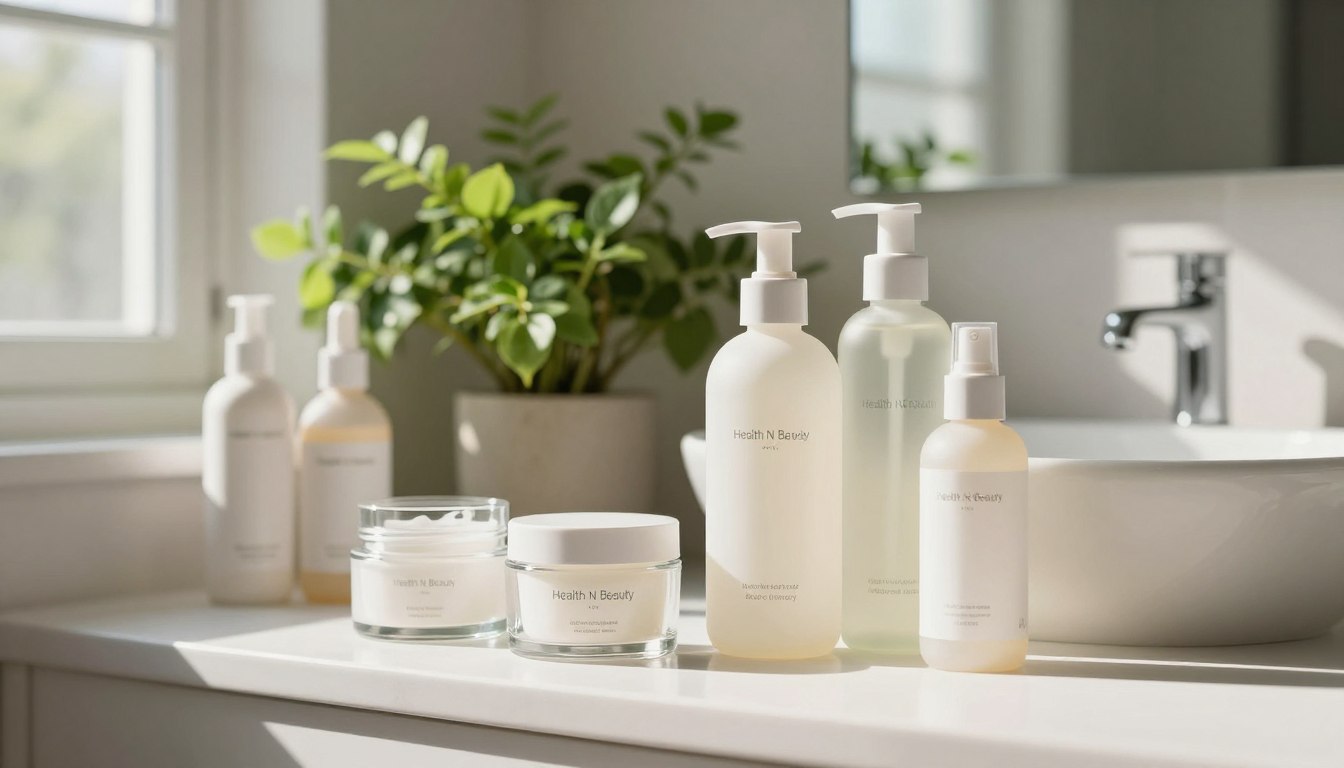
The beauty industry is undergoing a significant transformation, driven by the growing demand for natural beauty products and a more sustainable approach to beauty.
The concept of clean beauty has gained immense popularity, with consumers increasingly seeking products that are not only effective but also safe for their skin and the environment.
As a result, the clean beauty industry is experiencing rapid growth, with several key trends emerging.
Key Takeaways
- Understanding the concept of clean beauty and its importance
- Identifying the key trends in the clean beauty industry
- Exploring the growing demand for natural beauty products
- Recognizing the role of sustainability in clean beauty
- Discovering the emerging trends in clean beauty
What Is Clean Beauty and Why It Matters
Clean beauty is more than just a trend; it’s a revolution in the beauty industry, driven by consumer demand for transparency and sustainability. As the beauty industry continues to evolve, consumers are increasingly seeking products that are not only effective but also safe for their skin and the environment.
The Definition of Clean Beauty
Clean beauty refers to products that are made with natural and sustainable ingredients, are free from harmful chemicals, and are designed to be eco-friendly. This means that clean beauty products avoid ingredients like parabens, sulfates, and synthetic fragrances, which have raised health concerns among consumers. The focus is on creating products that are not only good for you but also gentle on the planet.
The Rise of Consumer Awareness
The rise of consumer awareness has been a significant driver of the clean beauty movement. Consumers are now more informed than ever about the ingredients in their beauty products and the potential impact on their health and the environment. This awareness has led to a growing demand for eco-friendly cosmetics and green beauty trends, pushing brands to adopt more sustainable practices and transparent labeling.
| Key Ingredients | Traditional Beauty Products | Clean Beauty Products |
|---|---|---|
| Preservatives | Parabens, Formaldehyde | Natural Preservatives, Plant Extracts |
| Surfactants | Sulfates | Coco-Glucoside, Decyl Glucoside |
| Fragrances | Synthetic Fragrances | Essential Oils |
The Evolution of Clean Beauty Trends
Clean beauty trends have evolved dramatically, shifting from a niche market to a mainstream phenomenon. This shift is not just a change in consumer preferences but a significant movement in the beauty industry.
From Niche to Mainstream
The clean beauty movement, once confined to specialty stores and online platforms, has now made its way into major retailers and department stores. Consumers are increasingly demanding products that are not only effective but also safe and sustainable. This demand has driven brands to reformulate their products, eliminating harmful chemicals and embracing natural ingredients.

Key Market Growth Indicators
The growth of the clean beauty market is reflected in its sales figures. According to industry reports, the clean beauty sector has seen a significant increase in sales, with some segments experiencing growth rates of over 10% annually. Major beauty retailers are now dedicating larger sections of their stores to clean beauty products, further indicating the market’s potential. As noted by a beauty industry expert, “The clean beauty movement is not just a trend; it’s a fundamental shift in how consumers think about beauty and wellness.”
“The clean beauty movement is redefining the beauty industry, pushing brands to be more transparent and responsible.”
The clean beauty industry’s evolution signifies a broader change in consumer behavior, with a growing emphasis on health, sustainability, and transparency. As the industry continues to grow, it is likely that clean beauty will become an even more integral part of the beauty landscape.
Plant-Based Formulations Leading the Way
The clean beauty industry is witnessing a significant shift towards plant-based formulations, driven by consumer demand for eco-friendly cosmetics and sustainable beauty products. Brands are now focusing on creating effective, green beauty trends that not only benefit the consumer but also the environment.
Plant-based ingredients are being used to develop a wide range of beauty products, from skincare to haircare. Companies like Lush and Burt’s Bees are at the forefront of this trend, incorporating natural ingredients into their products. Their commitment to sustainable beauty practices is setting a new standard in the industry.
The benefits of plant-based formulations are numerous. They offer a more sustainable alternative to traditional beauty products, reducing the environmental impact of the beauty industry. Additionally, plant-based products are often gentler on the skin, making them an attractive option for consumers with sensitive skin.
As the demand for eco-friendly cosmetics continues to grow, it is likely that plant-based formulations will play an increasingly important role in shaping the future of the beauty industry.
FAQ
What is clean beauty, and how does it differ from traditional beauty products?
Clean beauty refers to products that are made with natural, sustainable ingredients and are free from harsh chemicals, toxins, and artificial fragrances. Unlike traditional beauty products, clean beauty products prioritize the health and well-being of both the consumer and the environment.
Are clean beauty products effective?
Yes, many clean beauty products are just as effective as their traditional counterparts. Brands like Drunk Elephant and The Ordinary have developed products that not only meet but exceed consumer expectations, using natural ingredients like plant extracts and essential oils.
How do I identify clean beauty products?
Look for certifications like EWG Verified or Leaping Bunny, which ensure that products meet certain standards for safety, sustainability, and cruelty-free testing. You can also check the ingredient list for natural and organic ingredients.
Are clean beauty products more expensive?
While some clean beauty products may be pricier, many affordable options are available, such as Burt’s Bees and Garnier. The price difference is often due to the higher quality of ingredients used.
Can clean beauty products be used on sensitive skin?
Yes, many clean beauty products are designed for sensitive skin. Brands like La Roche-Posay and Vanicream offer gentle, effective products that are free from common irritants and allergens.
How do clean beauty brands contribute to sustainability?
Clean beauty brands often prioritize sustainable practices, such as using eco-friendly packaging, sourcing ingredients from environmentally responsible suppliers, and reducing waste. Brands like Lush and RMS Beauty are known for their commitment to sustainability.
Can I find clean beauty products at my local retailers?
Yes, many retailers now carry clean beauty products. Sephora and Ulta have dedicated clean beauty sections, making it easier to find products that meet your standards.