
Having smooth, soft lips is not just a matter of aesthetics; it’s also a sign of good health. Our lips are sensitive and need regular care to stay healthy and look their best. A good lip care routine can make all the difference, protecting your lips from dryness and damage.
By incorporating simple hacks into your daily routine, you can achieve the soft, smooth lips you’ve always wanted. This article will explore some effective lip care tips to help you get started on your journey to healthier, more beautiful lips.
Key Takeaways
- Understand the importance of a lip care routine
- Discover simple hacks for achieving smooth, soft lips
- Learn effective lip care tips to incorporate into your daily routine
- Explore the benefits of having healthy, well-cared-for lips
- Start your journey to beautiful lips with our expert advice
Understanding Your Lips: Anatomy and Why They Need Special Care
The anatomy of our lips plays a crucial role in determining the right care for them. Lips are a unique part of our body, serving as a boundary between the inside and the outside. They are made of a thin, sensitive skin that is more prone to dryness and damage compared to other parts of our body.
The Unique Structure of Lip Skin
The skin on our lips is different from the rest of our skin because it lacks certain protective layers. It has fewer layers of skin and lacks sebaceous glands, which produce oil to keep the skin moisturized. This makes lip skin more susceptible to dryness and chapping, especially in harsh weather conditions.
Moreover, the lip skin is rich in nerve endings, making it highly sensitive to temperature, touch, and chemicals. This sensitivity is why we often feel discomfort or pain when our lips are dry or chapped.
Common Lip Problems and Their Root Causes
Dry, chapped lips are among the most common lip problems people face. The root causes can vary, including cold weather, wind, dry air, and excessive licking of the lips. When we lick our lips, the saliva evaporates quickly, leaving our lips drier than before.
Other factors contributing to lip problems include certain medications, nutritional deficiencies, and habits like smoking. Understanding these causes is crucial for adopting the right lip care strategies to prevent and treat lip issues.
Lip Care Tips for Soft Lips
The quest for soft, luscious lips begins with a simple yet effective daily lip care routine. Soft lips are not just aesthetically pleasing; they are also an indicator of overall lip health. A consistent routine helps maintain the delicate balance of moisture and protection that lips need.
Creating an Effective Daily Lip Care Routine
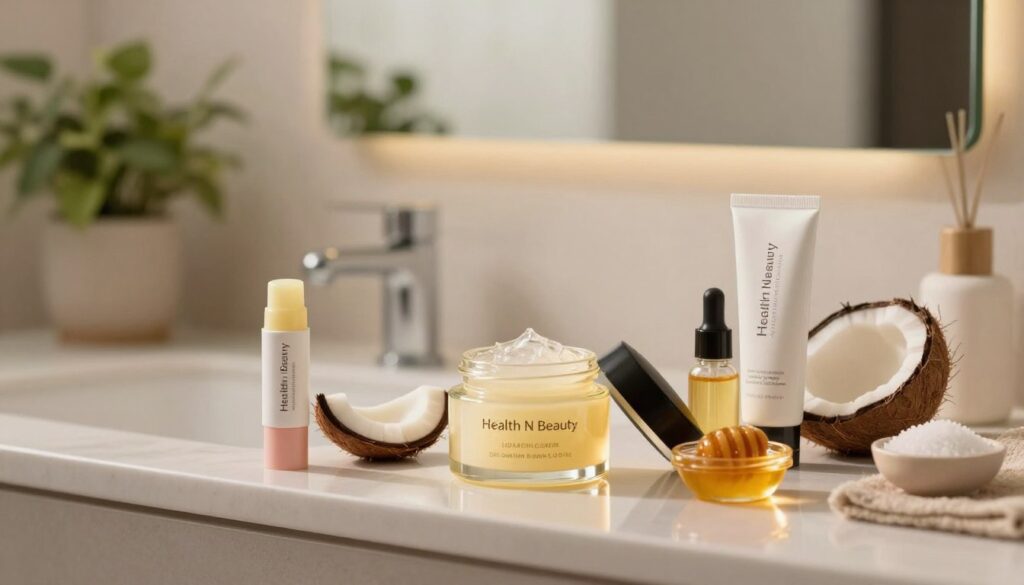
A daily lip care routine is crucial for maintaining soft, healthy lips. Start by gently exfoliating your lips once or twice a week to remove dead skin cells. Use a lip scrub made from natural ingredients like sugar or salt mixed with a bit of olive or coconut oil. Follow this with a hydrating lip balm that contains ingredients like hyaluronic acid, beeswax, or vitamin E. Apply lip balm throughout the day, especially before going outdoors or to bed.
Some key elements to include in your daily routine are:
- Protection from the sun with SPF
- Moisturizing ingredients to lock in hydration
- Gentle exfoliation to remove dead skin cells
Nighttime Lip Repair Rituals
Nighttime is an ideal moment for a more intensive lip repair ritual. Apply a thick layer of lip mask or overnight lip treatment that contains nourishing ingredients like shea butter, coconut oil, or honey. These products help repair and rejuvenate your lips while you sleep, leaving them soft and smooth by morning.
For an enhanced nighttime ritual, consider:
- Using a lip mask once or twice a week for an intense dose of hydration
- Massaging your lips gently with a nourishing oil to stimulate blood flow
- Avoiding licking your lips, as saliva can dry them out further
By combining a daily lip care routine with a nighttime repair ritual, you can achieve and maintain soft, healthy lips.
Hydration: The Foundation of Healthy, Smooth Lips
Achieving smooth, healthy lips starts with understanding the crucial role of hydration. Lips are more prone to dryness than other parts of the body because they have a thinner layer of skin and fewer oil glands. Proper hydration is essential to maintain their health and appearance.
Internal Hydration Strategies
Drinking enough water and consuming hydrating foods are crucial for maintaining lip health from the inside out. Internal hydration helps to keep your lips moist and supple.
Water Intake Guidelines for Lip Health
The general recommendation is to drink at least eight glasses of water a day. However, individual needs may vary based on activity level, climate, and overall health.
Hydrating Foods That Benefit Your Lips
Incorporating foods with high water content, such as watermelon, cucumbers, and celery, into your diet can contribute to your overall hydration and support lip health.
External Moisturizing Techniques
In addition to internal hydration, applying moisturizing products externally is vital. Using a lip balm or lip moisturizer that contains natural ingredients like beeswax, coconut oil, or shea butter can help lock in moisture.
| Moisturizing Technique | Benefits | Recommended Products |
|---|---|---|
| Applying Lip Balm | Locks in moisture, protects from wind and cold weather | Beeswax lip balm, coconut oil lip balm |
| Using Lip Masks | Intensive hydration, repairs dry lips | Hyaluronic acid lip mask, honey lip mask |
| Exfoliating Lips | Removes dead skin cells, improves texture | Sugar lip scrub, lip exfoliating gloves |
By combining internal hydration strategies with external moisturizing techniques, you can achieve and maintain healthy, smooth lips.
DIY Lip Scrubs and Exfoliation Methods
Lip exfoliation is a simple yet powerful technique for achieving soft, kissable lips. Exfoliating your lips removes dead skin cells, helping to maintain smooth and healthy lips. This process not only improves the appearance of your lips but also enhances the effectiveness of your lip care products.
Homemade Lip Scrub Recipes
Creating your own lip scrubs at home is easy and allows you to customize ingredients based on your preferences and needs. Here are a couple of simple recipes to get you started.
Sugar-Based Exfoliants
Sugar is a gentle and effective exfoliant for lips. To make a sugar-based lip scrub, mix 1 tablespoon of sugar with 1 tablespoon of coconut oil and a few drops of vanilla extract. The sugar helps remove dead skin cells, while the coconut oil moisturizes and nourishes your lips.
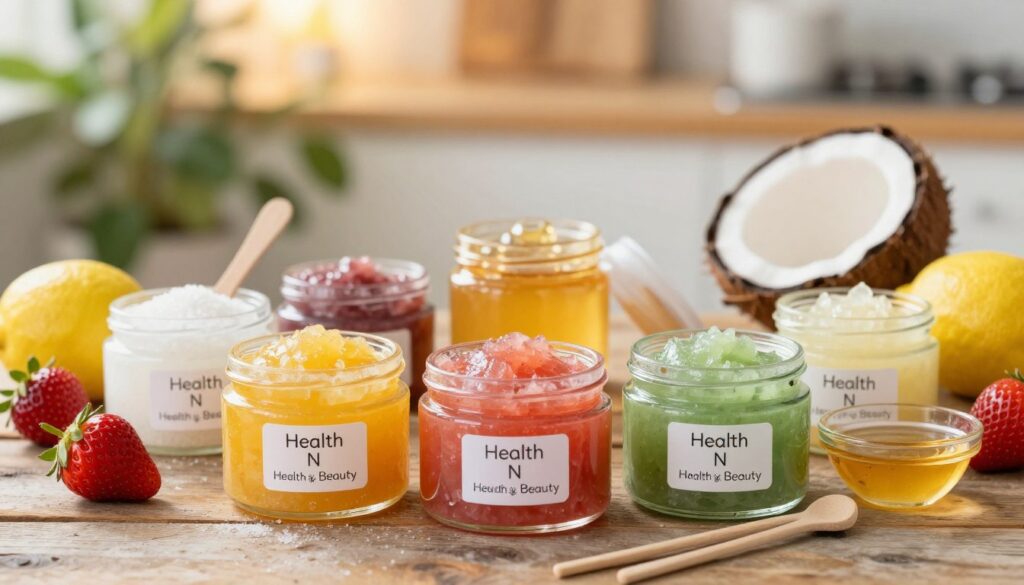
Honey is known for its antibacterial properties and moisturizing benefits, making it an excellent ingredient for lip care. Combine 1 tablespoon of honey with 1 tablespoon of olive oil and a pinch of salt for a nourishing lip scrub. The honey and olive oil work together to hydrate and protect your lips.
Proper Exfoliation Techniques to Prevent Damage
While exfoliating your lips is beneficial, it’s crucial to do so gently to avoid causing damage. Use a gentle circular motion with your finger to apply the lip scrub, and rinse with warm water. Avoid using harsh or abrasive materials that can irritate your lips.
| Exfoliant | Moisturizer | Benefits |
|---|---|---|
| Sugar | Coconut Oil | Gently removes dead skin cells, moisturizes |
| Salt | Olive Oil | Exfoliates, hydrates, and protects |
| Coffee Grounds | Honey | Stimulates blood flow, moisturizes, and soothes |
By incorporating these DIY lip scrubs into your lip care routine, you can enjoy smoother, healthier lips. Remember to exfoliate gently and not too frequently to prevent irritation.
Natural Remedies for Chapped and Dry Lips
Nature has provided us with an array of natural ingredients to heal and nourish dry, chapped lips. Instead of reaching for commercial lip balms that may contain harsh chemicals, consider using natural remedies that are both effective and gentle.
Kitchen Ingredients That Heal and Nourish Lips
Your kitchen is likely stocked with ingredients that can help soothe and heal dry lips. Some of the most effective kitchen ingredients include:
- Honey: Known for its antibacterial properties and moisturizing capabilities, honey is a great natural lip balm.
- Coconut Oil: Rich in fatty acids, coconut oil helps to lock in moisture and protect lips from dryness.
- Sugar: Used as a natural exfoliant, sugar helps remove dead skin cells, revealing smoother lips.
To use these ingredients, you can create a simple lip scrub by mixing sugar with coconut oil or honey. Gently massage the mixture onto your lips and rinse with warm water.
Plant-Based Solutions and Essential Oils for Lip Care
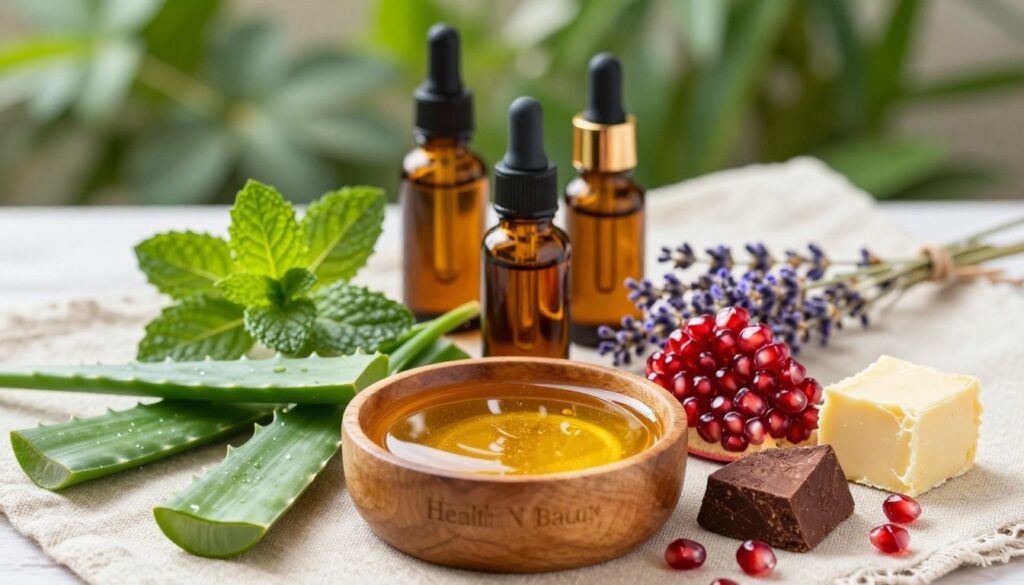
In addition to kitchen ingredients, various plant-based solutions and essential oils can provide relief for dry, chapped lips. Some beneficial options include:
- Aloe Vera: Known for its soothing properties, aloe vera can help calm irritated lips.
- Shea Butter: A rich emollient, shea butter provides long-lasting hydration and protection.
- Lavender Essential Oil: With its calming and anti-inflammatory properties, lavender oil can help soothe dry, chapped lips.
When using essential oils, it’s crucial to dilute them with a carrier oil to avoid irritation. A few drops of lavender essential oil mixed with coconut oil or shea butter can create a nourishing lip balm.
By incorporating these natural remedies into your lip care routine, you can achieve softer, healthier lips without exposing them to harsh chemicals.
Choosing the Right Lip Care Products
Navigating the world of lip care products requires knowledge of what makes a product effective and safe for use. With the vast array of lip balms, lip scrubs, and lip masks available, understanding the key ingredients and their benefits is crucial for making informed decisions.
Beneficial Ingredients to Look For in Lip Balms
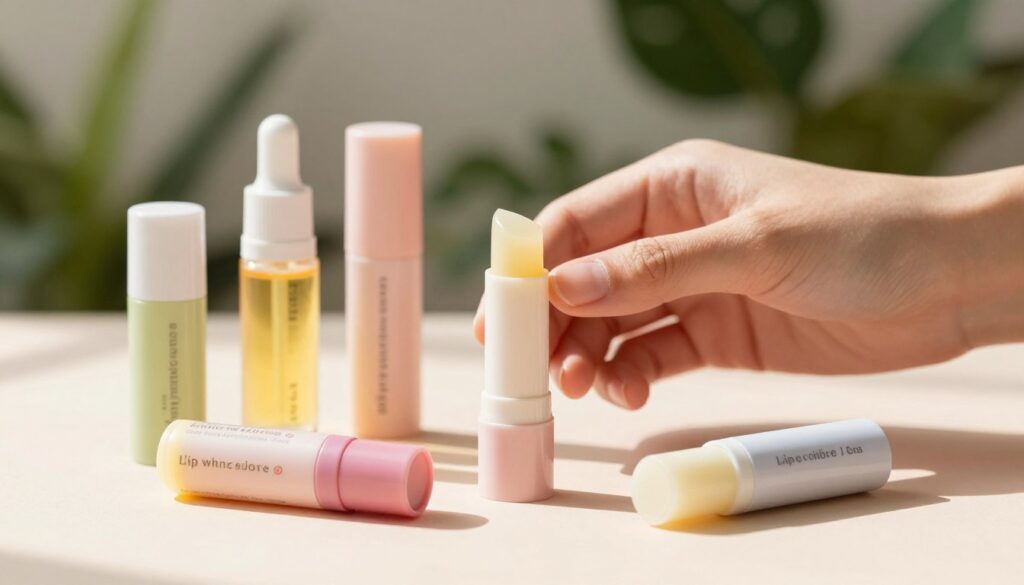
When selecting a lip balm, it’s essential to look for ingredients that provide hydration, protection, and nourishment. Natural ingredients such as beeswax, coconut oil, and shea butter are excellent for locking in moisture and protecting lips from environmental stressors. Additionally, ingredients like vitamin E and hyaluronic acid help in repairing and retaining moisture in the lips.
Some lip balms also contain SPF, which is crucial for protecting lips from UV damage. Antioxidants play a significant role in combating free radicals that can cause lip damage. When choosing a lip balm, consider products that balance these beneficial ingredients.
Harmful Ingredients to Avoid in Lip Products
Just as important as knowing what to look for is understanding what to avoid. Certain ingredients in lip care products can do more harm than good. For instance, products containing harsh chemicals like camphor, phenol, and artificial fragrances can dry out lips or cause irritation. Similarly, some lip products may contain parabens or other preservatives that have raised health concerns.
It’s also wise to be cautious of products with excessive fragrances or dyes, as these can irritate the lips. Reading the ingredient label carefully and opting for products with simpler, more natural ingredient lists can help avoid these issues.
Seasonal Lip Care: Protecting Lips Year-Round
Protecting your lips year-round involves understanding how different seasons affect their health and taking appropriate measures. Lips are sensitive to environmental changes, and adapting your lip care routine to the season can help maintain their health and smoothness.
Winter Lip Protection Strategies
During winter, cold winds and dry air can strip lips of their natural moisture. To combat this, use a rich, hydrating lip balm that contains ingredients like beeswax, coconut oil, or shea butter. Applying a lip mask or lip scrub before bed can also help lock in moisture.
Key Winter Lip Care Tips:
- Use a humidifier to add moisture back into the air.
- Avoid licking your lips, as saliva can dry them out further.
- Exfoliate gently to remove dead skin cells.
Summer Sun and Heat Lip Care
In the summer, lips need protection from the sun’s UV rays. Look for lip balms or lipsticks with SPF to prevent sunburn and discoloration. Staying hydrated is also crucial, as dehydration can lead to dry, chapped lips.
Summer Lip Care Essentials:
- Apply lip balm with SPF regularly.
- Wear a hat or use an umbrella for extra protection.
- Stay hydrated by drinking plenty of water.
Spring and Fall Transition Tips
During the spring and fall, the weather can be unpredictable, making lip care a bit challenging. Use a versatile lip balm that can adapt to changing conditions. In the spring, consider using products with antioxidants to combat pollution, while in the fall, focus on moisturizing to prepare for the dry winter ahead.
| Season | Lip Care Focus | Recommended Products |
|---|---|---|
| Winter | Moisturizing and Protection | Rich lip balms, lip masks |
| Summer | Sun Protection and Hydration | Lip balms with SPF, hydrating lip products |
| Spring/Fall | Adaptability and Antioxidants | Versatile lip balms, antioxidant-rich products |
Advanced Treatments for Severely Damaged Lips
Severely damaged lips require more than just basic care; they need advanced treatment options. When lips are extremely dry, chapped, or cracked, it’s essential to consider more intensive care strategies to restore their health and appearance.
Overnight Intensive Treatments
Overnight treatments can provide an intense dose of moisture and repair to damaged lips. Using a lip mask or a thick layer of a nourishing lip balm before bed can help lock in moisture. Ingredients such as hyaluronic acid, shea butter, and coconut oil are particularly beneficial for their moisturizing properties.
Some effective overnight treatments include:
- Applying a lip balm containing beeswax to protect and lock in moisture.
- Using a lip mask that is rich in emollients and natural oils.
- Exfoliating gently before applying an overnight treatment to enhance penetration.
| Product Type | Key Ingredients | Benefits |
|---|---|---|
| Lip Balms | Beeswax, Coconut Oil | Protects, Moisturizes |
| Lip Masks | Hyaluronic Acid, Shea Butter | Repairs, Nourishes |
When to Consult a Dermatologist
If your lip problems persist despite trying various treatments, it may be time to consult a dermatologist. Signs that you need professional help include persistent cracking, bleeding, or discoloration of the lips. A dermatologist can provide personalized advice and treatment, including prescription creams or other interventions tailored to your specific condition.
Common reasons to see a dermatologist include:
- Persistent or severe lip dryness and cracking.
- Lip discoloration or unusual changes.
- No improvement with over-the-counter treatments.
By understanding when to seek professional help, you can take a proactive approach to restoring the health of your lips.
Your Path to Permanently Soft Lips: Habits That Make a Difference
Achieving soft lips is not just about using the right products; it’s about adopting consistent lip care habits. By understanding your lips’ unique needs and incorporating simple, effective routines, you can enjoy smooth, healthy lips year-round.
Developing a daily lip care routine that includes gentle exfoliation, moisturizing, and protection can make a significant difference. Using natural remedies and choosing products with beneficial ingredients can also contribute to your lip care success.
Permanent lip care solutions involve more than just topical treatments; they require a commitment to internal hydration and protection from environmental stressors. By combining these strategies, you can achieve the soft, smooth lips you’ve always wanted.
Embracing these habits will not only improve the appearance of your lips but also enhance their overall health. With consistent care and attention, you can enjoy the benefits of soft, healthy lips that feel great and look beautiful.
FAQ
What are the most common causes of dry, chapped lips?
Dry, chapped lips can be caused by a variety of factors, including cold weather, dry air, harsh lip products, and certain medical conditions. Lip dryness can also be a result of excessive licking, smoking, or exposure to wind and sun.
How often should I exfoliate my lips?
It’s recommended to exfoliate your lips gently once or twice a week, depending on your lip condition. Over-exfoliating can lead to irritation and dryness, so it’s essential to be gentle and use a suitable lip scrub.
What ingredients should I look for in a lip balm or lip care product?
Look for lip care products containing natural ingredients like beeswax, coconut oil, shea butter, and vitamin E. These ingredients help to moisturize, nourish, and protect your lips. Avoid products with harsh chemicals, artificial fragrances, or dyes.
Can I use a lip scrub on sensitive lips?
Yes, but choose a gentle lip scrub specifically designed for sensitive lips. Avoid using harsh or abrasive ingredients that can irritate or damage your lips. Instead, opt for a scrub containing soothing ingredients like honey or aloe vera.
How can I protect my lips from the sun?
Use a lip balm or lip product with SPF to protect your lips from the sun’s UV rays. Reapply regularly, especially during peak sun hours or when spending time outdoors. You can also wear a hat or seek shade to reduce sun exposure.
Are there any natural remedies for dry, chapped lips?
Yes, several natural remedies can help soothe and moisturize dry, chapped lips. Try applying coconut oil, honey, or aloe vera gel to your lips. You can also use a lip balm containing natural ingredients like beeswax or shea butter.
How can I keep my lips hydrated during the winter months?
To keep your lips hydrated during winter, use a humidifier to add moisture to the air, and apply a rich lip balm or lip moisturizer regularly. Avoid licking your lips, as saliva can dry out your lips further.
Can lip care products expire or go bad?
Yes, lip care products can expire or go bad if not stored properly. Check the expiration date or the product’s texture, smell, and appearance. If you notice any changes or signs of spoilage, it’s best to discard the product and replace it with a new one.