
The beauty and self-care industry is undergoing a significant transformation, driven by the need for inclusivity across diverse sexualities and genders.
As society becomes more accepting and aware of the importance of catering to all individuals, regardless of their sexual orientation or gender identity, businesses are adapting to meet these diverse needs.
LGBTQ+ beauty is no longer a niche market but a vital part of the industry, pushing brands to be more innovative and responsive to the needs of all consumers.
Key Takeaways
- The beauty industry is evolving to be more inclusive.
- Diversity in self-care products is on the rise.
- LGBTQ+ individuals are driving change in beauty trends.
- Brands are becoming more responsive to diverse consumer needs.
- Inclusivity is key to the future of beauty and self-care.
The Evolution of Beauty Standards and Self-Care Practices
The concept of beauty has been in a state of flux, influenced by historical, cultural, and social factors. Beauty standards have not only reflected the societal norms of their time but have also played a significant role in shaping cultural attitudes towards identity and self-expression.
Historical Perspectives on Beauty Across Cultures
Beauty practices and standards have varied significantly across different cultures and historical periods. For instance, in ancient civilizations, beauty was often associated with status, spirituality, and cultural identity. Traditional practices and rituals were used to enhance beauty, with methods ranging from the use of natural ingredients to elaborate rituals.
How Traditional Gender Norms Shaped Beauty Practices
Traditional gender norms have had a profound impact on beauty practices, with different expectations for men and women. These norms have influenced not only the types of beauty products used but also the ways in which individuals presented themselves to the world. Gender-specific beauty standards have been used to reinforce societal expectations around masculinity and femininity.
The Shift Towards More Inclusive Definitions of Beauty
In recent years, there has been a significant shift towards more inclusive definitions of beauty, driven in part by the inclusive beauty movement. This movement has sought to challenge traditional beauty standards and promote a more diverse and accepting understanding of beauty.
Key Milestones in the Inclusive Beauty Movement
Several key milestones have marked the inclusive beauty movement, including the increased representation of diverse models in advertising, the expansion of product lines to cater to a broader range of skin tones and types, and the growing recognition of non-binary and transgender identities within the beauty industry. These developments have contributed to a more inclusive and diverse beauty landscape.
Understanding Inclusive Beauty and Self-Care Across Genders and Sexualities
Inclusive beauty and self-care are not just trends, but essential components of a more compassionate and understanding world. As we delve into the concept of inclusivity in beauty and wellness, it’s crucial to understand its multifaceted nature.
Defining Inclusivity in Beauty and Wellness
Inclusive beauty encompasses a broad spectrum of skin tones, hair textures, and gender expressions. It’s about creating products and experiences that cater to diverse needs, ensuring everyone feels seen and valued.
Beyond Marketing: What True Inclusivity Looks Like
True inclusivity goes beyond marketing campaigns; it’s about genuine representation and actionable change. Brands must listen to and amplify the voices of underrepresented communities, incorporating their feedback into product development and brand messaging.
The Importance of Representation in Self-Care
Representation in self-care is vital for promoting positive self-image and wellness. When individuals see themselves reflected in beauty campaigns and product lines, they feel acknowledged and empowered.
How Representation Impacts Self-Image and Wellness
Positive representation can significantly enhance an individual’s self-esteem and overall well-being. Conversely, a lack of representation can lead to feelings of isolation and low self-worth. Thus, it’s essential for brands to prioritize diverse representation in their marketing and product development strategies.
By embracing true inclusivity and promoting representation in self-care, we can foster a more accepting and compassionate society. This not only benefits individuals but also enriches the beauty and wellness industry as a whole.
Unique Beauty and Self-Care Needs Across the LGBTQ+ Spectrum
Understanding the beauty needs of LGBTQ+ individuals requires a nuanced approach that acknowledges the diversity within the community. The LGBTQ+ spectrum encompasses a wide range of identities, each with its own set of beauty and self-care requirements.
Transgender and Non-Binary Specific Considerations
Transgender and non-binary individuals often face unique challenges in the beauty and self-care world. Their needs may differ significantly from those of cisgender individuals, requiring specialized products and approaches.
Affirming Skincare and Makeup Approaches
Affirming skincare and makeup can play a crucial role in the self-care routines of transgender and non-binary individuals. Products that are gentle and suitable for sensitive skin are particularly valuable. Makeup techniques that help individuals align their appearance with their gender identity can also be empowering.
Lesbian, Gay, and Bisexual Beauty Perspectives
Lesbian, gay, and bisexual individuals also have distinct beauty needs and preferences. These can be influenced by cultural factors, personal style, and the desire to express their identity through their appearance.
Challenging Stereotypes Through Personal Expression
Personal expression is a powerful tool for challenging stereotypes and asserting one’s identity. For lesbian, gay, and bisexual individuals, this can involve experimenting with different beauty styles and products that reflect their personality and aesthetic.
Intersectionality in Beauty and Self-Care
Intersectionality is crucial when considering beauty and self-care needs across the LGBTQ+ spectrum. Factors such as race, age, and socioeconomic status intersect with sexual orientation and gender identity to create complex and diverse needs.
| Identity | Beauty Needs | Self-Care Considerations |
|---|---|---|
| Transgender | Hormone-friendly products, affirming makeup | Mental health support, inclusive skincare |
| Non-Binary | Androgynous fashion, versatile makeup | Emotional well-being, personalized self-care routines |
| Lesbian, Gay, Bisexual | Diverse beauty styles, identity-affirming products | Community support, self-acceptance practices |
By understanding and addressing these diverse needs, the beauty and self-care industry can better serve the LGBTQ+ community, promoting inclusivity and empowerment.
Breaking Gender Barriers in Skincare and Cosmetics
Gender barriers in skincare and cosmetics are being broken, paving the way for a more inclusive beauty industry. This shift is driven by consumer demand for products that cater to diverse skin types and concerns, regardless of gender.
The Rise of Gender-Neutral Beauty Products
The beauty industry is witnessing a significant rise in gender-neutral beauty products. These products are formulated to work for all skin types and concerns, making them accessible to a broader audience.
Formulations That Work for All Skin Types and Concerns
Gender-neutral beauty products focus on addressing specific skin concerns such as acne, dryness, and sensitivity. For instance:
- Products with hyaluronic acid and ceramides help retain moisture and support the skin’s barrier function.
- Formulations containing salicylic acid and tea tree oil are effective in controlling acne and reducing inflammation.
Brands Leading the Way in Gender-Inclusive Beauty
Several brands are at the forefront of the gender-inclusive beauty movement. These brands are innovating in packaging, marketing, and product development to cater to a diverse customer base.
Packaging, Marketing, and Product Development Innovations
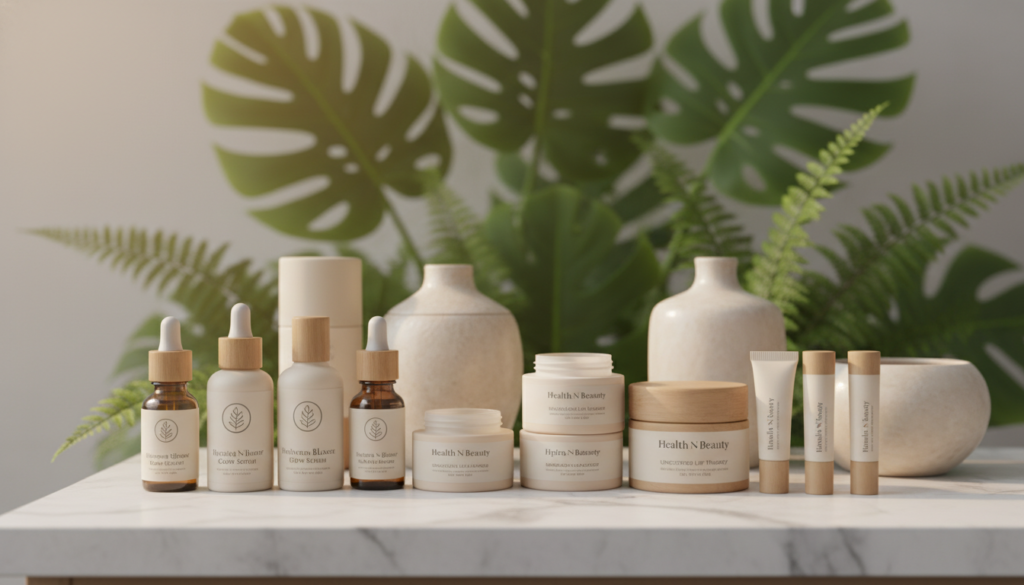
Brands are adopting inclusive packaging by using neutral colors and simple designs. Marketing strategies are also becoming more inclusive, featuring diverse models and narratives. Product development is focusing on creating multi-use products that simplify skincare routines.
Some notable brands include:
- Brand A, known for its gender-neutral packaging and effective skincare products.
- Brand B, which offers a range of products catering to different skin types and concerns.
DIY Beauty Solutions for Personalized Care
DIY beauty solutions offer a personalized approach to skincare and cosmetics. By using natural ingredients, individuals can create products tailored to their specific skin needs.
Some simple DIY beauty recipes include:
- Face masks made with honey and avocado for moisturizing.
- Exfoliating scrubs using sugar and coconut oil.
By embracing DIY beauty solutions, individuals can take control of their skincare routines and make informed choices about the products they use.
Mental Health and Emotional Self-Care for Diverse Identities
The intersection of identity and mental wellness is a critical area of focus for promoting overall well-being among diverse populations. For individuals within the LGBTQ+ community, mental health challenges can be compounded by societal pressures, discrimination, and a lack of tailored support resources.
The Intersection of Identity and Mental Wellness
Understanding the complex relationship between identity and mental health is crucial. The LGBTQ+ community faces unique stressors, including stigma and marginalization, which can impact mental health. As noted by a prominent mental health advocate,
“The affirmation of one’s identity is a critical step in the journey towards mental wellness.”
Addressing Beauty Standards and Body Image
Beauty standards and body image issues can significantly affect mental health. The pressure to conform to societal beauty norms can lead to body dissatisfaction and low self-esteem. Mindfulness practices and self-care routines can help individuals develop a more positive body image.
Community-Specific Support Resources
Having access to support resources that understand and cater to the specific needs of the LGBTQ+ community is vital. This includes both digital and in-person wellness communities.
Digital and In-Person Wellness Communities
Digital platforms offer accessible support networks, while in-person communities provide face-to-face interaction. Both are essential for a comprehensive support system. For example, organizations like The Trevor Project offer critical support for LGBTQ+ youth.
Mindfulness Practices Adapted for LGBTQ+ Experiences
Mindfulness can be particularly beneficial for managing stress and promoting mental well-being. Adapted mindfulness practices that acknowledge the unique experiences of LGBTQ+ individuals can enhance their effectiveness.
By embracing inclusive and tailored approaches to mental health and self-care, individuals within the LGBTQ+ community can better navigate the challenges they face. It’s about creating a supportive environment that fosters mental wellness and resilience.
Physical Self-Care Practices Across Gender Expressions
Embracing physical self-care practices that align with one’s gender identity is crucial for overall well-being. This alignment not only enhances physical health but also supports mental and emotional wellness.
Body-Positive Approaches to Fitness and Wellness
Body-positive fitness encourages individuals to engage in physical activities that make them feel good about their bodies, regardless of their shape, size, or gender expression. This approach helps in fostering a positive body image.
Finding Affirming Exercise Environments
Finding an exercise environment that is affirming and supportive is crucial. This could mean seeking out gyms or fitness classes that are LGBTQ+ friendly or that cater specifically to the needs of transgender and non-binary individuals.
Adapting Self-Care Routines to Individual Needs
Self-care is not a one-size-fits-all practice. It requires adapting routines to meet individual needs, especially for those whose gender expression may not align with traditional norms.
Customizing Practices for Gender-Affirming Care
Customizing self-care practices to be gender-affirming involves understanding the specific needs of an individual based on their gender identity. This could include practices that help in affirming one’s gender, such as specific grooming practices or physical activities that feel aligning.
Nutrition and Holistic Wellness Considerations
Nutrition plays a vital role in physical self-care. A balanced diet that meets an individual’s nutritional needs is essential for maintaining overall health. Additionally, holistic wellness practices such as mindfulness and meditation can support mental and emotional well-being.
Creating Safe and Affirming Beauty Spaces
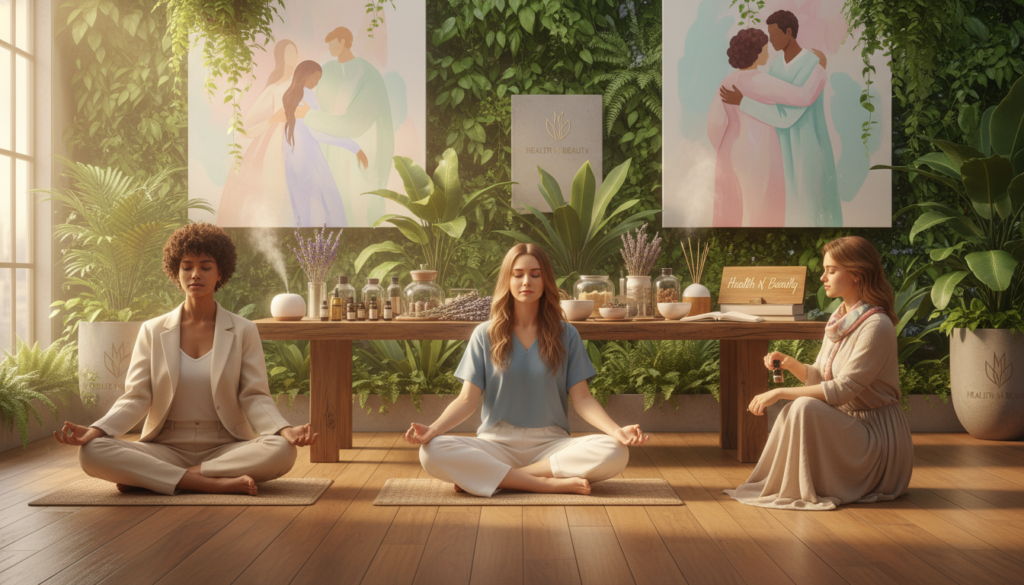
The need for LGBTQ+ friendly beauty spaces has never been more pressing, as these environments play a significant role in promoting self-care and acceptance. As the beauty industry continues to evolve, it’s crucial to create spaces where everyone feels welcome and valued.
LGBTQ+ Friendly Salons and Spas
LGBTQ+ friendly salons and spas are redefining the beauty experience by providing a safe haven for individuals who often face discrimination or marginalization. These establishments understand the importance of creating an inclusive atmosphere, where clients can feel comfortable being themselves.
What Makes a Beauty Space Truly Inclusive
A truly inclusive beauty space is one that actively works to eliminate barriers and biases. This can involve training staff to be sensitive to the needs of LGBTQ+ clients, using inclusive language, and ensuring that marketing materials reflect diverse identities. As noted by
“The most important thing is to create a space where people feel seen and heard.”
Training Beauty Professionals in Inclusive Practices
Training beauty professionals is a critical step in creating inclusive beauty spaces. This involves educating staff on the specific needs of LGBTQ+ clients, including understanding gender identity and expression. Resources for education and certification are becoming more readily available, enabling beauty professionals to better serve their diverse clientele.
Resources for Education and Certification
Several organizations now offer training programs and certifications for beauty professionals looking to enhance their inclusivity practices. These resources cover a range of topics, from cultural competency to using inclusive language.
Advocating for Inclusive Policies in Beauty Services
Advocacy is key to ensuring that inclusive policies become the norm in the beauty industry. This involves working with businesses to implement practices that respect and celebrate diversity, ultimately creating a more inclusive and welcoming environment for all clients.
The Future of Inclusive Beauty and Self-Care
The future of beauty is not just about products; it’s about creating a culture of inclusivity and acceptance. As we move forward, the industry is witnessing a significant shift towards more personalized and diverse beauty and self-care practices.
Emerging Trends in Inclusive Product Development
The beauty industry is on the cusp of a revolution, driven by emerging trends in inclusive product development. Brands are now focusing on creating products that cater to a wide range of skin types, tones, and needs.
AI and Customization Technologies
One of the key drivers of this trend is the use of AI and customization technologies. These technologies enable brands to offer personalized products tailored to individual skin profiles and preferences.
- Personalized skincare routines based on AI-driven skin analysis
- Customizable makeup shades that match individual skin tones
- Hair care products formulated based on specific hair types and needs
Technology’s Role in Personalizing Beauty Experiences
Technology is playing a pivotal role in personalizing beauty experiences. From virtual try-on capabilities to AI-driven beauty advice, technology is making beauty more accessible and personalized.
“The future of beauty is about using technology to understand and meet the individual needs of consumers,” said a leading beauty industry expert.
Consumer Activism and Industry Accountability
Consumer activism is driving change in the beauty industry, pushing brands to be more inclusive and accountable. Consumers are demanding more diverse product ranges and greater representation in marketing campaigns.
As the industry moves forward, it’s clear that consumer activism and industry accountability will continue to shape the future of inclusive beauty and self-care.
Conclusion: Embracing Beauty in All Its Diverse Forms
The journey towards inclusive beauty and self-care is multifaceted, encompassing a wide range of identities and needs. As we’ve explored, embracing diverse beauty is not just about expanding product lines or marketing campaigns; it’s about creating a culture that values and respects every individual’s expression of beauty.
By understanding and addressing the unique beauty and self-care needs across the LGBTQ+ spectrum, we can work towards a more inclusive industry. This involves breaking down gender barriers in skincare and cosmetics, supporting mental health and emotional self-care for diverse identities, and fostering safe and affirming beauty spaces.
As we look to the future, it’s clear that the path forward involves continued innovation and accountability. Brands like Fenty Beauty and brands committed to inclusive practices are leading the way. By embracing diverse beauty and promoting inclusivity, we can create a beauty industry that truly represents and cares for everyone.
Ultimately, the conclusion of our exploration into inclusive beauty and self-care highlights the importance of ongoing dialogue and action. By working together, we can ensure that the beauty industry continues to evolve in a way that is embracing diverse beauty and committed to inclusive beauty conclusion for all.
FAQ
What is inclusive beauty and self-care?
Inclusive beauty and self-care refer to the practice of catering to diverse needs across genders and sexualities, promoting a culture of acceptance and self-love.
Why is representation important in self-care?
Representation in self-care is crucial as it impacts self-image and overall wellness, allowing individuals to see themselves reflected in the products and services they use.
What are some unique beauty and self-care needs across the LGBTQ+ spectrum?
Individuals across the LGBTQ+ spectrum have diverse needs, including affirming skincare and makeup approaches, challenging stereotypes through personal expression, and intersectional considerations.
How can I find affirming exercise environments?
To find affirming exercise environments, look for spaces that promote body positivity, inclusivity, and acceptance, and consider seeking out LGBTQ+ friendly gyms or studios.
What makes a beauty space truly inclusive?
A beauty space is truly inclusive when it provides a safe and welcoming environment for individuals of all genders and sexualities, with trained professionals who understand and respect diverse needs.
How can I advocate for inclusive policies in beauty services?
To advocate for inclusive policies in beauty services, support businesses that prioritize inclusivity, provide feedback, and demand education and training for beauty professionals on inclusive practices.
What role does technology play in personalizing beauty experiences?
Technology, such as AI and customization technologies, is revolutionizing the beauty industry by allowing for personalized product development and tailored beauty experiences.
Why is consumer activism important in driving inclusivity in the beauty industry?
Consumer activism is crucial in driving inclusivity in the beauty industry as it holds businesses accountable for promoting diversity and representation, and pushes for more inclusive products and services.