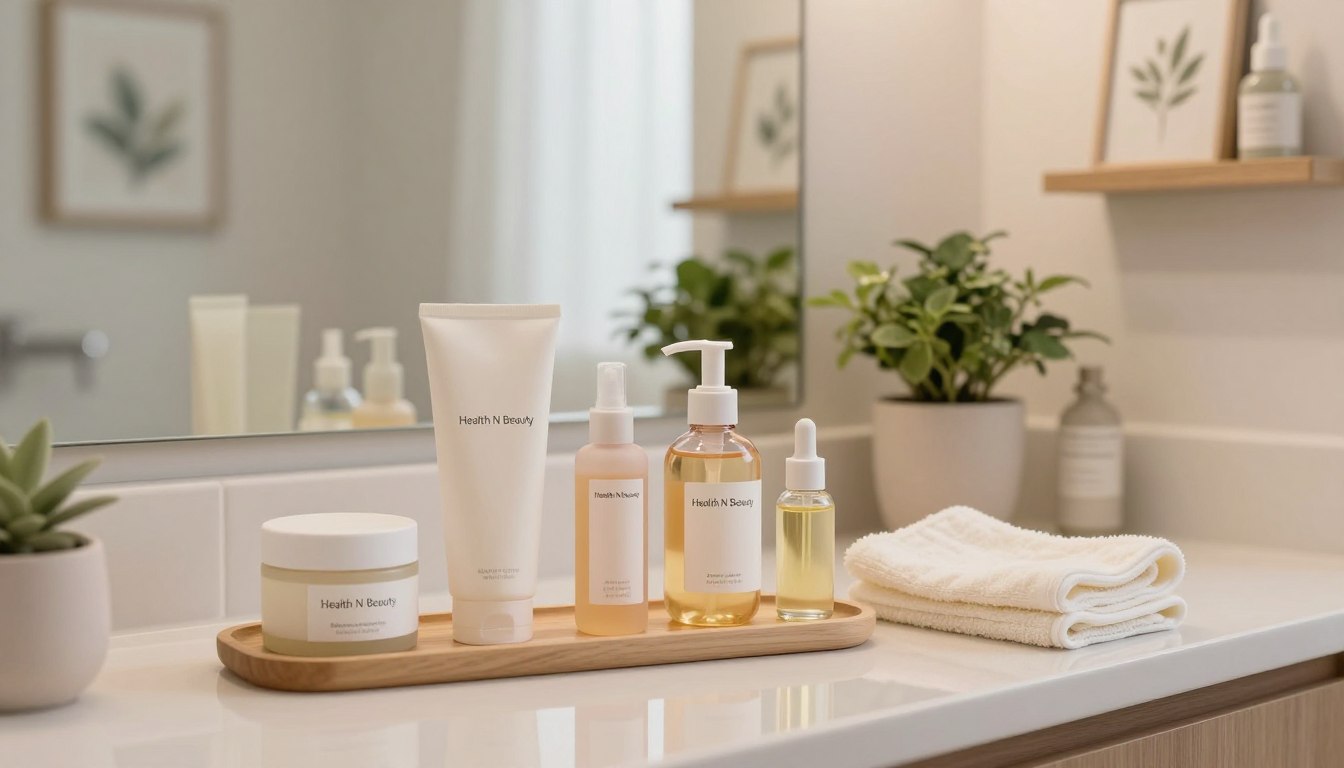
Expecting mothers often wonder what skincare products are safe to use during pregnancy. The concern is valid, as some ingredients in beauty products can be harmful to the developing fetus.
Maintaining a healthy skincare routine is crucial during this period. It’s not just about looking good; it’s about ensuring the health and safety of both mother and baby. Many women find that their skin undergoes significant changes during pregnancy, making it essential to adjust their beauty regimen accordingly.
By following beauty tips during pregnancy, expecting mothers can minimize risks associated with certain products. This article will guide you through the safest practices for your skincare and beauty needs.
Key Takeaways
- Understand the importance of a pregnancy-safe skincare routine.
- Learn how to identify safe products for use during pregnancy.
- Discover simple tips for adapting your beauty routine.
- Find out how to maintain healthy skin throughout pregnancy.
- Get insights into the best practices for expecting mothers.
Understanding Pregnancy-Safe Ingredients | Health & Beauty
Understanding the ingredients in your skincare products is crucial for a healthy pregnancy. During this period, it’s vital to be aware of the chemicals you’re exposing your body to, as some can be harmful to the developing fetus.
Common Ingredients to Avoid
Certain ingredients in skincare products are known to be harmful during pregnancy. Retinoids, derived from vitamin A, are commonly found in anti-aging products and can cause birth defects. Salicylic acid, while generally safe in small amounts, can be risky in high concentrations. Additionally, products containing hydroquinone should be avoided due to potential risks.
Another ingredient to steer clear of is benzoyl peroxide, although it’s considered safe in limited amounts. The concern lies in its potential to cause skin irritation, which can be more pronounced during pregnancy.
Safe Alternatives for Expecting Mothers
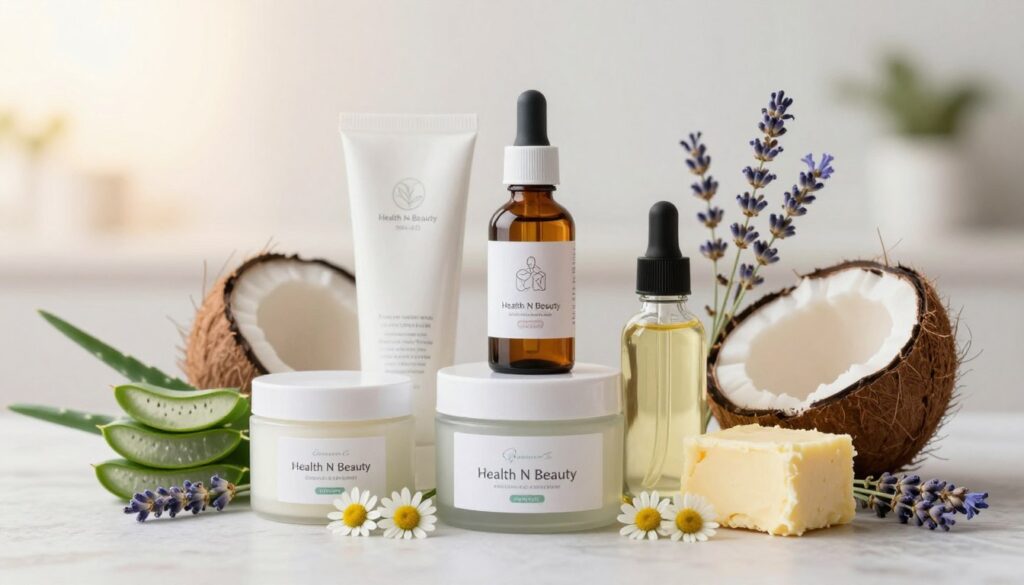
Fortunately, there are numerous safe alternatives for pregnant women. Products with natural ingredients like aloe vera, green tea, and chamomile are not only gentle but also beneficial for the skin. Expectant mothers can also look for products labeled as “pregnancy-safe” or those that are free from harsh chemicals.
For acne treatment, consider using products with glycolic acid in moderation, as it helps exfoliate the skin without the harsh effects of other ingredients. Moreover, maintaining a consistent skincare routine with gentle cleansers and moisturizers can help manage skin health during pregnancy.
Essential Skincare Routine During Pregnancy
Pregnancy brings about numerous changes in the skin, making a safe and effective skincare routine essential. As the body undergoes various transformations, the skin can become more sensitive, dry, or oily. A well-structured skincare routine helps in maintaining the health and appearance of the skin.
Morning Routine Essentials
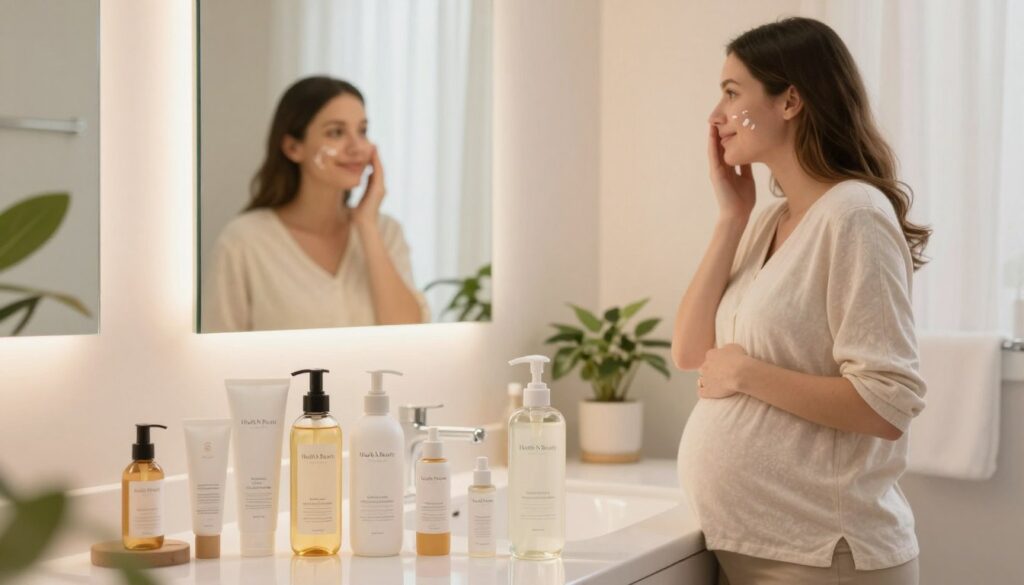
Starting the day with a gentle cleansing routine is vital. Use a mild cleanser that is free from harsh chemicals and artificial fragrances. Following cleansing, apply a pregnancy-safe moisturizer to keep the skin hydrated throughout the day.
Applying a broad-spectrum sunscreen with at least SPF 30 is crucial for protecting the skin from UV damage. Look for sunscreens that are labeled as “non-comedogenic” or “pregnancy-safe.”
Nighttime Skincare Steps
The nighttime routine is an opportunity to provide the skin with extra nourishment. Begin with a gentle cleansing to remove dirt and makeup. Then, apply a toner that balances the skin’s pH.
Next, use a pregnancy-safe serum or treatment product that addresses specific skin concerns such as acne or hyperpigmentation. Finish with a rich moisturizer or night cream to lock in the previous steps’ benefits.
Hydration and Its Importance in Skincare
Proper hydration is essential for healthy skin, particularly during pregnancy when the body undergoes numerous changes. Hydration helps maintain the skin’s elasticity and suppleness, reducing the appearance of fine lines and wrinkles. Moreover, it supports the skin’s natural barrier function, protecting it from environmental stressors.
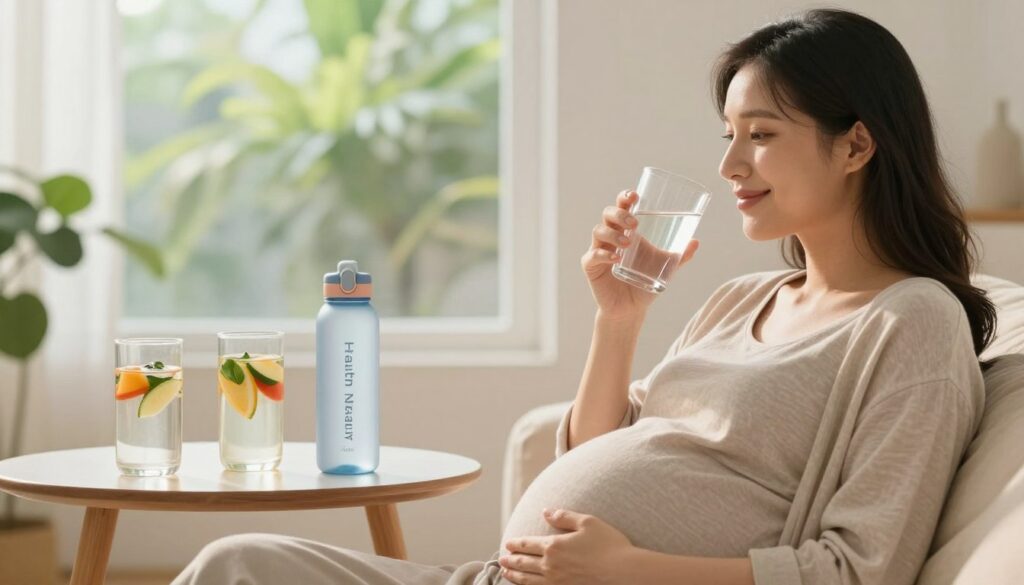
During pregnancy, the skin requires extra care. Using the right moisturizer can make a significant difference in how the skin looks and feels. Moisturizers help lock in moisture, reducing dryness and irritation. When choosing a moisturizer, it’s crucial to select products that are safe for pregnant women.
Best Moisturizers for Pregnant Skin
Expectant mothers should look for moisturizers that are fragrance-free and hypoallergenic to minimize the risk of skin irritation. Ingredients like hyaluronic acid and glycerin are highly beneficial as they attract and retain moisture. Some recommended brands include Cetaphil and Neutrogena, known for their gentle and effective products.
Another critical aspect is the moisturizer’s ability to provide long-lasting hydration. Products containing ceramides can help repair the skin’s barrier, ensuring it stays hydrated and healthy. Always check the ingredient list and look for products that are labeled as safe for use during pregnancy.
How to Stay Hydrated
Staying hydrated involves more than just applying moisturizer; it’s also about drinking plenty of water and consuming hydrating foods. Drinking at least eight glasses of water a day is a good rule of thumb, though individual needs may vary. Incorporating foods with high water content, such as watermelon and cucumbers, into your diet can also contribute to your overall hydration.
In addition to drinking water, maintaining a consistent skincare routine that includes gentle cleansing and moisturizing can help keep the skin hydrated. Avoiding harsh products that strip the skin of its natural oils is also advisable.
Navigating Acne During Pregnancy
Expecting mothers often experience a range of skin changes, with acne being a particularly frustrating issue due to its impact on appearance and comfort. The hormonal fluctuations during pregnancy can lead to increased oil production, sensitivity, and other skin issues. Understanding the causes and finding appropriate treatments are crucial for managing acne effectively.
Causes of Pregnancy-Related Acne
Acne during pregnancy is primarily caused by hormonal changes, particularly the increase in androgens and progesterone. These hormonal fluctuations can stimulate the oil glands, leading to increased sebum production, which can clog pores and cause acne. Additionally, stress and certain products can exacerbate the condition.
Identifying the triggers is the first step in managing pregnancy-related acne. By understanding that hormonal changes are a primary cause, expecting mothers can take proactive steps to mitigate its effects.
Effective Treatments to Consider
When it comes to treating acne during pregnancy, it’s essential to choose safe and gentle products. Ingredients like benzoyl peroxide and salicylic acid are generally considered safe in limited concentrations. However, it’s crucial to consult with a healthcare provider before starting any treatment.
Some effective treatments include gentle cleansers, topical creams, and maintaining good hygiene practices. Expecting mothers should also consider lifestyle changes such as a balanced diet, adequate hydration, and stress management to help control acne.
By understanding the causes and exploring safe treatment options, pregnant women can better navigate the challenges of acne during pregnancy.
Sun Protection for Expecting Mothers
As an expecting mother, protecting your skin from the sun is crucial for your health and the health of your baby. The skin is more sensitive during pregnancy, making sun protection even more vital.
Importance of SPF During Pregnancy
The Sun Protection Factor (SPF) is a measure of how well a sunscreen protects against ultraviolet B (UVB) rays, which are a primary cause of sunburn. During pregnancy, it’s essential to use a broad-spectrum sunscreen with an SPF of 30 or higher to protect against both UVA and UVB rays. This helps prevent sunburn, reduces the risk of skin cancer, and minimizes premature aging of the skin.
Choosing the right SPF can seem daunting, but it’s simpler than you think. For daily use, SPF 30 is usually sufficient. However, if you plan to be outdoors for an extended period, consider using SPF 50 or higher for extra protection.

Best Pregnancy-Safe Sunscreens
When it comes to selecting a sunscreen during pregnancy, it’s crucial to choose products that are safe for you and your baby. Look for sunscreens that are labeled as pregnancy-safe or non-comedogenic, as these are less likely to cause skin irritation.
Some recommended pregnancy-safe sunscreens include those with zinc oxide or titanium dioxide, as these physical sunblocks provide strong protection without being absorbed into the skin. Brands like Badger, Blue Lizard, and Goddess Garden offer sunscreens that are not only effective but also safe for expecting mothers.
Natural Remedies for Skin Changes
During pregnancy, women’s skin undergoes significant changes, and leveraging natural remedies can be highly beneficial. These changes can sometimes be challenging to manage, but there are several natural ingredients and DIY treatments that can offer relief.
Popular Natural Ingredients
Several natural ingredients are known for their beneficial effects on the skin during pregnancy. These include:
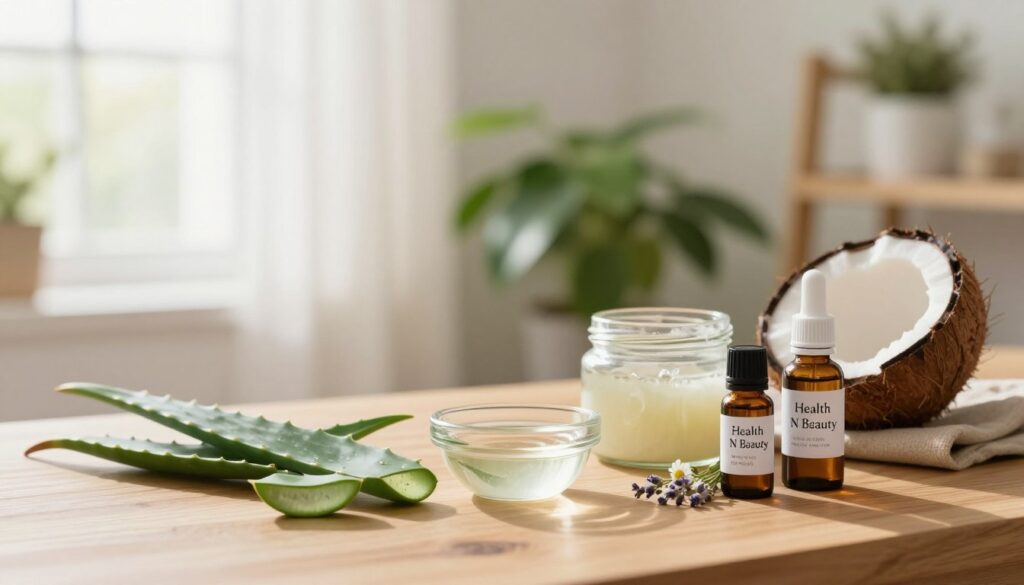
- Coconut Oil: Rich in antioxidants and fatty acids, coconut oil is excellent for hydration and nourishment.
- Aloe Vera: Known for its soothing properties, aloe vera can help calm irritated skin and reduce inflammation.
- Shea Butter: This natural moisturizer is rich in vitamins A and E, making it perfect for keeping the skin hydrated and supple.
These ingredients are not only effective but also safe for use during pregnancy. They can be used individually or combined in various ways to create nourishing skincare products.
DIY Facial Masks to Try
Creating your own facial masks at home can be a fun and effective way to pamper yourself during pregnancy. Here are a few simple recipes to get you started:
- Honey and Yogurt Mask: Mix equal parts honey and yogurt for a soothing and moisturizing mask.
- Avocado and Banana Mask: Mash ripe avocado and banana, then mix until smooth. Apply for 15-20 minutes to nourish and hydrate your skin.
- Oatmeal and Aloe Vera Mask: Combine oatmeal and aloe vera gel to create a calming mask that reduces irritation and inflammation.
These DIY masks are not only easy to make but also use ingredients that are gentle on the skin, making them perfect for pregnant women.
By incorporating these natural remedies into your skincare routine, you can effectively manage common skin changes associated with pregnancy, such as dryness and hyperpigmentation.
Makeup Tips for a Radiant Pregnancy Glow
Enhance your natural beauty with safe and effective makeup tips designed for pregnant women. During pregnancy, it’s essential to choose products that are not only effective but also safe for you and your baby.
Safe Foundation Choices
Selecting a foundation that matches your skin tone is crucial. Opt for foundations labeled as “non-comedogenic” or “oil-free” to avoid clogging pores. Look for products with natural ingredients that are known for their safety during pregnancy.
Some popular foundation brands that are considered safe include:
- Giorgio Armani Maestro Foundation
- Estee Lauder Double Wear Stay-in-Place Makeup
- Laura Mercier Foundation
Must-Have Products for Moms-to-Be
Apart from foundation, there are several other makeup products that can help you achieve a radiant glow. Concealer is a must-have to cover up blemishes and dark circles. Choose a concealer that is one shade lighter than your foundation.
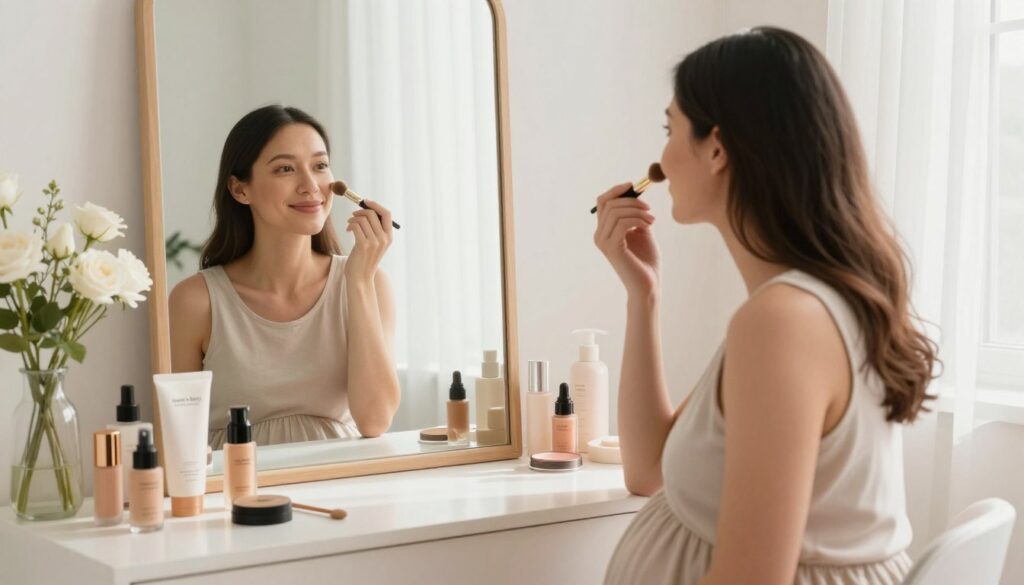
Other essential products include mascara to define your lashes, blush to add a healthy flush to your cheeks, and lip balm to keep your lips hydrated.
Dealing with Stretch Marks
As the body undergoes significant changes during pregnancy, dealing with stretch marks becomes a common concern for many expecting mothers. Stretch marks, or striae, occur due to the rapid stretching of the skin, leading to tears in the dermal layer.
Preventative Care Tips
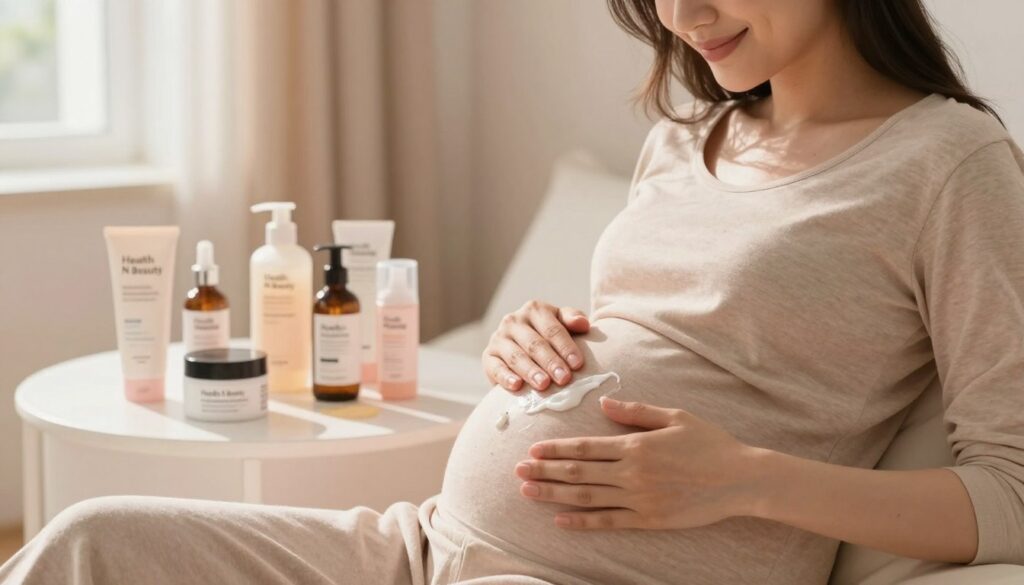
Preventing stretch marks is not entirely possible, but certain measures can reduce their occurrence and severity. Keeping the skin hydrated is crucial, as dry skin is more prone to tearing. Using a rich moisturizer or body oil can help maintain skin elasticity.
Maintaining a healthy weight during pregnancy also plays a significant role in minimizing stretch marks. Sudden weight gain can exacerbate the condition.
Recommended Stretch Mark Creams
Several creams are formulated to help minimize the appearance of stretch marks. Look for products containing hyaluronic acid, vitamin E, and collagen, as these ingredients are known for their skin-enhancing properties.
Some recommended stretch mark creams include those from reputable brands that specialize in pregnancy-safe skincare. Always check the ingredient list and consult with a healthcare provider if necessary.
Hair Care during Pregnancy
Hair care during pregnancy requires careful consideration of the products and techniques used. As the body undergoes various changes, hair can become more sensitive, necessitating adjustments in hair care routines.
Safe Hair Products to Use
When it comes to hair care during pregnancy, it’s crucial to select products that are free from harmful chemicals. Opt for shampoos and conditioners that are labeled as safe for pregnant women, typically those that are sulfate-free and devoid of harsh chemicals like parabens.
Some popular brands offer pregnancy-safe hair care products. For instance, brands like Free & Clear and Mustela offer gentle, effective shampoos.
Tips for Healthy Hair Growth
Promoting healthy hair growth during pregnancy involves a combination of good hair care practices and overall health. Maintaining a balanced diet rich in vitamins and minerals, especially those that promote hair growth like biotin and vitamin E, is essential.
Additionally, staying hydrated and minimizing heat styling can help prevent damage and foster healthy hair growth.
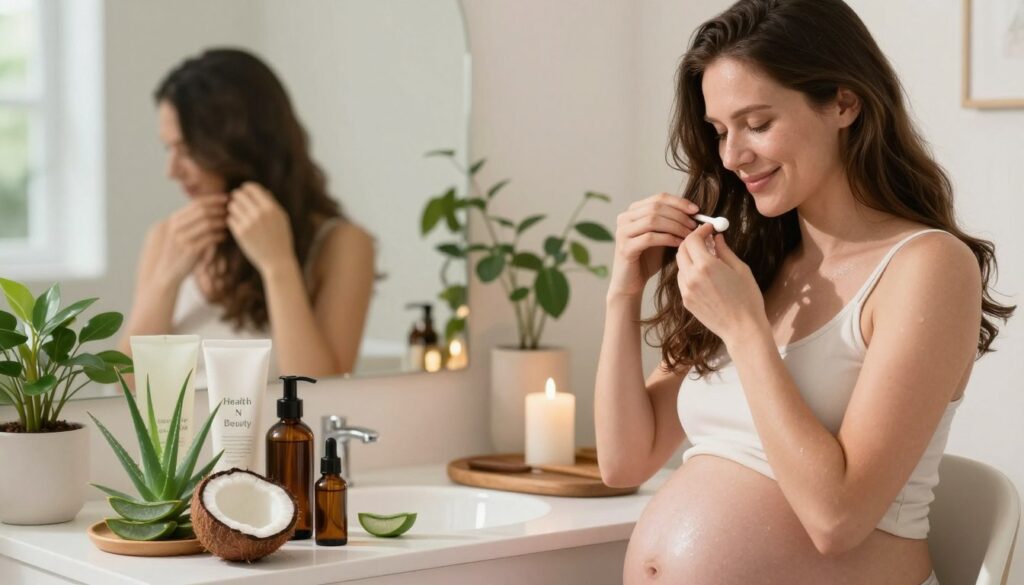
By choosing the right products and adopting healthy hair care habits, expecting mothers can maintain beautiful, healthy hair throughout their pregnancy.
Foot Care and Swelling Solutions
Pregnancy brings about many changes, including the need for enhanced foot care to combat swelling. As the body retains more fluid and the uterus expands, it can put pressure on the veins, leading to swollen feet. Proper foot care is essential to alleviate discomfort and prevent potential complications.

Elevation Techniques and Exercises
Elevating your feet is a simple yet effective way to reduce swelling. Try to elevate your feet above the level of your heart for at least 30 minutes, three times a day. This can be done by lying on your back with your feet propped up on pillows.
Additionally, gentle exercises like toe curls and ankle rotations can help improve circulation and reduce swelling.
Best Creams for Swollen Feet
Using the right creams can also provide relief. Look for creams that contain ingredients like arnica, peppermint, or chamomile, which are known for their anti-inflammatory properties.
Applying a cold compress or using a cream with a cooling effect can also be soothing, helping to reduce the discomfort associated with swollen feet.
Emotional Well-being and Beauty
Nurturing emotional well-being during pregnancy is essential for a positive and healthy experience. As the body undergoes significant changes, it’s equally important to focus on mental and emotional health.
Connecting Inner and Outer Beauty
The connection between inner and outer beauty is profound during pregnancy. Embracing inner beauty can enhance outer radiance, making it a vital aspect of the pregnancy journey. Practicing self-care, self-love, and self-acceptance can significantly impact how one feels about their changing body.
Stress-Relief Techniques
Effective stress-relief techniques are crucial for maintaining emotional well-being. Meditation, deep breathing exercises, and prenatal yoga are excellent ways to reduce stress and promote relaxation. Engaging in activities that bring joy and calmness can also help in managing stress levels.
By prioritizing emotional well-being and incorporating stress-relief techniques into daily life, pregnant individuals can cultivate a more positive and resilient pregnancy experience.
Consulting with Professionals
During pregnancy, it’s essential to prioritize your skin and overall well-being. While self-care routines are beneficial, there are times when professional advice is necessary.
Dermatologist Visits
Consulting dermatologists during pregnancy can provide valuable insights into managing skin concerns. They can recommend safe treatments and products tailored to your specific needs, ensuring you receive the best care possible.
Seeking Advice
Understanding the importance of professional advice is crucial. If you experience persistent skin issues, such as severe acne or unusual rashes, it’s vital to seek guidance from a dermatologist. They can help you navigate these concerns and provide personalized recommendations.
By combining professional guidance with a well-informed skincare routine, you can maintain healthy, glowing skin throughout your pregnancy.
FAQ
What skincare ingredients should I avoid during pregnancy?
During pregnancy, it’s best to avoid skincare ingredients like retinoids, salicylic acid, and hydroquinone, as they may pose risks to the fetus. Instead, opt for products with gentle, natural ingredients.
Are natural skincare products safe during pregnancy?
While natural skincare products are often considered safer, it’s essential to remember that “natural” doesn’t always mean “safe.” Some natural ingredients, like certain essential oils, can be harmful during pregnancy. Always check the ingredients and consult with a healthcare professional if you’re unsure.
Can I continue using my regular makeup products during pregnancy?
It’s recommended to review your makeup products during pregnancy and avoid those containing potentially hazardous ingredients like formaldehyde, toluene, and dibutyl phthalate (DBP). Opt for pregnancy-safe alternatives or consult with a healthcare professional for guidance.
How can I manage acne during pregnancy?
To manage acne during pregnancy, maintain a consistent skincare routine, use gentle cleansers, and avoid picking or popping pimples. Consider using products containing glycolic acid or azelaic acid, which are generally considered safe during pregnancy.
What are some safe sunscreens to use during pregnancy?
When choosing a sunscreen during pregnancy, opt for physical sunscreens containing zinc oxide or titanium dioxide, as they provide a physical barrier against UV rays and are generally considered safe.
How can I reduce the appearance of stretch marks during pregnancy?
To minimize stretch marks, keep your skin hydrated with a moisturizer, maintain a healthy weight, and consider using products containing hyaluronic acid, vitamin C, or collagen.
Are there any specific hair care products I should avoid during pregnancy?
During pregnancy, it’s best to avoid hair care products containing harsh chemicals like formaldehyde, keratin treatments, or certain dyes. Instead, opt for gentle, sulfate-free shampoos and conditioners.
How can I alleviate swollen feet during pregnancy?
To alleviate swollen feet, try elevating your feet, staying hydrated, and engaging in gentle exercises. You can also use creams or gels containing arnica or peppermint oil to help reduce swelling.
Can I still get a spray tan during pregnancy?
While there’s limited research on the safety of spray tanning during pregnancy, it’s generally considered safe if done in a well-ventilated area. However, it’s always best to consult with a healthcare professional before undergoing any beauty treatments.
When should I consult a dermatologist during pregnancy?
If you experience any unusual skin changes, persistent acne, or concerns about your skin health during pregnancy, consider consulting a dermatologist for personalized advice and guidance.