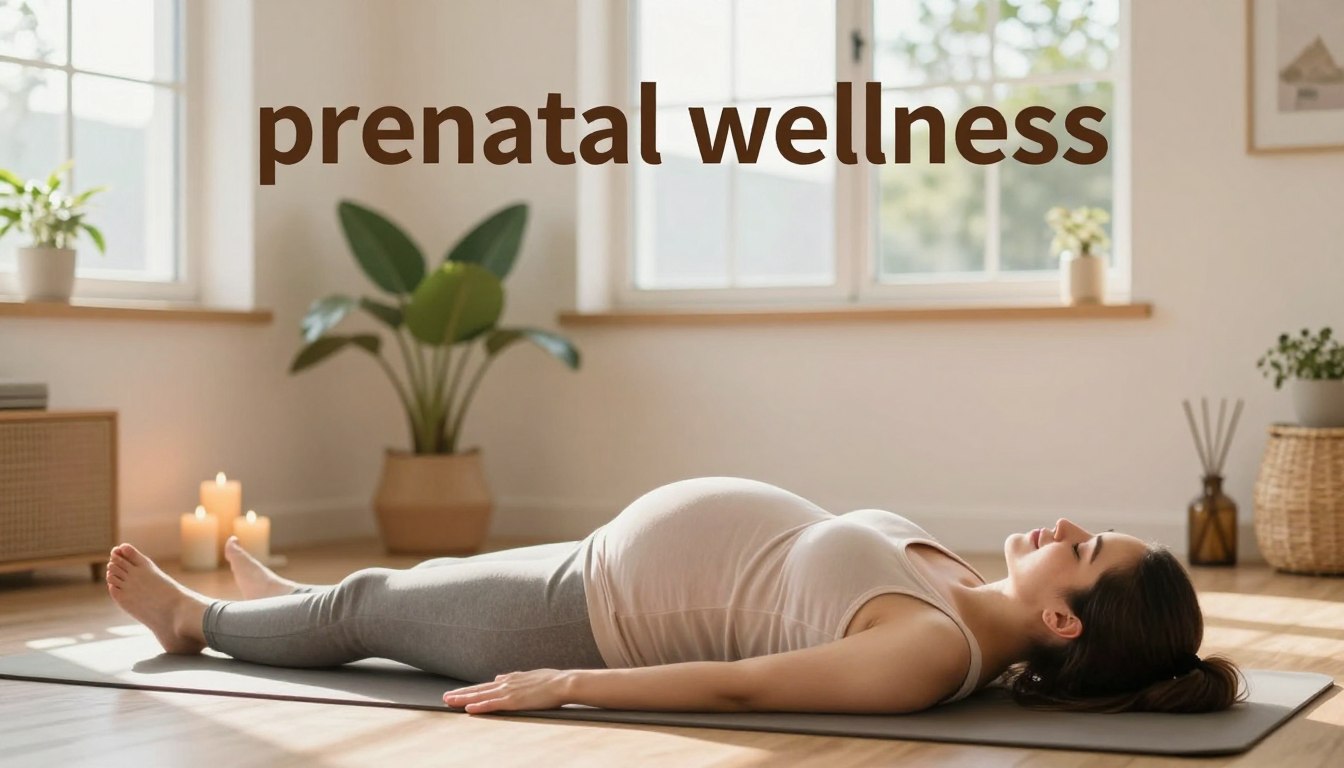
Pregnancy is a transformative period that brings significant physical and emotional changes. As an expectant mother, it’s essential to prioritize prenatal care and overall wellness to ensure a healthy pregnancy.
Engaging in self-care activities can help alleviate pregnancy-related discomforts and promote a positive mental state. By incorporating self-care into daily routines, expectant mothers can better manage stress and maintain their overall well-being.
This article will explore various aspects of self-care during pregnancy, providing valuable insights and practical tips for a healthier, happier pregnancy journey.
Key Takeaways
- Prioritizing prenatal care is crucial for a healthy pregnancy.
- Self-care activities can help alleviate pregnancy-related discomforts.
- Maintaining overall wellness is essential for expectant mothers.
- Self-care can help manage stress during pregnancy.
- A healthy pregnancy journey requires a positive mental state.
Importance of Self-Care During Pregnancy
Pregnancy is a transformative period that brings about significant physical and emotional changes. As the body adapts to support the growing baby, women often experience a range of sensations and challenges. Practicing self-care during this time is essential for maintaining both physical and mental health.

Understanding the Need for Care
Pregnancy involves numerous physiological changes that can impact a woman’s overall well-being. Self-care practices help manage these changes, reducing the risk of complications and enhancing the pregnancy experience. By prioritizing self-care, women can better cope with the physical demands of pregnancy.
Moreover, self-care is not just about physical health; it also encompasses mental and emotional well-being. Pregnancy can be an emotionally charged time, and self-care strategies can help mitigate stress and anxiety.
Benefits to Mother and Baby
The benefits of self-care during pregnancy extend to both the mother and the baby. For the mother, self-care can lead to improved mental health and reduced pregnancy-related discomfort. For the baby, a mother’s self-care can contribute to a healthier prenatal environment, supporting the baby’s development.
Engaging in prenatal care and self-care activities can also prepare the mother for parenthood, enhancing her ability to care for her newborn. By focusing on self-care, women can foster a positive pregnancy experience and lay the groundwork for a healthy postpartum period.
The practice of self-care during pregnancy is a holistic approach that supports the well-being of both mother and baby, promoting a positive and healthy experience.
Physical Self-Care Practices
Pregnancy is a unique period where physical self-care plays a significant role in ensuring a healthy journey for both mom and baby. Engaging in the right physical activities, maintaining a balanced diet, and staying properly hydrated are foundational elements of this care.
Engaging in Gentle Exercise
Gentle exercises such as prenatal yoga and swimming are highly recommended during pregnancy. These activities help maintain flexibility, strengthen muscles, and can alleviate common pregnancy discomforts like back pain. It’s essential to choose exercises that are safe and enjoyable.
Before starting any new exercise regimen, consulting with a healthcare provider is crucial to ensure it’s suitable for your stage of pregnancy and health condition.
Importance of Nutrition
A well-balanced diet rich in essential nutrients is vital for the health and development of both mother and baby. Foods high in folic acid, iron, and calcium are particularly beneficial. Incorporating a variety of fruits, vegetables, whole grains, and lean proteins into your meals can provide these necessary nutrients.
It’s also beneficial to limit processed foods and those high in sugar and unhealthy fats, opting instead for whole, nutrient-dense foods.
Staying Hydrated
Hydration is another critical aspect of physical self-care during pregnancy. Drinking plenty of water helps maintain bodily functions, supports the baby’s development, and can prevent common issues like constipation and dehydration.
Aim to drink at least eight to ten glasses of water a day, adjusting according to your activity level and climate.
Mental Well-Being Strategies
Pregnancy is a transformative period that requires careful attention to mental health. As expectant mothers navigate the physical and emotional changes associated with pregnancy, prioritizing mental well-being is crucial for a healthy and positive experience.
Incorporating Mindfulness
Mindfulness practices can significantly benefit mental health during pregnancy. Techniques such as meditation and deep breathing exercises help reduce stress and anxiety, promoting a sense of calm and well-being. Regular mindfulness practice can also enhance emotional resilience, making it easier to cope with the challenges of pregnancy.

Benefits of Journaling
Journaling is a therapeutic outlet that allows expectant mothers to express their thoughts, feelings, and experiences. By putting pen to paper, women can process their emotions, gain clarity on their experiences, and reflect on their personal growth during pregnancy. This practice not only supports mental well-being but also serves as a valuable keepsake for years to come.
Connecting with Support Networks
Building and connecting with a support system is vital for mental health during pregnancy. This network can include family, friends, healthcare providers, and online communities. Having a supportive environment where women can share their experiences, receive guidance, and feel understood can significantly alleviate stress and anxiety, contributing to overall mental well-being.
Skin Care for Pregnant Women
Skincare during pregnancy is not just about looking good; it’s also about maintaining healthy skin for the well-being of both mother and baby. The numerous physical changes during this period require expectant mothers to be cautious about the products they use and the routines they follow.
Safe Products to Use
When it comes to skincare during pregnancy, it’s crucial to choose products that are safe for both the mother and the baby. Opt for products labeled as ‘pregnancy-safe’ or those that are free from harmful chemicals like retinoids and salicylic acid. Always check the ingredient list and look for natural or organic options when possible.
Some ingredients to avoid include parabens, phthalates, and artificial fragrances. Instead, consider products with soothing ingredients like aloe vera and vitamin C. Consulting with a healthcare provider before starting any new skincare product is also a good practice.

Hydration and Moisturization Tips
Hydration is key to maintaining healthy skin during pregnancy. Drinking plenty of water helps to keep the skin hydrated from the inside out. Additionally, using a moisturizer can help to lock in moisture and reduce the appearance of stretch marks.
Choose a moisturizer rich in natural ingredients like coconut oil, shea butter, or cocoa butter. Applying moisturizer regularly, especially after bathing or showering, can help to keep the skin supple and hydrated.
Addressing Common Skin Concerns
Pregnancy can bring about various skin concerns, including hyperpigmentation, acne, and stretch marks. Using sunscreen daily can help to reduce the risk of hyperpigmentation. For acne, consider using gentle cleansers and spot treatments that are safe for pregnancy.
While stretch marks are common, keeping the skin moisturized can help to reduce their appearance. Maintaining a healthy diet rich in vitamins and minerals also supports skin health during pregnancy.
Creating a Relaxing Environment
As an expectant mother, creating a serene atmosphere at home is crucial for your well-being. A peaceful living space can significantly reduce stress and promote a sense of calm, benefiting both you and your baby.

Organization Tips for Your Space
A clutter-free home is not just visually appealing; it also contributes to a clearer mind. Start by decluttering one area at a time, and consider implementing storage solutions that keep essential items within easy reach but out of sight.
Organizing your living space can be therapeutic. It allows you to create a more efficient daily routine and reduces the stress associated with searching for misplaced items.
Creating a Cozy Reading Nook
Dedicate a corner of your home to a cozy reading nook where you can escape into a good book. Use comfortable pillows, soft blankets, and a good reading light to create an inviting space.
This nook can become your sanctuary, a place where you can relax and enjoy some quiet time, away from the distractions of daily life.
Incorporating Calming Scents
Calming scents such as lavender and vanilla can have a profound effect on your mood and stress levels. Use essential oils in a diffuser or apply them to your skin (after consulting with your healthcare provider) to create a calming atmosphere.
Incorporating these scents into your daily routine, especially before bedtime, can enhance your relaxation and improve sleep quality.
By implementing these tips, you can transform your home into a haven of peace and relaxation, supporting your well-being throughout your pregnancy journey.
Proper Sleep Hygiene
As pregnancy progresses, maintaining good sleep hygiene becomes increasingly important for expectant mothers. Quality sleep is essential for the health and well-being of both the mother and the baby. It helps in managing the physical and emotional demands of pregnancy.
Establishing a Sleep Schedule
One of the foundational elements of good sleep hygiene is establishing a consistent sleep schedule. Going to bed and waking up at the same time every day helps regulate the body’s internal clock, improving the quality of sleep. It’s advisable to start winding down at least an hour before bedtime, creating a bedtime routine that signals the body that it’s time to sleep.
Recommended Sleep Positions
During pregnancy, it’s recommended to sleep on the side, specifically on the left side, as it improves circulation to the heart and allows for better blood flow to the fetus, kidneys, and uterus. Using a pregnancy pillow can provide additional support and comfort, helping to alleviate strain on the back and hips.

Tips for Better Sleep Quality
To enhance sleep quality, pregnant women can benefit from creating a sleep-conducive environment. This includes keeping the bedroom cool, dark, and quiet, and investing in a comfortable mattress. Avoiding caffeine and heavy meals close to bedtime can also significantly improve sleep. Additionally, engaging in relaxing activities before bed, such as reading or meditation, can help in unwinding and preparing the body for restful sleep.
By implementing these strategies, expectant mothers can improve their sleep hygiene, contributing to a healthier pregnancy and better overall well-being.
Prenatal Classes and Workshops
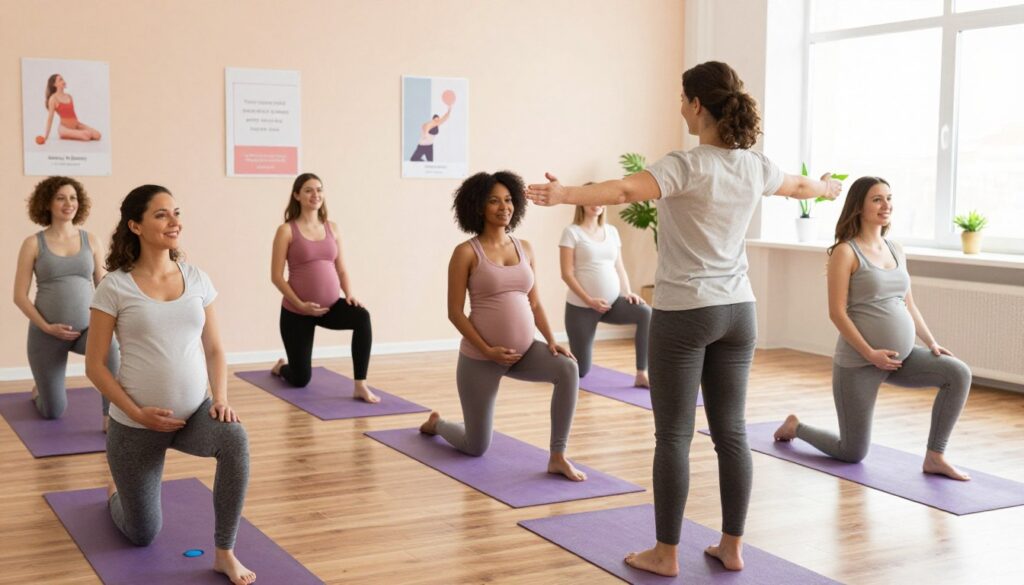
Prenatal education is a crucial aspect of pregnancy that can be fulfilled through classes and workshops. These educational opportunities provide expectant mothers with the knowledge and support needed for a healthy pregnancy and transition into motherhood.
Benefits of Participating
Participating in prenatal classes offers numerous benefits, including preparation for childbirth, understanding newborn care, and building a community with other expectant parents. These classes can significantly reduce anxiety and enhance confidence as mothers prepare for their new roles.
Moreover, prenatal workshops often cover topics such as breastfeeding techniques, baby first aid, and parenting strategies, equipping parents with essential skills.
Types of Classes Available
There are various types of prenatal classes available, catering to different needs and preferences. Childbirth education classes are particularly popular, as they provide detailed information on the birthing process and what to expect.
Additionally, parenting classes focus on the practical aspects of caring for a newborn, from feeding and bathing to soothing techniques. Some workshops also offer insights into maintaining a healthy lifestyle during pregnancy.
Finding Local Resources
Finding local prenatal workshops and classes can be straightforward with a few simple steps. Expectant mothers can start by asking their healthcare provider for recommendations, as they often have a list of trusted resources.
Online searches can also yield results, with many hospitals and community centers offering such programs. Joining local parenting groups or online forums can provide valuable insights and recommendations from others who have attended these classes.
By engaging in prenatal education, expectant mothers can take proactive steps towards a positive pregnancy experience and a smooth transition into motherhood.
Healthy Eating Habits
Healthy eating habits are vital during pregnancy, providing essential nutrients for the mother’s health and the baby’s development. A well-balanced diet supports the overall well-being of expectant mothers, helping them manage the challenges of pregnancy.
Essential Nutrients During Pregnancy
During pregnancy, women need essential nutrients like folic acid, iron, calcium, and protein to support their health and the baby’s growth. Folic acid is crucial for preventing birth defects of the baby’s brain and spine. Iron supports the production of red blood cells, while calcium is necessary for the development of the baby’s bones, teeth, and muscles. Protein is vital for the overall growth and development of the fetus.
Foods rich in these nutrients include leafy greens like spinach and kale, fortified cereals, lean meats, dairy products, and legumes. Incorporating these foods into the diet can help ensure that both mother and baby receive the necessary nutrients.
Meal Preparation Tips
Meal preparation is a practical way to maintain healthy eating habits during pregnancy. Planning meals ahead can help ensure that expectant mothers are consuming a balanced diet. It’s beneficial to prepare meals in bulk and store them in the refrigerator or freezer for later use.
Simple meal prep ideas include cooking a large batch of soup or stew, roasting a variety of vegetables, and grilling chicken or fish to use in salads or wraps throughout the week. Keeping healthy snacks on hand, such as fruits, nuts, and carrot sticks with hummus, can also support healthy eating habits.

Snack Ideas for Expecting Moms
Healthy snacking is important during pregnancy to maintain energy levels and support the baby’s growth. Nutritious snack options include fresh fruits, yogurt, cheese, whole-grain crackers, and trail mix made with nuts and dried fruits.
Preparing snacks in advance can make it easier to make healthy choices. For example, cutting up a variety of fruits and vegetables at the beginning of the week can provide quick and easy snacks. Additionally, having a stash of healthy granola bars or energy balls can be convenient for on-the-go snacking.
Building a Support System
The journey of pregnancy is not one to be taken alone; a supportive network of family, friends, and online communities can provide invaluable support. As an expectant mother, having a comprehensive support system in place can significantly enhance your pregnancy experience.
Involving Family and Friends
Involving your loved ones in your pregnancy journey can foster a sense of community and support. Family and friends can offer emotional support, help with practical tasks, and provide companionship, making the pregnancy journey less isolating.
Sharing your experiences and feelings with them can also help you feel more connected and understood. It’s essential to communicate your needs and expectations clearly, ensuring they can provide the support you need.
Online Communities and Resources
In addition to personal support networks, online communities and resources can be a valuable asset. Online forums and social media groups dedicated to pregnancy and parenting can connect you with others who are going through similar experiences, offering a platform for advice, sharing, and support.
These online resources can be particularly helpful for those with limited access to in-person support or prefer the anonymity that online platforms provide. They can also serve as a wealth of information on pregnancy, parenting, and related topics.

By combining personal and online support, you can create a robust network that supports you through pregnancy and beyond. Remember, building a support system is about creating a community that cares for you and your growing family.
Staying Physically Active
Physical activity is a vital component of a healthy pregnancy, offering numerous benefits for mothers-to-be. Engaging in regular exercise can help manage weight, improve mood, and enhance overall well-being.
Recommended Activities for Moms-to-Be
Expectant mothers can enjoy a variety of safe activities, including prenatal yoga, swimming, and brisk walking. These exercises are not only beneficial for physical health but also help in preparing the body for labor.

Safety Tips While Exercising
While exercising during pregnancy, it’s crucial to follow safety tips to minimize risks. Expectant mothers should stay hydrated, avoid overheating, and listen to their bodies, stopping if they experience any discomfort or pain.
Finding Community Fitness Groups
Joining a community fitness group can be a great way to stay motivated and connected with other expectant mothers. Many gyms and wellness centers offer prenatal fitness classes designed specifically for pregnant women, providing a supportive environment to stay active.
Preparing for Labor and Delivery
As the due date approaches, expectant mothers can benefit from being prepared for labor and delivery. Understanding the available options and creating a plan can help reduce anxiety and ensure a smoother experience.
Understanding Labor Options
Labor preparation involves knowing the different options available, such as natural birth, epidural anesthesia, or cesarean section. Discussing these options with a healthcare provider can help women make informed decisions.
Creating a Personalized Birth Plan
A birth plan outlines a woman’s preferences for labor, delivery, and postpartum care. It can include details such as pain management, labor positioning, and newborn care. Having a clear plan in place can help women feel more in control during the labor process.
Managing Stress During Labor
Effective stress management is crucial during labor. Techniques such as deep breathing, visualization, and massage can help reduce discomfort and anxiety. Staying informed and having a support system in place can also contribute to a more positive experience.
By understanding labor options, creating a birth plan, and practicing stress management, expectant mothers can approach labor and delivery with confidence.
FAQ
What are some simple self-care routines for pregnant women?
Simple self-care routines for pregnant women include gentle exercise, meditation, and healthy eating habits. Activities like prenatal yoga, walking, and swimming are excellent for maintaining physical health, while practices like mindfulness and journaling can support mental well-being.
Why is self-care important during pregnancy?
Self-care is crucial during pregnancy as it helps manage the physical and emotional changes that occur. It benefits both the mother’s and baby’s health by reducing stress, promoting healthy development, and preparing the body for childbirth.
What are some safe skincare practices during pregnancy?
Safe skincare practices during pregnancy involve using products that are free from harmful chemicals like retinoids and salicylic acid. Keeping the skin hydrated and moisturized is also important, and addressing common skin concerns like stretch marks and hyperpigmentation can be done with natural remedies and gentle products.
How can I create a relaxing environment at home?
Creating a relaxing environment at home can be achieved by organizing your space, creating a cozy reading nook, and incorporating calming scents like lavender. These elements can help reduce stress and promote a sense of calm.
What are some tips for improving sleep quality during pregnancy?
Tips for improving sleep quality during pregnancy include establishing a consistent sleep schedule, adopting recommended sleep positions, and practicing relaxation techniques before bed. Avoiding caffeine and electronics before bedtime can also help.
Are prenatal classes and workshops beneficial?
Yes, prenatal classes and workshops are beneficial as they provide expectant mothers with education on childbirth, parenting, and baby care. They offer a supportive community and help prepare women for motherhood.
What are some healthy eating habits during pregnancy?
Healthy eating habits during pregnancy involve consuming essential nutrients like folic acid, iron, and calcium. Meal preparation tips include eating a balanced diet, avoiding excessive sugar and salt, and staying hydrated. Healthy snack ideas include fruits, nuts, and vegetables.
How can I stay physically active during pregnancy?
Staying physically active during pregnancy can be achieved by engaging in recommended activities like prenatal yoga, walking, and swimming. It’s essential to follow safety tips, listen to your body, and find community fitness groups for support.
How can I prepare for labor and delivery?
Preparing for labor and delivery involves understanding your options, creating a birth plan, and learning strategies for managing stress. Education and planning can empower women to approach labor and delivery with confidence.
Why is building a support system important during pregnancy?
Building a support system is vital during pregnancy as it provides emotional support, practical help, and a sense of community. Involving family and friends, as well as joining online communities, can be incredibly beneficial.