

Empowering women to take control of their breast health is crucial for their overall well-being. This involves fostering self-awareness and promoting a positive body image, which is closely linked to body confidence. When women are informed and confident about their bodies, they are more likely to prioritize their women’s health.
Understanding the interconnectedness of these aspects is key to promoting a holistic approach to health. By encouraging open discussions and education, we can work towards creating a society where women feel empowered to make informed decisions about their bodies.
Key Takeaways
- Prioritizing breast health is essential for overall women’s health.
- Fostering self-awareness helps in early detection and prevention.
- Body confidence is closely linked to overall well-being.
- Empowering women through education is key to promoting health.
- A holistic approach to health considers the interconnectedness of physical and mental well-being.
Understanding Breast Anatomy and Physiology
Understanding the intricacies of breast anatomy and breast physiology is fundamental to maintaining good breast health. The breast is a complex organ that undergoes various changes throughout a woman’s life.
The normal breast structure consists of glandular, connective, and fatty tissue. Glandular tissue is responsible for milk production, while connective tissue provides support and fatty tissue contributes to the breast’s shape and size.
Normal Breast Structure and Tissue Types
The breast is composed of lobules, ducts, and stroma. Lobules are the glands that produce milk, ducts are the tubes that carry milk to the nipple, and stroma is the fatty and connective tissue that surrounds the lobules and ducts.
| Tissue Type | Function |
|---|---|
| Glandular Tissue | Milk Production |
| Connective Tissue | Support |
| Fatty Tissue | Shape and Size |
Hormonal Influences on Breast Tissue
Hormonal influences significantly affect breast tissue, causing changes throughout the menstrual cycle, pregnancy, and menopause. Estrogen and progesterone are the primary hormones involved in these changes.
During the menstrual cycle, hormonal fluctuations can cause breast tenderness and swelling. Understanding these changes can help women be more aware of their breast health and identify any abnormalities.
The Importance of Breast Health, Self-Awareness, and Body Confidence
The significance of breast health extends beyond physical well-being to emotional stability. Maintaining good breast health is not just about preventing illnesses; it’s also closely linked to a woman’s self-awareness and body confidence. When women are knowledgeable about their breast health, they are more likely to feel empowered and confident in their bodies.
The Connection Between Physical and Emotional Well-being
There is a profound connection between physical breast health and emotional well-being. Breast health issues can lead to emotional distress, including anxiety and depression. Conversely, a positive body image and confidence in one’s breast health can enhance overall emotional well-being. Practicing regular breast self-exams and being aware of changes can significantly reduce anxiety related to breast health.

Breaking Down Stigmas and Misconceptions
Despite advancements in women’s health, there remain stigmas and misconceptions surrounding breast health. Education and awareness are key to breaking down these barriers. By understanding that breast health is a normal part of overall health, women can feel more comfortable discussing their concerns and seeking medical advice when needed.
| Aspect | Importance | Action |
|---|---|---|
| Physical Well-being | Prevents illnesses, promotes health | Regular check-ups, self-exams |
| Emotional Well-being | Reduces anxiety, promotes confidence | Education, awareness, support |
Breast Self-Awareness: Beyond the Monthly Exam
Understanding your breasts goes beyond the monthly self-exam, it’s about being attuned to your body’s normal state. This awareness is key to identifying any changes, whether they are visual or physical sensations.
Knowing Your Normal
Being familiar with the normal appearance and feel of your breasts is essential. This includes understanding the texture, shape, and any normal variations that occur throughout your menstrual cycle or due to hormonal changes.
Regular observation helps you recognize what’s normal for your body, making it easier to notice any deviations.
Changes to Look For
As you become more familiar with your breasts, it’s crucial to know what changes to look out for. These changes can be both visual and related to physical sensations.
Visual Changes
Look for changes such as dimpling, redness, or swelling. Any alteration in the shape or symmetry of your breasts should also be noted.
Physical Sensations
Pay attention to any new or unusual pain, tenderness, or sensations in your breasts. While some discomfort can be normal, especially just before or during your period, persistent or severe pain is worth noting.

Performing Effective Breast Self-Examinations
Understanding how to perform a breast self-examination can empower individuals to take control of their health. Breast self-examination is a straightforward process that, when done correctly, can help in the early detection of breast changes.
Step-by-Step Guide to Self-Examination
To perform an effective breast self-examination, follow these steps:
Visual Inspection Techniques
Begin by visually inspecting your breasts in a mirror. Look for any changes in shape, size, or skin texture. Raise your arms and observe if there’s any dimpling or puckering of the skin.

Lie down and use your finger pads to feel your breasts. Use a circular motion to cover the entire breast area, including the armpit. Be thorough and gentle.
When and How Often to Perform Self-Exams
It’s recommended to perform breast self-examinations once a month, a few days after your menstrual period ends, when breasts are less tender. Consistency is key to becoming familiar with your breast tissue.
| Month | Recommended Day | Notes |
|---|---|---|
| January | 7-10 | Post-menstrual |
| February | 8-11 | Post-menstrual |
| March | 9-12 | Post-menstrual |
“Regular self-examinations can lead to earlier detection of abnormalities, which is crucial for effective treatment.”
By following these guidelines and maintaining a regular schedule, individuals can effectively monitor their breast health and make informed decisions about their well-being.
Common Breast Concerns and Conditions
Breast health encompasses a range of concerns and conditions that women should be aware of. Understanding these issues can help in early detection and treatment of any potential problems.
Benign Breast Conditions
Benign breast conditions are non-cancerous and can include cysts, fibroadenomas, and mastitis. These conditions can cause discomfort and changes in breast tissue. For instance, fibroadenomas are solid, movable lumps that are common in younger women.
- Cysts: fluid-filled sacs that can be palpable
- Fibroadenomas: solid, non-cancerous tumors
- Mastitis: inflammation of the breast tissue, often associated with breastfeeding
Risk Factors for Breast Cancer
Several factors can increase the risk of developing breast cancer, including family history, genetic mutations (BRCA1 and BRCA2), and age. Lifestyle factors such as alcohol consumption and lack of physical activity may also play a role.
- Family history of breast cancer
- Genetic predisposition
- Age: risk increases with age
Symptoms That Warrant Medical Attention
It’s crucial to be aware of changes in your breasts that may require medical evaluation. Symptoms such as new lumps, changes in breast size or shape, and nipple discharge should be checked by a healthcare professional.

- New or unusual lumps
- Changes in breast size or shape
- Nipple discharge or inversion
Being informed about breast health can empower women to take proactive steps in maintaining their well-being.
Professional Breast Health Screenings
Professional breast health screenings play a vital role in maintaining overall breast health. These screenings are designed to detect breast abnormalities early, when they are most treatable.
Mammograms and When to Start
Mammograms are a crucial tool in breast health screenings. They are X-ray images of the breast used to detect abnormalities. The American Cancer Society recommends that women start annual mammograms at the age of 45, with the option to begin at 40. Early detection through mammograms can significantly improve treatment outcomes.
Other Screening Methods
In addition to mammograms, other screening methods are available, tailored to individual needs. These include:
- Ultrasound imaging for detailed views of breast tissue
- MRI for high-risk patients or when more detailed imaging is needed
Ultrasound Imaging
Ultrasound uses sound waves to create images of the breast. It’s particularly useful for examining dense breast tissue and distinguishing between solid masses and cysts.
MRI and Advanced Screenings
MRI (Magnetic Resonance Imaging) is used for women at high risk of breast cancer. It provides detailed images and can detect cancers not visible on a mammogram. Advanced screenings are tailored to individual risk factors and needs.
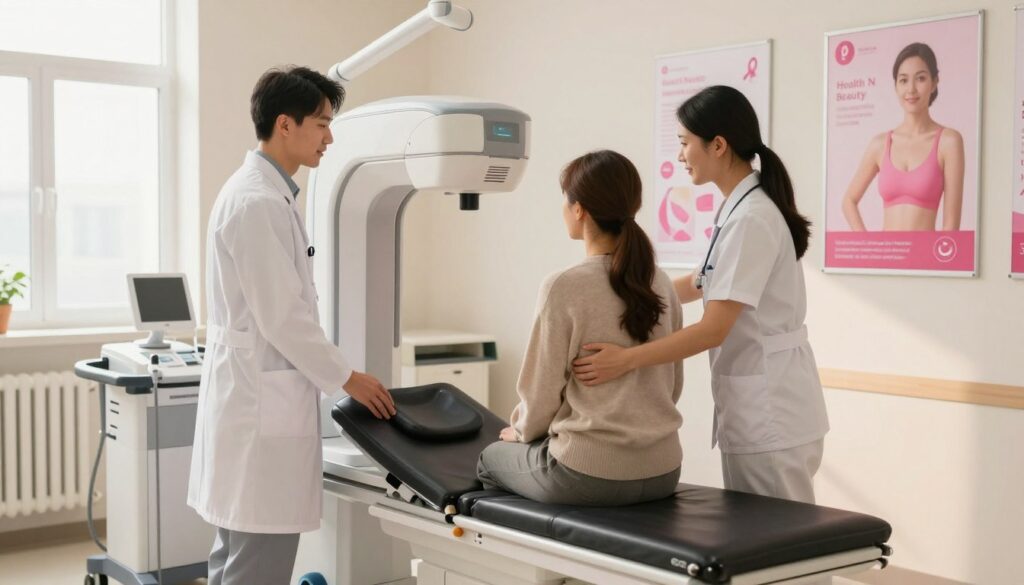
Regular screenings, combined with self-awareness and a healthy lifestyle, form a comprehensive approach to breast health. Discussing screening options with a healthcare provider can help determine the best plan for you.
Lifestyle Factors That Impact Breast Health
A combination of diet, exercise, and stress management plays a vital role in maintaining optimal breast health. By making informed lifestyle choices, individuals can significantly reduce their risk of breast-related issues and promote overall well-being.

Nutrition and Diet Considerations
A well-balanced diet rich in fruits, vegetables, and whole grains can help support breast health. Foods high in antioxidants, such as berries and leafy greens, are particularly beneficial. Additionally, maintaining a healthy weight through a balanced diet can reduce the risk of breast cancer.
Exercise and Physical Activity Benefits
Regular physical activity is essential for maintaining breast health. Exercise can help reduce the risk of breast cancer by regulating hormones and improving immune function. Aim for at least 150 minutes of moderate-intensity exercise or 75 minutes of vigorous-intensity exercise per week.
Managing Stress and Sleep
Chronic stress and inadequate sleep can negatively impact breast health by disrupting hormonal balances. Engaging in stress-reducing activities, such as meditation or yoga, and prioritizing 7-8 hours of sleep per night can help mitigate these effects and support overall breast health.
Building Body Confidence and Positive Self-Image
Building body confidence is not just about physical appearance; it’s about fostering a positive self-image that enhances overall health. This journey involves embracing your unique body, adopting practical strategies for improvement, and addressing concerns that may arise after breast surgery or changes.
Embracing Your Unique Body
Embracing your body means accepting its uniqueness and letting go of unrealistic comparisons. It’s about focusing on what your body can do, rather than its appearance. Practicing self-compassion and self-care can significantly enhance your body confidence.
- Practice daily affirmations to boost your self-esteem.
- Engage in activities that make you feel good about your body.
- Surround yourself with positive influences that promote body positivity.
Practical Strategies for Improving Body Image
Improving your body image requires a multifaceted approach. It involves challenging negative self-talk, focusing on your strengths, and adopting healthy lifestyle habits. By implementing these body image strategies, you can cultivate a more positive self-image.

Addressing Concerns After Breast Surgery or Changes
For individuals who have undergone breast surgery or experienced significant breast changes, addressing body image concerns is crucial. Seeking support from healthcare professionals, support groups, or counseling can provide valuable guidance and reassurance.
By focusing on these aspects, individuals can work towards building a more confident and positive self-image, enhancing their overall quality of life.
Navigating Breast Changes Throughout Life
Understanding breast changes throughout different life stages is crucial for maintaining breast health. Women’s bodies undergo numerous transformations, and being aware of these changes can help in early detection of any issues and promote overall well-being.
Puberty and Adolescence
During puberty, girls experience significant breast development due to hormonal changes. It’s essential for young girls to understand that these changes are a normal part of growing up. Breast development can start as early as age 8 and continue into the late teens.
Pregnancy and Breastfeeding
Pregnancy brings about notable breast changes, including enlargement and tenderness, in preparation for breastfeeding. Breastfeeding is a natural process that not only nourishes the baby but also helps in uterine contraction and returning the uterus to its pre-pregnancy size. Some women may experience nipple soreness or breast engorgement, which can be managed with proper care and support.

Menopause and Beyond
During menopause, the decrease in estrogen levels can lead to changes in breast density and size. Women may notice their breasts becoming less firm or smaller. It’s a good time to reassess breast care routines and discuss any concerns with a healthcare provider.
| Life Stage | Common Breast Changes |
|---|---|
| Puberty | Breast development, tenderness |
| Pregnancy | Enlargement, tenderness, preparation for breastfeeding |
| Menopause | Decrease in breast density, size reduction |
As highlighted by a healthcare professional, “Understanding and embracing these changes can empower women to take control of their breast health throughout their lives.”
“The more you know about your body, the better equipped you are to make informed decisions about your health.”
Support Resources and Communities
Individuals concerned about their breast health can find solace in various support groups and educational resources designed to empower and inform.
Connecting with others who share similar experiences can be incredibly beneficial. There are numerous online and in-person support groups where individuals can share their stories, ask questions, and receive support.
Online and In-Person Support Groups
Online forums and social media groups provide a platform for individuals to connect with others across different geographical locations. Some notable online resources include:
- Online forums dedicated to breast health discussions
- Social media groups focused on breast cancer support
- In-person support groups organized by local hospitals and health organizations

Educational Resources and Tools
Understanding breast health is crucial for early detection and prevention. Various educational resources and tools are available, including:
- Informative websites and blogs on breast health
- Educational pamphlets and brochures from reputable health organizations
- Mobile apps designed to track breast health and provide reminders for self-examinations
These resources empower individuals to take control of their breast health, making informed decisions about their care.
Conclusion: Empowering Your Breast Health Journey
Empowering breast health is a journey that requires knowledge, self-awareness, and a proactive approach. By understanding breast anatomy and physiology, individuals can better appreciate the importance of regular self-examinations and professional screenings.
Throughout this article, we have explored various aspects of breast health, from the significance of self-awareness and body confidence to the impact of lifestyle factors on breast well-being. By integrating these insights into daily life, individuals can take control of their breast health journey.
As we conclude, it is essential to remember that empowering breast health is not a one-time achievement but a continuous process. By staying informed, being mindful of changes, and seeking support when needed, individuals can navigate their breast health journey with confidence.
Embracing this journey with the right resources and mindset can lead to a healthier, more empowered life. Start or continue your breast health journey today by prioritizing self-awareness, seeking professional guidance, and connecting with support communities.
FAQ
What is the importance of breast self-awareness?
Breast self-awareness is crucial as it enables individuals to understand their normal breast health, identify any changes, and seek medical attention if necessary. It empowers individuals to take an active role in their breast health journey.
How often should I perform a breast self-examination?
The frequency of breast self-examinations can vary depending on individual factors, but generally, it is recommended to perform a self-exam once a month, ideally a few days after menstruation when the breasts are less tender.
What are some common benign breast conditions?
Common benign breast conditions include fibrocystic breast changes, fibroadenomas, and breast cysts. These conditions are typically non-cancerous and can be treated with various methods, including lifestyle changes and medical interventions.
What are the risk factors for breast cancer?
Risk factors for breast cancer include genetic mutations, family history, radiation exposure, and certain lifestyle factors. Understanding these risk factors can help individuals take proactive steps to mitigate their risk.
When should I start getting mammograms?
The recommended age to start getting mammograms varies depending on individual risk factors and guidelines from health organizations. Generally, women are advised to start annual mammograms between the ages of 40 to 50.
How does nutrition impact breast health?
A balanced diet rich in fruits, vegetables, and whole grains can support breast health. Certain nutrients, such as omega-3 fatty acids and antioxidants, have been shown to have beneficial effects on breast tissue.
What are some practical strategies for improving body image?
Practical strategies for improving body image include practicing self-compassion, focusing on overall health rather than appearance, and seeking support from loved ones or mental health professionals.
How do hormonal changes affect breast tissue?
Hormonal fluctuations during the menstrual cycle, pregnancy, and menopause can cause changes in breast tissue, including tenderness, swelling, and changes in density.
What are the benefits of exercise for breast health?
Regular exercise has been shown to reduce the risk of breast cancer and improve overall breast health. Exercise can also enhance body confidence and overall well-being.
Where can I find support resources for breast health concerns?
Support resources for breast health concerns can be found through online and in-person support groups, educational resources, and healthcare providers. Organizations such as the American Cancer Society and BreastCancer.org offer valuable information and support.