

Achieving a glowing skin can be challenging, especially for individuals with sensitive skin. Sensitive skin requires special care, as it can easily react to harsh products or environmental factors.
People with sensitive skin often struggle to find the right sensitive skin care products that nourish their skin without causing irritation. The key to achieving a radiant complexion lies in understanding the specific needs of your skin and adopting a gentle, effective beauty routine.
By following the right beauty tips, you can unlock the secrets to a healthy, glowing complexion.
Key Takeaways
- Understand your skin type to choose the right products.
- Use gentle, fragrance-free products to minimize irritation.
- Exfoliate carefully to avoid damaging your skin.
- Moisturize regularly to keep your skin hydrated.
- Protect your skin from environmental stressors.
Understanding Sensitive Skin: Signs and Characteristics
The journey to healthier skin begins with understanding the unique challenges posed by sensitive skin, including its common symptoms and characteristics. Sensitive skin is a condition that affects many, causing discomfort and frustration due to its unpredictable reactions to various products and environmental factors.
Common Symptoms of Sensitive Skin
Sensitive skin often manifests through specific symptoms that can vary in intensity. These include:
- Visible redness and inflammation
- Burning or stinging sensations upon applying certain products
- Increased sensitivity to temperature extremes
Redness and Inflammation
Redness and inflammation are hallmark signs of sensitive skin. These reactions can be triggered by a wide range of factors, including harsh skincare products, environmental stressors, and even certain fabrics.
Burning and Stinging Sensations
Experiencing burning or stinging sensations when applying skincare products is a common complaint among those with sensitive skin. This discomfort can be a signal that the product contains irritants or allergens that need to be avoided.
Difference Between Sensitive and Reactive Skin
While often used interchangeably, sensitive and reactive skin have distinct characteristics. Reactive skin tends to have more intense reactions, often resulting in conditions like rosacea or eczema. Understanding whether your skin is sensitive or reactive can help in choosing the right products and treatments.
How to Determine Your Skin Sensitivity Level
Determining your skin sensitivity level involves observing how your skin reacts to different products and environmental conditions. A simple skin sensitivity test can involve applying a new product to a small area of your skin and waiting 24 hours to observe any adverse reactions.
Common Triggers That Aggravate Sensitive Skin
Understanding the common triggers that aggravate sensitive skin is crucial for effective skincare. Sensitive skin can be exacerbated by a variety of factors, ranging from environmental conditions to the ingredients in skincare products.
Environmental Factors
Environmental factors play a significant role in aggravating sensitive skin. Two major environmental triggers are weather extremes and pollution.
Weather Extremes
Extreme temperatures, whether hot or cold, can strip the skin of its natural barrier, leading to irritation. Using protective measures such as sunscreen and moisturizer can help mitigate these effects.
Pollution and Allergens
Urban pollution and allergens can cause significant stress to sensitive skin, leading to inflammation and redness. Antioxidant-rich products can help counteract the negative effects of pollution.
Ingredient Irritants to Avoid
Certain ingredients in skincare products can irritate sensitive skin. It’s essential to be aware of these irritants to avoid them.
Fragrances and Preservatives
Fragrances and preservatives are common culprits that can cause allergic reactions and irritation. Opting for fragrance-free and hypoallergenic products can reduce the risk of irritation.
Harsh Exfoliants and Alcohols
Harsh exfoliants and alcohols can strip the skin of its natural oils, leading to dryness and irritation. Gentle exfoliation methods and alcohol-free products are recommended.
Lifestyle Habits That Worsen Sensitivity
Lifestyle habits, including diet and stress levels, can also impact skin sensitivity. Maintaining a balanced diet and managing stress through relaxation techniques can help alleviate sensitivity.

Beauty Tips for Sensitive Skin: Core Principles
Caring for sensitive skin requires a thoughtful approach that balances gentleness with effectiveness. To achieve a healthy and glowing complexion, it’s essential to understand the core principles of sensitive skin care.
Gentle Cleansing Techniques
Gentle cleansing is the foundation of any skincare routine, especially for sensitive skin. It’s crucial to clean the skin without stripping it of its natural oils.
Lukewarm Water Benefits
Using lukewarm water instead of hot or cold water can significantly reduce irritation. Lukewarm water helps in maintaining the skin’s natural barrier.
Patting vs. Rubbing
After cleansing, gently pat the skin dry with a soft towel instead of rubbing vigorously. This simple technique minimizes friction and reduces the risk of irritation.
Hydration Strategies
Hydrating sensitive skin requires careful product selection. Look for moisturizers that are fragrance-free and hypoallergenic to minimize the risk of allergic reactions.
| Product Type | Key Ingredients | Benefits |
|---|---|---|
| Moisturizer | Hyaluronic Acid, Ceramides | Hydrates, Repairs Skin Barrier |
| Sunscreen | Zinc Oxide, Titanium Dioxide | Provides Broad-Spectrum Protection |
Protection Methods
Protecting sensitive skin from the sun is crucial. Daily SPF application is a must, regardless of the weather.
Daily SPF Requirements
Using a broad-spectrum sunscreen with an SPF of at least 30 is recommended. Apply it daily, even on cloudy days, as UV rays can penetrate through the clouds.
Physical vs. Chemical Sunscreens
Physical sunscreens, containing zinc oxide or titanium dioxide, provide a physical barrier against UV rays. Chemical sunscreens absorb UV radiation. For sensitive skin, physical sunscreens are often recommended due to their gentle nature.

By incorporating these core principles into your skincare routine, you can better manage sensitive skin and achieve a healthier, more radiant complexion.
Building a Sensitive Skin-Friendly Morning Routine
A well-crafted morning routine can significantly impact the health of sensitive skin. Establishing a consistent and gentle skincare regimen in the morning helps to protect and prepare the skin for the day ahead.
Step-by-Step Morning Skincare Sequence
A morning skincare routine for sensitive skin should be straightforward and gentle. Begin with a cleansing step using a fragrance-free cleanser, followed by a toning step to balance the skin’s pH, and finish with a moisturizing step to hydrate and protect the skin.
Time-Saving Tips for Busy Mornings
For those with busy schedules, simplifying the morning skincare routine is essential. Consider using a multi-product that combines several steps into one, such as a moisturizer with SPF.
Seasonal Adjustments for Your Morning Routine
Adjusting your morning skincare routine according to the season can help address specific challenges associated with different weather conditions.
Winter Protection Strategies
During winter, the skin tends to be drier and more sensitive. Using a rich moisturizer and a humidifier can help combat dryness.
Summer Humidity Management
In the summer, managing humidity and oil production is key. Lightweight, oil-free products can help control shine without clogging pores.
| Season | Skincare Focus | Recommended Products |
|---|---|---|
| Winter | Moisturizing and Protection | Rich Moisturizers, Humidifiers |
| Summer | Oil Control and Hydration | Lightweight Moisturizers, Oil-Free Products |
Creating an Effective Evening Skincare Regimen
Sensitive skin requires a thoughtful approach to evening skincare to maintain its health and glow. A well-structured evening skincare regimen is essential for removing the day’s dirt, makeup, and environmental stressors that can exacerbate skin sensitivity.
Proper Makeup Removal for Sensitive Skin
Effective makeup removal is the first step in any evening skincare regimen. For sensitive skin, it’s crucial to use gentle, non-irritating products.
Oil-Based Cleansers
Oil-based cleansers are excellent for dissolving makeup without stripping the skin of its natural oils. They are particularly effective for removing waterproof makeup.
Micellar Water Techniques
Micellar water is another gentle option for makeup removal. Soak a cotton pad with micellar water and gently sweep it across the face to remove makeup and impurities.
Nighttime Repair and Recovery Products
After makeup removal, applying nighttime repair products can help soothe and rejuvenate sensitive skin. Look for products containing soothing ingredients like aloe vera or chamomile.

Weekly Treatment Schedule
Incorporating a weekly treatment schedule can enhance your evening skincare regimen. Consider adding a gentle exfoliant or a nourishing face mask once or twice a week to keep your skin healthy and radiant.
Best Ingredients for Calming and Soothing Sensitive Skin
Calming and soothing sensitive skin involves more than just avoiding irritants; it requires incorporating the right ingredients into your skincare routine. The following sections will explore natural skin-soothers, scientifically-proven calming compounds, and ingredients that help strengthen the skin barrier.
Natural Skin-Soothers
Natural ingredients have been used for centuries to calm and soothe sensitive skin. Two of the most effective natural skin-soothers are aloe vera and chamomile.
Aloe Vera Benefits
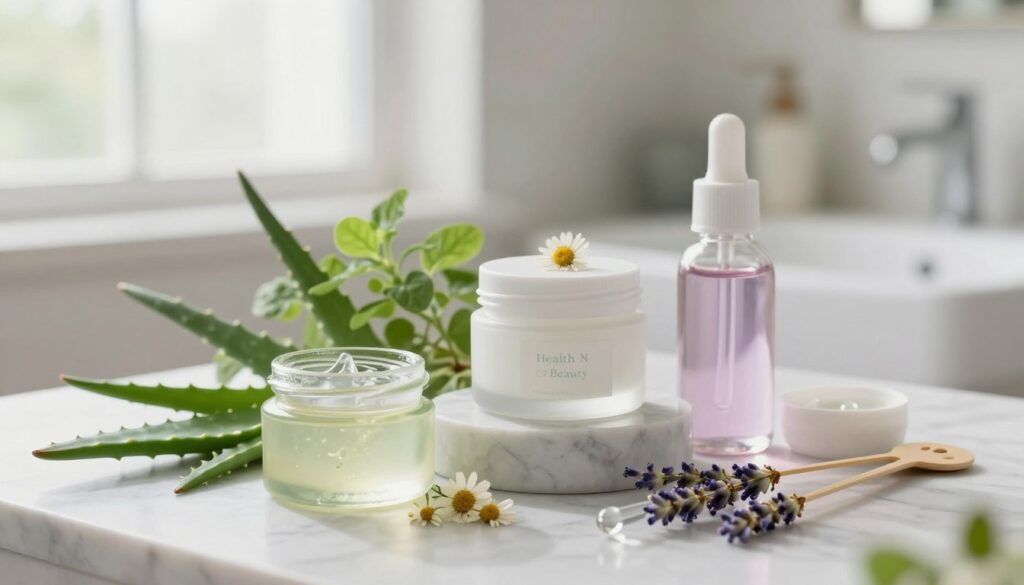
Aloe vera is renowned for its anti-inflammatory properties, making it an excellent ingredient for reducing redness and irritation. Rich in vitamins A, C, and E, aloe vera helps to hydrate and protect the skin.
Chamomile and Calendula
Chamomile is known for its calming effects, not just on the mind, but also on the skin. It helps to reduce inflammation and soothe irritated skin. Calendula, on the other hand, is rich in antioxidants and has antimicrobial properties, making it ideal for sensitive skin.
Scientifically-Proven Calming Compounds
In addition to natural ingredients, there are several scientifically-proven compounds that are effective in calming sensitive skin.
Niacinamide
Niacinamide is a form of Vitamin B3 that has been shown to improve skin elasticity, reduce inflammation, and enhance the skin’s barrier function.
Ceramides
Ceramides are essential lipids that help restore the skin’s barrier, reducing moisture loss and protecting against environmental irritants. They are particularly beneficial for sensitive skin.
Ingredients That Strengthen the Skin Barrier
| Ingredient | Benefits |
|---|---|
| Niacinamide | Improves skin elasticity, reduces inflammation |
| Ceramides | Restores skin barrier, reduces moisture loss |
| Hyaluronic Acid | Hydrates the skin, plumping fine lines |
Makeup Techniques and Products for Sensitive Skin
Makeup for sensitive skin isn’t just about covering up; it’s about using the right products and techniques to enhance your natural beauty without causing irritation. Individuals with sensitive skin need to be cautious when selecting and applying makeup to avoid adverse reactions.
Foundation and Concealer Recommendations
Choosing the right foundation and concealer is crucial for sensitive skin. Look for products that are labeled as suitable for sensitive skin.
Mineral-Based Options
Mineral-based foundations are often recommended because they are less likely to irritate the skin. Brands like BareMinerals and Glossier offer mineral-based options that are gentle on sensitive skin.
Hypoallergenic Formulations
Hypoallergenic formulations are designed to minimize the risk of an allergic reaction. These products are a good choice for sensitive skin.
| Product Type | Brand | Key Features |
|---|---|---|
| Mineral Foundation | BareMinerals | Gentle, non-irritating |
| Hypoallergenic Concealer | Clinique | Fragrance-free, dermatologist-tested |
Eye and Lip Makeup for Reactive Skin
For reactive skin, it’s essential to choose eye and lip makeup products carefully. Opt for products that are fragrance-free and hypoallergenic.
Application Methods That Minimize Irritation
The way you apply makeup can also impact skin sensitivity.
Tools and Brushes
Using the right tools and brushes can help minimize irritation. Look for brushes with synthetic bristles, which are generally gentler on the skin than natural bristles.
Blending Techniques
Gentle blending techniques can help prevent irritation. Use light, gentle strokes to blend your makeup, avoiding harsh rubbing or pulling on the skin.
By choosing the right products and applying them with care, individuals with sensitive skin can enjoy makeup without the risk of irritation.
DIY Remedies and Masks for Sensitive Skin
Creating your own skincare products at home can be a game-changer for those with sensitive skin, providing a natural and calming approach to skin health. By using ingredients commonly found in your kitchen, you can avoid harsh chemicals and tailor treatments to your skin’s specific needs.
Soothing Oatmeal Treatments
Oatmeal is renowned for its soothing properties, making it an excellent ingredient for calming sensitive skin. Oatmeal baths can reduce inflammation and irritation, while oatmeal masks can provide intense hydration.
To prepare an oatmeal mask, grind oats into a fine powder and mix with water or a soothing liquid like aloe vera gel. Apply the paste to your face, avoiding the eye area, and rinse with lukewarm water after 15-20 minutes.
Calming Honey and Aloe Formulations
Honey and aloe vera are both celebrated for their calming effects on the skin. Honey’s antibacterial properties can help prevent breakouts, while aloe vera’s hydrating properties soothe and calm irritated skin.
Mix equal parts of honey and aloe vera gel to create a soothing mask. Apply it to your face and leave it on for 20 minutes before rinsing off with lukewarm water.
Cooling Cucumber and Green Tea Solutions
Cucumber and green tea are refreshing ingredients that can help cool and calm sensitive skin. Cucumber’s high water content hydrates the skin, while green tea’s antioxidants combat free radicals and reduce inflammation.
Grate a cucumber and mix it with cooled green tea to form a paste. Apply this mask to your face and relax for 15-20 minutes before rinsing.
Preparation Methods
When preparing DIY masks, it’s essential to use clean equipment and store any leftovers in the refrigerator to maintain freshness. Always patch test a new mask on a small area of your skin before applying it to your face.
Application Frequency
For optimal results, apply these masks 1-2 times a week, depending on your skin’s sensitivity and needs. Consistency is key, but be cautious not to overdo it, as sensitive skin can react to frequent masking.
Lifestyle Changes That Improve Sensitive Skin
Making conscious lifestyle choices can be the key to unlocking healthier, more resilient sensitive skin. While skincare products play a crucial role, overall lifestyle has a significant impact on skin health.
Dietary Adjustments for Skin Health
A well-balanced diet rich in essential nutrients is vital for maintaining healthy skin. Certain foods can help reduce inflammation and promote skin resilience.
Anti-Inflammatory Foods
Incorporating anti-inflammatory foods such as fatty fish, leafy greens, and berries into your diet can help soothe sensitive skin. These foods are rich in antioxidants and omega-3 fatty acids that combat inflammation.
Hydration Requirements
Adequate hydration is essential for maintaining the skin’s moisture barrier. Drinking plenty of water throughout the day helps keep the skin hydrated and plump, reducing the appearance of fine lines and irritation.
Stress Management Techniques
High stress levels can exacerbate sensitive skin. Practicing stress management techniques such as meditation, yoga, or deep breathing exercises can help mitigate stress-related skin issues.
Sleep Habits That Promote Skin Recovery
Getting adequate sleep is crucial for skin recovery and regeneration. Aim for 7-8 hours of quality sleep per night to help your skin repair and rejuvenate.
By incorporating these lifestyle changes, individuals with sensitive skin can improve their skin’s health and appearance, achieving a more radiant and resilient complexion.
Professional Treatments Safe for Sensitive Skin
Navigating professional treatments for sensitive skin can be challenging, but there are safe and effective options available. Individuals with sensitive skin must be cautious when exploring these treatments to avoid irritation or adverse reactions.
Gentle Facial Options
Gentle facials are a great starting point. These facials typically involve soothing products and techniques designed to calm the skin rather than exfoliate or stimulate it aggressively. Look for facials that incorporate calming ingredients like aloe vera or chamomile.
Light Therapy Benefits
Light therapy is another treatment that can benefit sensitive skin. It involves exposure to specific wavelengths of light to target various skin concerns without causing irritation.
LED Treatment Types
LED treatments come in different types, including those that use red, blue, or a combination of lights. Red light therapy is known for its anti-aging benefits, while blue light therapy targets acne-causing bacteria.
Frequency Recommendations
The frequency of light therapy sessions can vary depending on the individual’s skin concerns and the type of light used. Typically, sessions are recommended once or twice a week.
When to Consult a Dermatologist
If you’re considering professional treatments for sensitive skin, it’s wise to consult with a dermatologist first. They can provide personalized advice and help you avoid treatments that might irritate your skin.
Embracing Your Sensitive Skin Journey: From Reactive to Radiant
As you navigate the challenges of sensitive skin, remember that achieving radiant skin is a journey, not a destination. By understanding your skin’s unique needs and triggers, you can start a transformative skincare journey that yields long-lasting results.
Throughout this article, we’ve explored the essential steps to care for sensitive skin, from gentle cleansing techniques to lifestyle changes that promote skin health. By incorporating these tips into your daily routine, you can begin to see a significant skincare transformation.
Embracing your sensitive skin journey means being patient, persistent, and compassionate with your skin. It’s about finding the right balance between protection and nourishment, and being mindful of the products and practices that can either harm or help your skin.
As you continue on your path to radiant skin, remember that every small step counts. By making informed choices and adopting a sensitive skin-friendly routine, you can achieve a healthier, more resilient complexion that glows with confidence.
FAQ
What are the common symptoms of sensitive skin?
Common symptoms include redness, inflammation, burning, and stinging sensations.
How can I determine my skin sensitivity level?
You can determine your skin sensitivity level by observing how your skin reacts to different products and environmental factors.
What are some environmental factors that can aggravate sensitive skin?
Environmental factors such as weather extremes, pollution, and allergens can aggravate sensitive skin.
What ingredients should I avoid if I have sensitive skin?
You should avoid ingredients like fragrances, preservatives, harsh exfoliants, and alcohols that can irritate sensitive skin.
How can I protect my sensitive skin from the sun?
You can protect your sensitive skin by using daily SPF, choosing between physical and chemical sunscreens, and wearing protective clothing.
What are some gentle cleansing techniques for sensitive skin?
Gentle cleansing techniques include using lukewarm water and patting the skin dry instead of rubbing.
What are some natural ingredients that can soothe sensitive skin?
Natural ingredients like aloe vera, chamomile, and calendula can help calm and soothe sensitive skin.
How can I manage stress to improve my skin health?
Stress management techniques like meditation, yoga, and deep breathing can help improve skin health.
What are some professional treatments that are safe for sensitive skin?
Gentle facial options and light therapy, such as LED treatments, are safe for sensitive skin.
When should I consult a dermatologist for my sensitive skin?
You should consult a dermatologist if you experience persistent skin issues or if you’re unsure about how to care for your sensitive skin.