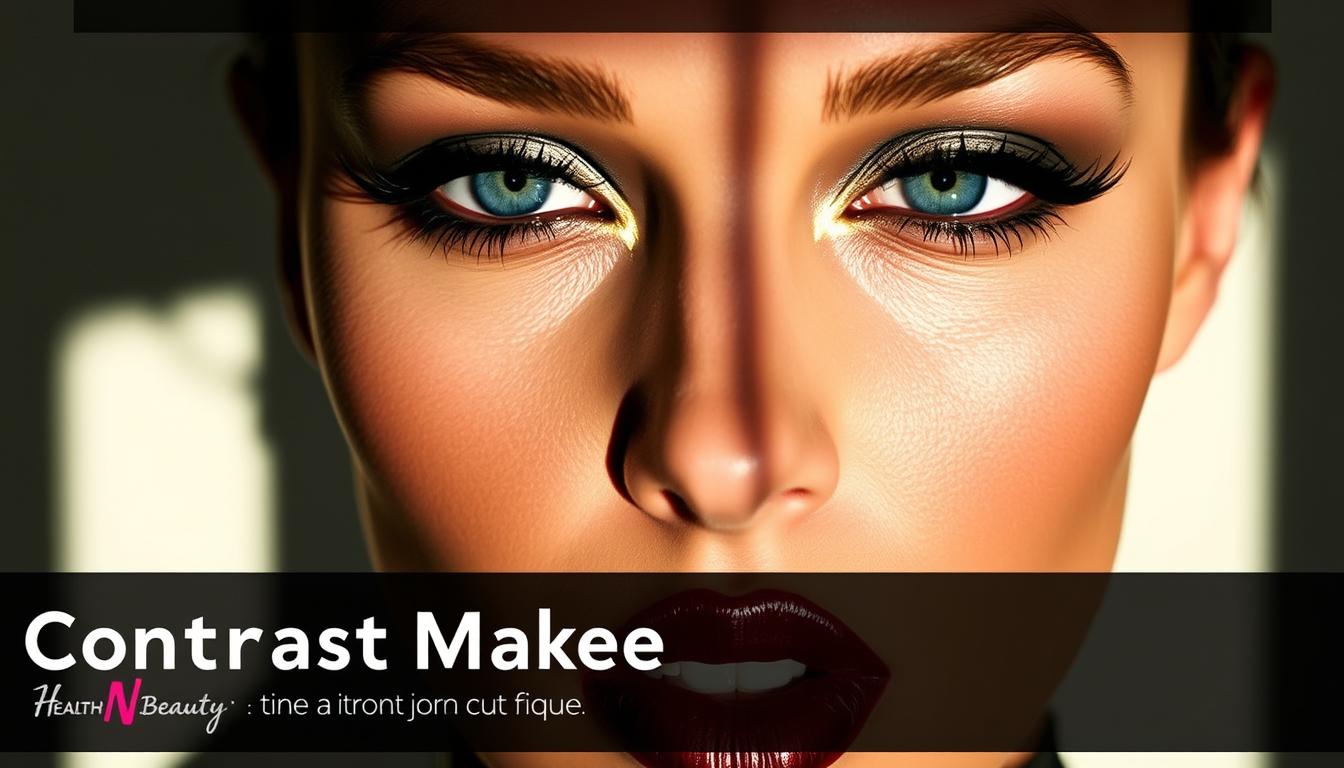
Are you tired of wearing the same makeup looks every day? Do you want to elevate your beauty routine with a bold beauty statement? The secret lies in understanding the art of contrast makeup.
Contrast makeup is more than just a trend; it’s a technique that can enhance your facial features and boost your confidence. By finding the perfect palette, you can create a look that’s both personalized and striking.
In this article, we’ll guide you through the basics of contrast makeup and provide expert tips on how to find your ideal palette. Whether you’re a makeup novice or a seasoned pro, you’ll learn how to make the most of this powerful technique.
Key Takeaways
- Understand the fundamentals of contrast makeup and its benefits
- Learn how to identify your skin tone and undertones
- Discover expert tips for choosing the perfect contrast makeup palette
- Explore different makeup looks to inspire your beauty routine
- Master the art of creating a bold beauty statement with contrast makeup
The Power of Contrast Makeup
Contrast makeup has revolutionized the beauty industry with its ability to enhance facial features. By leveraging color contrast, individuals can create dramatic, eye-catching looks that accentuate their best features.
The Science Behind Visual Contrast
Visual contrast is based on the way colors interact with each other. When colors with high contrast are placed side by side, they create a visually appealing effect. In makeup, this principle is used to draw attention to certain facial features, such as the eyes or lips.
How Contrast Enhances Facial Features
Contrast makeup can make facial features stand out by creating a balance between light and dark shades. For instance, applying a lighter shade on the high points of the face and a darker shade in the recesses can create a sculpted look.
| Feature | Light Shade Effect | Dark Shade Effect |
|---|---|---|
| Cheekbones | Highlight | Shadow |
| Eyes | Brighten | Deepen |
| Lips | Accentuate | Define |
By understanding and applying the principles of contrast makeup, individuals can enhance their natural beauty and create dramatic makeup looks for any occasion.
Identifying Your Personal Contrast Level
Your personal contrast level plays a significant role in determining the most flattering makeup techniques for you. Contrast makeup is all about enhancing your natural features using the right balance of colors.
High Contrast Features
Individuals with high contrast features typically have a significant difference between their skin tone, hair color, and eye color. For example, very fair skin with dark hair and bright eye colors creates a high contrast. To enhance this, use vibrant colors that complement your natural coloring.
Medium Contrast Features
Those with medium contrast features have a more subtle difference between their skin, hair, and eyes. This is often seen in individuals with brown hair and eyes and medium-toned skin. Soft, natural shades work well for enhancing medium contrast features without looking too harsh.
Low Contrast Features
Low contrast features are characterized by a minimal difference between skin tone, hair color, and eye color, often resulting in a monochromatic appearance. To add depth, use Contrast Makeup techniques that introduce subtle variations in color.
Analyzing Your Natural Coloring
To identify your contrast level, analyze your natural coloring by comparing your skin tone, hair color, and eye color. Consider how these elements work together and how you can enhance them with makeup. By understanding your natural contrast, you can choose the most effective makeup strategies.
Color Theory Fundamentals for Makeup
Color theory is the key to unlocking your perfect makeup palette and enhancing your bold beauty. Understanding the basics of color theory can significantly improve your makeup application skills, allowing you to create looks that are both aesthetically pleasing and tailored to your features.
To apply color theory effectively in makeup, it’s essential to familiarize yourself with a few key concepts. Let’s explore these fundamentals to help you achieve your desired makeup styles.
Complementary Colors on the Color Wheel
Complementary colors are pairs of colors that are opposite each other on the color wheel. Using complementary colors in your makeup can create a striking color contrast that enhances your features. For example, if you have blue eyes, using orange-toned eyeshadows can make them appear more vibrant.
Analogous Color Combinations
Analogous colors are groups of three colors that are next to each other on the color wheel. These color combinations are known for creating harmonious and soothing visual effects. In makeup, analogous colors can be used to create a natural, cohesive look that subtly enhances your features without creating harsh color contrast.
Understanding Warm vs. Cool Undertones
Your skin’s undertone, whether warm, cool, or neutral, plays a crucial role in determining which colors will look best on you. Warm undertones look best with earthy tones, while cool undertones are complemented by colors with blue or pink undertones.
Color Intensity and Saturation
Color intensity refers to the brightness or dullness of a color, while saturation refers to the purity or vibrancy of a color. Adjusting the intensity and saturation of the colors in your makeup can help you achieve the desired level of color contrast. For a more subtle look, you can reduce the intensity by mixing colors with their complements or neutrals.

By mastering these color theory fundamentals, you can significantly enhance your makeup skills and create looks that are tailored to your unique features and personal style.
Perfect Contrast Palettes for Different Skin Tones
The key to stunning contrast makeup lies in selecting a palette that complements your skin tone. With the right colors, you can enhance your features and create dramatic makeup looks that turn heads.
Fair Skin Palette Recommendations
For those with fair skin, it’s essential to choose palettes that add warmth without looking too harsh. Consider soft peach, champagne, and pale pink shades to create a natural contrast makeup look.
Medium Skin Tone Combinations
Medium skin tones are versatile and can pull off a wide range of colors. Earthy tones like terracotta, caramel, and soft browns work well, as do richer jewel tones for a more dramatic effect.
Deep Skin Tone Power Contrasts
Deep skin tones can rock bold, vibrant colors that create stunning contrasts. Rich berry shades, deep plums, and metallic golds can make your features pop.
Adjusting for Neutral, Olive, and Golden Undertones
Regardless of your skin tone, understanding your undertones is crucial. Neutral undertones can pull off most colors, while olive undertones look great in earthy tones. Golden undertones shine with warm, sun-kissed shades.
| Skin Tone | Ideal Colors | Contrast Makeup Tips |
|---|---|---|
| Fair | Soft peach, champagne, pale pink | Use light shades to create a natural look |
| Medium | Terracotta, caramel, soft browns, jewel tones | Experiment with earthy and rich colors |
| Deep | Rich berry shades, deep plums, metallic golds | Go bold with vibrant, deep colors |
By choosing the right contrast palette for your skin tone and understanding your undertones, you can achieve a stunning contrast makeup look that enhances your natural beauty.
Eye-Catching Contrast Makeup Techniques
Discover the power of contrast makeup techniques to transform your look. By applying the principles of contrast, you can create a bold and beautiful appearance that highlights your best features.
Mastering the Cut Crease
The cut crease technique is a popular method for creating a defined eye look. To master this technique, start by applying a primer to your eyelids. Then, use a light shade to cover the entire lid and a medium shade to fill the crease. Use a concealer to create a sharp line between the two shades, cutting the crease.
- Apply primer to your eyelids
- Use a light shade on the lid and a medium shade in the crease
- Create a sharp line with concealer
Creating the Halo Eye Effect
The halo eye effect involves applying a light shade to the center of the eyelid to create a highlighting effect. To achieve this look, apply a medium shade to the crease and blend well. Then, use a light shade on the lid and a darker shade on the outer corner.
- Apply a medium shade to the crease
- Use a light shade on the lid
- Darken the outer corner
Gradient and Ombré Lip Applications
Gradient and ombré lip techniques involve gradating colors from dark to light. To create this look, start with a light lip liner and gradually build up to a darker shade on the lips.
Contrasting Liner Techniques
Contrasting liner techniques can add a bold touch to your makeup look. Use a liner that contrasts with your natural lip color to create a statement. For example, pair a bold red lip with a black liner.
Tips for a flawless contrast makeup look:
- Blend, blend, blend to avoid harsh lines
- Choose colors that complement your skin tone
- Practice makes perfect – don’t be discouraged if it takes a few tries to get the hang of it
By incorporating these contrast makeup techniques into your routine, you can achieve a bold and beautiful look that’s sure to turn heads.
Adapting Contrast for Different Face Shapes
The key to effective contrast makeup lies in understanding and adapting to the unique contours of your face. Different face shapes can dramatically change how contrast makeup techniques are applied and perceived. By tailoring your makeup strategy to your face shape, you can enhance your natural features and create a more balanced look.
Contouring Strategies for Oval and Round Faces
For oval faces, which are considered the ideal shape for most makeup techniques, contouring can be used to subtly redefine the cheekbones and jawline. Use a contour shade that’s one to two tones deeper than your natural skin tone to create definition. Round faces benefit from contouring that creates the illusion of length. Apply contour along the sides of the face and temples to slim down the appearance.
Highlighting Techniques for Square and Heart Shapes
Square faces have strong, angular features that can be softened with highlighting techniques. Apply highlighter to the high points of the face, such as the tops of the cheekbones, nose, and cupid’s bow, to draw attention away from angular lines. Heart-shaped faces, characterized by a broader forehead and temples, benefit from highlighting the lower part of the face, particularly the center of the chin, to balance the overall appearance.
Balancing Features with Strategic Contrast
Regardless of face shape, balancing features with strategic contrast is crucial. This involves using both light and dark shades to create dimension. For instance, if you have a prominent nose, you might use a lighter shade on the nose and a darker shade on the sides to make it appear more proportional.
| Face Shape | Contouring Tips | Highlighting Tips |
|---|---|---|
| Oval | Subtly redefine cheekbones and jawline | Enhance natural glow on high points |
| Round | Create length by contouring sides and temples | Highlight cheekbones and brow bone |
| Square | Soften angular features with subtle contour | Highlight tops of cheekbones and cupid’s bow |
| Heart | Balance broad forehead with chin contour | Highlight center of chin |
By understanding and applying these contrast makeup techniques tailored to your face shape, you can significantly enhance your natural beauty and achieve a more balanced, striking appearance.
Contrast Makeup for Various Occasions
Adapting your contrast makeup look to suit different occasions can elevate your style and confidence. Whether you’re heading to a casual day out or a formal evening event, understanding how to adjust your contrast makeup is key to making a great impression.
Subtle Daytime Contrast Looks
For daytime, focus on creating a natural, subtle contrast. Use soft, neutral shades that enhance your features without looking too dramatic. A light hand when applying makeup ensures a fresh, effortless look that’s perfect for work or casual outings.
Professional Setting Appropriate Contrasts
In a professional setting, aim for a polished, sophisticated look. Enhance your natural contrast with makeup that defines your features subtly. Use a combination of matte and subtle shimmer finishes to add depth without being too flashy.
Bold Evening and Special Event Statements
Evening events and special occasions are your chance to make a statement with bold, dramatic makeup. Experiment with higher contrast colors and techniques like cut crease or halo eye effects to create a stunning look. Don’t be afraid to play with different textures and finishes to add depth and interest.
By mastering contrast makeup for various occasions, you can ensure you’re always appropriately stylish and confident, whether you’re running errands or attending a glamorous event.
Essential Products and Tools for Contrast Makeup
To master contrast makeup, it’s essential to have the right products and tools at your disposal. Creating a look that pops with vibrant colors and bold beauty requires more than just a keen eye; it demands the right arsenal of makeup techniques and products.
Multi-Finish Eyeshadow Palette Recommendations
A versatile eyeshadow palette is a cornerstone of any contrast makeup look. Look for palettes that offer a range of finishes, from matte to shimmer and glitter. These allow you to create depth and dimension on your eyelids, enhancing the contrast between different areas of your face.
For a bold beauty look, consider palettes with vibrant colors that can be used to create a variety of effects, from subtle transitions to dramatic statements.
Precision Brushes and Application Tools
The right brushes can make all the difference in applying contrast makeup effectively. Invest in precision brushes that allow for sharp lines and detailed work, especially around the eyes and lips where contrast is often most pronounced.
Setting Products for Long-Lasting Contrast
To ensure your contrast makeup lasts throughout the day or night, use a setting spray or powder. These products help lock in your look, preventing the colors from fading or getting oily.
Investment Pieces vs. Budget-Friendly Options
While high-end products can offer superior quality and performance, there are also many budget-friendly options that can deliver great results. When choosing products for contrast makeup, consider your budget and the frequency with which you plan to use the products.
By combining the right products with skilled makeup techniques, you can achieve a look that showcases your unique style and enhances your features with vibrant colors.
Common Contrast Makeup Mistakes to Avoid
Contrast makeup, when done correctly, can be breathtaking, but there are several mistakes to watch out for. Understanding these common errors can help you achieve a more striking and harmonious look.
Overwhelming Color Combinations
One of the most common mistakes is using too many bold or clashing colors. This can make your face look chaotic rather than captivating. Stick to a maximum of three main colors that complement each other and your skin tone.
Poor Blending Techniques
Failing to blend your makeup properly can lead to harsh lines and an unnatural appearance. Use a gentle blending brush to soften edges, especially around the eyes and lips.
Neglecting Proper Skin Preparation
Not preparing your skin before applying contrast makeup can result in uneven application and reduced longevity. Always moisturize and prime your skin before makeup.
Balance Issues Between Features
A common issue is over-emphasizing one feature while neglecting others. For instance, if you’re doing a bold eye look, balance it with a more subtle lip color. Refer to the table below for tips on balancing features:
| Feature | Bold Look | Balancing Act |
|---|---|---|
| Eyes | Dark smoky eyes | Subtle lip color |
| Lips | Bright lip color | Natural eye makeup |
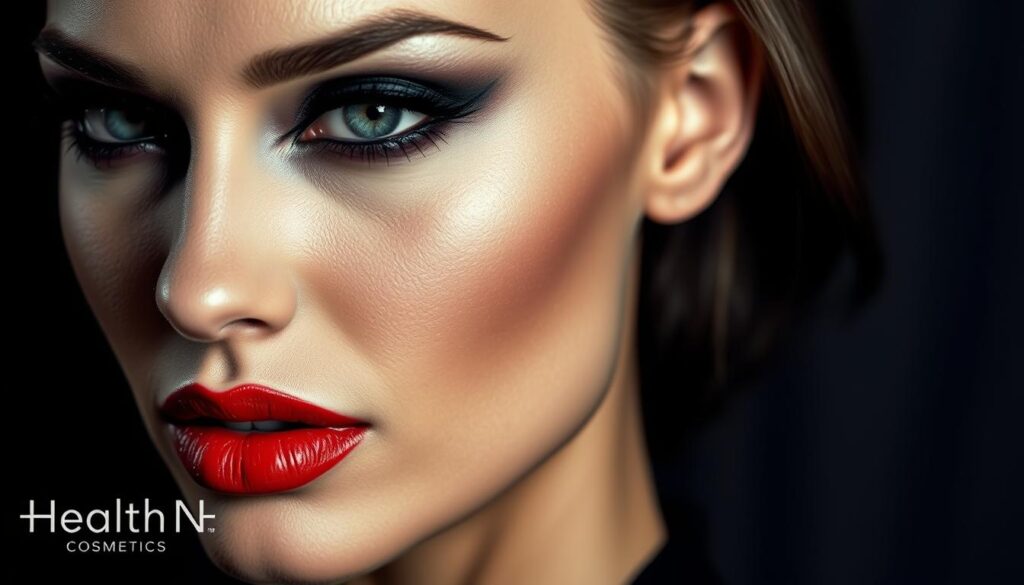
By avoiding these common mistakes, you can enhance your contrast makeup look and ensure it complements your features. Remember, practice makes perfect, so don’t be discouraged by initial attempts.
Conclusion: Embracing Your Unique Contrast Style
Embracing your unique contrast style is all about understanding how to enhance your features with Contrast Makeup. By identifying your personal contrast level and mastering color theory fundamentals, you can create stunning makeup looks that accentuate your natural beauty.
Experimenting with different techniques and products allows you to discover what works best for you, whether you’re aiming for a subtle daytime look or a bold beauty statement for a special occasion. Remember, contrast makeup is a powerful tool for self-expression, enabling you to highlight your best features and boost your confidence.
As you continue to explore the world of contrast makeup, don’t be afraid to try new things and push beyond your comfort zone. With practice and patience, you’ll develop a personalized style that makes you feel beautiful and empowered.
FAQ
What is contrast makeup and how does it enhance facial features?
Contrast makeup refers to the use of different colors and shades to create a visually appealing contrast that enhances facial features. By applying contrasting colors, individuals can accentuate their best features and create a more defined look.
How do I determine my personal contrast level?
To determine your personal contrast level, analyze your natural coloring, including your skin tone, hair color, and eye color. You can be categorized into high, medium, or low contrast based on these characteristics.
What are some essential products for creating a contrast makeup look?
Essential products for contrast makeup include multi-finish eyeshadow palettes, precision brushes, and setting products. These tools help create a variety of contrast looks, from subtle to dramatic.
How can I adapt contrast makeup for different occasions?
To adapt contrast makeup for different occasions, adjust the intensity and color palette of your look. For example, opt for subtle contrast for daytime or professional settings, and bold contrast for evening or special events.
What are some common mistakes to avoid in contrast makeup?
Common mistakes to avoid in contrast makeup include overwhelming color combinations, poor blending techniques, and neglecting proper skin preparation. Balance is key to achieving a harmonious contrast makeup look.
Can contrast makeup be used on different skin tones?
Yes, contrast makeup can be used on various skin tones. The key is to choose colors that complement your skin tone, such as fair, medium, or deep skin tone palettes, and adjust for neutral, olive, or golden undertones.
How can I master contrast makeup techniques like cut crease or halo eye effect?
To master contrast makeup techniques, practice is essential. Start by learning the basics of each technique, and then experiment with different products and tools to achieve the desired look.