
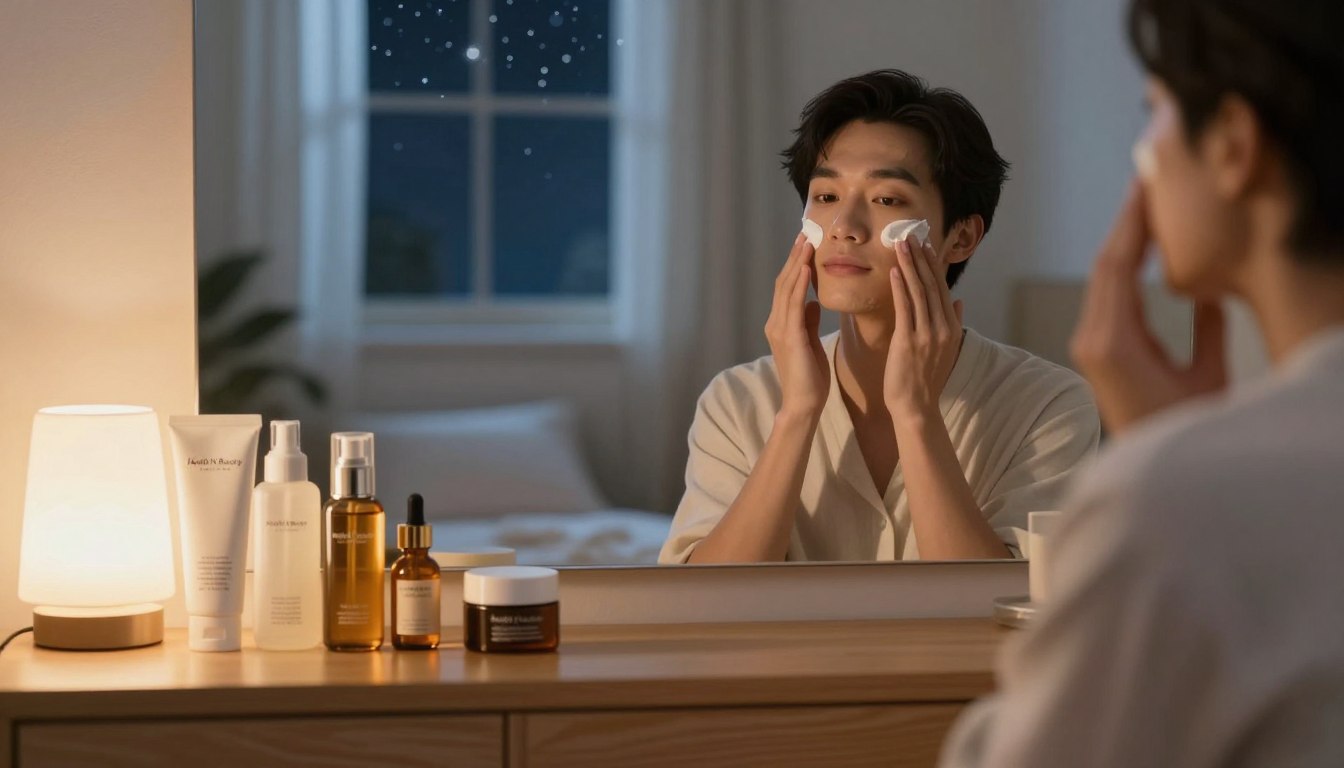
A consistent skincare regimen is essential for maintaining healthy, glowing skin. While many of us focus on our morning routine, the steps we take before bed can be just as crucial.
During the day, our skin is exposed to various environmental stressors, such as pollution and UV rays. A night skincare routine helps to repair and rejuvenate the skin, counteracting the negative effects of the day.
By incorporating a thoughtful skincare routine into your evening regimen, you can wake up to healthier, more radiant skin. This article will explore the benefits of a consistent skincare practice and provide guidance on how to create an effective routine.
Key Takeaways
- Understand the importance of a consistent skincare routine.
- Learn how a night skincare routine can improve skin health.
- Discover the benefits of repairing and rejuvenating your skin overnight.
- Get tips on creating an effective skincare routine tailored to your needs.
- Explore the role of a well-planned skincare regimen in achieving healthy, glowing skin.
The Science of Skin Regeneration During Sleep
As we sleep, our skin is hard at work, regenerating and repairing the damage incurred during the day. This process is crucial for maintaining healthy, youthful-looking skin.
How Your Skin Repairs Itself at Night
During sleep, your skin undergoes various repair mechanisms. The body’s natural repair processes are enhanced, with increased blood flow and the release of growth hormones that help to regenerate skin cells. This results in improved skin elasticity and a reduction in fine lines and wrinkles.
Skin regeneration is facilitated by the increased production of certain proteins and the enhanced activity of cellular pathways responsible for repair.
The Circadian Rhythm and Skin Health
The circadian rhythm plays a significant role in regulating skin health. It influences the skin’s natural barrier function, hydration levels, and its ability to repair itself. Understanding and working with your circadian rhythm can help optimize your skin’s natural regeneration processes, leading to healthier and more resilient skin.
By synchronizing your skincare routine with your body’s natural rhythms, you can enhance the effectiveness of your products and support your skin’s natural repair mechanisms.
Why a Night Skincare Routine Is Essential for Skin Health
A well-structured night skincare routine plays a significant role in enhancing skin health. During sleep, the skin undergoes a natural regeneration process, and a night skincare routine can support this process.

Enhanced Product Absorption During Sleep
At night, the skin is more permeable, allowing for better absorption of skincare products. This means that active ingredients can penetrate deeper into the skin, maximizing their effectiveness. Products containing retinoids and peptides are particularly beneficial when applied at night, as they can stimulate collagen production and cell turnover.
Protection Against Free Radical Damage
Free radicals can cause significant damage to the skin, leading to premature aging and skin concerns. A night skincare routine that includes antioxidants can help neutralize free radicals and protect the skin. Ingredients like vitamin C and ferulic acid are potent antioxidants that can be applied at night to safeguard the skin.
Supporting Natural Skin Barrier Function
The skin’s natural barrier function is crucial for maintaining hydration and protecting against environmental stressors. A night skincare routine can help support this barrier by incorporating ingredients like hyaluronic acid and ceramides. These ingredients help lock in moisture and repair the skin’s barrier, ensuring that it remains healthy and resilient.
| Key Ingredient | Benefit | Example |
|---|---|---|
| Retinoids | Stimulates collagen production and cell turnover | Retinol |
| Antioxidants | Neutralizes free radicals | Vitamin C, Ferulic Acid |
| Hyaluronic Acid | Locks in moisture | Hyaluronic Acid Serum |
Building an Effective Night Skincare Routine
To unlock the full potential of your skin’s nighttime repair mechanisms, a tailored skincare routine is essential. This involves a series of steps that work together to enhance your skin’s natural regeneration process.
Double Cleansing Method
The double cleansing method is a fundamental step in any night skincare routine. It begins with an oil-based cleanser to remove makeup and sebum, followed by a water-based cleanser to deep clean the pores.
Oil-Based Cleanser Benefits
An oil-based cleanser effectively dissolves and removes makeup, sunscreen, and excess sebum without stripping the skin of its natural oils. This step is crucial for maintaining the skin’s barrier function.
Water-Based Cleanser Follow-Up
A water-based cleanser then deep cleans the pores, removing any remaining impurities and preparing the skin for subsequent products. This ensures a clean canvas for the application of treatment products.

Toning for pH Balance
Toning is a critical step that helps balance the skin’s pH after cleansing. It prepares the skin to better absorb the active ingredients in treatment products. A toner can also help to remove any residual impurities.
Treatment Products Application
Applying treatment products is where you target specific skin concerns such as acne, aging, or hyperpigmentation. Products containing retinoids, peptides, or vitamin C can be particularly effective when applied at night.
Moisturizing and Occlusion
Finally, moisturizing and occluding help to lock in the previous products and provide a barrier against environmental stressors. A night cream or moisturizer can contain ingredients like hyaluronic acid and ceramides to hydrate and repair the skin.
As Dr. Joshua Zeichner, a dermatologist, notes, “The key to a successful night skincare routine is consistency and using products that are tailored to your skin type and concerns.” By following these steps and being consistent, you can significantly improve the health and appearance of your skin.
Key Ingredients to Look for in Night Skincare Products
To maximize the benefits of your night skincare routine, it’s essential to choose products with proven, effective ingredients. Night skincare products are formulated to work in harmony with your skin’s natural repair processes that occur during sleep. The right combination of ingredients can address various skin concerns, from aging and dryness to hyperpigmentation and loss of firmness.

Retinoids and Their Benefits
Retinoids, derivatives of vitamin A, are renowned for their anti-aging properties. They help in promoting cell turnover, reducing the appearance of fine lines and wrinkles, and enhancing skin texture. Regular use of retinoids can lead to smoother, more youthful-looking skin.
Peptides for Collagen Production
Peptides are short chains of amino acids that serve as building blocks for proteins like collagen and elastin. They play a crucial role in boosting collagen production, thereby improving skin elasticity and firmness. Incorporating peptides into your night skincare can help in achieving more resilient and youthful skin.
Hyaluronic Acid for Hydration
Hyaluronic acid is a powerful humectant that can retain up to 1000 times its weight in water, making it an excellent ingredient for hydrating the skin. It helps in maintaining the skin’s moisture barrier, ensuring that your skin remains supple and hydrated throughout the night.
Antioxidants and Repair Agents
Antioxidants such as vitamin C and E, along with repair agents like niacinamide, work to neutralize free radicals and repair skin damage. These ingredients are vital in protecting the skin from environmental stressors and promoting overall skin health.
Customizing Your Night Skincare Routine for Different Skin Types
Customizing your night skincare routine according to your skin type can significantly enhance its effectiveness. Different skin types have unique needs, and understanding these needs is key to achieving healthier, more radiant skin.
Dry Skin Night Regimen
For dry skin, the focus should be on intense hydration and nourishment. A dry skin night regimen should aim at locking in moisture and supporting the skin’s natural barrier function.
Hydrating Ingredients to Seek
Look for products containing hyaluronic acid, glycerin, and ceramides. These ingredients help retain moisture and soothe dryness.
Layering Techniques
Apply products in layers, starting with a hydrating serum, followed by a moisturizer, and finishing with an occlusive layer to lock in the previous products. This technique helps in maximizing hydration.

Oily and Acne-Prone Skin Solutions
Oily and acne-prone skin requires a different approach, focusing on controlling oil production and preventing breakouts without over-drying the skin.
Non-Comedogenic Options
Choose products labeled “non-comedogenic” or “oil-free” as they are less likely to clog pores. Ingredients like salicylic acid and benzoyl peroxide are beneficial for acne control.
Balancing Treatments
Use a lightweight, oil-free moisturizer to keep the skin hydrated without exacerbating oiliness. Treatments containing retinoids can help regulate skin turnover and reduce acne.
Combination Skin Balancing Act
For combination skin, the challenge is to balance the oily and dry areas. Use products that can address both concerns without irritating the skin.
- Use a gentle, non-comedogenic cleanser.
- Apply a lightweight moisturizer to the dry areas.
- Treat oily areas with products containing salicylic acid.
Sensitive Skin Gentle Approach
Sensitive skin requires a gentle, fragrance-free skincare routine to minimize irritation. Look for products with soothing ingredients like aloe vera and green tea.
By tailoring your night skincare routine to your specific skin type, you can address your skin’s unique needs more effectively, leading to healthier and more radiant skin over time.
Age-Specific Night Skincare Strategies
Different age groups have unique skin requirements, making age-specific night skincare crucial. As we age, our skin undergoes various changes that affect its texture, elasticity, and overall health. Tailoring your night skincare routine to your age group can help address specific concerns and maintain healthy, youthful-looking skin.
20s: Prevention and Protection
In your 20s, the focus should be on prevention and protection. Establishing a consistent night skincare routine can help prevent early signs of aging. Use products containing antioxidants to combat free radical damage and maintain skin hydration with lightweight moisturizers.
30s: Early Intervention
During your 30s, early intervention becomes key. Fine lines, wrinkles, and skin discoloration may start to appear. Incorporate products with retinoids to stimulate collagen production and improve skin texture. Hyaluronic acid serums can provide intense hydration, reducing the appearance of fine lines.
40s: Intensive Repair
In your 40s, the focus shifts to intensive repair. Skin may lose more elasticity, and signs of aging become more pronounced. Use richer, more nourishing products that contain peptides to enhance collagen production. Exfoliate regularly to remove dead skin cells and improve skin turnover.
50+ Comprehensive Rejuvenation
For those over 50, comprehensive rejuvenation is essential. The skin’s natural repair processes slow down, and it may become drier and thinner. Use gentle, hydrating products that support the skin’s barrier function. Look for products with ingredients like ceramides and niacinamide to improve skin elasticity and reduce the appearance of deep wrinkles.
Common Night Skincare Routine Mistakes to Avoid
The path to radiant skin is often paved with good intentions, but common mistakes can hinder progress. A well-crafted night skincare routine is essential for achieving healthy, glowing skin, but several pitfalls can undermine its effectiveness.
Over-Exfoliation Dangers
Over-exfoliation can strip the skin of its natural oils, leading to irritation and dryness. Limit exfoliation to 1-3 times a week, depending on your skin type and product used.
Product Layering Errors
Incorrect product layering can significantly reduce the efficacy of your skincare routine. Apply products from thinnest to thickest consistency to ensure optimal absorption.
Timing Issues
Timing is crucial in a night skincare routine. Apply products too early, and they may wear off before bed; too late, and you might not give them enough time to work.
Neglecting Specific Areas
Neglecting areas like the neck and hands can lead to premature aging. Extend your skincare routine to these often-overlooked areas for comprehensive care.
| Common Mistake | Consequence | Correction |
|---|---|---|
| Over-exfoliation | Irritation, dryness | Limit to 1-3 times a week |
| Incorrect product layering | Reduced product efficacy | Apply from thinnest to thickest |
| Poor timing | Reduced product absorption | Apply at optimal time before bed |
By avoiding these common mistakes, you can maximize the benefits of your night skincare routine and achieve the glowing, healthy skin you desire.
Seasonal Adjustments to Your Night Skincare Routine
As the seasons change, your night skincare routine should adapt to address the unique challenges each brings. Adjusting your skincare to the current season is crucial for maintaining healthy, resilient skin throughout the year.
Winter Hydration Strategies
During winter, the cold, dry air can strip your skin of its natural moisture, leading to dryness and irritation. To combat this, incorporate richer, more hydrating products into your night routine. Look for moisturizers containing hyaluronic acid, ceramides, or niacinamide, which help lock in moisture and support the skin’s barrier function.
Summer Lightweight Solutions
In the summer, the focus shifts to controlling oil production and protecting the skin from sun damage. Use lightweight, non-comedogenic products that won’t clog pores. Incorporate products with antioxidants like vitamin C to combat free radical damage caused by UV exposure.
Transitional Season Adaptations
During the spring and autumn, your skin may need a balance between hydration and oil control. These transitional seasons are ideal for adjusting your product layers. For instance, you might start with lighter products in spring and gradually move to richer formulations as autumn progresses.
| Season | Skincare Focus | Key Ingredients |
|---|---|---|
| Winter | Hydration and Moisture | Hyaluronic acid, Ceramides, Niacinamide |
| Summer | Oil Control and Protection | Antioxidants (Vitamin C), Lightweight moisturizers |
| Spring/Autumn | Balancing Hydration and Oil | Adaptable moisturizers, Balancing serums |
By adjusting your night skincare routine according to the season, you can better address your skin’s changing needs and maintain a healthy, balanced complexion year-round.
The Connection Between Sleep Quality and Skin Health
The relationship between sleep quality and skin health is more intertwined than one might think. During sleep, our body repairs and regenerates damaged cells, builds bone and muscle, and strengthens our immune systems. For skin health, this means that sleep plays a critical role in its regeneration and repair processes.
How Poor Sleep Affects Your Skin
Poor sleep can have a detrimental effect on the skin. It can lead to increased inflammation, which exacerbates conditions like acne, psoriasis, and eczema. Furthermore, lack of quality sleep can impair the skin’s natural barrier function, leading to moisture loss and a dull complexion. As Dr. Jane Smith, a dermatologist, notes, “Sleep deprivation can lead to puffy eyes, dark circles, and a pale complexion, making the skin look older than it actually is.”
Additionally, poor sleep can affect the skin’s ability to recover from environmental stressors, such as UV exposure and pollution, making it more susceptible to damage.
Sleep-Enhancing Tips for Better Skin
To improve sleep quality and, by extension, skin health, several strategies can be employed. Establishing a consistent sleep schedule helps regulate the body’s internal clock. Creating a sleep-conducive environment, such as keeping the bedroom cool, dark, and quiet, can also enhance sleep quality. Avoiding caffeine and electronic devices before bedtime is another crucial tip, as it can significantly impact one’s ability to fall asleep.
As
“A good night’s sleep is a cornerstone of health, including skin health,”
emphasizes the importance of prioritizing sleep for overall well-being.
Transformative Benefits of a Consistent Night Skincare Routine
The transformative power of a consistent night skincare routine is backed by science. By understanding how our skin regenerates and repairs itself during sleep, we can harness the full potential of a well-crafted skincare regimen.
Short-Term Improvements
In the short term, a consistent night skincare routine can lead to noticeable improvements in skin texture and appearance. Enhanced product absorption during sleep allows active ingredients to penetrate deeper into the skin, resulting in a more radiant complexion. Users often report smoother skin and a reduction in minor imperfections within a few weeks of starting a consistent routine.
Long-Term Anti-Aging Effects
Long-term adherence to a night skincare routine can have significant anti-aging benefits. Ingredients like retinoids and peptides work over time to stimulate collagen production, reducing fine lines and wrinkles. As a result, consistent skincare can lead to more youthful-looking skin and a decrease in visible signs of aging.
Psychological Benefits of Self-Care
Beyond the physical benefits, a consistent night skincare routine offers psychological benefits as a form of self-care. The ritualistic nature of skincare can be meditative, providing a moment of calm before bed. As one skincare expert notes, “Skincare is not just about the products you apply, but about the care you give yourself.” This practice can enhance overall well-being and promote a positive self-image.
By incorporating a consistent night skincare routine into your daily regimen, you can experience these transformative benefits firsthand. As the skin continues to regenerate and repair itself, the results of a well-maintained routine become increasingly apparent, leading to healthier, more resilient skin over time.
Embracing the Night: Making Skincare a Mindful Evening Ritual
Transforming your night skincare routine into a mindful evening ritual can have a profound impact on both your skin and overall well-being. By incorporating elements of self-care and mindfulness, you can enhance the effectiveness of your skincare products and create a calming pre-sleep routine.
As you’ve learned, a consistent night skincare routine is crucial for maintaining healthy, resilient skin. By making this routine a mindful skincare practice, you can further amplify its benefits. Take a moment to breathe, relax, and focus on the sensations and textures of the products you’re using. This evening ritual can become a therapeutic experience, helping to reduce stress and prepare your mind and body for restful sleep.
Embracing this holistic approach to skincare encourages a deeper connection with your body and promotes a sense of self-care. As you cultivate this mindful skincare practice, you’ll not only be nurturing your skin but also contributing to your overall sense of well-being. Make the most of your evening ritual by being present, letting go of distractions, and savoring the moment.
FAQ
What is the importance of a night skincare routine?
A night skincare routine is essential for maintaining skin health, as it allows for the repair and regeneration of skin cells during sleep, enhancing product absorption, and protecting against free radical damage.
How does the circadian rhythm affect skin health?
The circadian rhythm plays a crucial role in skin health, as it regulates the natural processes of skin regeneration, hydration, and repair, which occur during sleep.
What are the benefits of double cleansing?
Double cleansing, using an oil-based cleanser followed by a water-based cleanser, effectively removes dirt, makeup, and impurities, preparing the skin for subsequent products and enhancing their absorption.
What key ingredients should I look for in night skincare products?
Look for ingredients like retinoids, peptides, hyaluronic acid, and antioxidants, which provide benefits such as collagen production, hydration, and protection against environmental stressors.
How can I customize my night skincare routine for my skin type?
Tailor your routine according to your skin type: dry skin requires hydrating ingredients, oily skin benefits from non-comedogenic products, combination skin needs balancing treatments, and sensitive skin demands gentle, fragrance-free products.
What are common mistakes to avoid in a night skincare routine?
Avoid over-exfoliation, incorrect product layering, timing issues, and neglecting specific areas like the neck and hands, as these can lead to irritation, reduced product efficacy, and uneven skin tone.
How can I adjust my night skincare routine for different seasons?
Adjust your routine to accommodate seasonal changes: use hydrating products in winter, lightweight products in summer, and adapt your products during transitional seasons to maintain optimal skin health.
What is the connection between sleep quality and skin health?
Poor sleep quality can negatively impact skin health, leading to issues like dark circles, puffiness, and dull skin, while good sleep quality enhances skin regeneration, hydration, and overall appearance.
What are the benefits of a consistent night skincare routine?
A consistent night skincare routine can lead to short-term improvements, long-term anti-aging effects, and psychological benefits, promoting a holistic approach to skincare and overall well-being.