

In today’s fast-paced world, prioritizing mental health is crucial for overall well-being. Incorporating self-care routines into your daily life can significantly enhance your quality of life.
By adopting simple yet effective daily self-care habits, you can better manage stress, improve your mood, and increase productivity. This article will explore the essential practices that can help you elevate your day and maintain a healthy work-life balance.
Key Takeaways
- Understanding the importance of self-care for mental health
- Simple self-care routines to incorporate into daily life
- Benefits of prioritizing self-care for overall well-being
- Practical tips for maintaining a healthy work-life balance
- Effective daily habits to reduce stress and improve mood
Understanding the Power of Daily Self-Care
In today’s fast-paced world, understanding the power of daily self-care is crucial for a healthier lifestyle. As we navigate through various responsibilities and stressors, it’s easy to overlook our own well-being. However, self-care is not just a luxury; it’s a necessity for maintaining a balanced life.
What Self-Care Really Means
Self-care encompasses a wide range of activities that promote physical, emotional, and mental health. It’s about being mindful of your needs and taking proactive steps to care for yourself. This can include simple practices like taking a relaxing bath, reading a book, or engaging in a hobby you enjoy. Effective self-care is personalized and intentional, focusing on what rejuvenates and fulfills you.
The Science Behind Self-Care Benefits
Research has shown that self-care has numerous benefits for our overall health. Engaging in regular self-care practices can lead to reduced stress levels, improved mood, and enhanced resilience. For instance, activities like meditation and yoga have been shown to positively impact mental health by reducing anxiety and depression symptoms. Moreover, self-care can improve sleep quality, boost the immune system, and increase productivity.
Dispelling Common Self-Care Myths
Despite its growing popularity, self-care is often misunderstood. Here are a few common myths:
- Myth: Self-care is selfish. Reality: It’s essential for being able to care for others.
- Myth: Self-care requires a lot of time. Reality: Even small moments can make a difference.
- Myth: Self-care is expensive. Reality: Many self-care practices are free or low-cost.
By understanding the true meaning of self-care, appreciating its benefits, and dispelling common myths, we can harness its power to improve our daily lives.
Morning Self-Care Rituals to Start Your Day Right
Beginning your day with intention and mindfulness can lead to a more fulfilling life. A well-structured morning routine is more than just a series of tasks; it’s an opportunity to set positive intentions for the day ahead.
Mindful Morning Routines
Incorporating mindfulness into your morning can be as simple as taking a few deep breaths or enjoying a quiet moment of meditation. Mindful mornings help in reducing stress and increasing clarity. Consider starting with a short mindfulness exercise:
- Take 5 deep breaths
- Enjoy a quiet moment of meditation
- Practice gentle stretches
Energizing Breakfast Choices
A nutritious breakfast is crucial for energizing your day. Opt for a breakfast that combines proteins, healthy fats, and complex carbohydrates. Some energizing breakfast choices include:
- Oatmeal with fruits and nuts
- Scrambled eggs with whole-grain toast
- Greek yogurt with berries and honey
Setting Positive Intentions
Setting positive intentions helps in focusing your efforts and achieving your goals. Take a moment each morning to reflect on what you want to accomplish.
Morning Affirmations That Work
Using morning affirmations can be a powerful way to set a positive tone for the day. As noted by experts, “Repeating affirmations can rewire your brain to focus on the positive aspects of your life.” Some effective affirmations include:
“Today is a new day full of opportunities.”
“I am capable and confident in all that I do.”
Repeating these affirmations daily can help in cultivating a positive mindset.
Physical Self-Care Habits for Optimal Health
To achieve optimal health, it’s essential to prioritize physical self-care habits that nourish your body. By incorporating these practices into your daily routine, you can significantly enhance your overall well-being.
Movement and Exercise Practices
Regular movement and exercise are crucial components of physical self-care. Engaging in physical activities not only improves your physical health but also boosts your mental well-being. Whether it’s a brisk walk, a yoga session, or a vigorous workout at the gym, finding an exercise routine that you enjoy is key to maintaining consistency.
Nutrition as Self-Care
Nutrition plays a vital role in physical self-care. Consuming a balanced diet rich in whole foods, fruits, and vegetables provides your body with the necessary nutrients to function optimally. It’s about making informed choices that support your health and well-being, rather than following restrictive diets.
The Importance of Proper Hydration
Proper hydration is another critical aspect of physical self-care. Adequate water intake helps maintain your body’s functions, from regulating temperature to facilitating the transport of nutrients. Ensuring you drink enough water throughout the day is a simple yet effective self-care practice.
Micro-Workouts for Busy Days
For those with busy schedules, incorporating micro-workouts can be a practical solution. These short bursts of exercise can be done during breaks at work, while watching TV, or even during commercial breaks. Examples include stretching, jumping jacks, or a quick set of push-ups. Micro-workouts help keep you active even on the busiest of days.
Mental Self-Care Practices for Clarity and Focus
In a world filled with distractions, practicing mental self-care can significantly enhance our ability to concentrate. Mental clarity is foundational to productivity and overall well-being. By incorporating specific practices into our daily routine, we can improve our focus and mental agility.
Mindfulness and Meditation Techniques
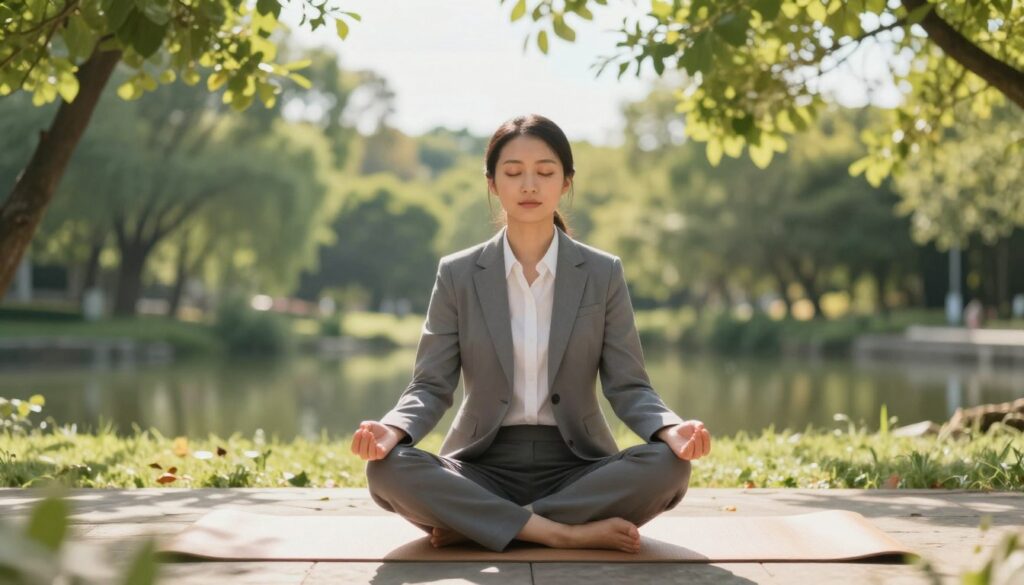
Mindfulness and meditation are powerful tools for mental self-care. These practices help calm the mind, reduce stress, and improve concentration. Regular meditation can lead to increased gray matter in the brain, enhancing cognitive functions such as memory and learning.
Brain-Boosting Activities
Engaging in brain-boosting activities is another effective way to support mental self-care. Activities such as puzzles, reading, and learning a new skill can stimulate the brain and promote neuroplasticity. These activities not only keep the mind sharp but also provide a sense of accomplishment and joy.
Digital Detox Strategies
In today’s digital age, implementing digital detox strategies is crucial for mental clarity. Setting aside device-free times or days can help reduce mental clutter and improve focus. A digital detox can involve simple actions like turning off notifications during meals or dedicating an hour before bed to reading or relaxation.
5-Minute Mental Resets
For busy moments, quick mental resets can be incredibly beneficial. Here are a few strategies:
- Deep breathing exercises
- Short meditation sessions
- A brief walk outside
| Mental Reset Technique | Duration | Benefits |
|---|---|---|
| Deep Breathing | 2 minutes | Reduces stress, improves oxygen flow |
| Short Meditation | 3 minutes | Enhances focus, calms the mind |
| Brief Walk | 5 minutes | Boosts mood, increases energy |
By integrating these mental self-care practices into our daily lives, we can achieve greater clarity and focus, leading to a more balanced and fulfilling life.
Emotional Self-Care to Nurture Your Inner World
Emotional self-care is the foundation upon which a healthy, resilient you is built. It’s about being intentional with your feelings, understanding your emotional landscape, and taking proactive steps to nurture your inner world.
Acknowledging and Processing Feelings
A crucial aspect of emotional self-care is acknowledging your feelings. This involves recognizing and accepting your emotions, rather than suppressing or denying them. By doing so, you create space to process your feelings in a healthy way.
Processing your emotions can be done through various techniques, such as talking to a trusted friend or therapist, engaging in a creative activity, or simply allowing yourself to feel your emotions without judgment.
Journaling for Emotional Release
Journaling is a powerful tool for emotional release. By putting your thoughts and feelings into words, you can gain clarity on your emotional state and release pent-up emotions. Regular journaling can also help you identify patterns and triggers, enabling you to develop more effective coping strategies.
Setting Healthy Boundaries
Setting healthy boundaries is essential for maintaining emotional well-being. This involves being clear about your limits and communicating them assertively to others. By doing so, you protect your emotional energy and prevent burnout.
Emotional Check-In Practices
Regular emotional check-ins can help you stay attuned to your feelings and respond to your emotional needs. This can be as simple as taking a few moments each day to reflect on your emotions, or scheduling regular time for self-reflection.
By incorporating these emotional self-care practices into your daily life, you can cultivate a deeper understanding of yourself and enhance your overall well-being.
Essential Daily Self-Care Habits for Stress Management
To manage stress effectively, it’s essential to adopt daily self-care habits that promote relaxation and well-being. Stress management is a critical aspect of maintaining overall health, and certain practices can significantly reduce daily stress levels.
Breathing Techniques for Instant Calm
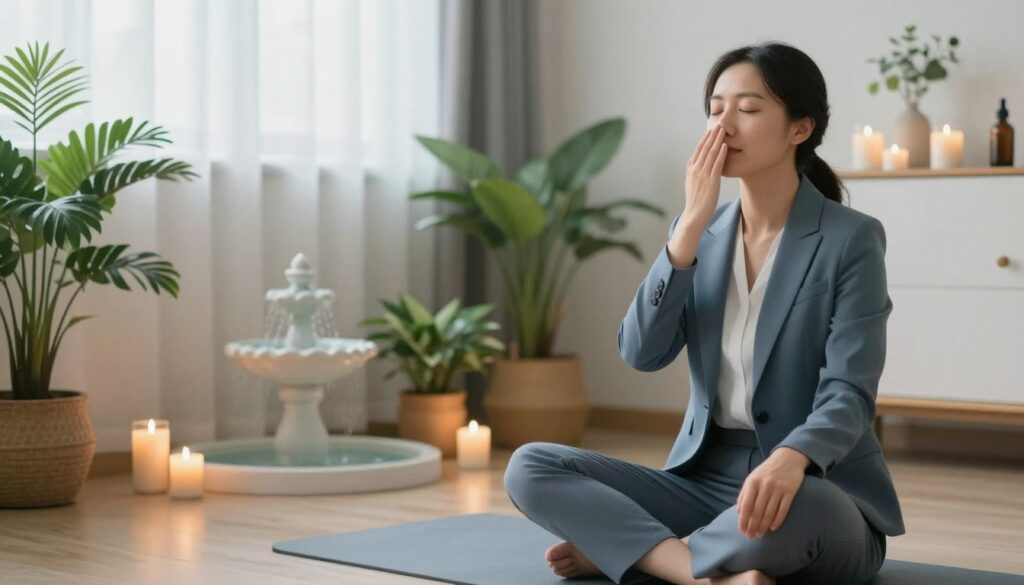
One of the simplest yet most effective stress management techniques is conscious breathing. Practices such as diaphragmatic breathing can calm the mind and reduce stress instantly. By focusing on deep, slow breaths, individuals can lower their heart rate and promote relaxation.
Stress-Reducing Activities
Engaging in stress-reducing activities is another vital aspect of daily self-care. Activities like yoga, walking, or meditation can help alleviate stress. Regular exercise not only improves physical health but also enhances mental well-being by releasing endorphins, which are natural mood lifters.
Creating Moments of Peace Throughout the Day
Creating moments of peace throughout the day can significantly impact stress levels. Taking short breaks to practice deep breathing, stretching, or simply enjoying a cup of tea can provide a much-needed respite from a hectic schedule.
Adapting to High-Pressure Situations
In high-pressure situations, it’s crucial to have adaptable stress management techniques. Techniques such as mindfulness meditation can be particularly effective, helping individuals stay present and focused under stress.
Workplace Self-Care Strategies
Implementing workplace self-care strategies is crucial for maintaining overall well-being in today’s fast-paced work environment. By incorporating simple yet effective practices, employees can improve their productivity, reduce stress, and enhance their overall job satisfaction.
Ergonomic Adjustments for Physical Comfort
Making ergonomic adjustments is a fundamental aspect of workplace self-care. Ensuring that your workspace is set up to promote physical comfort can significantly reduce the risk of injury and discomfort. This includes adjusting your chair height, monitor angle, and keyboard position to create an ergonomic workspace.
Managing Work-Related Stress
Managing work-related stress is critical for maintaining mental health. Techniques such as taking regular breaks, practicing deep breathing exercises, and setting realistic goals can help mitigate stress. As “You can’t pour from an empty cup”, prioritizing your own well-being is essential for managing work-related pressure.
Maintaining Work-Life Balance
Achieving a healthy work-life balance is vital for overall well-being. This involves setting clear boundaries between work and personal life, such as avoiding work emails during personal time and scheduling time for hobbies and relaxation.
Self-Care for Remote Workers
For remote workers, maintaining a healthy work-life balance can be particularly challenging. Creating a dedicated workspace and establishing a routine can help separate work from personal life. Remote workers should also prioritize staying connected with colleagues and friends to combat isolation.
Social Self-Care: Nurturing Relationships
Social self-care is about cultivating meaningful connections that enrich our lives and support our mental health. Nurturing relationships is essential for our emotional and psychological well-being.
Meaningful Connection Practices
Engaging in activities that promote deep conversations and shared experiences can strengthen bonds with others. This can include joining clubs or groups that align with your interests or scheduling regular check-ins with friends and family.
Setting Boundaries in Relationships
Establishing healthy boundaries is crucial for maintaining positive relationships. It’s about understanding your limits and communicating them clearly to others.
The Power of Community
Being part of a community provides a sense of belonging and support. Whether it’s a neighborhood group, a professional network, or an online forum, community connections can significantly enhance our social self-care.
Digital Connection Without Burnout
In today’s digital age, it’s easy to get caught up in social media and online interactions. However, it’s essential to maintain a balance to avoid burnout. Setting boundaries around your digital interactions, such as limiting screen time or engaging in online communities that foster meaningful connections, can help.

By prioritizing social self-care and nurturing our relationships, we can build a stronger support network and enhance our overall well-being.
Spiritual Self-Care for Inner Peace
Embracing spiritual self-care is a powerful way to foster inner peace and resilience. This aspect of self-care involves practices that help you connect with something greater than yourself, find meaning, and cultivate a sense of purpose.
Practices for Spiritual Nourishment
Engaging in spiritual practices such as meditation, prayer, or reading spiritual texts can provide nourishment for your soul. These activities help you reflect, recharge, and gain a deeper understanding of yourself and your place in the world.
Connecting with Nature
Spending time in nature is a profound way to connect with the world around you. Activities like walking in the woods, gardening, or simply sitting outside can help you feel more grounded and at peace.
Finding Meaning and Purpose
Exploring your values and passions can help you discover your life’s purpose. Journaling, self-reflection, and setting intentions are practices that can guide you in this journey.
Incorporating Gratitude Practices
Maintaining a gratitude journal or sharing gratitude with others can significantly enhance your spiritual well-being. Focusing on what you’re thankful for helps shift your perspective to a more positive and appreciative state.
Evening Wind-Down Rituals for Better Sleep
To achieve a restful night’s sleep, it’s essential to develop effective evening wind-down rituals. A consistent routine signals the body that it’s time to sleep, improving the quality of rest.
Creating a Sleep-Friendly Environment
Transforming your bedroom into a sleep sanctuary is crucial. This involves ensuring the room is dark, quiet, and at a comfortable temperature. Consider using blackout curtains, earplugs, or a white noise machine if necessary. A sleep-friendly environment also means investing in a comfortable mattress and pillows.
Relaxation Techniques Before Bed
Engaging in relaxation techniques can help calm the mind and body before sleep. Practices such as deep breathing, progressive muscle relaxation, and meditation can be highly effective. You can also try reading a book or listening to soothing music to unwind.
Digital Boundaries for Better Rest
Establishing digital boundaries is vital for improving sleep. This means avoiding screens for at least an hour before bedtime, as the blue light emitted can interfere with melatonin production. Use this time to relax and prepare for sleep.
Nighttime Routines That Actually Work
Some effective nighttime routines include taking a warm bath, practicing gentle stretches, or writing in a journal. Experiment to find what works best for you.
| Routine | Benefits |
|---|---|
| Reading before bed | Reduces stress, promotes relaxation |
| Meditation | Calms the mind, improves sleep quality |
| Warm bath | Relaxes muscles, prepares body for sleep |

Self-Care During Challenging Times
During difficult times, self-care becomes more than just a routine; it’s a lifeline to resilience. As we navigate through life’s challenges, it’s essential to adapt our self-care practices to meet our changing needs.
Adapting Your Self-Care Routine
Adapting your self-care routine involves being flexible and responsive to your current situation. This might mean intensifying certain practices or exploring new ones that better suit your present circumstances.
Crisis Self-Care Strategies
In times of crisis, having effective self-care strategies can make a significant difference. Some strategies include:
- Meditation and deep breathing exercises
- Physical activity, such as walking or yoga
- Connecting with supportive friends or family
- Engaging in creative activities
When to Seek Professional Support
It’s crucial to recognize when your self-care efforts need additional support from professionals. If you’re experiencing overwhelming distress or if your self-care practices are not providing sufficient relief, it may be time to seek help.
Building Resilience Through Consistent Practice
Consistent self-care practice is key to building resilience. By regularly engaging in self-care, you can enhance your ability to cope with future challenges.
| Self-Care Practice | Benefit | Resilience Factor |
|---|---|---|
| Meditation | Reduces stress and anxiety | High |
| Physical Activity | Improves mood and energy | Medium |
| Creative Activities | Enhances emotional expression | High |
By understanding the importance of self-care during challenging times and implementing these strategies, you can navigate difficulties with greater ease and build a more resilient you.
Making Self-Care a Sustainable Lifestyle
Integrating self-care into daily life is crucial for overall well-being. To achieve sustainable self-care, it’s essential to develop habits that can be maintained in the long term. This involves creating a balance between different aspects of self-care, such as physical, emotional, and mental well-being.
One effective strategy for long-term self-care is to start small. Begin with simple self-care habits like taking a short walk each day or practicing deep breathing exercises. As these habits become routine, you can gradually incorporate more activities into your daily routine.
Another key aspect of sustainable self-care is flexibility. Life can be unpredictable, and it’s essential to be able to adapt your self-care routine accordingly. This might involve adjusting your schedule or finding alternative self-care activities when circumstances change.
By prioritizing self-care and making it a sustainable part of your lifestyle, you can experience the numerous benefits it has to offer, from improved mental clarity to enhanced overall health. By incorporating self-care habits into your daily life, you can achieve a better quality of life and improve your ability to manage stress.
FAQ
What are daily self-care habits?
Daily self-care habits are practices that individuals incorporate into their daily routine to maintain their physical, emotional, and mental well-being. Examples include exercise, meditation, and journaling.
Why is self-care important for overall well-being?
Self-care is essential for overall well-being because it helps individuals manage stress, improve their mood, and increase their resilience. By prioritizing self-care, individuals can better navigate life’s challenges and maintain their overall health.
How can I start incorporating self-care into my daily routine?
To start incorporating self-care into your daily routine, begin by identifying activities that bring you joy and relaxation, such as reading, taking a walk, or practicing yoga. Start small and commit to practicing self-care at the same time each day.
What are some morning self-care rituals I can try?
Some morning self-care rituals to try include practicing mindfulness, setting positive intentions, and enjoying a nutritious breakfast. You can also try incorporating morning affirmations or meditation into your routine.
How can I prioritize self-care during challenging times?
During challenging times, prioritize self-care by adapting your routine to meet your current needs. This may involve seeking additional support from loved ones or professionals, practicing crisis self-care strategies, or focusing on rest and relaxation.
Can self-care help with stress management?
Yes, self-care can be highly effective in managing stress. Techniques such as deep breathing, exercise, and mindfulness can help reduce stress and anxiety, promoting overall well-being.
How can I maintain a work-life balance through self-care?
To maintain a work-life balance through self-care, prioritize activities that nourish your mind, body, and spirit outside of work. This may include setting boundaries, practicing self-care during your free time, and engaging in activities that bring you joy.
What role does nutrition play in self-care?
Nutrition plays a significant role in self-care as a balanced diet can help support physical and mental health. Focus on consuming whole, nutrient-dense foods, and avoid excessive sugar, salt, and unhealthy fats.
How can I make self-care a sustainable part of my lifestyle?
To make self-care a sustainable part of your lifestyle, start by incorporating small, manageable practices into your daily routine. Be consistent, and prioritize self-care as a non-negotiable part of your daily schedule.