
Achieving clear, radiant skin is a goal for many, and while skincare routines play a crucial role, the importance of a healthy diet cannot be overstated. The food we consume has a direct impact on our skin health, influencing its clarity, texture, and overall appearance.
Nutrients from the food we eat help to nourish the skin, supporting its natural barrier function and enhancing its ability to regenerate. A diet rich in essential nutrients can help to reduce the occurrence of skin issues, promoting a clearer complexion.
Key Takeaways
- Eating a balanced diet is crucial for maintaining healthy skin.
- Nutrients play a significant role in supporting skin health.
- A healthy diet can help reduce skin issues and promote clear skin.
- Certain foods can enhance skin clarity and texture.
- A well-nourished body is reflected in the health and appearance of the skin.
The Science Behind Diet and Skin Health
Understanding how diet influences skin health requires a look into the intricate world of cellular nutrition. The food we consume provides our skin cells with the necessary building blocks for maintenance, repair, and regeneration.
How Food Affects Your Skin at a Cellular Level
Nutrients from our diet are absorbed into the bloodstream and then delivered to skin cells. Vitamins A, C, and E are crucial for protecting the skin from damage and supporting its natural barrier function. These vitamins help in neutralizing free radicals and promoting collagen production, which is essential for maintaining skin elasticity and reducing the appearance of fine lines.
| Nutrient | Function | Food Sources |
|---|---|---|
| Vitamin A | Promotes cell turnover, reduces acne | Sweet potatoes, carrots, dark leafy greens |
| Vitamin C | Boosts collagen production, antioxidant | Citrus fruits, strawberries, bell peppers |
| Vitamin E | Protects against oxidative stress | Nuts, seeds, vegetable oils |
The Gut-Skin Axis Explained
The gut-skin axis refers to the bidirectional communication network between the gut microbiome and the skin. An imbalance in the gut microbiota, or dysbiosis, can lead to skin issues such as acne, rosacea, and eczema. Consuming a diet rich in probiotics and prebiotics can help maintain a healthy gut microbiome, which in turn supports skin health.
By understanding the science behind diet and skin health, individuals can make informed choices about their diet to promote healthier, more radiant skin.
Key Nutrients That Promote Radiant Skin
The quest for radiant skin begins from within, with nutrition playing a pivotal role in skin health. A diet rich in essential nutrients can significantly enhance skin clarity and vitality.
Essential Vitamins for Skin Repair and Regeneration
Vitamins are crucial for maintaining healthy skin. They help in repairing and regenerating skin cells, protecting the skin from damage, and maintaining its elasticity.
Vitamin A and Retinoids
Vitamin A is known for its role in promoting cell turnover and reducing the appearance of fine lines. Retinoids, derivatives of Vitamin A, are commonly used in skincare products for their anti-aging benefits.
Vitamin C and Collagen Production
Vitamin C is essential for collagen production, which gives skin its strength and elasticity. It also has antioxidant properties, protecting the skin from environmental stressors.
Vitamin E and Skin Protection
Vitamin E is another powerful antioxidant that protects skin cells from damage caused by free radicals, thereby supporting skin health and reducing signs of aging.
Minerals That Support Skin Function
Minerals play a vital role in maintaining skin health by supporting various bodily functions, including hydration and skin cell regeneration.
| Mineral | Benefit to Skin | Food Sources |
|---|---|---|
| Zinc | Supports wound healing and reduces inflammation | Oysters, beef, chicken |
| Selenium | Protects against sun damage and supports skin elasticity | Brazil nuts, fish, turkey |
| Silica | Improves skin hydration and elasticity | Oats, bananas, green beans |
The Role of Antioxidants in Skin Protection
Antioxidants are vital in protecting the skin from oxidative stress caused by free radicals. They help in reducing signs of aging and maintaining skin health.
By incorporating a balanced diet rich in vitamins, minerals, and antioxidants, individuals can significantly improve their skin health, achieving a more radiant and youthful appearance.
Healthy Diet for Clear Skin: The Fundamentals
Understanding the dietary basics is vital for achieving and maintaining healthy, clear skin. A well-balanced diet provides the necessary nutrients, vitamins, and minerals that support skin health.
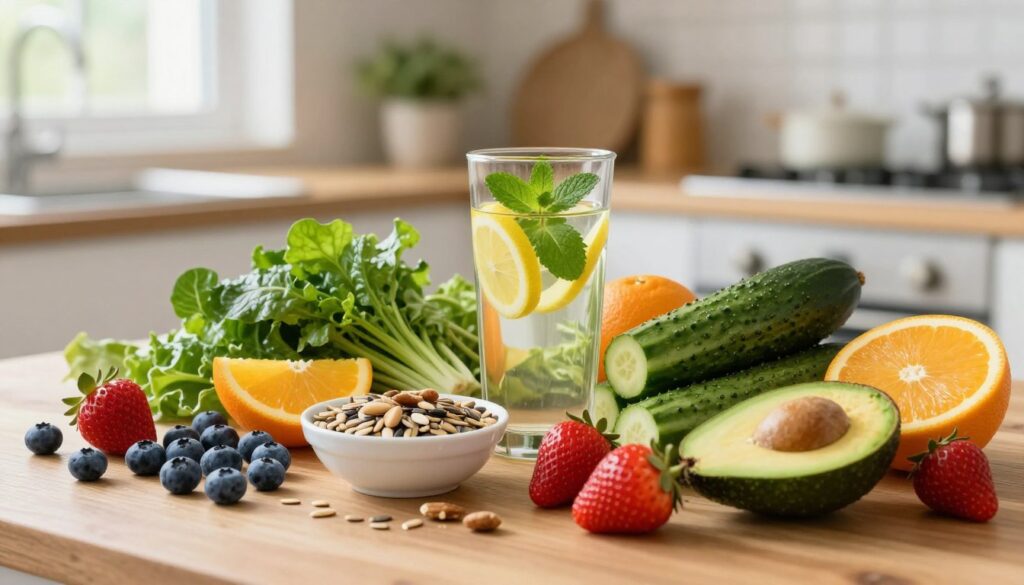
A balanced diet for clear skin involves more than just cutting out unhealthy foods; it’s about nourishing your body with the right foods. Macronutrients play a crucial role in this balance. They are the body’s primary source of energy and support various bodily functions.
Balancing Macronutrients for Optimal Skin Health
Macronutrients, including carbohydrates, proteins, and fats, are essential for maintaining healthy skin. Carbohydrates provide energy, proteins support skin structure and repair, and fats help absorb vital vitamins. A diet that balances these macronutrients can help promote clear skin.
- Carbohydrates: Focus on whole grains, fruits, and vegetables.
- Proteins: Include lean meats, fish, eggs, and plant-based options like beans and nuts.
- Fats: Emphasize healthy fats found in avocados, nuts, and olive oil.
Micronutrients That Target Specific Skin Concerns
Micronutrients, such as vitamins and minerals, are vital for addressing specific skin concerns. Vitamins A, C, and E are known for their antioxidant properties, helping to protect the skin from damage and promote healing. Minerals like zinc support skin health by regulating inflammation and supporting the skin’s barrier function.
Some key micronutrients for skin health include:
- Vitamin A: Important for skin regeneration and collagen production.
- Vitamin C: Boosts collagen production and fights oxidative stress.
- Zinc: Helps regulate oil production and reduce inflammation.
Hydration: The Foundation of Skin Clarity
The importance of hydration for skin health cannot be overstated, as it directly impacts skin clarity. Proper hydration helps maintain the skin’s elasticity and suppleness, reducing the appearance of fine lines and wrinkles. It also plays a crucial role in flushing out toxins from the body, which can otherwise lead to skin issues.

How Water Consumption Affects Skin Appearance
Drinking enough water is essential for maintaining skin hydration. When the body is well-hydrated, the skin looks more plump and radiant. Water helps to improve skin elasticity, reducing the appearance of fine lines and wrinkles. Moreover, adequate hydration ensures that the skin functions properly, enhancing its natural barrier against environmental stressors.
Adequate water intake is directly linked to improved skin texture and appearance. It’s recommended to drink at least eight glasses of water a day, though individual needs may vary based on activity level and climate.
Hydrating Foods and Beverages Beyond Water
While drinking water is crucial, incorporating hydrating foods into your diet can further support skin health. Foods with high water content, such as cucumbers, watermelon, and celery, contribute to overall hydration. Additionally, beverages like herbal teas and coconut water can provide essential electrolytes and hydration.
Including these hydrating foods and beverages in your diet can enhance skin clarity and overall health. A balanced approach to hydration, combining both water intake and consumption of hydrating foods, is key to achieving optimal skin health.
Skin-Friendly Foods to Include in Your Diet
Nutrient-dense foods play a crucial role in maintaining healthy, glowing skin. A well-balanced diet that includes a variety of skin-friendly foods can significantly improve skin texture and appearance.
Fruits and Vegetables for Radiant Skin
Fruits and vegetables are packed with vitamins, minerals, and antioxidants that are essential for skin health. They help protect the skin from damage caused by free radicals and promote a radiant complexion.
Berries and Antioxidant Power
Berries such as blueberries, strawberries, and raspberries are rich in antioxidants, which help combat oxidative stress and inflammation, leading to healthier skin.
Leafy Greens and Skin Detoxification
Leafy greens like spinach and kale are rich in chlorophyll, which aids in skin detoxification and promotes a clearer complexion.
Colorful Vegetables and Photoprotection
Colorful vegetables, including bell peppers and carrots, contain carotenoids that provide natural photoprotection against UV damage.
Healthy Fats That Nourish Your Skin
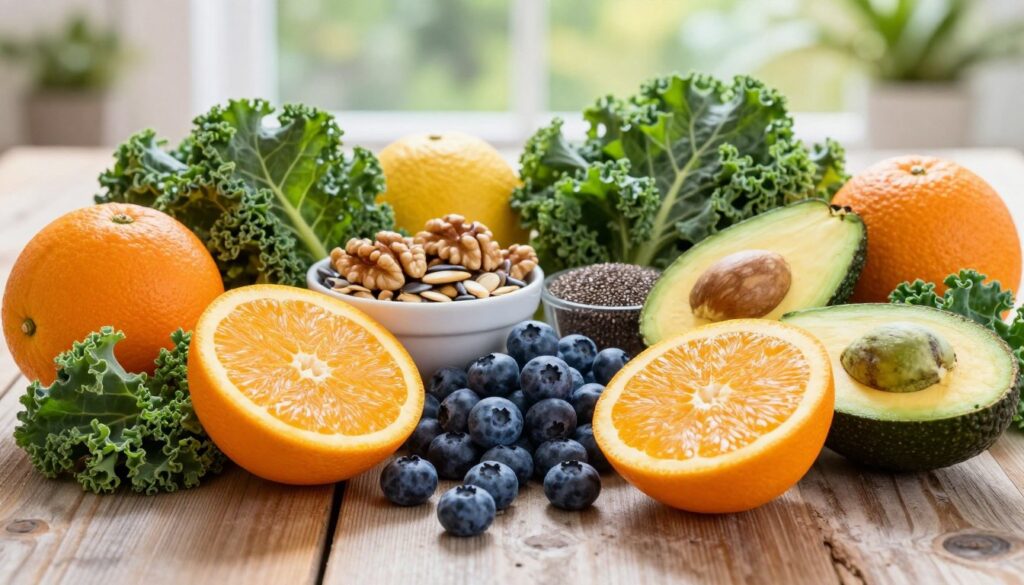
Healthy fats are crucial for maintaining skin integrity and hydration. Foods rich in omega-3 fatty acids, such as salmon and walnuts, help reduce inflammation and promote supple skin.
Protein Sources for Skin Repair and Renewal
Adequate protein intake is essential for skin repair and renewal. Include protein-rich foods like lean meats, fish, and legumes in your diet to support skin health.
Foods That May Trigger Skin Problems
Certain foods can trigger skin problems, making it essential to identify and avoid them. While a balanced diet is crucial for overall health, some foods can have a detrimental effect on the skin, causing issues like acne, inflammation, and irritation.
High-Glycemic Foods and the Acne Connection
High-glycemic foods, which cause a rapid spike in blood sugar levels, have been linked to an increased risk of acne. These foods include white bread, sugary snacks, and refined grains. Consuming high-glycemic foods can lead to inflammation and increase the production of sebum, clogging pores and causing acne.
Examples of high-glycemic foods to limit or avoid:
- White bread and sugary cereals
- Refined grains like white rice and pasta
- Sugary snacks and beverages
Dairy Products and Their Effect on Skin
Dairy products have been associated with skin issues, particularly acne. The hormones present in dairy products, such as estrogen and progesterone, can stimulate oil production and lead to clogged pores. Additionally, dairy proteins like casein can cause inflammation, exacerbating skin problems.
| Dairy Product | Potential Effect on Skin |
|---|---|
| Milk | Increases sebum production, potentially clogging pores |
| Cheese | Contains hormones that may stimulate oil production |
| Yogurt | May cause inflammation due to dairy proteins |
“A diet rich in fruits, vegetables, and whole grains can help promote healthy skin, while limiting dairy and high-glycemic foods may reduce the risk of skin problems.”
Processed Foods and Skin Inflammation
Processed foods, which are often high in unhealthy fats, salt, and sugar, can cause inflammation in the body, leading to skin issues. These foods can disrupt the balance of gut bacteria, further contributing to skin problems.

To minimize the risk of skin problems, it’s essential to be mindful of the foods you consume. By limiting or avoiding high-glycemic foods, dairy products, and processed foods, you can help promote healthier, clearer skin.
Creating a Skin-Friendly Meal Plan
Crafting a meal plan that supports skin health can be a game-changer for those seeking clearer skin. A well-structured meal plan helps in incorporating the right foods that nourish the skin, leading to a more radiant and healthy complexion.
Breakfast Ideas for Clear Skin
Starting your day with a nutrient-rich breakfast is crucial for skin health. Consider incorporating foods high in antioxidants like berries and leafy greens into your morning meal. Oatmeal with fruits and nuts is another excellent option that provides sustained energy and supports skin health.
Lunch and Dinner Options That Promote Skin Health
For lunch and dinner, focus on including a variety of colorful vegetables and lean proteins in your meals. Grilled salmon, rich in omega-3 fatty acids, is an excellent choice for dinner. Quinoa salad with mixed vegetables and a citrus vinaigrette dressing makes for a nutritious and skin-friendly lunch.
Healthy Snacks for Skin Nourishment
Healthy snacking is essential to keep your skin nourished throughout the day. Opt for snacks like carrot sticks with hummus, a handful of almonds, or a piece of fresh fruit. These snacks are not only delicious but also provide essential vitamins and minerals that support skin health.
By incorporating these meal ideas into your daily routine, you can take a significant step towards achieving clearer and healthier skin.
Supplements That Support Skin Health
In the pursuit of clear and healthy skin, supplements can be a useful complement to a balanced diet. While a well-rounded diet provides essential nutrients, certain supplements can offer additional benefits that support skin health.
Essential Fatty Acids and Skin Benefits
Essential fatty acids, particularly omega-3 and omega-6, play a crucial role in maintaining skin health. These fatty acids help to nourish the skin, improve its elasticity, and reduce inflammation. Omega-3 fatty acids, found in fish oil supplements, have been shown to reduce inflammation and promote healthier skin.
Probiotics for Gut and Skin Health
Probiotics are beneficial bacteria that support gut health, which is closely linked to skin health. By maintaining a healthy gut microbiome, probiotics can help to reduce skin issues such as acne and rosacea. Research has shown that probiotics can improve skin conditions by enhancing the gut-skin axis.
Vitamins and Minerals in Supplement Form
Vitamins and minerals, such as vitamin C, vitamin E, and zinc, are essential for skin health. These nutrients can be obtained through diet, but supplements can help to fill any nutritional gaps. Vitamin C, for example, is important for collagen production and can help to brighten the skin, while zinc supports wound healing and reduces inflammation.
Lifestyle Factors That Complement a Skin-Healthy Diet
Beyond dietary changes, adopting certain lifestyle habits can significantly improve skin health and clarity. A comprehensive approach to skin care involves not just what you eat, but also how you live your daily life.
Sleep Quality and Skin Regeneration
Quality sleep is essential for skin regeneration. During sleep, the body repairs and regenerates damaged cells, builds bone and muscle, and strengthens the immune system. Poor sleep can lead to dull, tired-looking skin and exacerbate skin conditions like acne and psoriasis.
To improve sleep quality, establish a consistent sleep schedule, create a relaxing bedtime routine, and avoid screens before bedtime. Aim for 7-9 hours of sleep per night to support skin health.
Stress Management for Clearer Skin
High stress levels can negatively impact skin health, leading to issues like acne, rosacea, and eczema. Stress management techniques such as meditation, yoga, and deep breathing exercises can help mitigate these effects.
Regular exercise is also beneficial for stress reduction. By incorporating physical activity into your daily routine, you can improve overall well-being and promote clearer skin.
Exercise and Its Impact on Skin Health
Exercise improves blood circulation, which helps nourish skin cells and keep them healthy. It also promotes the removal of toxins through sweating, which can improve skin clarity.
| Lifestyle Factor | Impact on Skin Health | Tips for Improvement |
|---|---|---|
| Sleep Quality | Essential for skin regeneration and repair | Establish a consistent sleep schedule, avoid screens before bed |
| Stress Management | Reduces skin issues like acne and rosacea | Practice meditation, yoga, or deep breathing exercises |
| Exercise | Improves blood circulation and toxin removal | Engage in regular physical activity, such as walking or jogging |
By incorporating these lifestyle habits into your daily routine, you can complement your skin-healthy diet and achieve clearer, more radiant skin.
Transforming Your Skin Through Nutritional Habits
Adopting a healthy diet is a crucial step in achieving clear, radiant skin. By understanding the connection between nutritional habits and skin health, you can make informed choices to transform your skin.
Transforming skin through diet involves incorporating essential nutrients, such as vitamins, minerals, and antioxidants, into your daily meals. A balanced diet rich in fruits, vegetables, whole grains, and lean proteins can help to nourish your skin and address specific skin concerns.
Nutritional habits for clear skin also involve being mindful of foods that may trigger skin problems, such as high-glycemic foods, dairy products, and processed foods. By limiting or avoiding these foods, you can reduce the risk of skin issues and promote overall skin well-being.
By combining a skin-friendly diet with a healthy lifestyle, including adequate hydration, regular exercise, and sufficient sleep, you can achieve significant improvements in your skin health and enjoy a clearer, more radiant complexion.
FAQ
What are the key nutrients for achieving clear skin through diet?
Essential nutrients include vitamins A, C, and E, minerals like zinc, and antioxidants found in foods such as berries, leafy greens, and nuts, which support skin repair, regeneration, and protection.
How does hydration impact skin clarity?
Adequate hydration is crucial for maintaining skin elasticity and clarity. Drinking enough water and consuming hydrating foods like cucumbers and watermelon can help keep the skin looking healthy and radiant.
Are there specific foods that can trigger skin problems like acne?
Yes, certain foods can trigger or exacerbate skin issues. High-glycemic foods, dairy products, and processed foods are common culprits that can lead to inflammation and acne in some individuals.
Can supplements support skin health?
Supplements like essential fatty acids, probiotics, and vitamins/minerals can be beneficial for skin health when used appropriately. They can help fill nutritional gaps and support skin regeneration and protection.
How do lifestyle factors beyond diet affect skin health?
Lifestyle factors such as sleep quality, stress management, and regular exercise play significant roles in skin health. Poor sleep, high stress levels, and a lack of physical activity can negatively impact skin clarity and overall health.
What are some practical tips for creating a skin-friendly meal plan?
Incorporating a variety of fruits, vegetables, whole grains, lean proteins, and healthy fats into your diet can support skin health. Including foods rich in antioxidants and omega-3 fatty acids, and limiting processed and high-glycemic foods, can be particularly beneficial.
How long does it take to see improvements in skin health after changing dietary habits?
The timeframe for noticing improvements in skin health can vary depending on individual factors, including the severity of skin issues and the extent of dietary changes. Generally, noticeable improvements can occur within a few weeks to a few months.