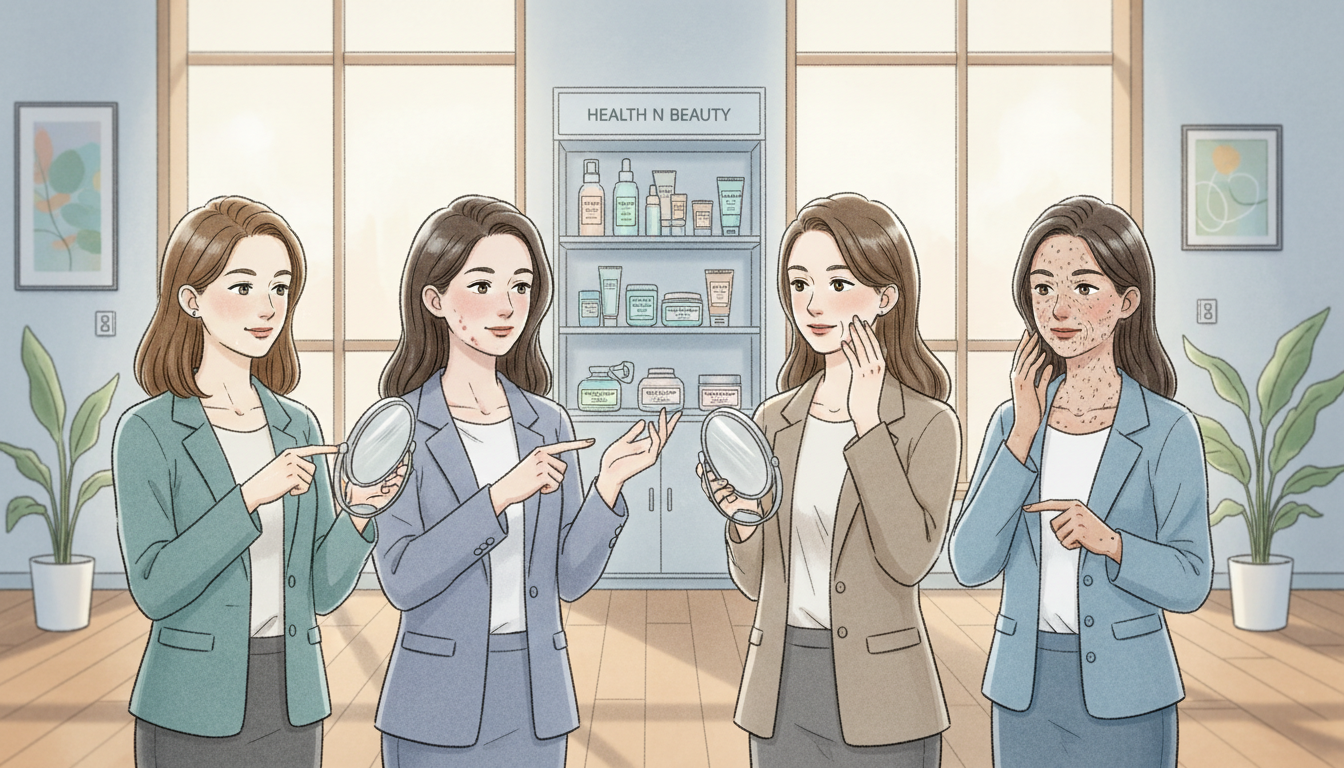
The menstrual cycle is a complex process that affects not just the reproductive system, but also skin health and overall beauty. During this cycle, hormonal fluctuations can lead to various skin issues, making it challenging to maintain a consistent beauty routine.
Understanding how these hormonal changes impact the skin is crucial for developing effective skincare strategies. By recognizing the signs and symptoms associated with the menstrual cycle, individuals can better manage their skin and beauty needs.
Key Takeaways
- The menstrual cycle affects skin health due to hormonal fluctuations.
- Hormonal changes can cause various skin issues.
- Understanding these changes is key to effective skincare.
- Beauty routines may need to be adjusted during the menstrual cycle.
- Recognizing the signs and symptoms can help manage skin and beauty needs.
The Menstrual Cycle: A Hormonal Overview
To comprehend how periods affect skin and beauty, it’s essential to understand the hormonal changes that occur during the menstrual cycle. The menstrual cycle is a complex process regulated by a delicate balance of hormones.
Key Hormones and Their Fluctuations
The menstrual cycle is primarily influenced by three key hormones: estrogen, progesterone, and testosterone. Understanding the basics of these hormones and how their levels change throughout the cycle is crucial.
Estrogen, Progesterone, and Testosterone Basics
Estrogen plays a significant role in regulating the menstrual cycle and has various effects on the body, including influencing skin health. Progesterone prepares the uterus for pregnancy and also impacts skin changes. Testosterone, though often associated with males, is also present in females and affects various bodily functions.
- Estrogen levels surge during the follicular phase.
- Progesterone levels increase after ovulation.
- Testosterone is present in smaller amounts but still has significant effects.
How Hormone Levels Change Throughout the Month
Hormone levels fluctuate significantly throughout the menstrual cycle. Understanding these changes is key to managing skin and beauty concerns.
The Four Phases of the Menstrual Cycle
The menstrual cycle is divided into four main phases: menstrual, follicular, ovulation, and luteal. Each phase is characterized by distinct hormonal patterns.
Menstrual, Follicular, Ovulation, and Luteal Phases
The menstrual phase is marked by low hormone levels. The follicular phase sees a rise in estrogen. Ovulation occurs when estrogen peaks, and luteal phase is characterized by increased progesterone.
Typical Hormone Patterns in Each Phase
During the menstrual phase, hormone levels are generally low. In the follicular phase, estrogen levels increase. Ovulation is triggered by a peak in estrogen, and the luteal phase is marked by a rise in progesterone.
| Phase | Estrogen | Progesterone |
|---|---|---|
| Menstrual | Low | Low |
| Follicular | Increasing | Low |
| Ovulation | Peak | Low |
| Luteal | Decreasing | Increasing |
Hormonal Changes, Periods, and Their Effect on Skin and Beauty
Understanding how hormones affect the skin during the menstrual cycle is crucial for maintaining beauty and skin health. The menstrual cycle is characterized by fluctuations in three key hormones: estrogen, progesterone, and testosterone. Each of these hormones plays a distinct role in how the skin looks and feels throughout the cycle.
How Estrogen Impacts Skin Health
Estrogen has a profoundly positive effect on the skin. It enhances collagen production, which is vital for maintaining skin elasticity and reducing the appearance of fine lines and wrinkles.
Collagen Production and Skin Elasticity
Estrogen promotes collagen synthesis, contributing to smoother, more youthful-looking skin. As estrogen levels rise during the follicular phase, skin elasticity improves.
Moisture Retention and Barrier Function
Estrogen also aids in moisture retention, helping to keep the skin hydrated and plump. It supports the skin’s barrier function, protecting it from environmental stressors.
Progesterone’s Role in Skin Changes
Progesterone levels surge after ovulation, and this hormone can have both positive and negative effects on the skin.
Sebum Production and Pore Size
Progesterone can increase sebum production, potentially leading to clogged pores and acne. As sebum production increases, pores may appear larger.
Inflammatory Responses in Skin
Progesterone can also trigger inflammatory responses in the skin, which may result in redness and sensitivity.
Testosterone and Its Effects
Though present in smaller amounts, testosterone plays a significant role in skin health, particularly in relation to oil production and hair growth.
Oil Production and Acne Formation
Testosterone can stimulate oil production, contributing to acne formation, especially in individuals prone to oily skin.
Hair Growth Patterns
Testosterone influences hair growth patterns, potentially leading to increased facial or body hair in some individuals.
| Hormone | Effect on Skin | Beauty Impact |
|---|---|---|
| Estrogen | Enhances collagen, improves moisture retention | Smoother, more youthful skin |
| Progesterone | Increases sebum production, may cause inflammation | Potential for acne, redness |
| Testosterone | Stimulates oil production, influences hair growth | May lead to acne, increased facial or body hair |
The Menstrual Cycle Timeline: Beauty Changes Week by Week
Your menstrual cycle influences your skin, hair, and overall beauty in ways you might not expect. Understanding the changes that occur during each phase can help you better manage your beauty routine.
Week 1: Menstruation Phase
During the menstruation phase, your body experiences a drop in estrogen and progesterone levels. This can lead to various skin conditions.
Typical Skin Conditions During Bleeding
Skin can become dull and dry due to decreased estrogen levels. Some women may experience acne or inflammation as the body sheds its uterine lining.
Hair and Nail Changes
Hair may become more brittle, and nail growth can slow down during this phase. Using nourishing hair masks and nail strengtheners can help mitigate these effects.
Week 2: Follicular Phase
As estrogen levels begin to rise, skin clarity and radiance improve. This is a great time to focus on exfoliating and brightening treatments.
Skin Clarity and Radiance Period
Increased estrogen promotes collagen production, giving your skin a more radiant appearance. Consider using products with vitamin C to enhance this effect.
Changes in Skin Sensitivity
Skin sensitivity may decrease as estrogen levels rise, making it an ideal time for more intense skincare treatments like chemical peels.
Week 3: Ovulation Phase
During ovulation, estrogen peaks, leading to what many refer to as “peak beauty days.”
Peak Beauty Days and Why They Occur
High estrogen levels can make your skin look smoother and more luminous. Take advantage of this by using hydrating masks and highlighters.
Shifts in Skin Texture and Appearance
Skin texture often improves, becoming more even and smooth. This is an excellent time for makeup to look its best.
Week 4: Luteal Phase
As progesterone levels rise, some women experience pre-menstrual skin challenges.
Pre-menstrual Skin Challenges
Increased progesterone can cause the skin to produce more oil, potentially leading to acne. Using oil-control products can help manage this.
Managing PMS Beauty Effects
To manage PMS beauty effects, consider maintaining a consistent skincare routine and using products that counteract water retention and inflammation. Some helpful tips include:
- Staying hydrated to reduce bloating
- Using caffeine-based products to reduce puffiness
- Applying cold compresses to soothe the skin
Common Skin Concerns During Your Period
Hormonal fluctuations during the menstrual cycle can lead to several common skin concerns that affect women’s skin health. These changes can manifest in various ways, from acne and oiliness to dryness and sensitivity.
Hormonal Acne: Causes and Patterns
Hormonal acne is one of the most prevalent skin concerns during the menstrual cycle. It is primarily caused by the fluctuations in estrogen and progesterone levels.
Distinguishing Hormonal Acne from Other Types
Hormonal acne can be distinguished from other types of acne by its timing and location on the face. It often appears in the lower face area, including the chin and jawline.
Common Locations and Characteristics
The characteristics of hormonal acne include inflamed pimples or cysts, particularly in the lower facial area. Understanding these characteristics can help in identifying and treating hormonal acne effectively.
Increased Oil Production
Another common skin concern is increased oil production, which can lead to a shiny complexion and clogged pores.
T-Zone Changes Throughout the Cycle
The T-zone, comprising the forehead, nose, and chin, is particularly prone to increased oil production. This can vary throughout the menstrual cycle due to hormonal changes.
Managing Excess Sebum
Managing excess sebum involves using appropriate skincare products, such as oil-free cleansers and lightweight moisturizers, to control oil production without drying out the skin.
Dryness and Sensitivity
Some women may experience dryness and sensitivity instead of oiliness, which can be just as challenging to manage.
Why Some Experience Dryness Instead of Oiliness
Dryness can occur due to the drop in estrogen levels during certain phases of the menstrual cycle, leading to decreased moisture retention in the skin.
Addressing Heightened Sensitivity
Addressing heightened sensitivity involves using gentle skincare products and avoiding harsh ingredients that can strip the skin of its natural barrier.
Inflammation and Redness
Inflammation and redness are other common skin concerns that can be triggered by hormonal fluctuations.
Hormonal Triggers for Inflammatory Skin Conditions
Hormonal changes can trigger or exacerbate inflammatory skin conditions, such as rosacea. Understanding these triggers is key to managing the condition.
Calming Strategies for Inflamed Skin
Calming inflamed skin involves using soothing products, such as aloe vera or green tea extracts, and avoiding irritants that can further inflame the skin.
Beyond Skin: How Periods Affect Hair, Nails, and Overall Appearance
Hormonal fluctuations during the menstrual cycle have far-reaching effects beyond skin health, influencing hair, nails, and body composition. These changes can be significant and understanding them can help manage beauty routines more effectively.
Hair Changes Throughout Your Cycle
Hair undergoes various changes throughout the menstrual cycle due to hormonal fluctuations. During the follicular phase, when estrogen levels are high, hair growth can be more rapid and hair may appear thicker and shinier.
Shedding Patterns and Hair Growth Cycles
Some women experience changes in hair shedding patterns, with increased shedding during certain phases of the cycle. Understanding these patterns can help in managing hair care.
Texture and Oil Production in Hair
Hormonal changes can also affect the texture and oil production of hair. For instance, some women may notice oilier hair during certain times of their cycle due to increased progesterone levels.
Nail Growth and Strength Fluctuations
Nail health is another area affected by the menstrual cycle. Hormonal changes can influence nail growth rates and strength.
Hormonal Impacts on Nail Beds
Estrogen, in particular, plays a role in nail health, with higher levels often associated with stronger, healthier nails.
Brittle Nails and Hormonal Connections
Conversely, some women may experience brittle nails during certain phases of their cycle, potentially due to fluctuations in hormone levels.
Body Water Retention and Bloating
Many women experience water retention and bloating during their menstrual cycle, which can affect overall appearance.
Facial Puffiness and How to Address It
Facial puffiness is a common complaint, often due to water retention. Staying hydrated and reducing salt intake can help mitigate this issue.
Overall Body Changes and Their Visual Impact
The visual impact of water retention and bloating can be significant, affecting how clothing fits and overall comfort. Understanding that these changes are hormone-related can help in managing expectations.
Tailoring Your Skincare Routine to Your Menstrual Cycle
To achieve optimal skin health, it’s vital to tailor your skincare routine to the different phases of your menstrual cycle. Hormonal fluctuations throughout the cycle can significantly impact skin health, necessitating adjustments in skincare approaches.
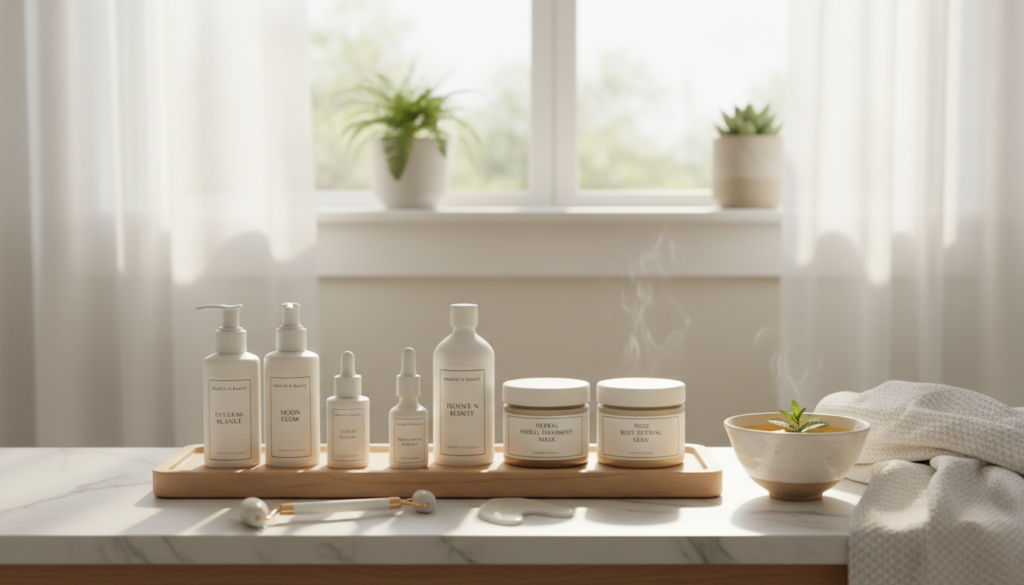
Products to Use During Different Cycle Phases
Menstruation Phase Skincare
During menstruation, the skin may be more sensitive. Use gentle, hydrating products that soothe and calm the skin. Look for products containing hyaluronic acid and ceramides.
Follicular and Ovulation Phase Recommendations
As estrogen levels rise during the follicular and ovulation phases, the skin may become more resilient. This is an ideal time to incorporate products with active ingredients like retinol and vitamin C, which can help improve skin texture and reduce the appearance of fine lines.
Luteal Phase Skincare Adjustments
In the luteal phase, progesterone levels increase, potentially leading to increased oil production and sensitivity. Switch to oil-control products and consider using a clay mask to absorb excess oil.
Ingredients to Seek Out and Avoid
Beneficial Ingredients for Hormonal Skin
Certain ingredients can help mitigate the effects of hormonal fluctuations on the skin. These include:
- Salicylic acid for acne control
- Niacinamide to improve skin elasticity and reduce inflammation
- Antioxidants to combat free radical damage
Potentially Irritating Ingredients During Periods
Some ingredients may exacerbate skin issues during certain phases of the cycle. Avoid products with harsh exfoliants, artificial fragrances, and dyes during sensitive periods.
Adjusting Your Routine for Hormonal Fluctuations
Cleansing Frequency and Methods
Adjust your cleansing routine according to your skin’s needs during different phases. For example, during the luteal phase, you may need to cleanse more frequently to combat increased oil production.
Exfoliation and Masking Schedules
Exfoliate gently during the follicular phase when skin is more resilient. Use masks according to your skin’s needs: hydrating masks during menstruation and oil-control masks during the luteal phase.
Lifestyle Factors That Influence Hormonal Skin Changes
Understanding how lifestyle factors influence hormonal skin changes can be the key to managing period-related skin issues. Hormonal fluctuations during the menstrual cycle can lead to various skin concerns, but by adjusting certain lifestyle factors, individuals can better manage these changes.
Nutrition and Hydration
A well-balanced diet rich in essential nutrients is crucial for maintaining hormonal balance and healthy skin. Certain foods can either help or hinder this balance.
Foods That Help Balance Hormones
Foods rich in omega-3 fatty acids, such as salmon, and those high in fiber, like leafy greens, can support hormonal balance. Additionally, staying hydrated by drinking plenty of water is essential for skin health.
Foods That May Worsen Period-Related Skin Issues
Consuming high amounts of dairy and processed foods can exacerbate hormonal acne and other skin issues. It’s beneficial to limit these foods during certain phases of the menstrual cycle.
Sleep Quality and Stress Management
Getting adequate sleep and managing stress are critical for hormonal balance. Poor sleep and high stress levels can lead to increased cortisol, which can negatively affect the skin.
How Sleep Affects Hormonal Balance
Adequate sleep helps regulate hormones, including insulin and cortisol. Lack of sleep can disrupt this balance, leading to skin issues.
Stress Reduction Techniques for Better Skin
Engaging in stress-reducing activities like yoga and meditation can help manage cortisol levels, promoting healthier skin.
| Lifestyle Factor | Impact on Hormonal Skin Changes |
|---|---|
| Nutrition and Hydration | Supports hormonal balance and skin health |
| Sleep Quality | Regulates hormones, including insulin and cortisol |
| Stress Management | Reduces cortisol levels, promoting healthier skin |
When to Seek Professional Help for Period-Related Skin Issues
Understanding when to seek professional help for period-related skin issues is crucial for maintaining healthy skin throughout your menstrual cycle. While some skin changes during the menstrual cycle are normal, certain symptoms can indicate underlying issues that require professional attention.
Signs Your Symptoms Might Be Abnormal
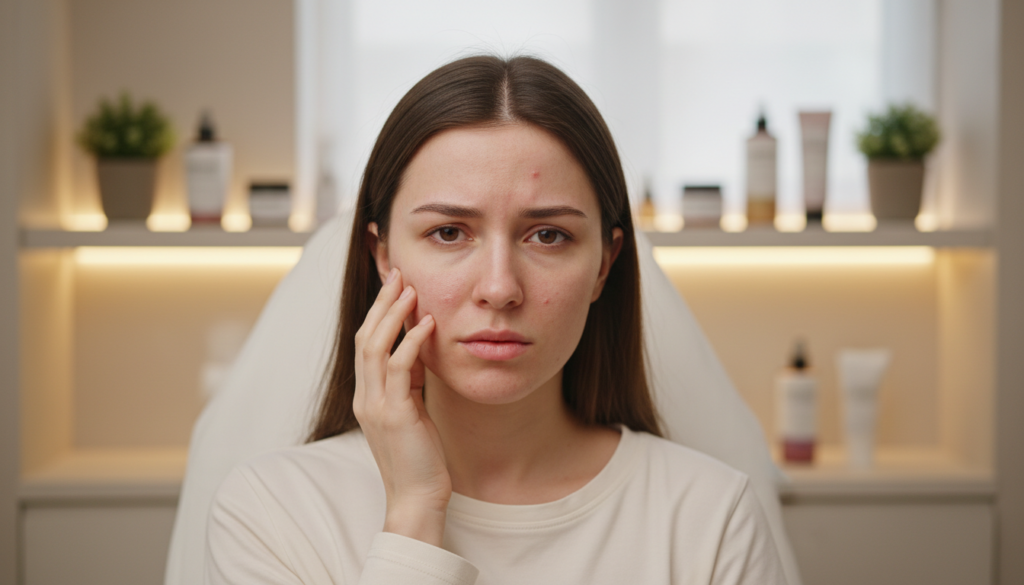
It’s essential to distinguish between normal skin fluctuations and symptoms that may signal a more serious condition. Severe acne, persistent pain, or unusual skin lesions are signs that you should consult a dermatologist.
Distinguishing Normal vs. Concerning Symptoms
Normal skin changes during the menstrual cycle can include mild acne or oiliness. However, if you experience severe or persistent symptoms, it’s time to seek help.
Potential Underlying Conditions to Consider
Conditions such as polycystic ovary syndrome (PCOS), hormonal imbalances, or other health issues can manifest as skin problems. A dermatologist can help identify these conditions.
Treatment Options from Dermatologists
Dermatologists offer various treatments for period-related skin issues, ranging from topical prescriptions to professional treatments.
Topical Prescriptions for Hormonal Skin Issues
Topical retinoids or hormonal treatments can be effective in managing acne and other skin concerns related to hormonal fluctuations.
Professional Treatments and Procedures
Procedures like chemical peels or laser therapy can help manage skin issues that don’t respond to topical treatments.
Hormonal Therapies and Alternatives
For some women, hormonal therapies or natural approaches can provide relief from period-related skin issues.
Birth Control and Other Medical Interventions
Certain birth control methods can help regulate hormonal imbalances that cause skin issues.
Natural Approaches to Hormonal Balance
Some women find relief through natural approaches such as dietary changes, supplements, or stress management techniques.
Conclusion: Embracing Your Skin Throughout Your Cycle
Understanding the fluctuations in your skin throughout your menstrual cycle is key to maintaining a healthy and radiant complexion. By being aware of the changes that occur during each phase, you can tailor your skincare routine to address specific concerns, such as hormonal acne or dryness.
Embracing skin changes and having menstrual cycle awareness allows you to approach your skincare with confidence. This knowledge empowers you to make informed decisions about your skincare products and routines, leading to a more positive and proactive relationship with your skin.
By adopting a cycle-aware approach to skincare, you can enhance your overall skincare confidence. This involves being mindful of your skin’s needs during different phases of your cycle and adjusting your routine accordingly. With this awareness, you can better navigate the challenges of hormonal fluctuations and maintain healthy, resilient skin.
FAQ
How do hormonal fluctuations during the menstrual cycle affect skin?
Hormonal changes can cause a variety of skin issues, including acne, dryness, and sensitivity, due to fluctuations in estrogen, progesterone, and testosterone levels.
What are the key hormones involved in the menstrual cycle and how do they impact beauty?
Estrogen, progesterone, and testosterone are the primary hormones that influence beauty changes throughout the menstrual cycle, affecting skin health, hair growth, and nail strength.
How can I manage hormonal acne during my period?
To manage hormonal acne, maintain a consistent skincare routine, use products containing salicylic acid or benzoyl peroxide, and consider consulting a dermatologist for personalized advice.
What skincare products are best to use during different phases of the menstrual cycle?
During menstruation, use gentle, hydrating products. In the follicular phase, products with vitamin C and alpha-hydroxy acids can enhance skin clarity. During ovulation, antioxidant-rich products can help maintain peak beauty. In the luteal phase, calming and soothing products can help alleviate pre-menstrual skin challenges.
How does the menstrual cycle affect hair and nail health?
Hormonal fluctuations can cause changes in hair shedding and growth patterns, as well as affect nail strength and growth rate, with some people experiencing brittle nails or increased hair loss.
Can lifestyle factors like nutrition, sleep, and exercise influence hormonal skin changes?
Yes, a balanced diet, adequate hydration, sufficient sleep, stress management, and regular exercise can help regulate hormonal balance and improve skin health.
When should I seek professional help for period-related skin issues?
If you experience persistent, severe, or unusual skin symptoms, such as intense acne, unexplained redness, or sensitivity, consider consulting a dermatologist for guidance and treatment.
Are there any natural approaches to managing hormonal balance and related skin issues?
Yes, natural approaches like dietary changes, stress reduction techniques, and certain supplements may help alleviate hormonal imbalances and related skin concerns, but it’s essential to consult with a healthcare professional before starting any new regimen.