The menstrual cycle has a significant impact on the skin, leading to various changes that can be challenging to manage. Hormonal fluctuations during this time can cause breakouts and skin irritation.
During the menstrual cycle, the body undergoes significant hormonal changes, which can affect the skin’s texture and appearance. Understanding the relationship between the menstrual cycle and skin can help individuals develop an effective period skincare routine to manage hormonal acne and other skin issues.
Key Takeaways
- The menstrual cycle causes hormonal fluctuations that impact the skin.
- Hormonal changes can lead to breakouts and skin irritation.
- A period skincare routine can help manage hormonal acne.
- Understanding the relationship between the menstrual cycle and skin is crucial.
- A well-planned skincare routine can improve skin texture and appearance.
The Hormonal Rollercoaster: Understanding Your Menstrual Cycle
The menstrual cycle consists of multiple phases, each characterized by distinct hormonal shifts. These fluctuations play a significant role in determining skin health and appearance throughout the cycle.
The Four Phases of Your Menstrual Cycle
The menstrual cycle is divided into four main phases: menstruation, the follicular phase, ovulation, and the luteal phase. During menstruation, the body sheds the uterine lining, marking the beginning of a new cycle. The follicular phase follows, characterized by the growth of follicles that release estrogen, potentially improving skin conditions. Ovulation occurs when an egg is released, often accompanied by a surge in luteinizing hormone. The luteal phase then ensues, where the body prepares for a potential pregnancy, with progesterone levels rising.
| Phase | Hormonal Changes | Skin Impact |
|---|---|---|
| Menstruation | Low estrogen and progesterone | Dryness, sensitivity |
| Follicular Phase | Increasing estrogen | Improved skin texture, glow |
| Ovulation | Surge in luteinizing hormone | Potential for increased sebum production |
| Luteal Phase | Rising progesterone | Possible breakouts, sensitivity |
Key Hormones and Their Fluctuations
Estrogen and progesterone are the primary hormones influencing skin throughout the menstrual cycle. Estrogen promotes collagen production and improves skin hydration, while progesterone can lead to increased sebum production and potential breakouts. Understanding these hormonal fluctuations is key to managing skin health and addressing concerns such as acne and dryness.
By recognizing the changes in hormone levels throughout the menstrual cycle, individuals can better anticipate and manage their skin’s needs, adopting a more tailored approach to skincare.
How Periods Affect Acne, Makeup Wear, and Skin Texture
The menstrual cycle has a profound impact on the skin, influencing acne, makeup wear, and overall skin texture. Hormonal fluctuations throughout the cycle can lead to various skin concerns, making it essential to understand these changes.
The Science Behind Hormonal Skin Changes
Hormonal shifts during the menstrual cycle affect the skin’s appearance and health. Estrogen and progesterone levels fluctuate, influencing sebum production, skin hydration, and sensitivity. These hormonal changes can lead to conditions such as hormonal acne.
Common Skin Concerns Throughout Your Cycle
Different stages of the menstrual cycle bring distinct skin concerns. Common issues include acne, dryness, and increased sensitivity. Understanding these concerns can help in managing them effectively.
| Cycle Stage | Common Skin Concerns |
|---|---|
| Menstruation | Dryness, sensitivity |
| Follicular Phase | Improved skin clarity |
| Ovulation | Increased sebum production |
| Luteal Phase | Acne, sensitivity |
Why Makeup Performance Changes During Your Period
Makeup wear can be affected by hormonal fluctuations, particularly during the menstrual period. Changes in skin hydration and sebum production can impact how makeup adheres to the skin and how long it lasts. Using the right products and techniques can help improve makeup performance during this time.
Menstruation Phase: Skin Changes and Makeup Tips
During the menstruation phase, many women experience significant skin changes that can affect their skincare routine and makeup application. These changes are primarily driven by hormonal fluctuations, particularly the decrease in estrogen levels. Understanding these changes is crucial for adapting your skincare and makeup strategies to maintain healthy, radiant skin throughout your menstrual cycle.
Typical Skin Conditions During Your Period
During menstruation, the skin often becomes more sensitive and may exhibit dryness or flakiness due to the drop in estrogen levels. Some women may also experience increased acne or inflammation as a result of hormonal changes. Being aware of these potential skin conditions can help in choosing the right products and techniques for managing them.
Makeup Application Strategies for Period Days
To achieve a flawless makeup look during your period, consider using a hydrating primer to help your makeup stay in place longer. Opt for a gentle, hydrating foundation that matches your skin tone, and apply it with a damp beauty blender for a natural finish. Setting your makeup with a setting spray can also help extend its wear.
Addressing Dryness and Sensitivity
To combat dryness and sensitivity during your period, focus on moisturizing your skin with a rich, non-comedogenic moisturizer before applying makeup. Avoid using heavy or oil-based products that can exacerbate dryness. Instead, look for water-based or gel products that provide hydration without clogging pores. Exfoliating gently once or twice a week can also help remove dead skin cells and improve skin texture.
Follicular Phase: Your Skin’s “Golden Days”
During the follicular phase, hormonal changes can lead to a radiant complexion that’s often referred to as your skin’s “golden days.” This phase, which follows menstruation, is characterized by increasing estrogen levels that contribute to improved skin health.
Why Your Skin Often Looks Best Post-Period
After the menstrual period, the skin often looks its best due to the rise in estrogen levels. This hormone helps to improve skin elasticity, reduce inflammation, and enhance overall skin texture. As a result, many women experience a noticeable reduction in acne and other skin issues during this phase.
Maximizing Your Skin’s Natural Glow
To maximize your skin’s natural glow during the follicular phase, focus on maintaining a consistent skincare routine that includes gentle cleansing, moisturizing, and sun protection. Incorporating products rich in antioxidants and vitamins can also help to enhance your skin’s radiance.
Makeup Products That Work Best During This Phase
During the follicular phase, your skin can pull off a wide range of makeup products. Consider using lightweight foundations or tinted moisturizers to enhance your natural glow. Additionally, cream or liquid highlighters can be applied to the high points of your face to accentuate your skin’s radiance.
| Product Type | Recommended Products | Benefits |
|---|---|---|
| Foundation/Tinted Moisturizer | Lightweight, oil-free formulas | Provides sheer to medium coverage without clogging pores |
| Highlighter | Cream or liquid highlighters | Adds a natural-looking glow to the high points of the face |
| Moisturizer | Products containing hyaluronic acid or vitamin E | Hydrates the skin, improving its texture and appearance |
Ovulation Phase: Handling Increased Oil Production
Ovulation brings about a shift in hormonal balance, which can result in oilier skin due to increased sebum production. This phase is crucial for understanding how to manage and adjust your skincare routine to combat oiliness without stripping your skin of its necessary moisture.
Hormonal Changes and Their Effect on Sebum Production
During ovulation, there’s a notable increase in estrogen levels, which can influence sebum production. While estrogen is often associated with positive skin effects, the rise in testosterone during this phase can counteract these benefits by increasing oil production. Understanding this hormonal interplay is key to managing oily skin.
Adjusting Your Skincare Routine
To combat increased oil production, consider the following adjustments to your skincare routine:
- Use a gentle cleanser that effectively removes excess oil without drying the skin.
- Incorporate clay-based masks to absorb excess oil and purify the skin.
- Apply a lightweight moisturizer to maintain hydration without exacerbating oiliness.
Long-Lasting Makeup Techniques for Oily Skin
For makeup that lasts throughout the day, try these techniques:
- Prime your skin with a mattifying primer to create a smooth, oil-controlled base.
- Use oil-free foundation and concealer to minimize shine.
- Set your makeup with a translucent powder to absorb excess oil and extend wear.
Luteal Phase: Managing Pre-Menstrual Breakouts
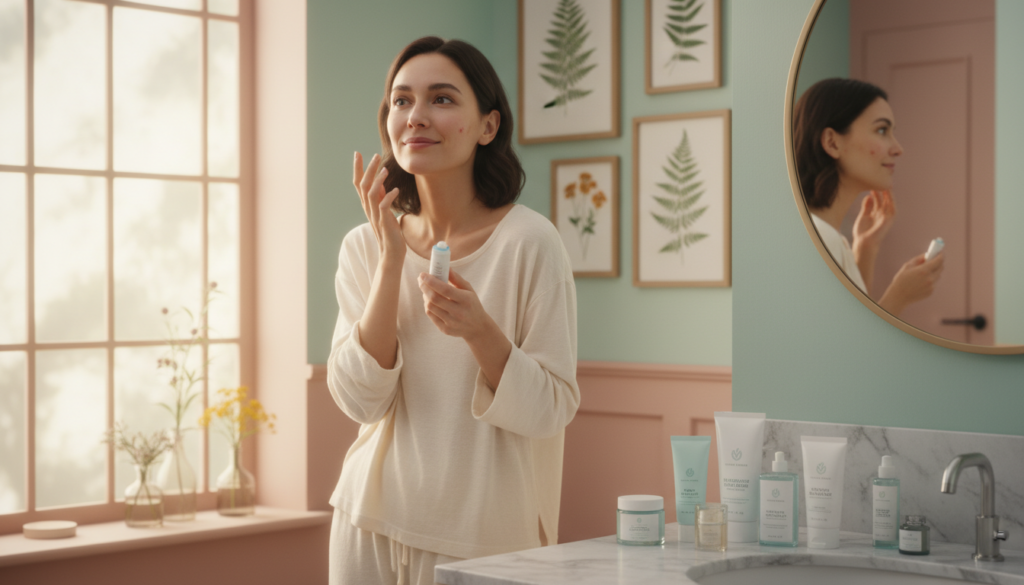
Pre-menstrual breakouts are a common concern for many during the luteal phase of their menstrual cycle. This phase, which follows ovulation, is characterized by an increase in progesterone levels, leading to various skin changes.
Why PMS Causes Acne Flare-Ups
The increase in progesterone during the luteal phase can cause sebum production to rise, leading to clogged pores and acne. Additionally, the rise in prostaglandins can cause inflammation, making acne worse.
Prevention Strategies for Hormonal Acne
To prevent hormonal acne during the luteal phase, it’s essential to maintain a consistent skincare routine. Using products containing salicylic acid or benzoyl peroxide can help control acne. Keeping the skin clean and exfoliated is also crucial.
Concealing Techniques Without Worsening Breakouts
When concealing acne, use a non-comedogenic foundation that won’t clog pores. Apply a small amount of concealer directly to the blemish, and blend well. Avoid heavy or oily products that can exacerbate acne.
Texture Changes Throughout Your Cycle
Throughout your menstrual cycle, your skin’s texture can undergo significant changes, influenced by hormonal fluctuations. These changes can manifest as variations in smoothness, dryness, or oiliness, affecting how your skin looks and feels.
Understanding Skin Texture Fluctuations
Skin texture fluctuations are largely driven by the changes in estrogen and progesterone levels throughout your menstrual cycle. During certain phases, increased estrogen can lead to improved skin hydration and texture, while surges in progesterone can cause the skin to become oilier or more sensitive.
Addressing Roughness and Uneven Texture
To address roughness and uneven texture, it’s essential to adjust your skincare routine according to your cycle phase. Using products rich in alpha-hydroxy acids (AHAs) or beta-hydroxy acids (BHAs) can help exfoliate the skin, improving texture. Additionally, moisturizing regularly, especially during phases when your skin tends to be drier, can help maintain a smoother texture.
- Use gentle exfoliants containing AHAs or BHAs.
- Moisturize regularly, especially during dry phases.
- Consider products with hyaluronic acid for hydration.
Exfoliation Strategies Based on Your Cycle Phase
Exfoliation is a critical component of maintaining healthy skin texture, but the frequency and type of exfoliation should be adjusted based on your cycle phase. For instance, during the follicular phase when estrogen levels rise, your skin may be more receptive to exfoliation. In contrast, during the luteal phase, you may need to exfoliate more gently due to potential sensitivity.
“Exfoliating regularly can help remove dead skin cells and improve skin texture, but it’s crucial to tailor your exfoliation strategy to your skin’s needs during different cycle phases.”
By understanding and adapting to these changes, you can better manage your skin’s texture throughout your menstrual cycle.
Adapting Your Skincare Routine Throughout Your Cycle
To achieve optimal skin health, it’s vital to sync your skincare routine with your menstrual cycle. By understanding how different phases affect your skin, you can tailor your products and practices to address specific concerns.

Phase-Specific Skincare Ingredients
Different phases of your cycle call for different skincare ingredients. During the follicular phase, when estrogen levels rise, ingredients like vitamin C and hyaluronic acid can enhance your skin’s natural glow. In contrast, during the luteal phase, when progesterone increases, using products with salicylic acid or tea tree oil can help mitigate potential breakouts.
Products to Avoid During Different Phases
Just as certain ingredients can be beneficial during specific phases, others may be detrimental. For instance, during the ovulation phase, when sebum production is higher, it’s advisable to avoid heavy, oil-based products that can clog pores. Conversely, during the menstruation phase, when skin can be more sensitive, steer clear of products containing harsh exfoliants or fragrances.
Building a Cycle-Synced Skincare Regimen
To build an effective cycle-synced skincare regimen, start by tracking your cycle and noting skin changes throughout. Then, adjust your products and practices accordingly. Consider using a skincare calendar to plan and prepare for the different phases. By being proactive and flexible with your skincare, you can better manage period-related skin issues and maintain healthier, more resilient skin throughout your cycle.
Diet and Lifestyle Factors That Affect Hormonal Skin
Diet and lifestyle play a significant role in how our skin behaves during different phases of the menstrual cycle. The foods we eat and our daily habits can either exacerbate or alleviate hormonal skin issues.
Foods That May Worsen Period-Related Skin Issues
Certain dietary choices can trigger or worsen skin problems during the menstrual cycle. These include:
- Dairy Products: High levels of hormones in dairy products can stimulate oil production and lead to breakouts.
- Refined Sugars: Consuming high amounts of sugar can cause inflammation, potentially leading to acne.
- Processed Foods: Foods high in salt and unhealthy fats can lead to water retention and skin irritation.
Beneficial Nutrients for Hormonal Balance
Incorporating specific nutrients into your diet can help balance hormonal fluctuations and improve skin health. Key nutrients include:
- Omega-3 Fatty Acids: Found in fish and nuts, these anti-inflammatory properties can help reduce acne.
- Vitamin D: Essential for overall health, Vitamin D can help regulate hormonal balance.
- Antioxidants: Foods rich in antioxidants, such as berries and leafy greens, can combat oxidative stress and promote healthier skin.
Stress Management for Better Skin
Stress can significantly impact hormonal balance and, consequently, skin health. Effective stress management techniques include:
- Meditation and Yoga: Practices that reduce stress and promote hormonal balance.
- Adequate Sleep: Ensuring sufficient rest helps regulate hormonal fluctuations.
- Regular Exercise: Physical activity can reduce stress and improve overall skin health.
When to Seek Professional Help for Period-Related Skin Issues
Period-related skin issues can range from mild to severe, and recognizing when to consult a dermatologist is essential for effective management. While many skin changes during the menstrual cycle are normal, some may indicate underlying conditions that require professional attention.
Distinguishing Between Normal Fluctuations and Serious Concerns
It’s normal to experience some skin changes during your cycle, but certain symptoms may signal a need for professional help. These include:
- Severe acne that doesn’t respond to over-the-counter treatments
- Prolonged or heavy bleeding that may be related to hormonal imbalances
- Skin conditions like eczema or psoriasis that worsen during your cycle
Being aware of these signs can help you decide when to seek help.
Treatment Options from Dermatologists
Dermatologists offer various treatments for period-related skin issues, including:
- Topical retinoids for acne and skin texture improvement
- Hormonal therapies to regulate hormonal imbalances affecting the skin
- Exfoliating treatments to address skin texture changes
These treatments can be tailored to your specific skin concerns and cycle-related issues.
Hormonal Treatments and Their Effects on Skin
Hormonal treatments, such as birth control pills or spironolactone, can be effective in managing hormonal acne and other skin issues related to the menstrual cycle. However, it’s essential to discuss the potential benefits and risks with a dermatologist to determine the best course of treatment for your skin.
Conclusion: Embracing Your Skin Throughout Your Cycle
Understanding the impact of your menstrual cycle on your skin is crucial for achieving a healthy and radiant complexion. By recognizing the changes that occur during each phase, you can adapt your skincare routine and makeup strategies to address specific concerns, such as acne, dryness, and texture fluctuations.
Embracing skin changes and adopting a cycle-synced skincare approach allows you to work in harmony with your body’s natural rhythms. This tailored strategy enables you to maximize your skin’s potential, reducing the appearance of imperfections and enhancing its natural glow.
By incorporating cycle-synced skincare into your daily routine, you can better manage period-related skin issues and maintain a consistent, healthy appearance. This proactive approach empowers you to take control of your skin, fostering a more positive and confident relationship with your complexion.
As you navigate your menstrual cycle, remember that patience and self-awareness are key. By tuning into your skin’s needs and responding accordingly, you can unlock a more radiant, resilient complexion that reflects your overall well-being.
FAQ
How do hormonal changes during my menstrual cycle affect my skin?
Hormonal fluctuations throughout your menstrual cycle can lead to changes in skin texture, oil production, and acne. Understanding these changes can help you adapt your skincare routine.
Why do I experience acne breakouts before my period?
The increase in progesterone levels during the luteal phase can cause sebum production to rise, leading to clogged pores and acne breakouts.
How can I manage dryness and sensitivity during my period?
Using gentle, hydrating products and avoiding harsh exfoliants can help alleviate dryness and sensitivity. Consider using products containing hyaluronic acid and ceramides.
Why does my makeup not last as long during certain times of my cycle?
Hormonal changes can affect skin texture and oil production, impacting makeup wear. Adjusting your skincare and makeup routine according to your cycle phase can help.
What skincare ingredients should I use during different phases of my cycle?
During the follicular phase, products with vitamin C and antioxidants can enhance your skin’s natural glow. In the luteal phase, salicylic acid and tea tree oil can help control acne.
Can diet and lifestyle factors impact hormonal skin issues?
Yes, consuming foods high in sugar and dairy may exacerbate skin problems, while nutrients like omega-3 fatty acids and zinc can support hormonal balance. Stress management techniques like meditation and yoga can also improve skin health.
When should I seek professional help for period-related skin issues?
If you experience persistent or severe skin concerns, such as cystic acne or intense sensitivity, consult a dermatologist for personalized guidance and treatment.
How can I build a cycle-synced skincare regimen?
Tailor your skincare products and routine to the different phases of your menstrual cycle. Use products that address specific concerns, such as acne or dryness, during the corresponding phase.
Are there any hormonal treatments that can affect the skin?
Hormonal treatments, such as birth control, can impact skin health. Consult a healthcare professional to discuss the potential effects and determine the best course of treatment for your skin concerns.