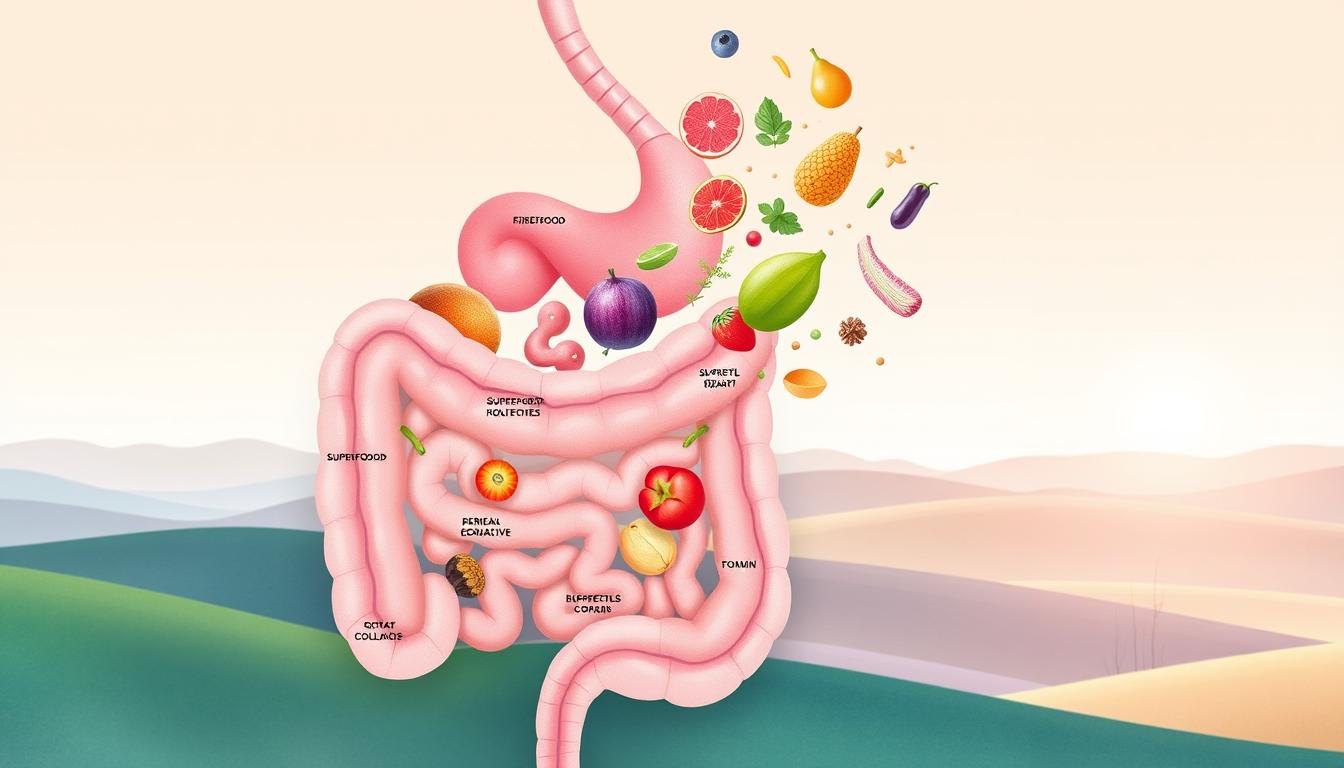
Did you know that a staggering 80% of visible skin conditions are linked to an imbalance in the gut microbiome? Research has shown a significant connection between digestive health and the overall well-being of our skin.
Maintaining a healthy balance of gut bacteria is crucial for achieving clear, radiant skin and overall wellness. By focusing on improving gut health, individuals can potentially alleviate skin issues and enhance their overall quality of life.
Key Takeaways
- A healthy gut microbiome is essential for clear and radiant skin.
- Improving digestive health can lead to better overall wellness.
- There’s a significant link between gut health and visible skin conditions.
- Focusing on gut health can potentially alleviate skin issues.
- A balanced gut microbiome enhances overall quality of life.
The Gut-Skin Connection: Understanding the Link
Emerging evidence suggests a significant link between the gut microbiome and the health of our skin. This connection is not merely coincidental; rather, it is rooted in the complex interplay between our digestive system and skin.
How Your Digestive System Affects Your Skin
The digestive system plays a crucial role in overall health, including the health of our skin. An imbalance in the gut microbiome, also known as dysbiosis, can lead to various skin issues, including acne, rosacea, and eczema. The gut and skin are connected through the gut-brain axis, a bidirectional communication network that involves the central nervous system, the enteric nervous system, and the vagus nerve.
The Role of Gut Bacteria in Skin Health
Gut bacteria influence skin health through several mechanisms. They produce metabolic byproducts, such as short-chain fatty acids, which can affect skin barrier function and inflammation. Moreover, gut bacteria play a role in the regulation of the immune system, which is crucial for maintaining healthy skin. An imbalance in gut bacteria can lead to impaired immune function and increased inflammation, manifesting as skin problems.
Inflammation is a key pathway through which the gut influences the skin. When the gut microbiome is out of balance, it can lead to increased permeability of the gut lining, allowing toxins and undigested food particles to pass through. This can trigger an immune response, leading to systemic inflammation, which can manifest as various skin conditions. Understanding these pathways is crucial for developing strategies to improve both gut and skin health.
By recognizing the intricate link between the gut and skin, individuals can take a holistic approach to improving their overall wellness. This involves not only addressing skin issues topically but also considering the health of the gut microbiome.
Understanding Gut Health and Its Importance
Maintaining a healthy gut is crucial for overall well-being, and understanding its importance is the first step towards achieving it. A healthy gut microbiome plays a significant role in our overall health, influencing not just our digestive system but also our skin and overall wellness.
What Constitutes a Healthy Gut Microbiome
A healthy gut microbiome is characterized by a delicate balance of diverse bacteria, a strong gut barrier, and proper immune function. Bacterial diversity is key to a resilient gut microbiome, allowing it to adapt to changes and challenges.
Bacterial Diversity and Balance
The gut microbiome consists of trillions of microorganisms, with different species playing unique roles. A balance between these species is crucial for maintaining health, as an imbalance can lead to various health issues. Factors such as diet, stress, and antibiotics can disrupt this balance.
The Gut Barrier Function
The gut barrier acts as a protective layer, preventing harmful substances from entering the bloodstream while allowing nutrients to pass through. A strong gut barrier is essential for overall health, and its dysfunction can lead to conditions such as leaky gut syndrome.
Understanding the components of a healthy gut microbiome is vital for taking steps to improve gut health. By focusing on dietary changes and lifestyle modifications, individuals can promote a balanced gut microbiome and enhance their overall well-being.
Signs of Poor Gut Health and Their Impact on Skin
Poor gut health can manifest in various ways, affecting not just our digestive system but also our skin. When the balance of gut bacteria is disrupted, it can lead to a range of symptoms that impact our overall well-being.
Common Digestive Symptoms to Watch For
Several digestive symptoms can indicate poor gut health. These include:
Bloating, Gas, and Irregular Bowel Movements
Bloating and gas are common complaints that can be linked to an imbalance in gut bacteria. Irregular bowel movements, whether constipation or diarrhea, can also signal poor gut health. These symptoms can be uncomfortable and may impact our skin health.
Food Sensitivities and Intolerances
Food sensitivities and intolerances can also be a sign of poor gut health. When our gut is not functioning properly, it can lead to adverse reactions to certain foods, further exacerbating skin issues.
The impact of poor gut health on the skin can be significant. Conditions such as acne, rosacea, and eczema have been linked to gut health imbalances. By addressing these imbalances, individuals can potentially improve their skin health.
| Digestive Symptom | Potential Skin Impact |
|---|---|
| Bloating and Gas | Inflammation and Acne |
| Irregular Bowel Movements | Eczema and Rosacea |
| Food Sensitivities | Skin Rashes and Irritation |
Understanding the connection between gut health and skin health is crucial for addressing skin issues. By recognizing the signs of poor gut health, individuals can take steps to improve their digestive health and, in turn, their skin health.
The Gut-Brain-Skin Axis: A Holistic Perspective
Recent studies have highlighted the importance of the gut-brain-skin axis in understanding how stress affects our skin and digestive health. This complex interconnection between our gut microbiome, brain function, and skin condition plays a crucial role in our overall wellness.
How Stress Affects Your Gut and Skin
Stress can have a profound impact on both our gut health and skin condition. When we experience stress, our body’s response can lead to inflammation and disrupt the balance of our gut microbiome, potentially causing skin issues.
Cortisol’s Impact on Digestive Function
Cortisol, often referred to as the “stress hormone,” is released in response to stress. Elevated cortisol levels can affect digestive function by altering the gut’s motility and secretion. This can lead to symptoms such as bloating, abdominal pain, and changes in bowel habits. Maintaining a healthy balance of cortisol is essential for gut health.
Stress-Related Skin Breakouts
Stress is also known to trigger or exacerbate skin conditions like acne. The release of cortisol and other stress hormones can increase oil production in the skin, leading to clogged pores and breakouts. Understanding the link between stress and skin health is crucial for developing effective skincare routines.

Managing stress through techniques like meditation, yoga, or deep breathing exercises can help mitigate its negative effects on the gut and skin. By adopting a holistic approach to health, individuals can better maintain the balance of their gut microbiome and improve their skin health.
Nutrition Strategies for Optimal Gut Health
Nutrition plays a pivotal role in maintaining a healthy gut microbiome. A diet rich in fiber from plant-based sources can significantly support the growth of beneficial gut bacteria, which is crucial for overall wellness.
Fiber-Rich Foods That Feed Good Bacteria
Fiber is a critical component of a gut-friendly diet. It acts as a prebiotic, feeding the good bacteria in the gut, thereby promoting a healthy gut microbiome. There are two main types of fiber: soluble and insoluble.
Soluble vs. Insoluble Fiber Sources
Soluble fiber dissolves in water, forming a gel-like substance that helps slow down digestion. Foods rich in soluble fiber include oats, barley, nuts, and fruits like apples and berries. On the other hand, insoluble fiber does not dissolve in water and helps add bulk to stool, promoting regular bowel movements. Sources of insoluble fiber include whole grains, vegetables, and wheat bran.
| Fiber Type | Food Sources | Benefits |
|---|---|---|
| Soluble Fiber | Oats, barley, nuts, apples, berries | Slows digestion, helps lower cholesterol |
| Insoluble Fiber | Whole grains, vegetables, wheat bran | Promotes regular bowel movements, prevents constipation |
Building a Diverse Plant-Based Diet
A diverse diet is key to a healthy gut microbiome. Consuming a wide variety of plant-based foods ensures that your gut bacteria receive a broad range of nutrients. Aim to include a rainbow of fruits and vegetables in your diet, along with legumes, whole grains, and nuts.
Incorporating a variety of colors on your plate not only makes meals more visually appealing but also ensures you’re getting a wide range of nutrients. For example, leafy greens are rich in antioxidants, while beans and legumes provide both protein and fiber.
By focusing on fiber-rich foods and maintaining a diverse plant-based diet, you can support your gut health and overall wellness. Remember, a healthy gut microbiome is foundational to a strong immune system and even mental health.
Foods to Limit for Better Gut Health
Understanding which foods to limit or avoid is key to maintaining a healthy gut microbiome. Certain foods can trigger gut inflammation, leading to discomfort and a range of other health issues. By being aware of these potential dietary triggers, you can make informed choices to support your gut health.
Common Dietary Triggers of Gut Inflammation
Some foods are more likely to cause gut inflammation than others. Gluten and dairy products are among the most common culprits, particularly for individuals with sensitivities or intolerances.
Gluten and Dairy Sensitivities
Gluten, found in wheat, barley, and rye, can cause significant issues for those with celiac disease or gluten sensitivity. Similarly, dairy products contain lactose and proteins like casein, which can be problematic for those with dairy intolerance or sensitivity. Identifying these sensitivities is crucial to managing gut health effectively.
Identifying Your Personal Trigger Foods
To identify your personal trigger foods, consider keeping a food diary to track any symptoms that occur after eating. Common symptoms include bloating, abdominal pain, and changes in bowel movements. By monitoring your body’s reactions, you can pinpoint which foods to limit or avoid.
- Keep a detailed food diary to track symptoms.
- Eliminate common trigger foods like gluten and dairy for a period to observe changes.
- Reintroduce foods one at a time to identify specific triggers.
By taking these steps, you can tailor your diet to support better gut health and overall wellness. 
Probiotics and Prebiotics: Supplementing Your Gut Health Routine
Probiotics and prebiotics play a crucial role in maintaining a healthy gut microbiome. By understanding how these supplements work, you can make informed decisions to enhance your gut health routine.
Choosing the Right Probiotic Supplements
With numerous probiotic supplements available, selecting the right one can be challenging. It’s essential to look for products that specify the strain and CFU (Colony-Forming Units) count. Different strains offer various benefits, so choosing a product that aligns with your health goals is crucial.
Strain-Specific Benefits for Skin Conditions
Certain probiotic strains have been shown to benefit specific skin conditions. For instance, Lactobacillus rhamnosus and Bifidobacterium lactis have been studied for their potential in improving skin health. When selecting a probiotic for skin benefits, look for products that highlight these strains.
CFU Counts and Quality Indicators
The CFU count indicates the number of viable bacteria in a probiotic supplement. A higher CFU count doesn’t always mean a better product, but it does indicate a more potent formula. Additionally, look for quality indicators such as third-party testing and certification to ensure you’re getting a reliable product.
Prebiotics, on the other hand, serve as food for probiotics, helping them thrive in your gut. Common prebiotic sources include inulin and asparagus. Combining probiotics and prebiotics can create a synergistic effect, often referred to as synbiotics, which can be particularly beneficial for gut health.
When incorporating probiotics and prebiotics into your gut health routine, it’s essential to be patient and monitor your body’s response. Everyone’s gut microbiome is unique, so it may take some trial and error to find the right combination that works for you.
Lifestyle Factors That Impact Gut Health
Gut health is significantly influenced by various lifestyle choices, with sleep being a crucial element. While diet plays a vital role in shaping our gut microbiome, other factors such as sleep quality, stress levels, and physical activity also have a profound impact.
Sleep Quality and Your Microbiome
Sleep quality is closely linked to the health of our gut microbiome. Research has shown that disruptions in sleep patterns can lead to changes in the gut microbiota, potentially resulting in various health issues.
Circadian Rhythms and Gut Function
Our bodies operate on a natural circadian rhythm, which affects not just our sleep-wake cycle but also the functioning of our gut. The circadian rhythm influences the release of hormones and the regulation of digestive processes, highlighting the intricate connection between our sleep patterns and gut health.
Sleep Hygiene Practices for Gut Support
Maintaining good sleep hygiene is essential for supporting gut health. This includes practices such as:
- Establishing a consistent sleep schedule
- Creating a sleep-conducive environment
- Avoiding caffeine and electronics before bedtime
- Engaging in relaxing bedtime routines
By improving sleep quality, individuals can positively impact their gut health. The table below summarizes some key sleep hygiene practices and their potential benefits for gut health.
| Sleep Hygiene Practice | Benefit to Gut Health |
|---|---|
| Consistent sleep schedule | Regulates digestive processes |
| Sleep-conducive environment | Reduces stress on the gut |
| Avoiding pre-bedtime caffeine | Minimizes disruption to gut microbiota |
| Relaxing bedtime routines | Enhances overall gut function |

In conclusion, lifestyle factors, particularly sleep quality, play a significant role in determining gut health. By adopting good sleep hygiene practices and being mindful of our overall lifestyle, we can take significant steps towards achieving better gut health and overall wellness.
Creating a Personalized Gut Health Plan
Crafting a personalized gut health strategy involves understanding your specific gut issues and tailoring your diet and lifestyle accordingly. This approach ensures that you’re addressing your unique needs, which is crucial for achieving optimal gut health.
Identifying Your Specific Gut Issues
The first step in creating a personalized plan is to identify the specific gut health issues you’re facing. This can involve recognizing symptoms such as bloating, abdominal pain, or changes in bowel movements.
Self-Assessment Tools and Tracking Methods
Utilizing self-assessment tools and tracking methods can help you understand your gut health better. Keeping a food diary or using a symptom tracking app can provide valuable insights into how your diet and lifestyle affect your gut.
Professional Testing Options
For a more detailed understanding, consider professional testing options such as gut microbiome testing or food sensitivity tests. These can offer a deeper look into your gut health and guide your personalized plan.
By combining self-assessment with professional insights, you can develop a comprehensive gut health plan. This plan should include dietary changes, such as incorporating a Gut Health Diet rich in fiber and nutrients, and lifestyle adjustments to support your overall Gut Health.
Remember, everyone’s gut is unique, so it’s essential to tailor your approach based on your specific needs and responses to different foods and stressors.
Conclusion: Nurturing Your Gut for Lifelong Wellness
Nurturing gut health is essential for achieving overall wellness, significantly impacting both skin health and general well-being. By adopting a comprehensive approach to maintaining a healthy gut microbiome, individuals can experience long-term benefits that enhance their quality of life.
A well-balanced gut microbiome is crucial for digestive health, influencing not only how we digest food but also how our skin looks and feels. By focusing on nutrition strategies, such as consuming fiber-rich foods and limiting dietary triggers of gut inflammation, individuals can promote a healthy balance of gut bacteria.
Incorporating probiotics and prebiotics into one’s routine, along with maintaining a healthy lifestyle, including good sleep quality, can further support gut health. By taking these steps, individuals can foster a strong foundation for lifelong wellness, enjoying the benefits of healthy, glowing skin and overall well-being.
FAQ
What is the connection between gut health and skin health?
The gut and skin are connected through the gut-skin axis, a bidirectional communication network that allows the gut microbiome to influence skin health and vice versa. An imbalance in the gut microbiome, also known as dysbiosis, can lead to skin issues such as acne, rosacea, and eczema.
How does stress affect gut health and skin?
Stress can negatively impact gut health by altering the gut microbiome and increasing inflammation, which can lead to skin problems like acne, psoriasis, and dermatitis. Managing stress through techniques like meditation, yoga, and deep breathing can help mitigate its effects on gut and skin health.
What are some common dietary triggers of gut inflammation?
Common dietary triggers of gut inflammation include processed foods, refined sugars, dairy products, gluten, and foods high in saturated and trans fats. Identifying and avoiding these trigger foods can help reduce gut inflammation and promote overall gut health.
How can I promote a healthy gut microbiome through diet?
Eating a diverse, plant-based diet rich in fiber can help promote a healthy gut microbiome. Foods like fruits, vegetables, whole grains, and legumes are rich in prebiotic fiber, which feeds the good bacteria in the gut, supporting a balanced gut microbiome.
What are the benefits of taking probiotics for gut health?
Probiotics can help restore balance to the gut microbiome, improve digestion, and boost the immune system. Certain strains of probiotics, such as Lactobacillus and Bifidobacterium, have been shown to have specific benefits for gut health and skin health.
How does sleep quality impact gut health?
Poor sleep quality can disrupt the balance of the gut microbiome, leading to changes in the way the body processes glucose and increasing inflammation. Practicing good sleep hygiene, such as maintaining a consistent sleep schedule and creating a relaxing bedtime routine, can help support gut health.
Can I create a personalized gut health plan?
Yes, by identifying your specific gut health issues and tailoring your diet and lifestyle approaches to your individual needs, you can create a personalized gut health plan. This may involve working with a healthcare professional or registered dietitian to develop a plan that suits your unique needs.
What are some signs of poor gut health?
Common signs of poor gut health include digestive symptoms like bloating, gas, and diarrhea, as well as skin issues like acne, rosacea, and eczema. Other signs may include fatigue, brain fog, and mood disturbances.
How can I maintain good gut health long-term?
Maintaining good gut health long-term requires a holistic approach that includes a balanced diet, stress management, regular exercise, and good sleep hygiene. By incorporating these habits into your daily routine, you can support a healthy gut microbiome and overall well-being.