
Understanding and managing your menstrual cycle is crucial for overall well-being. It’s a time when self-care becomes particularly important.
Navigating intimacy during this period can be challenging, but with the right approach, it can also be an opportunity to deepen connections and foster a greater understanding of one’s own body sensitivity.
This article aims to provide valuable insights and practical tips on how to maintain a healthy balance between intimacy and self-care throughout your menstrual cycle.
Key Takeaways
- Understanding the importance of self-care during your menstrual cycle
- Navigating intimacy with sensitivity and care
- Practical tips for maintaining a healthy balance
- The role of body sensitivity in menstrual health
- Strategies for fostering deeper connections
Understanding Your Menstrual Cycle
A woman’s menstrual cycle is a natural part of life, influencing both body and mind. It’s a complex process involving various physiological changes that prepare the body for potential pregnancy each month. Understanding these changes can help women better manage their health and well-being.
The Four Phases and Their Unique Characteristics
The menstrual cycle is typically divided into four phases: menstruation, the follicular phase, ovulation, and the luteal phase. Each phase has distinct characteristics and is influenced by hormonal fluctuations.
- Menstruation: The shedding of the uterine lining, often accompanied by bleeding.
- Follicular Phase: The body starts to produce follicle-stimulating hormone (FSH), promoting the growth of follicles in the ovaries.
- Ovulation: The release of an egg from the ovary, typically occurring mid-cycle.
- Luteal Phase: The period after ovulation, where the body prepares for a potential pregnancy.
Hormonal Fluctuations and Their Effects on Body and Mind
Hormonal changes throughout the menstrual cycle can significantly impact both physical and emotional health. Estrogen and progesterone levels fluctuate, influencing mood, energy, and physical symptoms.
| Phase | Hormonal Changes | Common Symptoms |
|---|---|---|
| Menstruation | Low estrogen and progesterone | Cramps, fatigue |
| Follicular Phase | Increasing estrogen | Improved energy, heightened libido |
| Ovulation | Peak estrogen | Increased confidence, sociability |
| Luteal Phase | Increasing progesterone | Bloating, mood swings |
“Understanding and tracking your menstrual cycle can empower you to take control of your health and make informed decisions about your body.”
Body Sensitivity, Intimacy, and Self-Care During Menstruation
Understanding the interplay between physical changes and emotional fluctuations during menstruation is crucial for maintaining intimacy and practicing self-care. As women navigate their menstrual cycles, they experience a range of physical sensations and emotional states that can influence their sense of body sensitivity and desire for intimacy.
Physical Changes and Heightened Sensitivity
During menstruation, the body undergoes significant physical changes, including hormonal fluctuations that can heighten sensitivity. This increased sensitivity can manifest as heightened emotional responsiveness or physical discomfort, affecting how women perceive their bodies and engage in intimate activities.
To manage these changes, women can practice self-care techniques such as gentle stretching, warm baths, or using comfortable and supportive period products. By prioritizing comfort and reducing discomfort, women can better navigate their menstrual cycles while maintaining a positive body image.
Emotional Fluctuations Throughout Your Cycle
Emotional fluctuations are a natural part of the menstrual cycle, influenced by hormonal changes that can affect mood and emotional responsiveness. Recognizing these fluctuations can help women better understand their emotional needs and develop strategies for managing mood swings or emotional sensitivity.
Engaging in mindfulness practices or expressive writing can be beneficial for processing emotions and maintaining emotional balance throughout the cycle. By acknowledging and addressing emotional fluctuations, women can cultivate a more compassionate and supportive relationship with themselves.
Managing Physical Discomfort
Menstrual cramps and associated discomfort can severely impact one’s quality of life. Effective management of physical discomfort is crucial for maintaining daily activities and overall well-being.
Natural Remedies for Cramps and Pain
Several natural remedies can help alleviate menstrual cramps and pain. Herbal teas, such as chamomile and ginger, have anti-inflammatory properties that can soothe cramps. Additionally, omega-3 fatty acids found in fish oil supplements can help reduce prostaglandins, which are hormone-like substances that cause the uterus to contract.
Heat Therapy and Massage Techniques
Heat therapy is another effective method for managing menstrual cramps. Applying a warm heating pad to the lower abdomen can relax the uterine muscles, reducing pain. Massage techniques, including gentle abdominal massage, can also help alleviate cramps by improving blood flow.
When to Seek Medical Help for Severe Symptoms
While many women can manage their symptoms with natural remedies and heat therapy, some may need to seek medical help. Severe symptoms, such as heavy bleeding or cramps that interfere with daily life, may require medical attention. It’s essential to consult a healthcare provider if symptoms persist or worsen over time.
Nutrition and Hydration Strategies
Eating the right foods and staying hydrated can significantly reduce menstrual discomfort. A well-balanced diet rich in essential nutrients helps regulate hormonal fluctuations and alleviate symptoms associated with menstruation.
Foods That Support Hormonal Balance
Certain foods can help support hormonal balance during your menstrual cycle. Leafy greens like spinach and kale are rich in iron, which is essential for maintaining healthy hormone levels. Fatty fish such as salmon are high in omega-3 fatty acids, which can help reduce inflammation and promote hormonal equilibrium. Incorporating these foods into your diet can help mitigate symptoms like mood swings and cramps.
- Leafy greens (spinach, kale)
- Fatty fish (salmon)
- Nuts and seeds (almonds, flaxseeds)
Nutrients to Combat Fatigue and Anemia
Iron deficiency is common during menstruation, leading to fatigue and anemia. Consuming iron-rich foods like red meat, lentils, and fortified cereals can help combat these issues. Additionally, vitamin C can enhance iron absorption, so it’s beneficial to consume foods high in vitamin C (like citrus fruits or bell peppers) alongside iron-rich foods.
Hydration Tips for Reducing Bloating and Discomfort
Staying hydrated is crucial for reducing bloating and discomfort during your period. Drinking plenty of water helps flush out toxins and reduce water retention. Herbal teas, such as peppermint or chamomile, can also provide relief from cramps and promote relaxation. Aim to drink at least 8-10 glasses of water per day, and consider increasing your intake if you’re physically active.
- Drink at least 8-10 glasses of water per day
- Consume herbal teas for additional relief
- Limit salty and processed foods to reduce bloating
Exercise and Movement During Your Cycle
Regular exercise can help alleviate some of the discomforts experienced during menstruation. Incorporating physical activity into your routine can improve overall health and reduce symptoms associated with menstrual cycles.
Cycle Syncing Your Workouts for Optimal Results
Cycle syncing involves adjusting your workout routine according to the different phases of your menstrual cycle. This approach can help optimize the effectiveness of your workouts and improve how you feel throughout the month.
During the follicular phase, your energy levels tend to increase, making it an ideal time for more intense workouts. As you enter the ovulatory phase, your strength and endurance peak, allowing for high-intensity exercises. In contrast, during the luteal phase, it’s beneficial to gradually reduce the intensity of your workouts as your energy levels may decrease.
| Cycle Phase | Workout Intensity | Example Exercises |
|---|---|---|
| Follicular Phase | High | HIIT, Weightlifting |
| Ovulatory Phase | High | Strength Training, Cardio |
| Luteal Phase | Low-Moderate | Yoga, Light Cardio |
Gentle Movement Practices for Heavy Flow Days
On heavy flow days, it’s essential to prioritize gentle movement practices that don’t exacerbate discomfort or bleeding. Activities like yoga and light stretching can help maintain flexibility and reduce cramps without putting excessive strain on the body.
Other beneficial practices include brisk walking and gentle swimming, which can help improve circulation and reduce symptoms without high-impact stress.
Maintaining Intimacy During Menstruation
Understanding and embracing intimacy during menstruation can lead to a healthier and more fulfilling relationship. It’s a period that can foster deeper emotional connections and physical closeness, provided both partners are comfortable and communicative.
Communicating With Your Partner About Period Sex
Open and honest communication is the foundation of intimacy during menstruation. Discussing comfort levels, desires, and any concerns about period sex can help partners understand each other’s needs. It’s essential to approach this conversation with sensitivity and without pressure, ensuring that both feel heard and respected.
Practical Tips for Comfortable Sexual Intimacy
For those who are comfortable with period sex, several practices can make the experience more enjoyable. Using a dark-colored towel or engaging in intimacy in the shower can minimize mess and anxiety about staining. Additionally, positions that allow for deeper penetration may be more comfortable during this time.

Alternative Forms of Physical Intimacy
Not all intimacy needs to be sexual. Cuddling, kissing, and other forms of affectionate touch can be just as intimate and comforting. Exploring these alternatives can help maintain a sense of closeness without the potential discomforts associated with period sex.
Enhancing Emotional Connection During Your Period
Emotional intimacy can be just as important as physical intimacy. Engaging in deep conversations, sharing feelings, or simply spending quality time together can strengthen your bond. As one expert notes, “Emotional intimacy is about being present and connected on a deeper level, which can be particularly meaningful during menstruation.”
By adopting these strategies, couples can navigate the challenges of menstruation while maintaining and even enhancing their intimacy.
Mental and Emotional Self-Care Practices
As we navigate our menstrual cycles, prioritizing mental and emotional self-care becomes crucial for overall health. The fluctuations in hormone levels can significantly impact mood and emotional well-being, making it essential to adopt practices that support mental health.
Managing Mood Swings and Emotional Sensitivity
Mood swings and emotional sensitivity are common during the menstrual cycle due to hormonal changes. Practicing self-compassion and acknowledging these feelings without judgment can help manage their impact. Engaging in activities that bring joy and relaxation, such as reading or taking a warm bath, can also alleviate symptoms.
Mindfulness and Meditation Techniques
Mindfulness and meditation are powerful tools for maintaining emotional balance. Mindfulness practices, such as deep breathing exercises and body scan meditations, can reduce stress and anxiety. Regular meditation can help regulate emotional responses and improve overall mental well-being.
Journaling and Cycle Tracking for Self-Awareness
Journaling and tracking your menstrual cycle can enhance self-awareness and provide insights into your emotional and physical patterns. By recording your symptoms, moods, and experiences, you can identify trends and prepare for challenging days. This practice fosters a deeper understanding of your body and supports proactive self-care.
| Self-Care Practice | Benefits |
|---|---|
| Mindfulness and Meditation | Reduces stress and anxiety, regulates emotional responses |
| Journaling and Cycle Tracking | Enhances self-awareness, identifies patterns and trends |
| Self-Compassion and Relaxation Activities | Alleviates mood swings and emotional sensitivity |
Creating a Personalized Period Care Routine
Your menstrual cycle is unique, and so should be your period care routine. Developing a personalized approach involves understanding your body’s specific needs and preferences during your menstrual cycle.
Choosing Sustainable Period Products
Opting for sustainable period products is a crucial step in creating an eco-friendly period care routine. Consider using reusable products like menstrual cups or cloth pads, which reduce waste and can be more cost-effective in the long run. Brands like DivaCup and Lunapads offer high-quality, eco-friendly options.
| Product | Eco-Friendly Features | Cost-Effectiveness |
|---|---|---|
| Menstrual Cups | Reusable, reduces landfill waste | High, can last up to 10 years |
| Cloth Pads | Reusable, made from natural fibers | Medium, initial cost higher but reusable |
| Period Panties | Reusable, designed for comfort and absorbency | Medium, varies by brand and quality |
Building a Period Comfort Kit
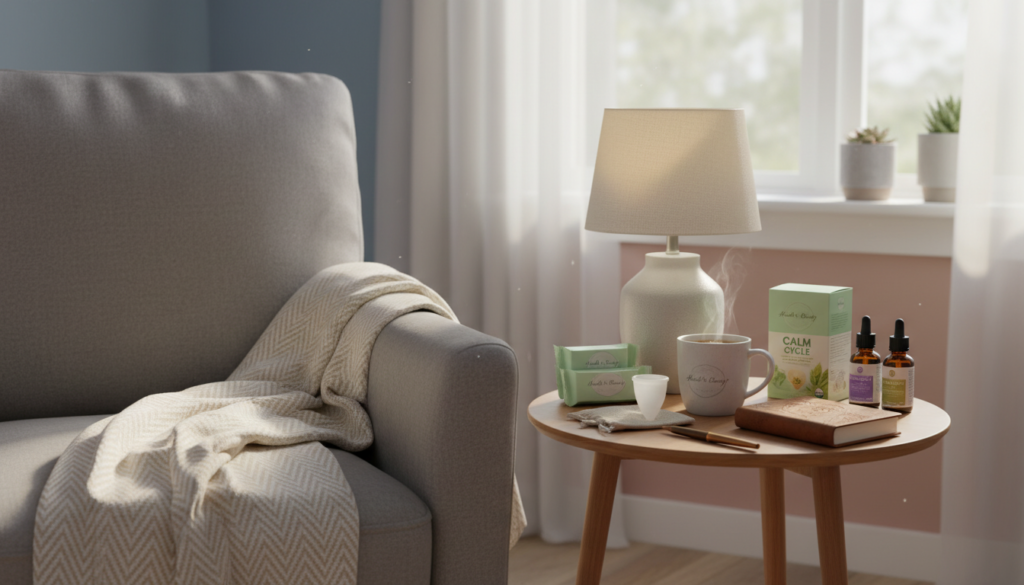
A period comfort kit is essential for managing discomfort and maintaining hygiene during your menstrual cycle. Include items like heating pads for cramp relief, comfortable underwear designed for period wear, and natural pain relievers such as ginger or turmeric supplements.
Adapting Your Skincare Routine for Hormonal Changes
Hormonal fluctuations during your menstrual cycle can affect your skin, leading to acne, dryness, or sensitivity. Adjust your skincare routine by using products that are gentle and suitable for your skin type during different phases of your cycle. For instance, consider using products with salicylic acid during the luteal phase to help manage acne.
By incorporating these elements into your period care routine, you can better manage your menstrual health and improve your overall well-being.
Conclusion
Understanding and managing your menstrual cycle is crucial for overall well-being. By recognizing the different phases and their effects on your body and mind, you can take proactive steps towards a healthier and more balanced life.
Implementing self-care practices, such as natural remedies for cramps, heat therapy, and gentle movement, can significantly reduce physical discomfort. Nutrition and hydration strategies, including foods that support hormonal balance and nutrients to combat fatigue, play a vital role in maintaining energy levels and reducing symptoms.
Intimacy and emotional connection with your partner can be maintained through open communication and alternative forms of physical intimacy. By incorporating mindfulness, meditation, and journaling into your routine, you can better manage mood swings and emotional sensitivity.
Creating a personalized period care routine, including sustainable period products and a period comfort kit, can enhance your overall menstrual health. By adopting these strategies, you can cultivate a more compassionate and informed approach to your menstrual cycle, leading to improved body sensitivity and self-care.
FAQ
What are the four phases of the menstrual cycle?
The four phases are menstruation, the follicular phase, ovulation, and the luteal phase, each with unique characteristics and hormonal fluctuations.
How can I manage cramps and pain during menstruation?
Natural remedies like ginger, heat therapy, and massage techniques can help alleviate cramps and pain. Over-the-counter pain relievers like ibuprofen can also be effective.
What foods support hormonal balance during the menstrual cycle?
Foods rich in omega-3 fatty acids, such as salmon, and those high in antioxidants, like berries, can help support hormonal balance. Leafy greens and whole grains are also beneficial.
How can I maintain intimacy with my partner during menstruation?
Communicating openly with your partner, exploring alternative forms of physical intimacy, and taking steps to make period sex comfortable can help maintain intimacy.
What are some mindfulness and meditation techniques for managing mood swings?
Mindfulness practices like deep breathing, progressive muscle relaxation, and guided meditation can help manage mood swings and emotional sensitivity.
How can I create a personalized period care routine?
Choosing sustainable period products, building a period comfort kit with essentials like heating pads and cozy clothing, and adapting your skincare routine to accommodate hormonal changes can help.
What are the benefits of cycle tracking and journaling?
Cycle tracking and journaling can help you develop self-awareness, identify patterns, and better understand your physical and emotional symptoms, enabling you to make informed decisions about your care.
When should I seek medical help for severe menstrual symptoms?
If you experience severe cramps, heavy bleeding, or other symptoms that interfere with daily life, consult a healthcare provider for guidance on managing your symptoms and developing a treatment plan.