
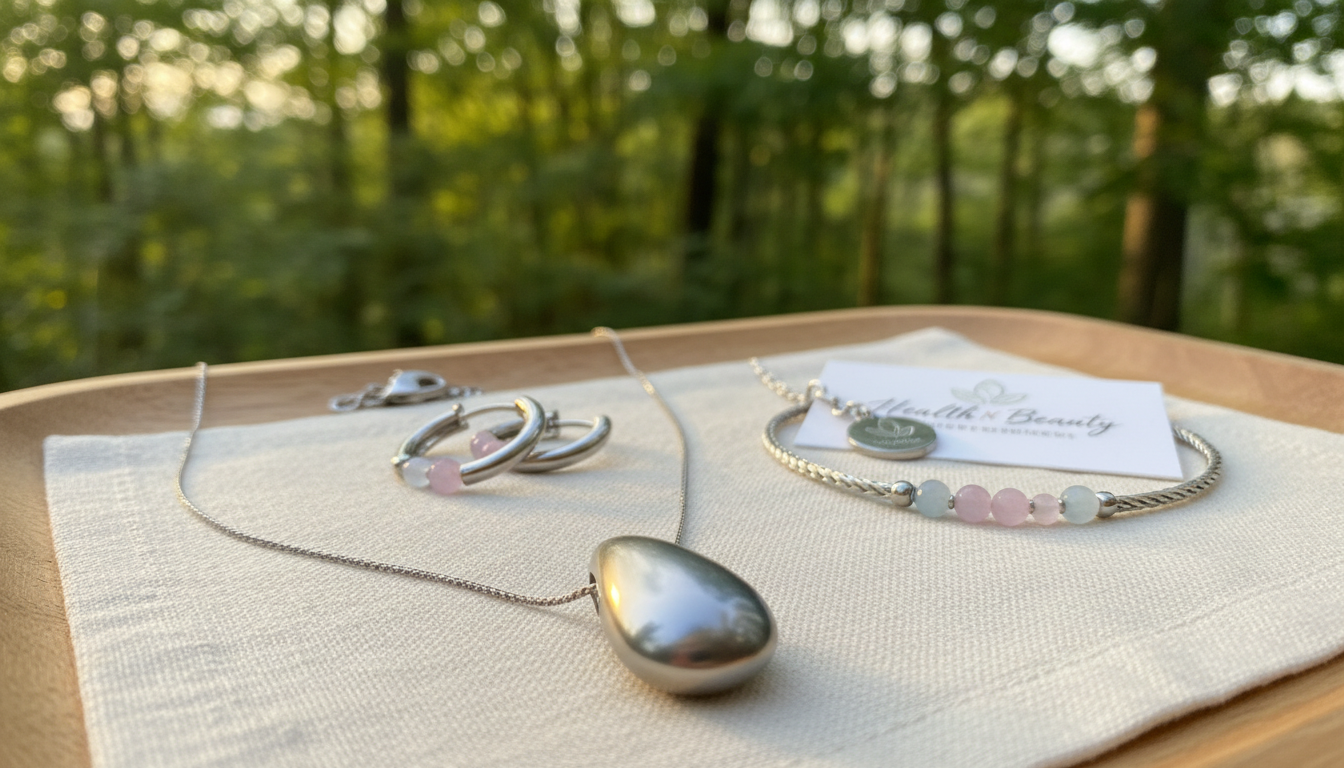
Many individuals experience discomfort and skin reactions when wearing jewelry, particularly during hormonal fluctuations. Hypoallergenic jewelry has become a sought-after solution for those with sensitive skin.
The connection between hormonal changes and skin sensitivity is complex. As hormone levels shift, the skin can become more reactive, making it essential to choose jewelry that is gentle and non-irritating.
This article will explore the best options for hypoallergenic jewelry and provide guidance on selecting the right pieces to minimize skin reactions during different hormonal phases.
Key Takeaways
- Understanding the link between hormonal changes and skin sensitivity
- The importance of choosing hypoallergenic jewelry
- Materials to look for in hypoallergenic jewelry
- Tips for caring for sensitive skin while wearing jewelry
- Recommended hypoallergenic jewelry options
Understanding Skin Sensitivity and Jewelry Reactions
Understanding why certain jewelry pieces cause skin reactions is crucial for finding suitable alternatives. Skin sensitivity and jewelry reactions are issues that affect many individuals, often resulting from the materials used in the jewelry.
Common Allergens in Jewelry
Certain metals and materials in jewelry are known to cause allergic reactions. Nickel is one of the most common allergens, often used in cheaper jewelry and as a base under plated metals. Other potential irritants include copper, chromium, and cobalt. These metals can cause contact dermatitis, a red, itchy rash that can be uncomfortable and unsightly.
How to Identify a Jewelry Allergy
Identifying a jewelry allergy involves observing the skin’s reaction after wearing jewelry. Symptoms can include redness, itching, swelling, or blistering. If you notice any of these symptoms, remove the jewelry and clean the area. For persistent reactions, consulting a dermatologist can help determine the specific allergen.
The Role of Sweat and Body Chemistry
Sweat and body chemistry play significant roles in how jewelry interacts with the skin. Sweat can accelerate chemical reactions between the skin and metals, increasing the likelihood of an allergic response. Individuals with more acidic sweat or certain skin conditions may be more prone to jewelry-related skin reactions.
By understanding these factors, individuals can make informed choices about the jewelry they wear, opting for hypoallergenic metals and materials that are less likely to cause adverse reactions.
The Science Behind Hormonal Changes and Skin Sensitivity
Hormonal variations throughout life, from puberty to menopause, can have a profound impact on skin sensitivity and jewelry tolerance. These changes can affect how the skin reacts to different materials, making some people more prone to allergic reactions or irritation when wearing jewelry.
Hormonal Fluctuations During the Menstrual Cycle
During the menstrual cycle, fluctuations in estrogen and progesterone levels can lead to changes in skin sensitivity. Some women may experience increased sensitivity or skin issues like acne due to these hormonal shifts.
Pregnancy and Postpartum Skin Changes
Pregnancy brings significant hormonal changes that can affect the skin. Increased blood volume and hormonal fluctuations can lead to skin sensitivity and changes in skin pigmentation. Postpartum, hormone levels readjust, which can also impact skin sensitivity.
Menopause and Its Effect on Skin Sensitivity
Menopause marks another significant hormonal shift, with declining estrogen levels affecting skin health and sensitivity. This decrease can lead to thinner, drier skin that is more susceptible to irritation.
Puberty and Adolescent Skin Reactions
Puberty is characterized by a surge in hormone production, which can lead to skin issues such as acne and increased oil production. These changes can make the skin more sensitive to certain materials used in jewelry.
Understanding these hormonal phases and their impact on skin sensitivity is crucial for choosing the right jewelry. By being aware of these changes, individuals can better manage their skin’s reactions to different materials and make informed decisions about their jewelry choices.
Hypoallergenic Metals for Sensitive Skin
Sensitive skin requires special care, and the right hypoallergenic metal can make all the difference in jewelry comfort. Hypoallergenic metals are designed to minimize the risk of an allergic reaction, making them ideal for individuals with sensitive skin or metal allergies.
Titanium: The Lightweight Champion
Titanium is renowned for its strength, durability, and lightweight properties. It’s an excellent choice for those with sensitive skin as it’s hypoallergenic and resistant to corrosion. Titanium jewelry is also highly durable and resistant to scratches, making it perfect for everyday wear.
Surgical Stainless Steel: Strength and Safety
Surgical stainless steel is another popular hypoallergenic metal used in jewelry. It’s known for its strength, resistance to corrosion, and ability to withstand harsh conditions. This metal is often used in medical implants, demonstrating its safety for sensitive skin.
Platinum: Luxury Without Irritation
Platinum is a luxurious and hypoallergenic metal that’s naturally white, eliminating the need for rhodium plating found in white gold. Its purity and rarity make it an excellent choice for sensitive skin, offering both luxury and comfort.
Gold Options: Understanding Karats and Allergies
Not all gold is created equal when it comes to hypoallergenic properties. Higher karat gold, such as 18k or 22k, is less likely to cause allergic reactions due to its higher gold content and lower alloy content. However, some people may still react to certain alloys mixed with gold.
Niobium and Tantalum: Lesser-Known Safe Options
Niobium and tantalum are lesser-known hypoallergenic metals gaining popularity for their unique properties. Niobium is known for its ability to be anodized in various colors without losing its hypoallergenic properties, while tantalum is prized for its density and corrosion resistance.
| Metal | Hypoallergenic | Durability | Cost |
|---|---|---|---|
| Titanium | Yes | High | Moderate |
| Surgical Stainless Steel | Yes | High | Affordable |
| Platinum | Yes | High | High |
| 18k Gold | Generally | High | High |
| Niobium | Yes | Moderate | Moderate |
| Tantalum | Yes | High | Moderate |
Choosing the right hypoallergenic metal for jewelry can significantly reduce the risk of skin irritation. By understanding the properties and benefits of each metal, individuals with sensitive skin can enjoy wearing jewelry without discomfort.
Jewelry Choices for Sensitive Skin and Hormonal Phases
The intersection of sensitive skin and hormonal phases requires careful consideration when choosing jewelry. Hormonal fluctuations during various life stages can significantly impact skin sensitivity, making some jewelry pieces uncomfortable or even irritating.
Best Options During Menstruation
During menstruation, the body undergoes significant hormonal changes that can affect skin sensitivity. Opting for hypoallergenic metals like titanium or surgical stainless steel can minimize the risk of skin reactions. These materials are not only gentle on the skin but also durable and stylish.
Pregnancy-Safe Jewelry Selections
Pregnancy brings about its own set of hormonal changes that can impact skin sensitivity. Niobium and tantalum are excellent choices during this phase due to their hypoallergenic properties and biocompatibility. Additionally, avoiding jewelry with nickel or copper can help prevent skin irritation.
Comfortable Choices During Menopause
Menopause is another period of significant hormonal fluctuation. During this time, platinum jewelry can be an excellent option due to its purity and hypoallergenic nature. Moreover, platinum’s durability ensures that the jewelry remains in good condition despite potential changes in skin pH or sensitivity.
Adapting Jewelry to Hormonal Medication Side Effects
For individuals on hormonal medications, skin sensitivity can be a side effect. In such cases, opting for silicone or fabric jewelry can be a practical solution. These materials are gentle on the skin and come in a variety of styles, making them suitable for different tastes and preferences.
| Hormonal Phase | Recommended Jewelry Materials | Reasons |
|---|---|---|
| Menstruation | Titanium, Surgical Stainless Steel | Hypoallergenic, durable |
| Pregnancy | Niobium, Tantalum | Biocompatible, gentle on skin |
| Menopause | Platinum | Pure, hypoallergenic, durable |
| Hormonal Medication | Silicone, Fabric | Gentle, versatile |
Alternative Materials: Beyond Metal Jewelry
Sensitive skin doesn’t mean sacrificing style; alternative materials offer a plethora of jewelry options. For those who may still react to hypoallergenic metals or prefer non-metal jewelry, there’s a wide range of materials to explore.
Silicone Jewelry Benefits
Silicone jewelry is flexible, durable, and comfortable, making it an excellent choice for everyday wear. It’s also water-resistant and easy to clean, perfect for active lifestyles.
Ceramic and Glass Options
Ceramic and glass jewelry offer a modern aesthetic with a variety of colors and designs. They are hypoallergenic and suitable for sensitive skin, providing a stylish and safe choice.
Natural Materials: Wood, Stone, and Shell
Natural materials like wood, stone, and shell bring an organic beauty to jewelry. Each piece is unique, with natural textures that add character. These materials are generally safe for sensitive skin, though it’s essential to ensure they’re properly treated and finished.
Fabric and Textile Jewelry Alternatives
Fabric and textile jewelry offer a soft, lightweight alternative. These can be made from various materials, including cotton, silk, and synthetic fibers, providing a range of styles from casual to elegant. They’re gentle on the skin and can be a great option for those with metal sensitivities.
Exploring alternative materials can help individuals with sensitive skin or preferences for non-metal jewelry find stylish and comfortable options. Whether it’s silicone, ceramic, natural materials, or fabric, there’s a wealth of choices available.
Testing and Transitioning to Hypoallergenic Jewelry
Making the switch to hypoallergenic jewelry requires careful consideration and a strategic approach. For individuals with sensitive skin, this transition can significantly reduce the risk of adverse reactions and discomfort.
Patch Testing New Jewelry Pieces
Before fully adopting a new hypoallergenic jewelry piece, it’s crucial to perform a patch test. This involves wearing the jewelry for a short period, typically on a less sensitive area, to check for any adverse reactions. Patch testing can help identify potential allergens even in jewelry marketed as hypoallergenic.
Gradual Introduction Techniques
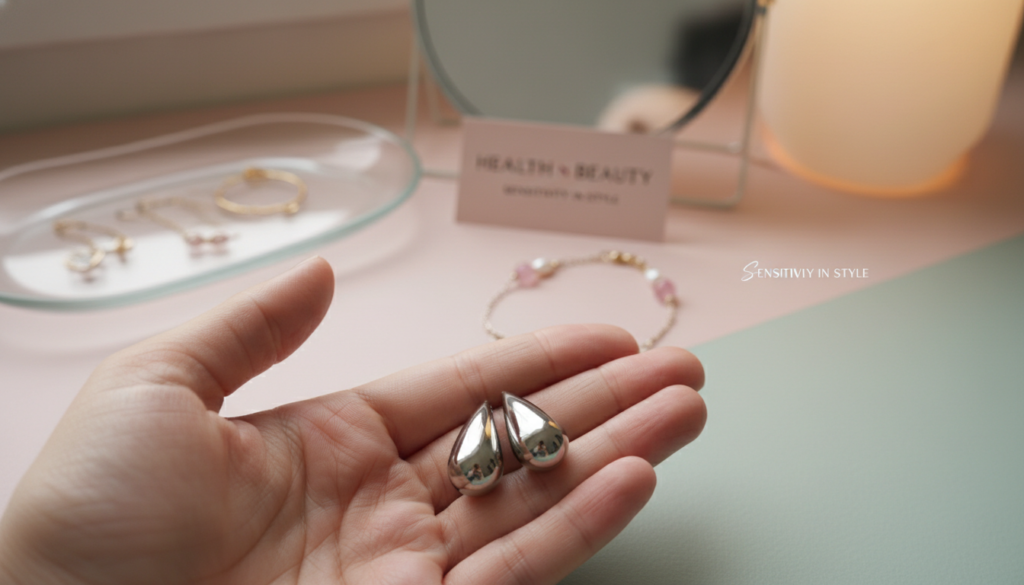
When introducing new hypoallergenic jewelry into your wardrobe, do so gradually. Start by wearing the pieces for short periods and gradually increase the duration. This gradual introduction helps your skin adjust and reduces the likelihood of irritation.
When to Consult a Dermatologist
If you experience persistent or severe skin reactions, it’s advisable to consult a dermatologist. A professional can provide personalized advice and help identify specific allergens. As noted by dermatological experts, “Understanding your skin’s specific needs is key to managing sensitivity.”
“The key to managing skin sensitivity lies in understanding your skin’s specific needs and adapting your jewelry choices accordingly.”
Converting Favorite Pieces to Hypoallergenic Options
For sentimental or favorite jewelry pieces that cause irritation, consider converting them to hypoallergenic options. This can involve re-plating with hypoallergenic metals or replacing irritating components. Consulting a professional jeweler can help you explore these options and preserve the sentimental value of your jewelry.
By following these steps, you can enjoy wearing jewelry while minimizing the risk of skin reactions. Transitioning to hypoallergenic jewelry is a process that requires patience and careful planning, but the benefits to your skin’s health are well worth the effort.
Caring for Your Jewelry to Minimize Skin Reactions
Caring for your jewelry properly can significantly reduce the risk of skin irritation. Proper maintenance not only extends the life of your jewelry but also ensures it remains safe to wear against your skin.
Cleaning Techniques for Sensitive Skin Jewelry
Cleaning your jewelry regularly is crucial. Use a soft cloth and mild soap solution to gently clean your pieces. Avoid harsh chemicals or abrasive materials that can damage the metal or irritate your skin. For intricate designs, consider using a soft-bristled brush to remove dirt and grime.
Storage Tips to Prevent Contamination
Store your jewelry in a cool, dry place, away from direct sunlight. Use separate compartments or pouches to prevent pieces from scratching against each other. Consider storing hypoallergenic jewelry in airtight containers to minimize exposure to air and potential allergens.
When to Replace or Recoat Your Pieces
Over time, the coating on your jewelry can wear off, exposing the base metal and potentially causing skin irritation. If you notice the coating is wearing thin, consider having your pieces recoated by a professional. In some cases, it may be more cost-effective to replace the jewelry altogether.
Daily Maintenance Habits
Develop a habit of regularly inspecting your jewelry for signs of wear. Remove your jewelry during activities that could cause damage, such as swimming or exercising. Regularly cleaning and storing your jewelry properly will help maintain its hypoallergenic properties.
By following these care and maintenance tips, you can enjoy wearing your jewelry while minimizing the risk of skin reactions. Remember, the key to hypoallergenic jewelry is not just in its initial selection but also in its ongoing care.
Stylish Brands Specializing in Sensitive Skin Jewelry
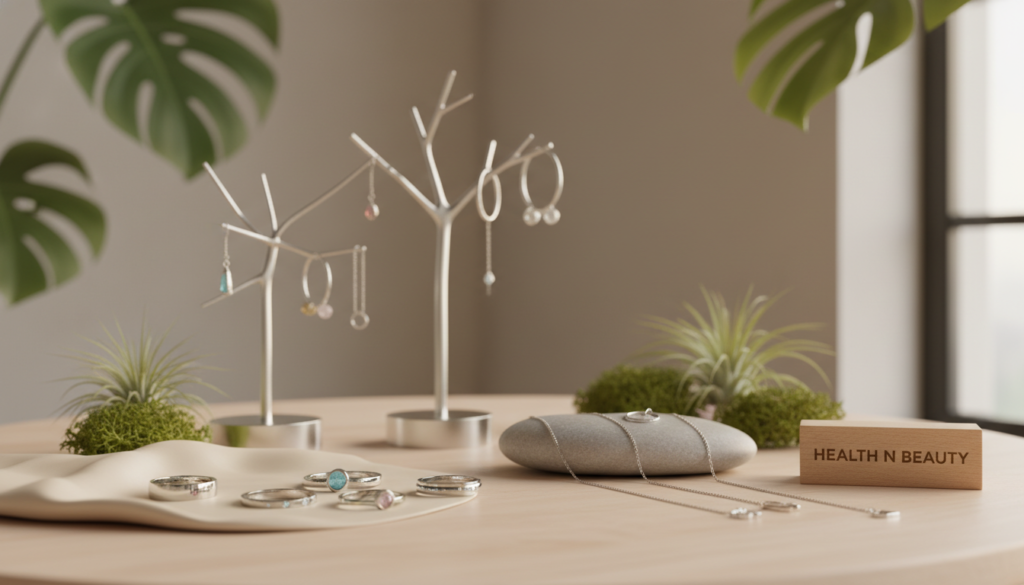
The quest for beautiful jewelry doesn’t have to end for those with sensitive skin, thanks to brands specializing in hypoallergenic pieces. These brands understand the importance of creating stylish, allergy-friendly jewelry that doesn’t compromise on style or safety.
Luxury Hypoallergenic Jewelry Lines
Luxury brands are now catering to individuals with sensitive skin by offering high-end, hypoallergenic jewelry. For instance, Tiffany & Co. uses high-quality, nickel-free materials in their pieces, ensuring both elegance and safety. Similarly, Cartier offers luxurious hypoallergenic jewelry options that are perfect for those who don’t want to compromise on style.
Affordable Options for Every Budget
Not everyone has to break the bank to enjoy hypoallergenic jewelry. Brands like Amazon’s Simple Modern and Pandora offer affordable, hypoallergenic options without sacrificing style. These brands use materials like surgical stainless steel and titanium, which are known for their hypoallergenic properties.
Custom and Bespoke Solutions
For those looking for something unique, custom and bespoke jewelry services are available. Brands like Catbird offer custom hypoallergenic jewelry designs, allowing customers to create pieces that are both personal and safe for their skin. As
“Custom jewelry allows you to wear your story without worrying about your skin reacting.”
Online Resources for Verified Hypoallergenic Jewelry
Finding the right hypoallergenic jewelry can be made easier with online resources. Websites like Jewelry.org and HypoallergenicJewelry.com provide guides and lists of verified hypoallergenic jewelry brands. These resources help consumers make informed decisions when purchasing jewelry that is safe for sensitive skin.
With the rise of hypoallergenic jewelry brands, individuals with sensitive skin no longer have to choose between style and comfort. Whether you’re looking for luxury, affordability, or custom designs, there’s a hypoallergenic jewelry brand out there for you.
Conclusion: Wearing Jewelry with Confidence
Understanding the impact of hormonal fluctuations on skin sensitivity is crucial for individuals who enjoy wearing jewelry. By choosing hypoallergenic jewelry, you can minimize the risk of skin reactions and wear your favorite pieces with confidence.
Hypoallergenic metals like titanium, surgical stainless steel, and platinum are excellent options for sensitive skin. These materials are designed to reduce the risk of allergic reactions, ensuring that you can enjoy wearing jewelry without discomfort.
During various hormonal phases, such as menstruation, pregnancy, or menopause, skin sensitivity can increase. By selecting jewelry made from hypoallergenic materials and following proper care practices, you can enjoy your jewelry while maintaining healthy, irritation-free skin.
Explore the recommended hypoallergenic jewelry options and care practices discussed in this article to find the perfect pieces that suit your needs. With the right knowledge and jewelry choices, you can wear your favorite pieces with confidence, regardless of your hormonal phase.
FAQ
What is hypoallergenic jewelry?
Hypoallergenic jewelry is made from materials that are less likely to cause allergic reactions, such as titanium, surgical stainless steel, and niobium, making it suitable for individuals with sensitive skin.
How do hormonal changes affect skin sensitivity?
Hormonal fluctuations during different life phases, such as menstruation, pregnancy, and menopause, can increase skin sensitivity, making it more prone to reactions to certain jewelry materials.
What are the common allergens found in jewelry?
Common allergens in jewelry include nickel, copper, and certain types of silver and gold alloys, which can cause skin irritation and allergic contact dermatitis.
How can I identify if I have a jewelry allergy?
Symptoms of a jewelry allergy include redness, itching, swelling, and rashes under or around the jewelry. If you experience these symptoms, it’s best to consult a dermatologist for proper diagnosis.
Are there any hypoallergenic gold options?
Yes, certain karats of gold, such as 18k or higher, are considered hypoallergenic because they contain less nickel and other allergens than lower karat gold or gold alloys.
Can I wear jewelry during pregnancy?
Yes, but it’s recommended to choose hypoallergenic jewelry to minimize the risk of skin reactions, as skin sensitivity can increase during pregnancy.
How do I care for hypoallergenic jewelry?
To care for hypoallergenic jewelry, clean it regularly with mild soap and water, store it separately to prevent contamination, and avoid exposing it to harsh chemicals.
Can silicone jewelry be a good alternative for sensitive skin?
Yes, silicone jewelry is a good option for sensitive skin as it is hypoallergenic, flexible, and gentle on the skin, making it suitable for everyday wear.
How can I transition to wearing hypoallergenic jewelry?
To transition, start by patch testing new hypoallergenic pieces on a small area of your skin, then gradually introduce them into your daily wear, replacing old pieces that cause reactions.
Are there any luxury brands that specialize in hypoallergenic jewelry?
Yes, several luxury brands offer hypoallergenic jewelry options made from high-quality, skin-friendly materials like titanium, platinum, and niobium, catering to individuals with sensitive skin.