
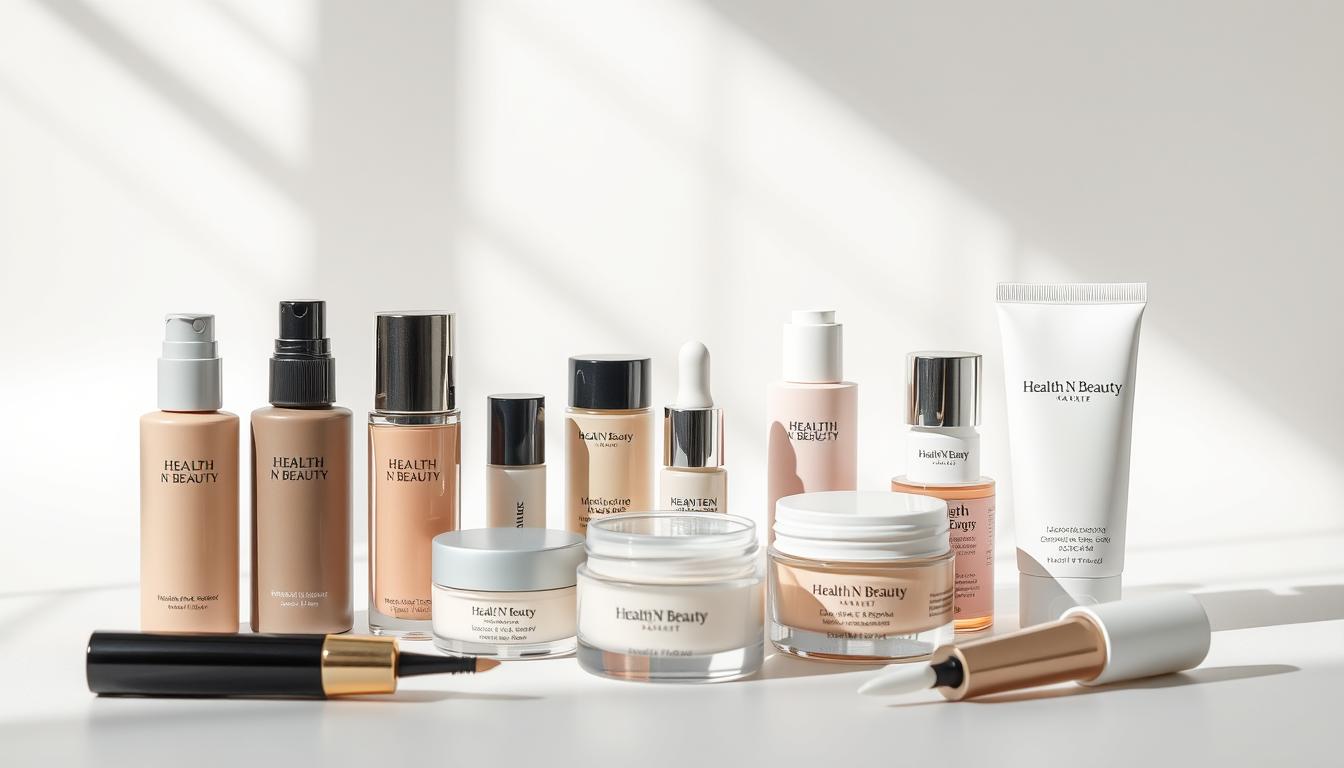
Did you know that nearly 60% of adults experience some form of skin sensitivity? This can make finding the right hypoallergenic makeup a daunting task. According to La Roche-Posay, the best makeup for sensitive skin not only conceals flaws but also protects and soothes the skin throughout the day.
Choosing the right products and techniques is crucial for individuals with sensitive skin. Using the wrong makeup can lead to irritation, redness, and discomfort. However, with the right guidance, you can achieve a flawless look without compromising your skin’s health.
Key Takeaways
- Understanding your skin type is crucial for selecting the right makeup products.
- Opt for hypoallergenic and fragrance-free products to minimize irritation.
- Proper application techniques can significantly reduce skin irritation.
- Always patch test new makeup products before applying them fully.
- Look for products labeled as suitable for sensitive skin.
Understanding Sensitive Skin and Makeup Challenges
The journey to finding the right makeup products for sensitive skin begins with understanding its characteristics. Sensitive skin is more than just a skin type; it’s a condition that requires careful consideration and gentle care when it comes to makeup application.
Signs You Have Sensitive Skin
If you experience redness, itching, or burning after applying makeup, you might have sensitive skin. Other signs include tightness or dryness after cleansing. Recognizing these symptoms is the first step towards adopting a more suitable skincare and makeup routine.
Common Triggers and Irritants
Certain ingredients in makeup products can trigger irritation. Common culprits include fragrances, dyes, and harsh chemicals. Being aware of these potential irritants can help you make informed choices when selecting non-irritating makeup products.
Why Regular Makeup Can Cause Problems
Regular makeup products often contain ingredients that can exacerbate sensitive skin. The use of heavy foundations, powders, or products with alcohol can strip the skin of its natural oils, leading to irritation. Opting for gentle, fragrance-free products can mitigate these issues.
By understanding the challenges associated with sensitive skin and makeup, you can take the first steps towards a more harmonious and non-irritating makeup routine. It’s about making informed choices and adopting products that cater to your skin’s specific needs.
Preparing Your Sensitive Skin for Makeup
To achieve a smooth makeup application, preparing your sensitive skin is essential. According to La Roche-Posay, starting with a gentle cleansing routine and moisturizing before applying makeup can make a significant difference.
Gentle Cleansing Routine
A gentle cleansing routine is the first step in preparing your skin for makeup. Use a fragrance-free cleanser that effectively removes dirt without stripping your skin of its natural oils. As “A clean face is the foundation of a great makeup look”, it’s crucial to cleanse your skin gently.
Importance of Moisturizing
Moisturizing is a critical step that helps to hydrate and protect your skin. Choose a hypoallergenic moisturizer that suits your skin type. Moisturizing helps to create a barrier between your skin and makeup, reducing the risk of irritation.
Primers Designed for Sensitive Skin
Primers can help create a smooth canvas for makeup. For sensitive skin, look for primers that are labeled as non-comedogenic or hypoallergenic.
Silicone-Free Options
Silicone-free primers are ideal for sensitive skin as they reduce the risk of clogged pores and irritation. Look for primers with natural ingredients.
Soothing Ingredients to Look For
Soothing ingredients like aloe vera and green tea can help calm the skin. When choosing a primer, opt for products with these ingredients to help reduce irritation.
Makeup for Sensitive Skin: Essential Base Products
Sensitive skin requires special care, and choosing the best base makeup products is crucial for a flawless look without irritation. The right products can help create a smooth canvas for makeup while protecting and nourishing the skin.
Foundations for Reactive Skin
For reactive skin, the foundation is a critical component. It not only provides coverage but also needs to be gentle and non-irritating.
Mineral-Based Foundations
Mineral-based foundations are often recommended for sensitive skin due to their natural ingredients and lack of harsh chemicals. They provide a lightweight coverage that can help soothe the skin.
Liquid Formulations for Dry Sensitive Skin
Liquid formulations are ideal for dry sensitive skin as they offer hydration and a natural finish. Products like IT Cosmetics Your Skin But Better CC+ Cream are highly rated for their moisturizing properties and SPF 50 protection.
Coverage Options for Redness and Irritation
For redness and irritation, look for foundations with color-correcting properties. Green-tinted foundations can help neutralize redness, while yellow or peach tones can brighten the complexion.
Gentle Concealers
Concealers are essential for covering blemishes and dark circles. For sensitive skin, opt for concealers that are fragrance-free and hypoallergenic. Look for ingredients like chamomile or aloe vera, which are known for their soothing properties.

Setting Powders That Won’t Irritate
Setting powders help extend the wear of your makeup and reduce shine. For sensitive skin, choose powders that are finely milled and free from talc, which can cause irritation. Translucent powders are a good option as they won’t alter the color of your foundation.
| Product Type | Key Features | Benefits for Sensitive Skin |
|---|---|---|
| Mineral-Based Foundations | Natural ingredients, lightweight coverage | Soothes and calms the skin |
| Liquid Foundations | Hydrating, natural finish | Moisturizes and protects dry skin |
| Gentle Concealers | Fragrance-free, hypoallergenic | Covers blemishes without irritation |
| Setting Powders | Finely milled, talc-free | Sets makeup without causing irritation |
By choosing the right base products, individuals with sensitive skin can enjoy a flawless makeup look without compromising their skin’s health. Always remember to patch test new products and consult with a dermatologist if irritation persists.
Eye and Cheek Products for Delicate Skin
For individuals with delicate skin, finding the appropriate eye and cheek products can make a significant difference in their makeup routine. The key is to identify products that are not only effective but also gentle on the skin.
Hypoallergenic Eyeshadows
Hypoallergenic eyeshadows are designed to minimize the risk of allergic reactions, making them ideal for sensitive skin. Look for eyeshadows with natural ingredients and avoid those with harsh chemicals. The Tarte Cosmetics Tartelette Flirt Eyeshadow Palette is a great option, known for its soft pigments and skin-friendly wear.

Mascara Options for Sensitive Eyes
When it comes to mascara for sensitive eyes, it’s essential to choose formulas that are free from irritants. Opt for mascaras that are labeled as hypoallergenic or fragrance-free. These mascaras are less likely to cause irritation, ensuring that your eyes remain comfortable throughout the day.
Blush and Bronzer Recommendations
Blushes and bronzers can add a healthy glow to your complexion without irritating sensitive skin, provided you choose the right formulations. Consider products that are labeled as suitable for sensitive skin.
Powder vs. Cream Formulations
Both powder and cream formulations have their advantages. Cream products can be more moisturizing, while powders are often easier to apply and last longer. For sensitive skin, it’s often a matter of personal preference.
Fragrance-Free Options
Fragrance-free products are generally a safer choice for sensitive skin, as fragrances can be a common irritant. Always check the ingredient list to ensure that the product is free from fragrances and other potential irritants.
By choosing the right eye and cheek products, individuals with sensitive skin can enjoy a wide range of makeup options without compromising their skin’s health. Remember, the key to soothing makeup for sensitive skin lies in selecting products that are gentle, hypoallergenic, and fragrance-free.
Lip Products That Won’t Cause Irritation
For individuals with sensitive skin, choosing lip products that won’t cause irritation is crucial. The right lip care can enhance your makeup routine while keeping your lips healthy and comfortable.

Gentle Lip Liners
Gentle lip liners are essential for defining your lips without causing irritation. Look for products that are labeled as hypoallergenic and fragrance-free to minimize the risk of an adverse reaction. Many brands now offer lip liners that are not only gentle but also provide a smooth, precise application.
Lipsticks for Sensitive Lips
When it comes to lipsticks, individuals with sensitive lips should opt for formulas that are designed to be gentle and nourishing. La Roche-Posay TOLERIANE Lipstick is noted for its repairing care and long-lasting color, making it an excellent choice. Ingredients like shea butter and vitamin E can help to moisturize and protect sensitive lips.
Lip Glosses and Balms
Lip glosses and balms are great options for adding a touch of shine to your lips while keeping them moisturized. Look for products that contain natural ingredients and are free from common irritants like parabens and artificial fragrances. These products can help to keep your lips hydrated and comfortable throughout the day.
Application Techniques for Sensitive Skin
Sensitive skin demands a gentle touch, and the right application techniques can make all the difference in achieving a smooth, natural look. When applying makeup to sensitive skin, it’s crucial to minimize irritation while maximizing coverage.
Tools That Minimize Irritation
The right tools can significantly reduce irritation. For makeup application on sensitive skin, choosing between brushes and sponges is a critical decision.
Brushes vs. Sponges
Brushes offer precision and can be gentler on the skin if used correctly. Sponges, on the other hand, can provide a more even application but may require a lighter touch to avoid irritation. Synthetic brushes are often recommended for sensitive skin as they are less likely to harbor bacteria compared to natural fibers.
Cleaning Your Tools Properly
Regardless of whether you use brushes or sponges, cleaning your tools regularly is vital. A simple mixture of mild soap and warm water can effectively clean makeup tools without leaving harsh chemical residues.
Gentle Application Methods
Gentle application is key to avoiding irritation. Techniques such as light tapping or gentle sweeping motions can help distribute makeup evenly without causing undue stress to the skin.
According to makeup artist, “Sarah Jones, ‘Using a light hand and building coverage gradually is far more effective and less irritating than applying heavy layers of makeup at once.'”
“The most important thing is to be gentle. Sensitive skin requires patience and a soft touch.”
Building Coverage Without Irritation
Building coverage gradually is essential for sensitive skin. Start with a light layer and allow it to settle before adding more product. This approach helps prevent clogged pores and reduces the risk of irritation.
| Product | Application Tip | Benefit |
|---|---|---|
| Foundation | Apply with a brush in gentle strokes | Even coverage |
| Concealer | Pat gently with a ring finger | Targeted coverage |
| Powder | Lightly sweep with a powder brush | Sets makeup without cakeiness |
By adopting these techniques and using the right tools, individuals with sensitive skin can enjoy a flawless makeup look without the discomfort of irritation.
Ingredients to Avoid in Makeup Products
For those with sensitive skin, understanding the ingredients in makeup products is crucial for avoiding adverse reactions. The numerous ingredients in makeup products can be overwhelming, but being aware of common irritants can significantly reduce the risk of skin reactions.
Common Allergens and Irritants
Certain ingredients in makeup products are known to cause irritation or allergic reactions in individuals with sensitive skin. Harsh alcohols, essential oils, and heavy artificial fragrances are among the top culprits. These ingredients can strip the skin of its natural oils, cause dryness, or trigger allergic reactions. It’s advisable to opt for products labeled as fragrance-free or those that use natural fragrances that are less likely to irritate.
Decoding Product Labels
Deciphering the ingredient list on makeup product labels can be daunting, but it’s a crucial step in making informed choices. Look out for ingredients like parabens, phthalates, and sulfates, which are known to potentially cause skin irritation. Products that are labeled as hypoallergenic or non-comedogenic are designed to minimize the risk of allergic reactions and are generally safer for sensitive skin.
Clean Beauty Alternatives
In response to growing concerns about skin sensitivity and the desire for more natural products, the clean beauty movement has gained momentum. Clean beauty alternatives focus on using natural ingredients that are gentler on the skin. When shopping for makeup, consider products that are free from harsh chemicals and instead contain soothing ingredients like aloe vera, green tea, or chamomile. These ingredients not only help to calm the skin but also provide nourishment.
By being mindful of the ingredients in makeup products and choosing clean beauty alternatives, individuals with sensitive skin can enjoy a wider range of makeup options without compromising their skin health.
Removing Makeup Safely from Sensitive Skin
Removing makeup from sensitive skin requires careful consideration to avoid irritation. Individuals with sensitive skin need to be cautious when choosing makeup removers and techniques to prevent discomfort and allergic reactions.
Gentle Makeup Removers
La Roche-Posay suggests using gentle, non-rinse makeup removers that are specifically designed for sensitive skin. These products are typically fragrance-free and hypoallergenic, reducing the risk of irritation. Some popular options include micellar water and oil-free removers.
- Micellar water
- Oil-free removers
- Fragrance-free products
Proper Removal Techniques
Using the right removal techniques is just as important as choosing the right products. Gently wiping or blotting the makeup off, rather than rubbing, can significantly reduce irritation. It’s also recommended to remove makeup in a gentle, downward motion to avoid pulling on the skin.
Key techniques include:
- Gentle wiping or blotting
- Avoiding rubbing or tugging on the skin
- Using a downward motion
Post-Removal Skin Care
After removing makeup, it’s essential to follow up with a gentle skincare routine. This includes cleansing the skin with a mild cleanser, followed by a soothing moisturizer to help calm and hydrate the skin. Look for products labeled “suitable for sensitive skin” to minimize the risk of irritation.
By choosing gentle makeup removers, using proper removal techniques, and following up with appropriate skincare, individuals with sensitive skin can reduce the risk of irritation and maintain healthy, comfortable skin.
Conclusion: Creating Your Sensitive Skin Makeup Routine
Developing a makeup routine for sensitive skin requires patience and the right product choices. By understanding your skin’s needs and avoiding common irritants, you can enjoy a flawless, natural look without compromising your skin’s health.
When selecting makeup for sensitive skin, look for hypoallergenic products that are designed to minimize the risk of allergic reactions. Brands that specialize in sensitive skin offer a range of products, from foundations to eyeshadows, that are gentle and effective.
To create your personalized routine, start by choosing a gentle cleanser and moisturizer that suit your skin type. Then, select a hypoallergenic foundation and concealer that provide the desired coverage without irritating your skin. Don’t forget to set your look with a gentle setting powder.
By following these guidelines and being mindful of the products you use, you can achieve a beautiful, healthy-looking complexion. Experiment with different products and techniques until you find what works best for your sensitive skin, and enjoy the confidence that comes with a great makeup look.
FAQ
What is considered sensitive skin, and how can I determine if I have it?
Sensitive skin is characterized by redness, itching, or irritation in response to certain products or environmental factors. You can determine if you have sensitive skin by paying attention to how your skin reacts to different products and situations.
What are some common triggers for sensitive skin?
Common triggers for sensitive skin include harsh skincare products, certain makeup ingredients, fragrances, and environmental factors like sun exposure or extreme temperatures.
How can I prepare my sensitive skin for makeup?
To prepare your sensitive skin for makeup, start with a gentle cleansing routine, followed by moisturizing to hydrate your skin. Using a primer designed for sensitive skin can also help create a smooth canvas for makeup.
What kind of foundation is best for sensitive skin?
Look for foundations labeled as hypoallergenic or fragrance-free, and opt for mineral or green mineral foundations that are less likely to irritate. Brands like bareMinerals and Glossier offer gentle, effective options.
Are there specific ingredients I should avoid in makeup products for sensitive skin?
Yes, common allergens and irritants to avoid include fragrances, dyes, parabens, and sulfates. Always check product labels carefully, and consider opting for clean beauty alternatives that prioritize natural, gentle ingredients.
How can I remove makeup safely from sensitive skin?
Use a gentle makeup remover that is fragrance-free and hypoallergenic, and follow proper removal techniques like wiping gently rather than rubbing. After removal, cleanse your skin and apply a soothing moisturizer to help calm and hydrate.
What are some hypoallergenic eyeshadow and mascara options?
Brands like Urban Decay and Tarte offer hypoallergenic eyeshadows, while Bobbi Brown and Clinique provide gentle, fragrance-free mascaras that are suitable for sensitive eyes.
Can I still wear lipstick if I have sensitive lips?
Yes, look for lipsticks that are labeled as hypoallergenic or fragrance-free, and consider options with soothing ingredients like beeswax or coconut oil. Brands like Buxom and KOSAS offer gentle, effective lipsticks.
How can I build coverage without irritating my sensitive skin?
To build coverage without irritation, use gentle application methods like patting or dabbing, and start with a light layer, gradually increasing as needed. Using the right tools, like soft-bristled brushes or beauty sponges, can also help minimize irritation.
What are some gentle lip liners and lip glosses for sensitive skin?
For gentle lip liners, consider Charlotte Tilbury or NARS, which offer hypoallergenic options. For lip glosses, look to Fenty Beauty or Bite Beauty, which provide fragrance-free and gentle formulations.