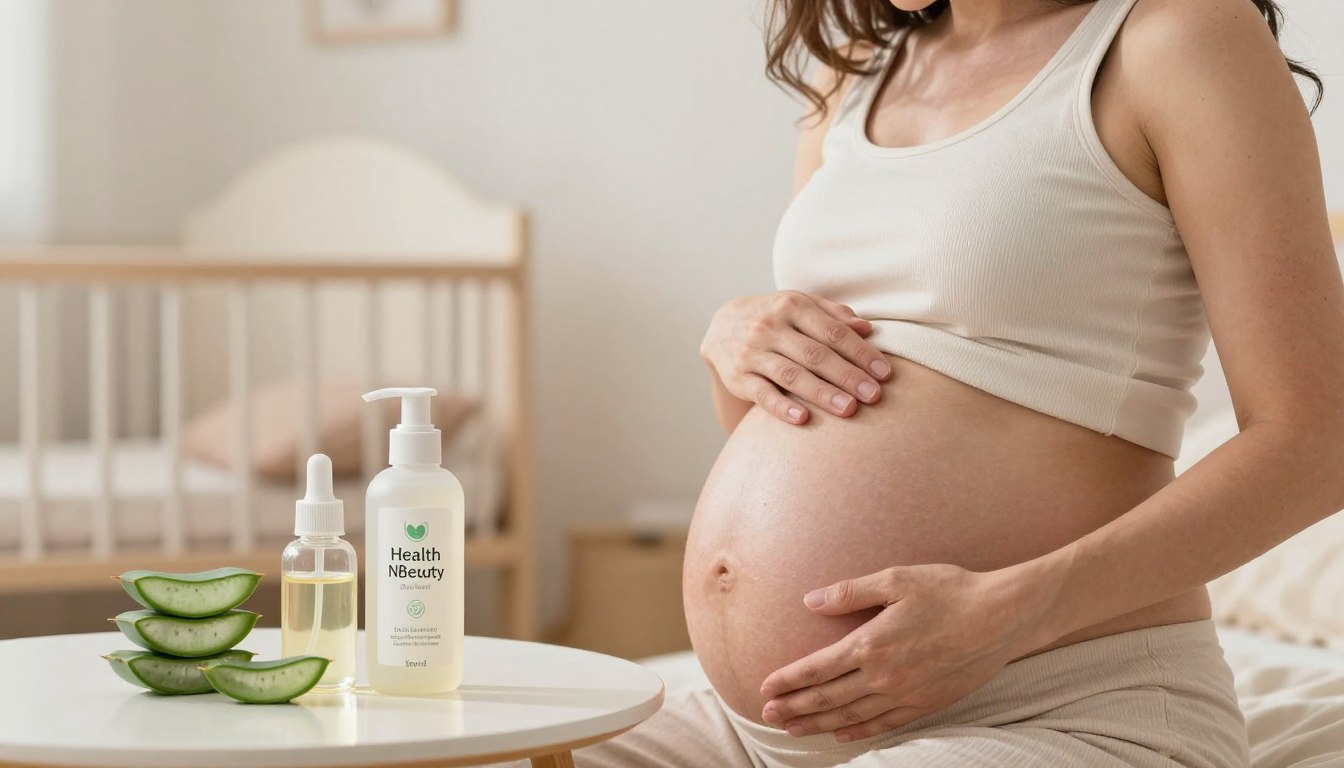
Pregnancy is a beautiful journey, but it can bring about significant changes to a woman’s skin. Expecting mothers often struggle with various skin issues such as stretch marks, acne, and melasma.
Understanding these common skin conditions and adopting a suitable skincare routine are crucial. Natural remedies can provide a safe and effective way to manage these issues, ensuring a healthy glow throughout pregnancy.
Key Takeaways
- Understanding common skin conditions during pregnancy
- The importance of a skincare routine
- Natural remedies for managing skin issues
- Maintaining healthy skin throughout pregnancy
- Safe skincare practices for expecting mothers
Understanding Common Skin Conditions During Pregnancy
Expectant mothers often experience a range of skin conditions due to the significant bodily changes. These changes can lead to various skin issues, some of which are common and well-documented.

Stretch Marks: Causes and Prevention
Stretch marks are a common concern for many pregnant women. They occur due to the rapid stretching of the skin, primarily on areas like the abdomen, breasts, and thighs. Prevention is key, and this can be achieved through maintaining skin elasticity with the help of moisturizers and oils rich in nutrients.
Using products that are rich in vitamin E and collagen can help in keeping the skin supple and resilient, thereby reducing the likelihood of stretch marks.
Pregnancy Acne: What to Know
Hormonal fluctuations during pregnancy can lead to acne. Understanding the causes and knowing how to manage it is crucial for maintaining healthy skin. Gentle skincare routines and products that are safe for use during pregnancy can help in controlling acne.
It’s essential to avoid harsh chemicals and instead opt for natural remedies that are known to combat acne without causing harm to the mother or the baby.
Melasma: The Mask of Pregnancy
Melasma, often referred to as the “mask of pregnancy,” is another common skin condition caused by increased melanin production. It manifests as patches on the face, particularly on the cheeks and forehead. Sun protection is vital in managing melasma, as UV rays can exacerbate the condition.
Using natural sunscreens and practicing sun-safe behaviors can help in minimizing the appearance of melasma.
Importance of a Skincare Routine
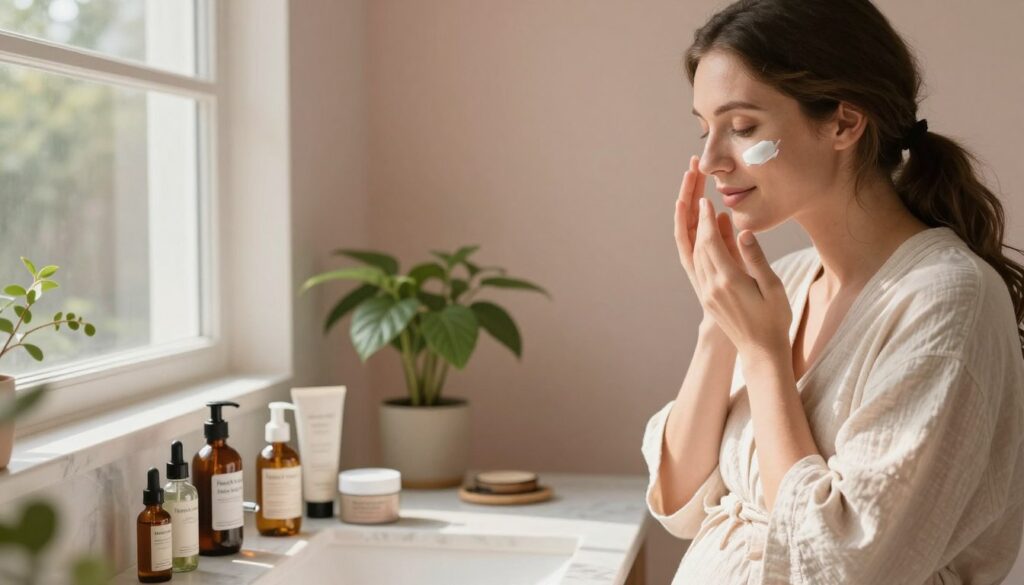
Establishing a consistent skincare routine is crucial during pregnancy to maintain healthy, glowing skin. The skin is particularly sensitive during this period, and a well-planned routine can help mitigate common issues such as acne, dryness, and hyperpigmentation.
Choosing Safe Ingredients
When it comes to skincare during pregnancy, the safety of the ingredients is paramount. Opt for products that are labeled as safe for use during pregnancy, and avoid those containing retinoids, salicylic acid, and certain essential oils that could potentially harm the fetus. Instead, look for gentle, natural ingredients that nourish and protect the skin.
Some safe ingredients include hyaluronic acid, glycerin, and ceramides, which help in maintaining the skin’s barrier function and hydration. Always read the labels carefully and consult with a healthcare provider if you’re unsure about any product.
Cleansing: A Foundation for Healthy Skin
Cleansing is a fundamental step in any skincare routine, especially during pregnancy. It helps remove dirt, oil, and makeup, preventing clogged pores and reducing the risk of acne. Choose a gentle cleanser that is formulated for your skin type, and avoid harsh products that can strip the skin of its natural oils.
A simple cleansing routine involves washing your face twice a day with a mild cleanser, followed by a toner to balance the skin’s pH, and then moisturizing to keep the skin hydrated. This basic routine can be adjusted based on individual skin concerns and needs.
Natural Remedies for Stretch Marks
Expectant mothers often worry about stretch marks, yet several natural remedies can help alleviate their occurrence. Stretch marks are a common issue during pregnancy due to the rapid stretching of the skin. Fortunately, there are effective natural solutions that can help minimize their appearance and promote healthier skin.
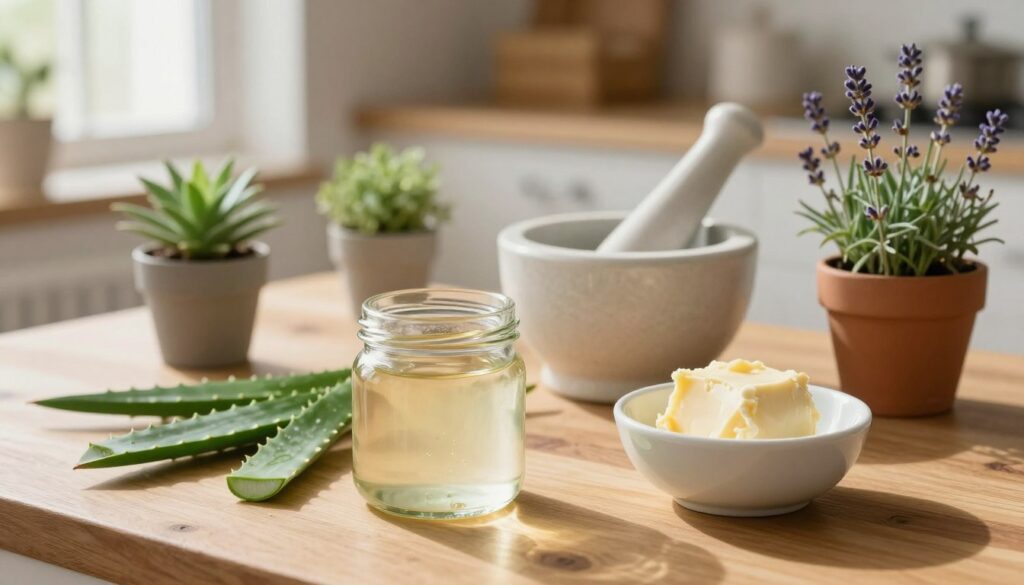
Two of the most beneficial natural ingredients for preventing and reducing stretch marks are coconut oil and aloe vera. Both are known for their nourishing and healing properties, making them ideal for skin care during pregnancy.
Coconut Oil: Nourishment for the Skin
Coconut oil is rich in nutrients and fatty acids that help to nourish and moisturize the skin. Its hydrating properties can improve skin elasticity, making it more resilient to stretching and reducing the likelihood of stretch marks. Regular application of coconut oil can also help to soothe and calm the skin, reducing the appearance of existing stretch marks.
Key benefits of coconut oil include: enhanced skin hydration, improved skin elasticity, and a reduction in the appearance of fine lines and stretch marks.
Aloe Vera: Healing Properties Unleashed
Aloe vera is renowned for its healing properties, making it an excellent natural remedy for various skin issues, including stretch marks. It contains vitamins A, C, and E, along with antioxidants that help to repair and rejuvenate the skin. Aloe vera’s anti-inflammatory properties can also soothe irritated skin, promoting a healthier and more even-toned complexion.
Aloe vera’s benefits for the skin include: reduced inflammation, improved skin tone, and enhanced healing of skin irritations and stretch marks.
By incorporating coconut oil and aloe vera into your skincare routine, you can effectively reduce the occurrence and appearance of stretch marks, promoting healthier and more resilient skin throughout your pregnancy.
Tackling Pregnancy Acne Naturally
Expecting mothers often struggle with acne, seeking natural solutions that are safe for both mother and baby. Acne during pregnancy can be challenging to manage, especially with many conventional treatments being off-limits. However, there are natural approaches that can help.
Dietary Adjustments for Clearer Skin
Making dietary adjustments is a crucial step in managing pregnancy acne. Including foods rich in omega-3 fatty acids, such as salmon and walnuts, can help reduce inflammation and promote healthier skin.
Foods high in antioxidants, like berries and leafy greens, can also help combat acne by reducing oxidative stress. Additionally, staying hydrated by drinking plenty of water is essential for flushing out toxins and maintaining skin health.
Essential Oils: Nature’s Acne Fighters
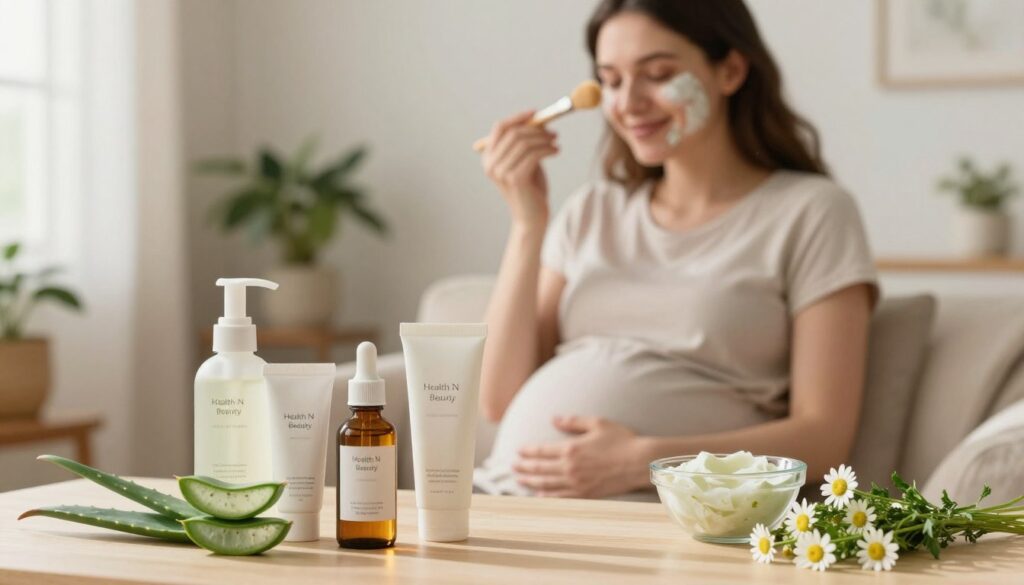
Certain essential oils have been found to have acne-fighting properties, making them a valuable part of a natural pregnancy acne treatment plan. Tea tree oil is known for its antibacterial properties, which can help reduce acne-causing bacteria.
Other beneficial essential oils include lavender oil, which can help soothe the skin, and geranium oil, which may help balance hormones that can contribute to acne. It’s essential to dilute these oils with a carrier oil and perform a patch test before using them on the skin.
By incorporating dietary adjustments and using essential oils, expecting mothers can take a comprehensive approach to managing pregnancy acne naturally. These methods not only help in reducing acne but also promote overall skin health.
Fighting Melasma with Natural Solutions
The onset of melasma, or the “mask of pregnancy,” can be distressing, but natural solutions offer hope. Melasma is characterized by patches of discoloration, typically on the face, and is triggered by hormonal changes during pregnancy. While it’s challenging to completely eliminate, there are effective natural strategies to reduce its appearance.
Sun Protection: A Must for Pregnant Women
Sun exposure is a significant factor that can exacerbate melasma. UV rays stimulate the production of melanin, the pigment responsible for skin color, thereby worsening the condition. Using a broad-spectrum sunscreen with at least SPF 30 daily is crucial. Reapply every two hours or immediately after swimming or sweating.
Besides sunscreen, wearing a wide-brimmed hat and seeking shade, especially during peak sun hours (10 am to 4 pm), can provide additional protection.
Natural Brighteners: Turmeric and More
Certain natural ingredients have been found to help brighten the skin and reduce the appearance of melasma. Turmeric, with its active compound curcumin, is known for its anti-inflammatory and antioxidant properties. It can help in reducing melanin production.
A face mask made with turmeric powder can be applied once a week. Other natural brighteners include lemon juice and vitamin C serum, which can help in gently lightening the skin tone.
Hydration and Its Impact on Skin Health
Hydration plays a significant role in skin health, affecting its elasticity and overall appearance. During pregnancy, the body undergoes numerous changes that can impact the skin, making hydration even more crucial.
Maintaining adequate hydration helps to keep the skin supple and resilient, reducing the likelihood of stretch marks and other skin issues. Drinking enough water is essential for flushing out toxins and supporting the skin’s natural barrier function.
The Role of Water in Healthy Skin
Water is vital for healthy skin as it helps to maintain its structure and function. Adequate hydration ensures that the skin remains hydrated from the inside out, improving its elasticity and texture.
When the skin is well-hydrated, it looks more radiant and is less prone to irritation. Drinking water throughout the day can help to maintain the skin’s natural moisture barrier, supporting overall skin health.
Hydrating Foods to Incorporate
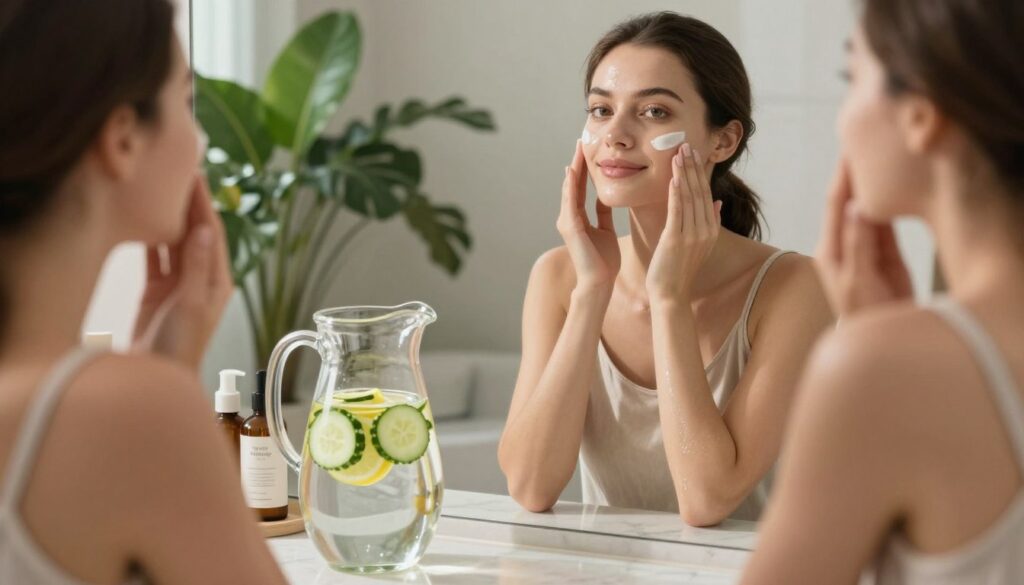
In addition to drinking water, incorporating hydrating foods into your diet can further support skin health. Foods with high water content, such as watermelon and cucumbers, can contribute to your daily hydration needs.
Other hydrating foods include celery, tomatoes, and lettuce. These foods not only provide hydration but are also rich in vitamins and minerals that support skin health. Including a variety of these foods in your diet can help to promote a healthy, glowing complexion.
By focusing on hydration and incorporating hydrating foods, you can support your skin’s health during pregnancy, addressing common skin concerns and promoting overall well-being.
Stress Management for Skin Health
Stress can significantly impact skin health, making stress management for skin health a vital aspect of skincare during pregnancy. When you’re stressed, your skin can react by breaking out or becoming more sensitive. Therefore, finding effective ways to manage stress is crucial for maintaining healthy, glowing skin.

Mindfulness Techniques for Expecting Mothers
Mindfulness techniques can be particularly beneficial for expecting mothers. These practices help in reducing stress by focusing on the present moment, thereby calming the mind and body. Simple mindfulness exercises, such as deep breathing, progressive muscle relaxation, and mindful walking, can be easily incorporated into daily routines.
By practicing mindfulness, expecting mothers can not only reduce their stress levels but also improve their overall well-being, which in turn can positively affect their skin health.
Benefits of Yoga and Meditation
Yoga and meditation are other effective stress management techniques that offer numerous benefits for expecting mothers. Yoga combines physical postures, breathing techniques, and meditation to promote relaxation and reduce stress. Meditation, on the other hand, focuses on training the mind to achieve a state of calm and inner peace.
The benefits of yoga and meditation extend beyond stress reduction to include improved physical health, enhanced emotional well-being, and a stronger connection between mother and baby. Regular practice can lead to better sleep, reduced anxiety, and an overall sense of well-being, all of which are beneficial for skin health.
Importance of Nutrition in Skin Care
A nutrient-rich diet is essential for supporting skin health throughout your pregnancy journey. The food you eat provides your skin with the necessary building blocks to stay healthy, resilient, and glowing. A well-balanced diet can help mitigate common skin issues during pregnancy, such as stretch marks, acne, and melasma.

Essential Vitamins for Skin Resilience
Vitamins play a crucial role in maintaining skin health. Vitamin C is known for its antioxidant properties, helping to protect the skin from damage caused by free radicals. Vitamin E is another essential nutrient that supports skin health by promoting healing and protecting against cell damage. Foods rich in these vitamins can significantly improve your skin’s resilience.
Including a variety of fruits and vegetables in your diet can provide these essential vitamins. Citrus fruits like oranges and grapefruits are high in Vitamin C, while nuts and seeds are rich in Vitamin E.
Foods to Promote a Glowing Complexion
In addition to vitamins, certain foods can promote a glowing complexion. Omega-3 fatty acids, found in fatty fish like salmon, support skin health by reducing inflammation. Antioxidant-rich foods like berries and leafy greens help combat oxidative stress, leading to healthier-looking skin.
Staying hydrated by drinking plenty of water and consuming hydrating foods like watermelon and cucumbers can also enhance your skin’s appearance. A balanced diet combined with proper hydration can significantly improve your skin’s health and glow during pregnancy.
Seeking Professional Advice When Necessary
Pregnancy is a unique journey for every woman, and while natural remedies and lifestyle changes can be effective in managing skin problems, there are instances where professional guidance is essential.
It’s crucial to recognize when to seek the advice of a dermatologist. If you experience persistent or severe skin issues, such as acne, melasma, or stretch marks that are not responding to natural treatments, consulting a dermatologist can provide personalized solutions.
Professional Guidance for Skin Concerns
A dermatologist can offer expert advice on safe treatments during pregnancy. They can help determine the best course of action for your specific skin concerns, ensuring that any treatments or products used are safe for both you and your baby.
Safe Options for Treating Skin Issues
Some treatments, such as certain chemical peels or laser therapy, may be adapted or avoided during pregnancy. A healthcare professional can guide you on the safest options, helping you make informed decisions about your skin care.
By combining natural remedies with professional advice when needed, you can effectively manage pregnancy skin problems and enjoy a healthier, more radiant complexion throughout your pregnancy journey.
FAQ
What are the most common skin problems during pregnancy?
The most common skin problems during pregnancy include stretch marks, acne, and melasma. These conditions are often triggered by hormonal changes and can be managed with natural remedies and lifestyle adjustments.
How can I prevent stretch marks during pregnancy?
To prevent stretch marks, keep your skin hydrated by drinking plenty of water and using natural moisturizers like coconut oil and aloe vera. Maintaining a healthy weight and eating a balanced diet can also help.
Are there any natural remedies for pregnancy acne?
Yes, there are several natural remedies for pregnancy acne. Dietary adjustments, such as increasing omega-3 fatty acids and antioxidants, can help. Certain essential oils, like tea tree oil, have acne-fighting properties and can be used in moderation.
How can I reduce the appearance of melasma?
To reduce the appearance of melasma, practice sun protection by using a broad-spectrum sunscreen with at least SPF 30 daily. Natural brighteners like turmeric can also help. Consult with a healthcare professional before using any new skincare products.
Why is hydration important for skin health during pregnancy?
Hydration is crucial for maintaining healthy skin during pregnancy. Drinking enough water helps keep the skin hydrated, improving its elasticity and overall appearance. Incorporating hydrating foods into your diet can further support skin health.
Can stress affect my skin during pregnancy?
Yes, stress can exacerbate skin conditions like acne and melasma. Practicing stress management techniques, such as mindfulness, yoga, and meditation, can help reduce stress and promote overall well-being.
What role does nutrition play in skin care during pregnancy?
Nutrition plays a vital role in skin care during pregnancy. A diet rich in essential vitamins and minerals can help support skin health, improving its resilience and appearance. Foods high in antioxidants, omega-3 fatty acids, and vitamins A, C, and E are particularly beneficial.
When should I consult a dermatologist during pregnancy?
Consult a dermatologist if you experience persistent or severe skin issues that don’t respond to natural remedies and lifestyle changes. They can provide guidance on safe treatment options available during pregnancy.
Are there any safe treatments for skin problems during pregnancy?
Yes, there are safe treatments available for skin problems during pregnancy. Consult with a dermatologist or healthcare professional to determine the best course of treatment. They can recommend products and therapies that are safe for you and your baby.