Understanding the intricacies of the menstrual cycle can be a powerful tool for women to cultivate a deeper connection with their body awareness. By embracing the natural fluctuations that occur throughout the cycle, women can unlock a new level of confidence and self-assurance.
The relationship between the menstrual cycle and beauty is complex and multifaceted. As women navigate the different phases of their cycle, they may experience changes in their physical and emotional well-being.
By exploring the intersection of menstrual cycle, body awareness, and confidence, this article aims to provide valuable insights and practical tips for women to enhance their overall well-being and self-perception.
Key Takeaways
- Understanding the menstrual cycle can enhance body awareness.
- Cultivating confidence through cycle awareness.
- The connection between menstrual cycle and beauty.
- Practical tips for embracing cycle-related changes.
- Empowering women through knowledge and self-awareness.
The Natural Rhythm of Menstrual Cycles
The menstrual cycle is a complex, highly regulated process that is essential for reproduction and overall health. It is divided into four distinct phases, each characterized by specific physiological changes that are crucial for fertility and hormonal balance.
The Four Phases Explained
The menstrual cycle is composed of two main phases: the follicular phase and the luteal phase, with menstruation being the first part of the follicular phase and ovulation marking the transition between the two main phases.
Menstruation and the Follicular Phase
Menstruation is the shedding of the uterine lining when there is no pregnancy, marking the beginning of a new cycle. The follicular phase follows, during which the body prepares for ovulation by producing follicles that release an egg. Hormonal changes during this phase are significant, with estrogen levels increasing to facilitate the growth of the uterine lining.
Ovulation and the Luteal Phase
Ovulation occurs when a mature follicle releases an egg, typically around the midpoint of the cycle. The luteal phase follows ovulation, during which the empty follicle in the ovary forms the corpus luteum, producing progesterone to prepare the uterine lining for a potential pregnancy. If pregnancy does not occur, the corpus luteum degenerates, leading to a decrease in progesterone and the onset of menstruation.
Hormonal Fluctuations and Their Purpose
Hormonal changes throughout the menstrual cycle are not random; they serve specific purposes related to fertility and overall health. Estrogen and progesterone levels fluctuate significantly, influencing not just the reproductive system but also other bodily functions. Understanding these hormonal fluctuations can help women better appreciate their body’s natural rhythms and make informed decisions about their health.
| Phase | Primary Hormone | Physiological Changes |
|---|---|---|
| Menstruation | Low Estrogen & Progesterone | Shedding of uterine lining |
| Follicular Phase | Increasing Estrogen | Growth of uterine lining, follicle development |
| Ovulation | Peak Estrogen, LH Surge | Release of an egg from the ovary |
| Luteal Phase | Increasing Progesterone | Preparation of uterine lining for implantation |
Beauty, Body Awareness, and Confidence During Menstrual Cycles
Understanding the impact of menstrual cycles on beauty and body awareness can significantly boost confidence. The menstrual cycle is a natural process that affects not just reproductive health, but also various aspects of a woman’s physical appearance and overall wellbeing.
How Hormones Affect Your Appearance
Hormonal fluctuations throughout the menstrual cycle can lead to noticeable changes in appearance. These changes are primarily driven by the varying levels of estrogen and progesterone.
Skin Changes Throughout Your Cycle
The skin can be particularly sensitive to hormonal changes. For instance, some women may experience increased oil production or dryness at different stages of their cycle. Being aware of these changes can help in adapting skincare routines to better suit the skin’s needs at any given time.
Hair and Body Water Retention
Water retention is another common issue, often leading to bloating and changes in body weight. Hormonal shifts can also affect hair texture and growth. Embracing these changes as natural can help in maintaining a positive body image.
Embracing Natural Changes
Embracing the natural fluctuations in appearance during the menstrual cycle is key to maintaining body awareness and confidence. As
“The most courageous act is still to think for yourself. Aloud.”
– Coco Chanel, this mindset can be empowering.
Rather than fighting these changes, understanding and working with them can lead to a more positive body image. Simple practices like maintaining a healthy diet, staying hydrated, and being mindful of skincare and haircare needs can make a significant difference.
By acknowledging and accepting the changes that occur during the menstrual cycle, women can foster a deeper connection with their bodies, enhancing both body awareness and confidence.
Cycle-Synced Skincare: Adapting Your Routine
Your skin’s needs change with each phase of your menstrual cycle, making a cycle-synced skincare routine essential. By understanding and adapting to these changes, you can maintain healthy, glowing skin throughout your cycle.
Week 1: Post-Period Renewal
During the first week of your cycle, your skin is typically at its most sensitive following menstruation. Gentle exfoliation and nourishing products can help renew and rejuvenate your skin. Look for products containing hyaluronic acid and vitamin C to hydrate and brighten.
Week 2: Pre-Ovulation Glow
As you approach ovulation, increased estrogen levels can give your skin a natural glow. Lightweight, oil-free moisturizers and products with retinol can enhance this effect while controlling shine.
Week 3: Post-Ovulation Maintenance
After ovulation, your skin may start to feel more balanced. Continue with gentle, effective skincare that maintains hydration and protects against environmental stressors. Products with antioxidants can be particularly beneficial during this phase.
Week 4: Pre-Menstrual Support
In the final week of your cycle, hormonal changes may lead to skin sensitivity and potential breakouts. Soothing masks and spot treatments containing tea tree oil or salicylic acid can help manage these issues and prepare your skin for the start of a new cycle.
By adapting your skincare routine to the different phases of your menstrual cycle, you can better support your skin’s changing needs and maintain a healthy, radiant complexion.
Nutrition and Exercise: Honoring Your Body’s Needs
Nutrition and exercise play crucial roles in honoring the body’s needs throughout the menstrual cycle. By making informed choices, individuals can support their hormonal balance and overall wellbeing.
Foods That Support Hormonal Balance
A diet rich in whole foods can significantly support hormonal balance. Leafy greens, fatty fish, and whole grains are among the top foods that provide essential nutrients.
Nutrients for Each Phase
Different phases of the menstrual cycle benefit from specific nutrients. For example, during the follicular phase, foods high in Vitamin C and magnesium can be particularly beneficial.
| Cycle Phase | Beneficial Nutrients | Food Sources |
|---|---|---|
| Follicular Phase | Vitamin C, Magnesium | Oranges, Spinach, Almonds |
| Ovulatory Phase | Protein, Vitamin E | Lean Meats, Nuts, Seeds |
| Luteal Phase | Complex Carbohydrates, Omega-3 | Sweet Potatoes, Salmon |
Foods to Minimize During PMS
Certain foods can exacerbate PMS symptoms. Minimizing sugary foods, caffeine, and processed foods can help alleviate discomfort.
Movement Strategies Throughout Your Cycle
Exercise needs vary throughout the menstrual cycle. Understanding whether to opt for high-energy or restorative exercise can help in maintaining a balanced routine.
High-Energy vs. Restorative Exercise
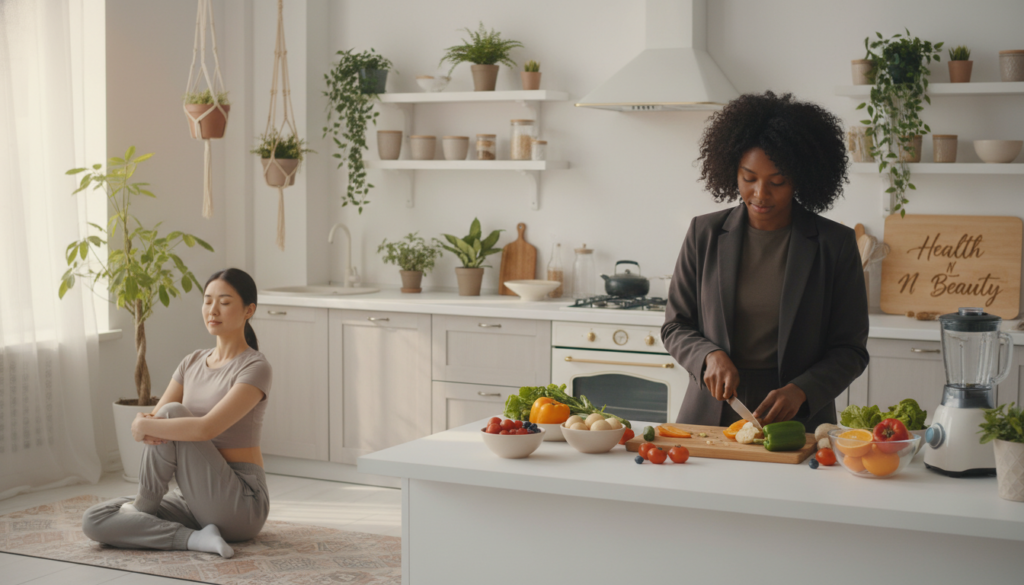
During the follicular phase, energy levels often increase, making it an ideal time for high-intensity workouts. In contrast, during the luteal phase, more restorative exercises like yoga can be beneficial.
Emotional Wellbeing Through Cycle Awareness
The connection between menstrual cycles and emotional wellbeing is profound. Understanding this link can empower individuals to better manage their emotions and cultivate a more balanced life.
Understanding Mood Patterns
Mood patterns throughout the menstrual cycle can vary significantly from one individual to another. However, many people experience a range of emotional shifts due to hormonal fluctuations.
The Hormonal Basis of Emotional Changes
The menstrual cycle is characterized by changes in estrogen and progesterone levels, which can influence neurotransmitters like serotonin and dopamine, thereby affecting mood.
For instance, some individuals may feel more energetic and confident during the follicular phase due to rising estrogen levels, while others might experience increased sensitivity or irritability pre-menstrually.
Building Emotional Resilience
Building emotional resilience involves developing practices that help manage stress and emotional fluctuations throughout the menstrual cycle.
Mindfulness Practices for Each Phase
Mindfulness practices, such as meditation and deep breathing, can be tailored to each phase of the menstrual cycle to enhance emotional wellbeing.
- During menstruation, gentle yoga can help alleviate cramps and promote relaxation.
- In the follicular phase, setting intentions and planning can capitalize on the increased energy.
- Pre-menstrually, practicing gratitude and self-compassion can help mitigate negative emotions.
By incorporating these mindfulness practices, individuals can foster a greater sense of emotional resilience and wellbeing.
Cultivating Body Confidence During Menstruation
Body confidence during menstruation is not just about physical comfort but also about emotional resilience. It’s about embracing your body’s natural rhythms and finding ways to feel confident and beautiful, even during the most challenging times.
Reframing Negative Thoughts About Your Period
One of the first steps in cultivating body confidence is to reframe negative thoughts about your period. Instead of viewing it as a source of discomfort or shame, try to see it as a natural and essential part of your life. Focus on the positive aspects, such as the opportunity to practice self-care and connect with your body.
- Practice positive affirmations to shift your mindset.
- Engage in activities that make you feel good about your body.
- Surround yourself with supportive people who encourage body positivity.
Practical Confidence Boosters
There are several practical strategies you can use to boost your body confidence during menstruation. These include making comfortable clothing choices and practicing positive self-talk.
Comfortable Clothing Choices
Wearing comfortable clothing can significantly impact how you feel about your body. Opt for soft, breathable fabrics and styles that make you feel confident and relaxed.
Self-Talk and Affirmations
The way you talk to yourself matters. Using positive affirmations can help you stay focused on your strengths and build confidence. Repeat phrases like “I am capable and strong” or “I trust my body” to yourself daily.

Comprehensive Self-Care Practices
Comprehensive self-care practices offer a holistic approach to managing menstrual health and promoting overall wellness. By integrating physical, mental, and emotional self-care rituals into your daily routine, you can better navigate the challenges of your menstrual cycle.
Physical Self-Care Rituals
Physical self-care is crucial during menstruation. It involves practices that help manage pain, support bodily needs, and enhance overall physical comfort.
Pain Management Techniques
Effective pain management is a cornerstone of physical self-care during menstruation. Techniques such as heat therapy, gentle exercise, and relaxation techniques can significantly reduce discomfort. For some, over-the-counter pain relievers may also be necessary.
Rest and Recovery Strategies
Adequate rest and recovery are vital for allowing your body to heal and recharge. This can involve prioritizing sleep, engaging in gentle stretching, and ensuring you have time to relax and unwind.
Mental and Emotional Self-Care
Mental and emotional self-care are equally important for overall wellbeing during your menstrual cycle. These practices help in managing stress, emotional fluctuations, and maintaining a positive mental state.
Setting Boundaries
Setting boundaries is a powerful act of self-care. It involves communicating your needs to others, prioritizing your own wellbeing, and being mindful of your limits. This can help reduce stress and emotional overwhelm.
Self-Compassion Practices
Cultivating self-compassion is essential for emotional wellbeing. Practices such as mindfulness, journaling, and positive affirmations can help foster a more compassionate and supportive relationship with yourself.
By incorporating these comprehensive self-care practices into your life, you can enhance your resilience, improve your overall wellbeing, and navigate your menstrual cycle with greater ease and confidence.
Modern Period Products and Solutions
The period product industry has seen significant innovation in recent years, offering women a variety of choices to manage their menstrual health effectively. This evolution is not just about convenience but also about sustainability and comfort.
Sustainable and Comfortable Options
As consumers become more environmentally conscious, the demand for sustainable period products has increased. Two notable options are menstrual cups/discs and period underwear/reusable pads.
Menstrual Cups and Discs
Menstrual cups and discs are made from medical-grade silicone and are designed to be worn internally. They offer a cost-effective and eco-friendly alternative to traditional disposable products. Brands like DivaCup and Saalt are popular choices.
Period Underwear and Reusable Pads
Period underwear and reusable pads are designed for comfort and sustainability. They come in various styles and absorbency levels, catering to different needs. Brands such Thinx and Hey Girls offer fashionable and functional options.
Choosing Products for Your Lifestyle
When selecting period products, it’s essential to consider your lifestyle, preferences, and needs. Factors such as activity level, flow, and personal comfort should guide your choice.
For instance, if you’re highly active, you might prefer products that offer high absorbency and comfort during movement, such as menstrual cups or period underwear designed for sports.
Tracking and Understanding Your Unique Cycle
Tracking your unique menstrual cycle can reveal valuable insights into your body’s natural rhythms. By understanding the fluctuations and patterns within your cycle, you can better appreciate the intricate balance of your reproductive health.
Digital Tracking Tools
Digital tools have made cycle tracking more accessible and accurate. Apps like Clue, Flo, and Period Tracker allow you to log symptoms, temperatures, and flow, providing a comprehensive view of your cycle. These tools use algorithms to predict future cycles and identify patterns, making it easier to understand your body’s needs.
Body Literacy and Symptom Awareness
Developing body literacy involves being aware of the physical and emotional symptoms associated with your cycle. By recognizing these symptoms, you can better understand how your body responds to different phases of your cycle. This awareness enables you to make informed decisions about your health and wellbeing.
Using Cycle Data for Better Health
The data collected from cycle tracking can be used to improve your overall health. By identifying patterns and irregularities, you can work with healthcare providers to address potential issues. Moreover, understanding your cycle can help you optimize your lifestyle choices, from nutrition to exercise, to align with your body’s needs.
By embracing cycle tracking and body literacy, you can take a proactive approach to your health, fostering a deeper connection with your body and enhancing your overall wellbeing.
Conclusion: Embracing Your Cyclical Nature
Understanding and embracing your menstrual cycle is a powerful step towards cultivating confidence and body awareness. By recognizing the different phases of your cycle and how they affect your body, you can make informed decisions about your skincare, nutrition, exercise, and emotional wellbeing.
Embracing your cyclical nature allows you to tune into your body’s natural rhythms, fostering a deeper connection with yourself. This awareness can help you navigate the physical and emotional changes that occur throughout your cycle, enabling you to take control of your health and wellbeing.
As you continue on your journey to embracing your cyclical nature, remember that confidence is not something you either have or you don’t – it’s something you can cultivate. By being more attuned to your body and its needs, you can build confidence in your ability to care for yourself and make informed decisions about your health.
FAQ
What are the four phases of the menstrual cycle?
The four phases of the menstrual cycle are menstruation, the follicular phase, ovulation, and the luteal phase.
How do hormonal fluctuations affect the body during the menstrual cycle?
Hormonal fluctuations during the menstrual cycle can cause changes in skin, hair, and body water retention, among other effects.
What is cycle-synced skincare, and how can it benefit my skin?
Cycle-synced skincare involves adapting your skincare routine to the different phases of your menstrual cycle. This can help address specific skin concerns, such as acne or dryness, and promote overall skin health.
How can nutrition and exercise support hormonal balance during the menstrual cycle?
Eating nutrient-dense foods and engaging in regular exercise can help support hormonal balance. Certain foods and nutrients are particularly beneficial during specific phases of the cycle.
What are some ways to track and understand my unique menstrual cycle?
Digital tracking tools, such as period apps, can help you monitor your cycle and identify patterns. Developing body literacy and symptom awareness can also provide valuable insights into your cycle.
How can I cultivate body confidence during menstruation?
Practicing self-care, reframing negative thoughts, and choosing comfortable clothing can help boost body confidence during menstruation.
What are some sustainable and comfortable period product options?
Menstrual cups, discs, period underwear, and reusable pads are all eco-friendly alternatives to traditional disposable products.
How can mindfulness practices support emotional wellbeing during the menstrual cycle?
Mindfulness practices, such as meditation and deep breathing, can help manage stress and promote emotional resilience during the menstrual cycle.