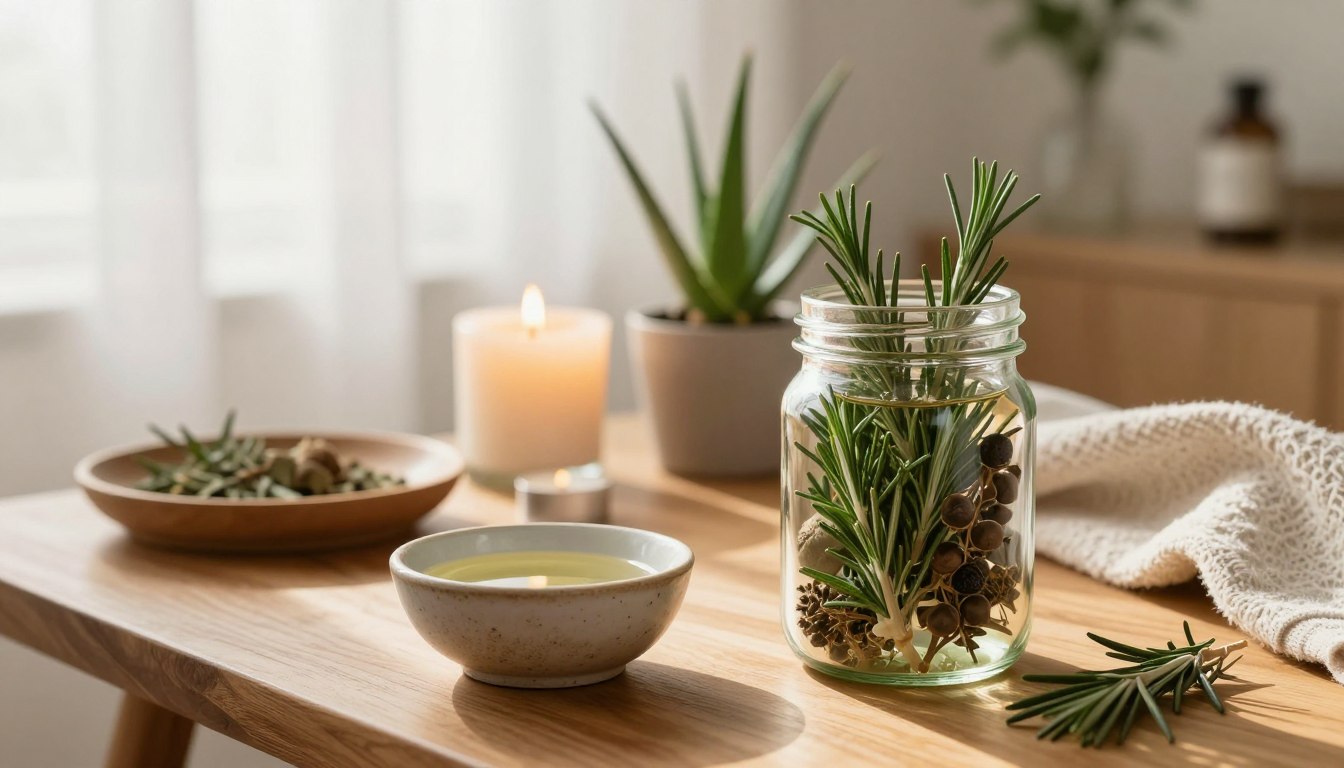
Excessive hair loss can be a distressing experience, affecting one’s self-esteem and overall well-being. Fortunately, there are numerous natural remedies that can help mitigate this issue.
Various home treatments have been proven effective in reducing hair fall. These remedies focus on nourishing the scalp, strengthening hair follicles, and promoting healthy hair growth.
By incorporating these simple and effective treatments into your daily routine, you can take the first step towards achieving healthier, fuller hair.
Key Takeaways
- Natural remedies can help reduce hair fall.
- Home treatments focus on nourishing the scalp and promoting healthy hair growth.
- Simple changes to your daily routine can lead to healthier, fuller hair.
- Strengthening hair follicles is crucial for reducing hair loss.
- Effective home treatments can be incorporated into your daily life.
Understanding the Causes of Hair Fall
The reasons behind hair fall are multifaceted, involving a combination of genetic, environmental, and lifestyle factors. Hair loss can be a distressing experience, and understanding its underlying causes is crucial for addressing the issue effectively.
Common Triggers for Excessive Hair Shedding
Excessive hair shedding can be triggered by various factors, including stress, nutritional deficiencies, and certain hair care practices. Stress is a significant contributor, as it can cause the body to enter a state of telogen effluvium, leading to increased hair fall. Nutritional deficiencies, particularly in iron, zinc, and biotin, can also weaken hair follicles, making them more prone to shedding.
| Trigger | Description | Impact on Hair |
|---|---|---|
| Stress | Causes telogen effluvium | Increased hair fall |
| Nutritional Deficiencies | Weakens hair follicles | Excessive shedding |
| Hair Care Practices | Damage from excessive heat or chemical treatments | Breakage and hair loss |
How to Identify Your Specific Hair Fall Issues
Identifying the specific causes of your hair fall involves a combination of self-assessment and, if necessary, professional consultation. Start by examining your hair care routine and lifestyle. Consider factors such as your diet, stress levels, and the products you use on your hair. If you’re experiencing persistent or severe hair loss, consulting a dermatologist can provide insights into underlying conditions that may be contributing to your hair fall.
The Science Behind Healthy Hair Growth
Understanding the science behind healthy hair growth is crucial for addressing hair fall issues. Hair growth is a complex process influenced by a multitude of factors including genetics, hormones, and environmental conditions.
The hair growth cycle is a critical aspect of healthy hair growth. It consists of three phases: anagen, catagen, and telogen. The anagen phase is the active growth phase, during which the hair grows rapidly. The catagen phase is a short transitional phase that lasts about two weeks, followed by the telogen phase, also known as the resting phase, which lasts about three months.
Hair Growth Cycle Explained
The hair growth cycle is a dynamic process. The anagen phase can last anywhere from two to six years or more, depending on individual factors. Understanding the hair growth cycle is essential for identifying potential issues that may lead to hair fall.
Factors That Promote Strong Hair Follicles
Several factors contribute to strong hair follicles, including a balanced diet rich in vitamins and minerals, proper hair care, and a healthy scalp. Key nutrients such as biotin, vitamin D, and iron play a significant role in promoting hair health.
- A balanced diet
- Proper hair care
- A healthy scalp
By understanding and addressing these factors, individuals can take proactive steps towards promoting healthy hair growth and reducing hair fall.
Essential Nutrients That Prevent Hair Loss
Essential nutrients, including vitamins and minerals, are fundamental in preventing hair loss and promoting hair growth. A diet lacking these nutrients can lead to hair fall and other hair-related issues.
Vitamins Critical for Hair Health
Vitamins play a crucial role in maintaining healthy hair. They help in nourishing the hair follicles, promoting hair growth, and preventing hair loss.
Vitamin B Complex and Biotin
Vitamin B Complex, particularly Biotin, is known for its role in hair growth. Biotin deficiency can lead to hair loss, making it essential to include biotin-rich foods in your diet.
Vitamins A, C, D, and E
Vitamins A, C, D, and E are also vital for hair health. Vitamin C helps in the production of collagen, while Vitamin E promotes hair growth by reducing oxidative stress.
Minerals That Strengthen Hair Roots
Minerals are equally important for hair health, contributing to the strength and resilience of hair.
Iron and Zinc Benefits
Iron and Zinc are crucial minerals for hair health. Iron deficiency is a known cause of hair loss, while zinc supports hair growth and maintenance.
Selenium and Magnesium
Selenium helps in maintaining the health of the scalp, while Magnesium contributes to the overall health of hair follicles.
A balanced diet that includes these vitamins and minerals can significantly reduce the risk of hair loss and promote healthy hair growth.
- Include a variety of nutrient-rich foods in your diet.
- Consult a healthcare professional before taking any supplements.
Effective Hair Fall Control at Home Methods
You can effectively control hair fall at home by incorporating a few easy practices into your daily life. By making some simple changes to your hair care routine and lifestyle, you can significantly reduce hair shedding.
Daily Hair Care Routines That Reduce Shedding
Maintaining a healthy hair care routine is crucial for reducing hair fall. This includes proper washing techniques and gentle detangling practices.
Proper Washing Techniques
Washing your hair with a mild shampoo and lukewarm water can help minimize hair fall. Avoid using hot water, as it can strip your hair of its natural oils.
Gentle Detangling Practices
Use a wide-tooth comb or a detangling brush to gently detangle your hair, starting from the ends and working your way up. This reduces breakage and tangles.
Simple Lifestyle Changes for Healthier Hair
Making a few simple lifestyle changes can promote healthier hair and reduce shedding. This includes prioritizing sleep and hydration, as well as avoiding damaging hair practices.
Sleep and Hydration Importance
Getting enough sleep and staying hydrated are essential for hair health. Adequate sleep helps regulate hormones, while hydration keeps your hair follicles healthy.
Avoiding Damaging Hair Practices
Avoid using heat styling tools frequently and reduce your use of chemical treatments. These practices can damage your hair and lead to excessive shedding.
| Hair Care Practice | Benefit |
|---|---|
| Proper Washing Techniques | Reduces hair fall by maintaining natural oils |
| Gentle Detangling | Minimizes breakage and tangles |
| Adequate Sleep and Hydration | Promotes hair health through hormonal regulation and follicle nourishment |
Natural Oil Treatments for Reducing Hair Fall
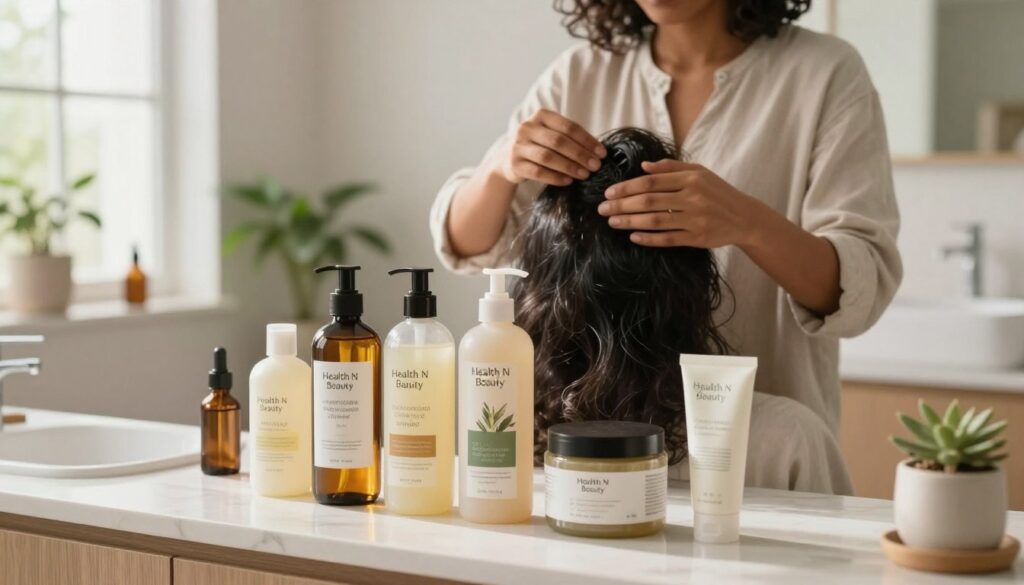
Natural oil treatments have gained popularity for their effectiveness in reducing hair fall. These treatments nourish the scalp and strengthen hair follicles, promoting healthier hair growth.
Coconut Oil Massage Techniques
Coconut oil is rich in nutrients and antioxidants that benefit hair health. Massaging coconut oil into your scalp can be done by warming the oil and gently rubbing it into your scalp using circular motions. Leave it on for at least an hour before washing your hair.
Castor Oil Applications for Hair Strengthening
Castor oil is known for its anti-inflammatory properties, which can help soothe an irritated scalp and promote hair growth. To use castor oil, mix it with a carrier oil like coconut or olive oil and apply it to your scalp. Massage it in and leave it on overnight for maximum benefits.
Other Beneficial Oils for Hair Health
Besides coconut and castor oil, other oils can benefit hair health. Olive oil and argan oil are known for their moisturizing properties.
Olive Oil and Argan Oil Benefits
Olive oil nourishes the hair with its rich content of antioxidants, while argan oil hydrates the hair, making it softer and more manageable.
Essential Oils for Scalp Stimulation
Essential oils like rosemary and peppermint can stimulate the scalp, promoting hair growth. They should be used with a carrier oil to avoid irritation.
By incorporating these natural oil treatments into your hair care routine, you can significantly reduce hair fall and promote healthier, stronger hair.
Herbal Remedies That Combat Hair Loss
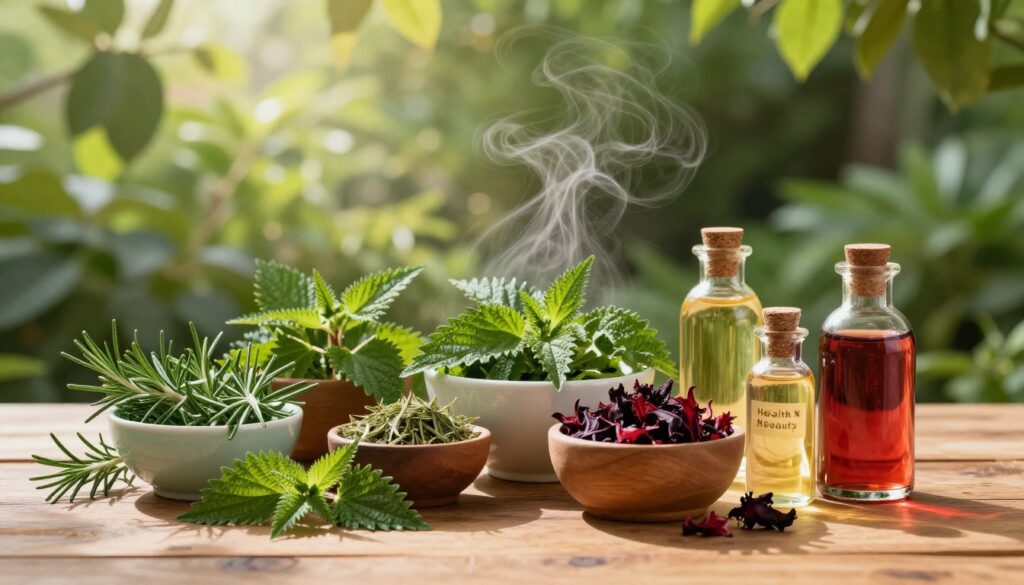
Herbal remedies have been used for centuries to combat hair loss, offering a natural solution for those struggling with hair fall. These remedies leverage the power of plants to promote hair health and reduce shedding.
Aloe Vera Treatments for Scalp Health
Aloe vera is renowned for its soothing properties and is beneficial for scalp health. It can be applied directly to the scalp to reduce irritation and promote a healthy environment for hair growth. Aloe vera’s anti-inflammatory properties help in calming the scalp, thereby reducing hair fall.
Fenugreek-Based Hair Masks
Fenugreek seeds are rich in proteins and nutrients that are beneficial for hair health. Creating a hair mask with fenugreek involves soaking the seeds overnight, grinding them into a paste, and applying it to the hair. This treatment can strengthen hair follicles and improve hair texture.
Amla and Other Traditional Herbs for Hair
Amla, or Indian gooseberry, is a traditional herb used in Ayurvedic medicine to promote hair health. It is rich in vitamin C and antioxidants, which help in nourishing the hair and scalp. Other herbs like bhringraj and hibiscus are also known for their hair benefits.
Bhringraj and Hibiscus Applications
Bhringraj is known to promote hair growth and reduce graying, while hibiscus helps in strengthening hair roots. Using these herbs in hair masks or as a final rinse after shampooing can enhance their benefits.
Neem for Scalp Conditions
Neem is a powerful herb known for its antifungal and antibacterial properties, making it effective in treating scalp conditions that may lead to hair loss. Using neem oil or neem leaves in a hair treatment can help in maintaining a healthy scalp.
| Herb | Benefits | Usage |
|---|---|---|
| Aloe Vera | Soothes scalp, reduces irritation | Apply gel directly to scalp |
| Fenugreek | Strengthens hair follicles | Use as a hair mask |
| Amla | Nourishes hair and scalp | Use in hair oil or mask |
| Bhringraj | Promotes hair growth | Use in hair oil or mask |
| Hibiscus | Strengthens hair roots | Use as a final rinse |
| Neem | Treats scalp conditions | Use neem oil or leaves |
DIY Hair Masks Using Kitchen Ingredients
Discover the power of kitchen ingredients in creating effective DIY hair masks for healthier hair. Kitchen staples can be transformed into nourishing treatments that promote hair health and reduce hair fall.
Egg and Yogurt Protein Treatments
Eggs and yogurt are excellent sources of protein that can help strengthen hair follicles. The protein in these ingredients can repair damaged hair, reducing breakage and promoting healthier growth.
Egg White Mask for Oily Hair
For those with oily hair, an egg white mask can help control oil production. Simply whip up egg whites until frothy, apply to the hair, and rinse after 15 minutes.
Whole Egg and Yogurt Mask for Dry Hair
Dry hair benefits from the moisturizing properties of a whole egg and yogurt mask. Mix a whole egg with plain yogurt, apply to the hair, and leave on for 20-25 minutes before rinsing.
Honey and Banana Moisturizing Masks
Honey and banana are natural moisturizers that can hydrate dry, damaged hair. These ingredients work together to lock in moisture and promote a healthy scalp.
Avocado Addition for Extra Nourishment
Adding avocado to your honey and banana mask can provide extra nourishment. Avocado’s healthy fats deeply condition the hair, leaving it soft and manageable.
Apple Cider Vinegar Rinses
Following your hair mask, an apple cider vinegar rinse can help balance your scalp’s pH. Mix equal parts water and apple cider vinegar as a final rinse to add shine and reduce frizz.
| Ingredient | Benefit | Hair Type |
|---|---|---|
| Egg Whites | Protein, Oil Control | Oily |
| Whole Egg & Yogurt | Moisture, Protein | Dry |
| Honey & Banana | Moisture, Hydration | Dry, Damaged |
| Avocado | Nourishment, Conditioning | All |
| Apple Cider Vinegar | pH Balance, Shine | All |
“The right hair mask can transform your hair care routine, providing nourishment and protection that leaves your hair healthy and vibrant.”
Scalp Massage Techniques to Stimulate Hair Growth
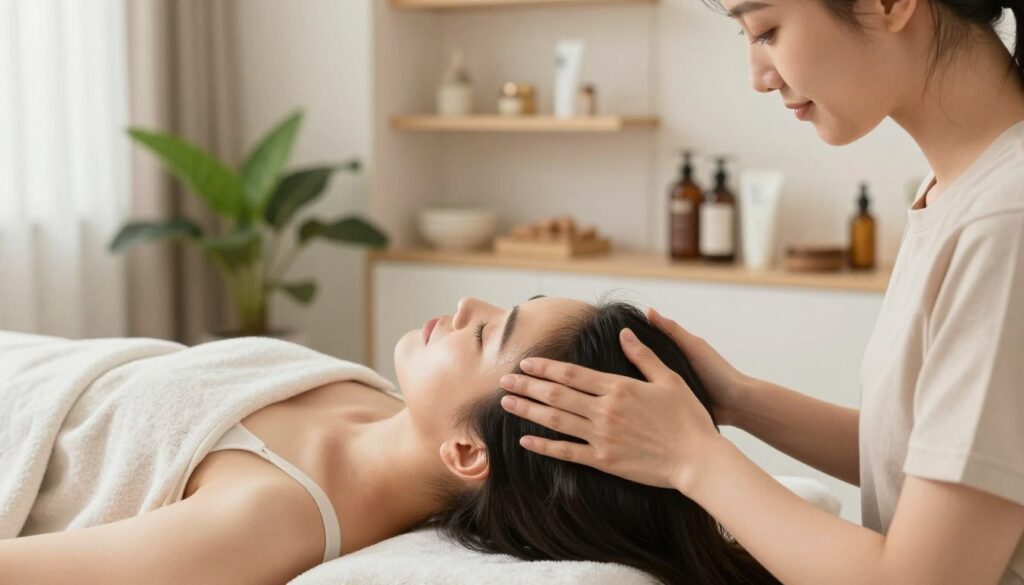
Massaging your scalp can increase blood flow, which is crucial for healthy hair growth. This simple technique can be done at home and is a great addition to your hair care routine. By stimulating the scalp, you can strengthen your hair follicles and promote thicker, healthier hair.
Proper Massage Methods for Maximum Benefits
To get the most out of scalp massage, it’s essential to use the right techniques. Proper massage can help increase blood circulation and reduce tension in the scalp.
Fingertip Pressure Techniques
Using your fingertips, apply gentle pressure in a circular motion across your scalp. This helps to stimulate blood flow and can be done for several minutes each day.
Circulation-Boosting Movements
In addition to circular motions, using your fingertips to make small kneading movements can further boost circulation. This can help to nourish your hair follicles and promote healthy growth.
Tools and Accessories for Effective Scalp Stimulation
While manual massage is effective, using the right tools can enhance your scalp stimulation routine. Various accessories are available to help improve circulation and promote hair growth.
Scalp Massagers and Brushes
Scalp massagers and brushes are designed to stimulate the scalp gently. These tools can be used daily to improve circulation and reduce stress.
DIY Scalp Exfoliation Methods
Exfoliating your scalp can be done using simple kitchen ingredients. Mixing sugar or salt with a carrier oil can create an effective scrub that removes dead skin cells and promotes a healthy scalp environment.
Dietary Changes That Reduce Hair Shedding
Making dietary changes can significantly impact hair health and reduce shedding. A diet rich in essential nutrients can promote hair growth, strengthen hair follicles, and minimize hair loss.
Foods That Promote Hair Health
Including the right foods in your diet can make a significant difference in hair health. Certain nutrients are particularly beneficial for hair growth.
Protein-Rich Options for Hair Growth
Protein is crucial for hair health as hair is made of protein. Foods like eggs, salmon, and Greek yogurt are excellent sources of protein that support hair growth.
Omega-3 Sources for Scalp Health
Omega-3 fatty acids help nourish the scalp and promote healthy hair growth. Include omega-3 rich foods like walnuts, chia seeds, and flaxseeds in your diet.
Meal Plans for Stronger, Thicker Hair
Creating a meal plan that includes hair-healthy foods can support stronger, thicker hair. A balanced diet that incorporates a variety of nutrients is key.
Sample Daily Menu for Hair Health
A sample daily menu might include oatmeal with nuts and fruits for breakfast, a salad with grilled chicken and avocado for lunch, and grilled salmon with quinoa and vegetables for dinner.
Supplements Worth Considering
In addition to a balanced diet, certain supplements like biotin, vitamin B, and fish oil can support hair health. However, it’s essential to consult with a healthcare professional before adding any supplements.
Stress Management for Preventing Hair Loss
Stress management plays a vital role in maintaining healthy hair and preventing excessive shedding. High levels of stress can lead to hair loss due to the body’s reaction to stress, which can disrupt the normal hair growth cycle.
Mind-Body Practices That Benefit Hair Health
Mind-body practices are effective in reducing stress and promoting hair health. Techniques such as meditation and yoga can help alleviate stress.
Meditation and Breathing Exercises
Meditation and deep breathing exercises can calm the mind and reduce stress levels. Regular practice can lead to a decrease in hair loss caused by stress.
Yoga Poses That Improve Circulation
Certain yoga poses can improve blood circulation to the scalp, promoting healthy hair growth. Poses like downward-facing dog and headstands are particularly beneficial.
Creating Hair-Friendly Daily Routines
Establishing daily routines that minimize stress and promote relaxation can significantly benefit hair health. Simple changes can make a big difference.
Sleep Optimization Strategies
Getting adequate sleep is crucial for overall health, including hair health. Strategies like maintaining a consistent sleep schedule and creating a restful sleep environment can help.
Digital Detox Benefits
Reducing screen time and taking regular breaks from digital devices can help lower stress levels. Engaging in activities that bring joy and relaxation can also support hair health.

When to Combine Home Remedies with Medical Treatments
While home remedies can be effective in reducing hair fall, there are instances where combining them with medical treatments yields better results. Hair fall can be caused by a variety of factors, including genetics, hormonal imbalances, and environmental factors. In some cases, home remedies may not be enough to address the underlying cause of hair loss.
Signs That Indicate You Need Professional Help
If you’re experiencing excessive hair shedding, it’s essential to identify the signs that indicate the need for professional help. Significant hair loss that persists despite trying various home remedies may be a sign that you need to consult a dermatologist. Other indicators include sudden hair loss, hair loss accompanied by other symptoms like itching or redness, and a family history of baldness.
Complementary Approaches to Hair Fall Treatment
Complementary approaches involve integrating home remedies with medical treatments under the guidance of a healthcare professional. This can include using medicated shampoos alongside natural oil treatments or taking prescribed medications while continuing with dietary changes that promote hair health.
Working with Dermatologists
Dermatologists can provide personalized advice and treatment plans tailored to your specific hair fall issues. They can help diagnose the underlying cause of your hair loss and recommend appropriate treatments, which may include medications like minoxidil or finasteride.
Integrating Clinical and Natural Solutions
Integrating clinical treatments with natural solutions can offer a holistic approach to managing hair fall. For instance, using low-level laser therapy (LLLT) in conjunction with scalp massage techniques can stimulate hair growth. It’s crucial to discuss your home remedies with your dermatologist to ensure they complement your medical treatment.
Maintaining Long-Term Hair Health: Your Action Plan
Maintaining long-term hair health requires a consistent and proactive approach to hair care. By incorporating the home treatments, dietary changes, and stress management techniques discussed in this article, you can significantly reduce hair fall and promote healthy hair growth.
To start your hair care action plan, begin by assessing your current hair care routine and identifying areas for improvement. Consider incorporating natural oil treatments, such as coconut oil or castor oil, into your routine to nourish and strengthen your hair.
Additionally, focus on maintaining a balanced diet rich in essential nutrients, including vitamins and minerals critical for hair health. By combining these approaches, you can create a comprehensive hair care plan that supports long-term hair health and reduces the risk of excessive hair shedding.
By taking a proactive and informed approach to hair care, you can achieve healthier, stronger hair and maintain long-term hair health. Develop a personalized hair care action plan that works for you and stick to it to enjoy the benefits of a full, healthy head of hair.
FAQ
What are the most effective home treatments for reducing hair fall?
Effective home treatments include coconut oil massage, castor oil applications, aloe vera treatments, and fenugreek-based hair masks, among others.
How do nutritional deficiencies affect hair health?
Nutritional deficiencies, particularly in vitamins and minerals like iron, zinc, and biotin, can lead to hair loss and thinning.
Can stress cause hair loss, and if so, how can it be managed?
Yes, stress can cause hair loss. Stress management techniques like meditation, yoga, and deep breathing exercises can help mitigate this effect.
What role do scalp massages play in promoting hair growth?
Scalp massages can stimulate blood flow to the scalp, promoting healthy hair growth and reducing shedding.
Are there any dietary changes that can help reduce hair shedding?
Yes, incorporating foods rich in omega-3 fatty acids, protein, and vitamins, and maintaining a balanced diet can help promote hair health.
How can I identify the underlying cause of my hair fall?
Understanding the common triggers for excessive hair shedding, such as genetics, hormonal imbalances, and nutritional deficiencies, can help you identify the underlying cause.
Can certain hair care practices contribute to hair loss?
Yes, practices like excessive heat styling, harsh chemical treatments, and rough handling can damage hair and lead to loss.
What are some natural oils that can help reduce hair fall?
Coconut oil, castor oil, olive oil, and argan oil are some of the natural oils that can help nourish and strengthen hair, reducing fall.
When should I consider seeking professional help for hair loss?
If you experience sudden or excessive hair loss, it’s advisable to consult a dermatologist to rule out underlying medical conditions.
Can combining home remedies with medical treatments enhance hair fall treatment?
Yes, integrating home remedies with medical treatments, under the guidance of a healthcare professional, can be an effective approach to addressing hair loss.