Are you tired of using numerous anti-aging products without seeing the desired results? The secret to youthful and healthy-looking skin health might not lie in the latest serum or cream, but in understanding the concept of Skin Barrier Resilience.
The traditional approach to anti-aging focuses on reducing wrinkles and fine lines. However, a new paradigm is emerging: Skin Barrier 2.0. This innovative approach prioritizes building a healthy skin barrier to achieve resilient skin that can withstand environmental stressors and maintain its natural glow.
By focusing on Skin Barrier Resilience, individuals can take a proactive approach to maintaining healthy, youthful-looking skin. This shift in perspective is revolutionizing the way we think about anti-aging skincare.
Key Takeaways
- A healthy skin barrier is crucial for achieving youthful and healthy-looking skin.
- The concept of Skin Barrier 2.0 is redefining the anti-aging skincare landscape.
- Focusing on resilience is becoming the new focus in anti-aging skincare.
- A strong skin barrier can withstand environmental stressors and maintain its natural glow.
- Understanding Skin Barrier Resilience is key to effective anti-aging.
The Foundation of Healthy Skin: Understanding Your Skin Barrier
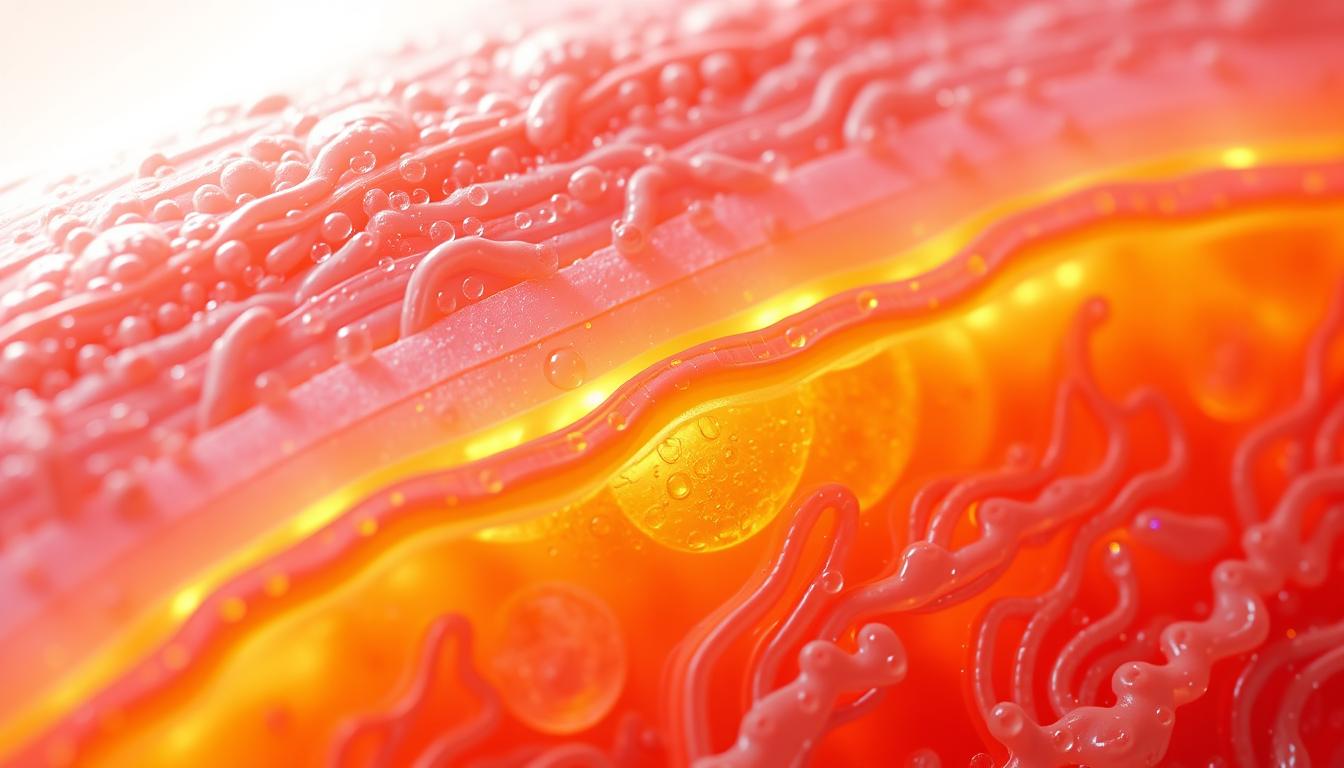
Understanding your skin barrier is crucial for maintaining healthy, resilient skin. The skin barrier, also known as the stratum corneum, is the outermost layer of the epidermis.
What Exactly Is Your Skin Barrier?
Your skin barrier is a complex structure composed of dead skin cells and lipids, including ceramides, fatty acids, and cholesterol. This combination creates a protective layer that prevents water loss and shields the skin from external aggressors.
The Critical Functions of a Healthy Skin Barrier
A healthy skin barrier performs several critical functions essential for overall skin health.
Protection Against Environmental Aggressors
The skin barrier protects against environmental stressors such as pollution, UV radiation, and extreme weather conditions. Effective barrier protection is crucial for preventing damage that can lead to premature aging.
The skin barrier also plays a vital role in maintaining skin moisture barrier function. It ensures that the skin retains adequate hydration while preventing excessive water loss, thus maintaining a healthy hydration balance.
By understanding and supporting your skin barrier, you can improve your skin’s overall health and resilience.
The Evolution of Skincare: From Anti-Aging to Barrier Health
In recent years, the skincare landscape has seen a paradigm shift, moving towards a more holistic approach that prioritizes skin barrier resilience. This change reflects a growing understanding that healthy, youthful-looking skin is not just about addressing aging but about maintaining the skin’s natural barrier function.
Traditional Anti-Aging Approaches: What We Got Wrong
Traditional anti-aging skincare often focused on superficial treatments, such as wrinkle creams and serums, without addressing the underlying health of the skin. These approaches frequently relied on harsh ingredients that could potentially damage the skin barrier, leading to a cycle of dependency on products to “fix” the problems caused by previous products.
The Paradigm Shift: Why Resilience Matters More Than “Anti-Aging”
The shift towards focusing on skin barrier health represents a more sustainable and effective approach to skincare. By strengthening the skin barrier, individuals can improve their skin’s natural ability to protect against environmental stressors, retain moisture, and maintain its overall health.
Long-term Benefits vs. Quick Fixes
Unlike traditional anti-aging products that offer temporary solutions, building skin barrier resilience provides long-term benefits. A healthy skin barrier is more resistant to damage, reducing the need for constant product intervention.
| Aspect | Traditional Anti-Aging | Barrier Health Focus |
|---|---|---|
| Approach | Superficial treatments | Holistic skin health |
| Key Ingredients | Harsh actives | Nourishing, barrier-supporting ingredients |
| Long-term Effect | Potential for dependency and damage | Sustainable skin health improvement |
By focusing on skin barrier health, individuals can achieve more resilient, healthy-looking skin that ages more gracefully. This approach not only enhances the appearance of the skin but also improves its overall function and resilience.
The Science Behind Skin Barrier Resilience
Delving into the science of skin barrier resilience reveals the intricate mechanisms that keep our skin healthy and strong. The skin barrier’s ability to withstand environmental stressors and maintain its integrity is crucial for overall skin health.
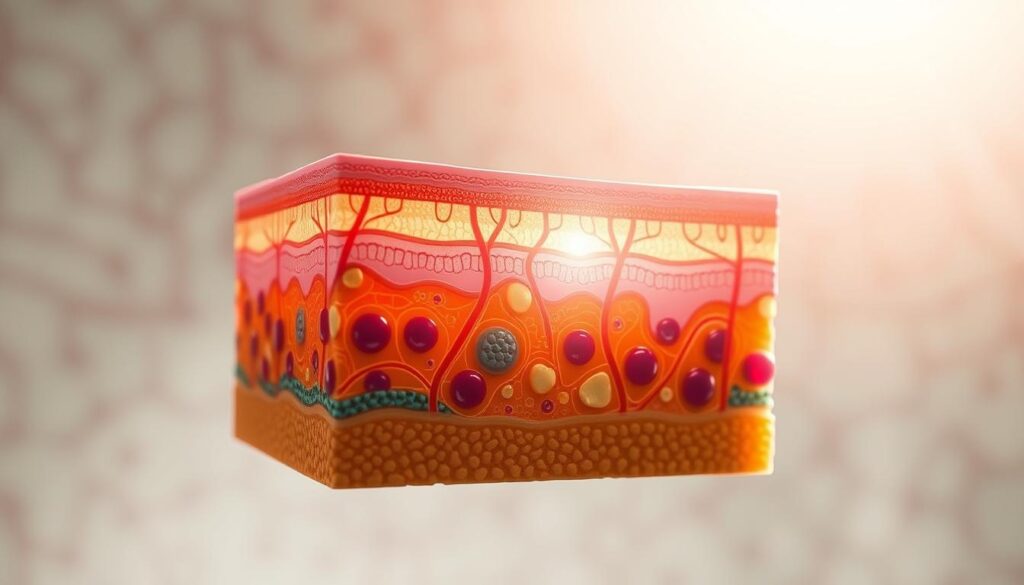
The Lipid Matrix: Ceramides, Fatty Acids, and Cholesterol
The lipid matrix is a critical component of the skin barrier, comprising ceramides, fatty acids, and cholesterol. These lipids work together to form a robust barrier that prevents water loss and protects against external aggressors. Research has shown that an imbalance in the lipid matrix can lead to compromised skin barrier function.
Microbiome Balance and Barrier Function
The skin microbiome plays a vital role in maintaining the health and resilience of the skin barrier. A balanced microbiome helps to regulate the skin’s pH, supports the lipid matrix, and enhances the skin’s natural defense mechanisms. Dysbiosis, or an imbalance in the microbiome, can lead to skin barrier dysfunction and increased susceptibility to environmental stressors.
The pH Factor: Maintaining Your Acid Mantle
The skin’s acid mantle is crucial for maintaining the integrity of the skin barrier. A pH level that is too high can disrupt the lipid matrix and compromise barrier function. Using products that are formulated to maintain the skin’s natural pH can help to support the acid mantle and promote skin barrier resilience.
Research Findings on Barrier Resilience and Aging
Studies have shown that skin barrier resilience decreases with age, making older skin more susceptible to damage and less able to recover from environmental stressors. Research has also highlighted the importance of maintaining a healthy lipid matrix and balanced microbiome in supporting skin barrier resilience across all age groups.
By understanding the science behind skin barrier resilience, we can better appreciate the importance of maintaining a healthy skin barrier and take steps to support its function through our skincare routines and lifestyle choices.
Signs Your Skin Barrier Is Compromised
The health of your skin barrier is crucial, and there are several signs that indicate when it’s compromised. A damaged skin barrier can lead to a range of issues, from aesthetic concerns to more serious health problems.
Visual and Sensory Indicators of Barrier Damage
When your skin barrier is compromised, you may notice several visual and sensory changes. These can include:
- Increased dryness or flakiness
- Redness and irritation
- Sensitivity to products that were previously well-tolerated
- A dull, uneven skin tone
- Itchiness or a burning sensation
It’s essential to recognize these signs early to take corrective action and prevent further damage. If you’re experiencing several of these symptoms, it may be a sign that your skin barrier needs extra care.
The Connection Between Barrier Damage and Premature Aging
A compromised skin barrier not only causes immediate discomfort but can also lead to long-term effects, including premature aging. When your barrier is damaged, your skin becomes more vulnerable to environmental stressors.
How Inflammation Accelerates Aging Processes
Inflammation plays a significant role in the aging process. When your skin barrier is compromised, it can lead to chronic inflammation, which accelerates the breakdown of collagen and elastin, essential proteins that keep your skin looking youthful and resilient.
By understanding the signs of a compromised skin barrier and taking steps to repair and protect it, you can help maintain healthy, resilient skin that ages more gracefully.
Common Culprits: What’s Damaging Your Skin Barrier
Identifying the factors that damage our skin barrier is the first step towards protecting it. Our skin is constantly exposed to various internal and external stressors that can compromise its integrity.
Environmental Aggressors: Pollution, UV, and Climate
Environmental factors play a significant role in damaging our skin barrier. Air pollution can lead to the formation of free radicals, which in turn damage skin cells. UV radiation not only causes photoaging but also weakens the skin’s natural barrier function. Extreme climates, whether hot or cold, can strip the skin of its natural moisture, further compromising the barrier.
Skincare Mistakes: Over-Exfoliation and Harsh Products
Many common skincare practices can inadvertently damage the skin barrier. Over-exfoliation can strip away the skin’s natural lipids, leading to increased permeability and sensitivity. Using harsh products that contain sulfates or other irritating ingredients can disrupt the skin’s pH balance and compromise its barrier function.
Lifestyle Factors: Stress, Diet, and Sleep
Lifestyle factors also significantly impact the health of our skin barrier. Chronic stress can lead to inflammation, which in turn can damage the skin barrier. A diet high in processed foods and sugar can lead to inflammation and oxidative stress, further compromising the skin. Additionally, inadequate sleep can impair the skin’s natural repair mechanisms, making it more susceptible to damage.
By understanding these common culprits, we can take the first steps towards strengthening our skin barrier and maintaining healthy, resilient skin.
Building Skin Barrier Resilience: Key Strategies
To protect your skin from environmental stressors and maintain its health, focus on building skin barrier resilience. A robust skin barrier is not just about using the right products; it’s about adopting a comprehensive skincare approach that incorporates simplicity, effective hydration, and targeted ingredients.
Minimalist Skincare: Less Is Often More
Embracing a minimalist skincare routine can significantly contribute to a healthier skin barrier. Over-exfoliating and using too many products can strip your skin of its natural oils, leading to irritation and barrier damage. By simplifying your routine and focusing on essential products, you allow your skin to maintain its natural balance and repair itself more effectively.
Hydration Strategies: Beyond Just Drinking Water
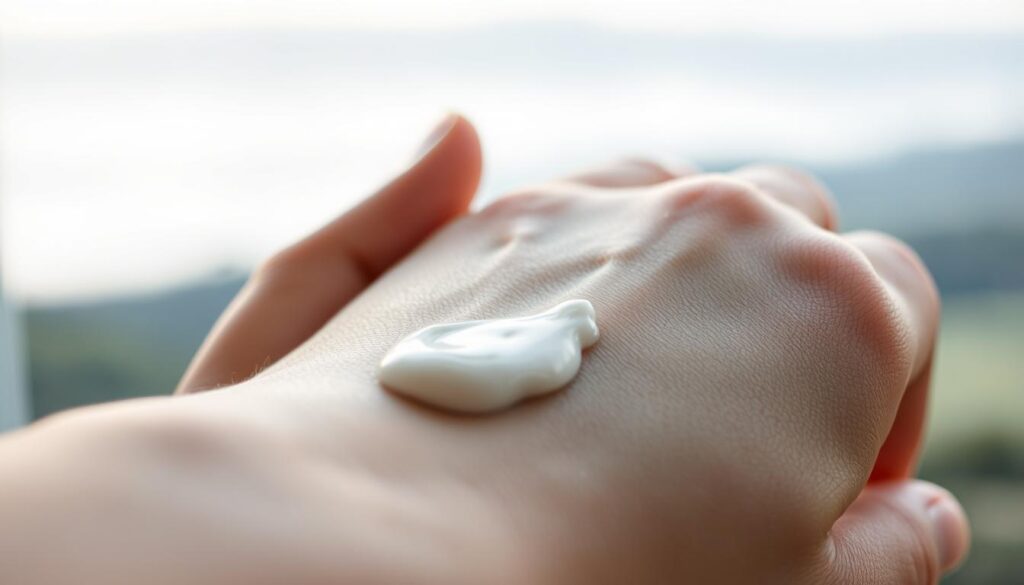
While drinking water is crucial for overall hydration, topical hydration plays a significant role in maintaining skin barrier health. Using hydrating products that contain ingredients like hyaluronic acid can help lock in moisture and support the skin’s natural barrier function. Additionally, using a humidifier, especially in dry environments, can prevent moisture loss from the skin.
Barrier-Supporting Ingredients to Look For
Certain ingredients are particularly beneficial for supporting and repairing the skin barrier.
Ceramides, Niacinamide, and Peptides
Ceramides help restore the lipid bilayer, niacinamide improves skin elasticity and enhances barrier function, and peptides can stimulate collagen production, all contributing to a stronger, more resilient skin barrier.
Plant Oils and Butters for Barrier Repair
Plant oils and butters, such as coconut oil and shea butter, are rich in fatty acids and can help nourish and repair the skin barrier. They provide a natural way to support the skin’s lipid matrix and enhance its protective capabilities.
By incorporating these strategies into your skincare routine, you can significantly improve your skin’s barrier function, leading to healthier, more resilient skin that’s better equipped to withstand environmental challenges.
The Resilience Routine: A Step-by-Step Approach
Developing a skincare routine that prioritizes skin barrier resilience is crucial for achieving healthy, resilient skin. A well-structured routine helps protect your skin from environmental stressors and supports its natural repair processes.
Morning Routine for Barrier Protection
A morning skincare routine focused on barrier protection should start with a gentle cleanser that maintains your skin’s natural pH. Follow with a serum rich in antioxidants and a moisturizer containing ceramides or hyaluronic acid to lock in moisture and support the skin barrier.
- Cleanse with a gentle, pH-balanced cleanser
- Apply an antioxidant serum to combat environmental stressors
- Moisturize with a barrier-supporting ingredient like ceramides
Evening Routine for Barrier Repair
The evening routine is crucial for repairing and rejuvenating your skin barrier. Begin with a gentle makeup remover, followed by a cleanser. Apply a repair-focused serum containing ingredients like niacinamide or peptides, and finish with a nourishing moisturizer or night cream.
- Remove makeup gently
- Cleanse thoroughly
- Apply a repair serum
- Moisturize to lock in repair
Weekly Treatments to Boost Resilience
Incorporating weekly treatments can provide an extra boost to your skin barrier resilience. Consider gentle exfoliation methods and masks rich in barrier-supporting ingredients.
Gentle Exfoliation Methods That Don’t Compromise the Barrier
Gentle exfoliation is key to maintaining skin health without compromising the barrier. Chemical exfoliants like alpha-hydroxy acids (AHAs) or beta-hydroxy acids (BHAs) at lower concentrations can be effective. Physical exfoliants with gentle, round particles are also suitable.
| Exfoliation Method | Frequency | Benefits |
|---|---|---|
| Chemical Exfoliant (AHA/BHA) | 1-2 times a week | Gently removes dead skin cells, promotes cell turnover |
| Physical Exfoliant (Gentle Particles) | 1 time a week | Removes dead skin cells, improves skin texture |
By following this step-by-step approach to skincare, you can significantly enhance your skin barrier resilience, leading to healthier, more resilient skin over time.
Beyond Products: Lifestyle Factors That Strengthen Your Skin Barrier
To truly strengthen your skin barrier, it’s essential to look beyond skincare products and focus on the lifestyle factors that significantly impact skin health. A robust skin barrier is the result of a combination of good skincare habits, a balanced diet, effective stress management, and adequate sleep.
Nutrition for Skin Barrier Health
A well-balanced diet rich in essential nutrients plays a crucial role in maintaining skin health. Foods high in antioxidants, such as berries and leafy greens, help protect the skin from environmental stressors. Omega-3 fatty acids found in fish and nuts support the skin’s lipid barrier, while vitamin C-rich foods like citrus fruits and bell peppers boost collagen production and enhance barrier function.
- Antioxidant-rich foods: Berries, leafy greens
- Omega-3 sources: Fish, nuts
- Vitamin C-rich foods: Citrus fruits, bell peppers
Stress Management and Your Skin
Chronic stress can significantly compromise your skin barrier by increasing cortisol levels, which can lead to inflammation and barrier disruption. Engaging in stress-reducing activities like yoga, meditation, or deep breathing exercises can help mitigate this effect and promote overall skin health.
Stress management techniques:
- Yoga
- Meditation
- Deep breathing exercises
The Sleep-Skin Connection
Adequate sleep is vital for skin repair and regeneration. During sleep, the body repairs and strengthens the skin barrier, making it more resilient to external stressors. Aim for 7-9 hours of quality sleep per night to support skin health.
| Lifestyle Factor | Impact on Skin Barrier |
|---|---|
| Nutrition | Provides essential nutrients for skin health |
| Stress Management | Reduces cortisol levels, minimizing barrier disruption |
| Sleep | Supports skin repair and regeneration |
Conclusion: Embracing the Resilience Revolution in Skincare
As we’ve explored throughout this article, the key to achieving healthy, glowing skin lies in fostering Skin Barrier Resilience. By understanding the critical functions of your skin barrier and the factors that compromise it, you can take proactive steps towards a more resilient complexion.
Focusing on skin health through barrier resilience is a paradigm shift from traditional anti-aging approaches. It’s about creating a robust foundation that allows your skin to thrive, rather than just addressing surface-level concerns.
By adopting a minimalist skincare routine, being mindful of lifestyle factors, and incorporating barrier-supporting ingredients, you can cultivate a healthy skin barrier. This, in turn, will lead to improved skin texture, reduced sensitivity, and a more radiant appearance.
As you embark on this skincare journey, remember that resilience is not achieved overnight. Be patient, stay consistent, and give your skin the care it deserves. With time, you’ll be on your way to a more resilient, healthy complexion that glows from within.
FAQ
What is skin barrier resilience?
Skin barrier resilience refers to the ability of the skin to maintain its protective functions and withstand environmental stressors, maintaining healthy and youthful-looking skin.
How does a compromised skin barrier affect aging?
A compromised skin barrier can lead to premature aging by allowing moisture loss, increased sensitivity, and inflammation, accelerating the visible signs of aging.
What are the signs of a damaged skin barrier?
Signs of a damaged skin barrier include dryness, irritation, redness, increased sensitivity, and a dull appearance.
How can I repair my skin barrier?
To repair your skin barrier, use gentle, barrier-supporting products, maintain a consistent skincare routine, avoid harsh products, and protect your skin from environmental aggressors.
What ingredients support skin barrier health?
Ingredients like ceramides, niacinamide, peptides, plant oils, and butters help support skin barrier health by providing hydration, reducing inflammation, and promoting repair.
Can lifestyle factors impact skin barrier resilience?
Yes, lifestyle factors such as nutrition, stress management, and sleep play a significant role in maintaining skin barrier resilience, as a balanced diet, managed stress, and adequate sleep contribute to overall skin health.
How does stress affect the skin barrier?
Stress can weaken the skin barrier by increasing inflammation, disrupting the skin’s natural balance, and impairing its ability to repair and regenerate.
What is the role of the skin microbiome in barrier function?
The skin microbiome plays a crucial role in maintaining barrier function by regulating the skin’s pH, reducing pathogens, and supporting the skin’s natural barrier repair mechanisms.
How can I maintain a healthy skin barrier as I age?
To maintain a healthy skin barrier as you age, focus on using gentle, effective skincare products, protecting your skin from environmental stressors, and adopting a healthy lifestyle that includes a balanced diet, stress management, and adequate sleep.