
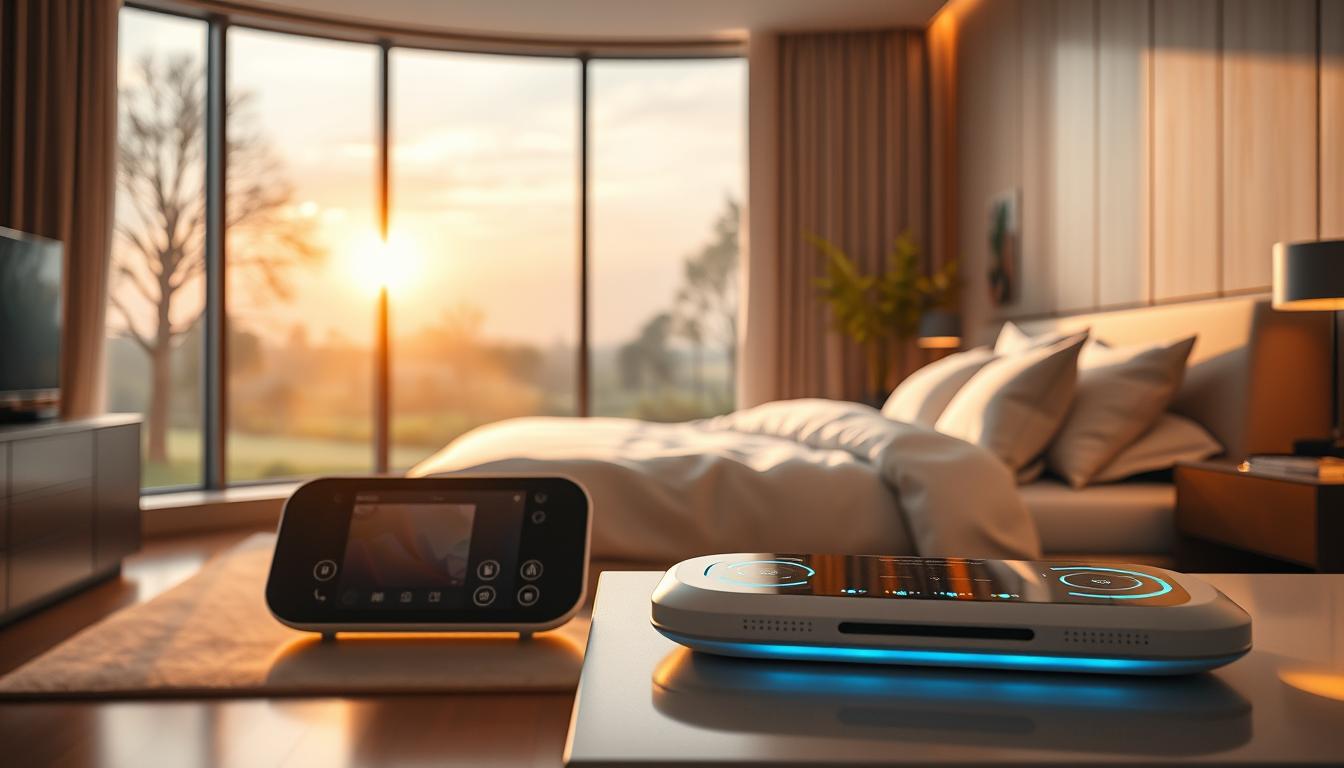
Are you tired of feeling groggy and unrefreshed, even after a full night’s sleep? Are you getting the restful sleep you deserve? In today’s fast-paced world, getting quality sleep is more crucial than ever for peak performance and overall well-being.
Sleepmaxxing is revolutionizing the way we approach rest, using high-tech solutions to optimize our sleep. By leveraging the latest advancements in sleep technology, individuals can now take control of their sleep wellness like never before.
This guide will explore the cutting-edge techniques and tools available for sleep optimization, helping you unlock the secrets to a restful and rejuvenating sleep experience.
Key Takeaways
- Understanding the importance of sleep optimization for overall health
- Exploring high-tech solutions for improving sleep quality
- Discovering tools and techniques for enhancing sleep wellness
- Learning how to personalize sleep optimization strategies
- Achieving peak performance through restful sleep
The Science Behind Quality Sleep
The science of sleep is a complex field that holds the key to enhancing sleep quality. Understanding the intricacies of sleep is crucial for appreciating its impact on our daily lives.
Understanding Sleep Cycles and Architecture
Sleep is not a uniform state but rather a dynamic process that involves multiple stages, known as sleep cycles. These cycles are crucial for physical restoration and mental rejuvenation. A full sleep cycle typically lasts around 90 minutes and includes stages such as light sleep, deep sleep, and REM (Rapid Eye Movement) sleep. Understanding sleep architecture helps in identifying patterns that can be optimized for better rest.
Sleep Cycles: The progression from light sleep to deep sleep and back to REM sleep constitutes a sleep cycle. Each stage plays a vital role in memory consolidation, learning, and emotional regulation.
How Sleep Quality Impacts Performance and Health
Sleep quality significantly affects both physical performance and mental health. Poor sleep quality can lead to decreased cognitive function, impaired motor skills, and a weakened immune system. Conversely, high-quality sleep enhances concentration, boosts athletic performance, and supports overall well-being.
“Sleep is the golden chain that ties health and our bodies together.” – Thomas Dekker
| Aspect | Impact of Poor Sleep Quality | Impact of High-Quality Sleep |
|---|---|---|
| Cognitive Function | Decreased concentration and memory | Enhanced focus and mental clarity |
| Physical Health | Weakened immune system, increased risk of chronic diseases | Stronger immune response, better disease prevention |
| Emotional Well-being | Increased stress, anxiety, and depression | Improved mood, reduced stress and anxiety |
Improving sleep quality is essential for overall health and performance. By understanding sleep cycles and architecture, individuals can take the first step towards optimizing their rest.
What is Sleepmaxxing?
Sleepmaxxing is revolutionizing the way we approach rest, using cutting-edge technology to optimize our sleep patterns. This modern approach to sleep optimization involves a comprehensive strategy that includes advanced sleep tracking, personalized recommendations, and environmental adjustments to create the perfect sleep conditions.
The Modern Approach to Sleep Optimization
The modern approach to sleep optimization, as embodied by Sleepmaxxing, involves a multi-faceted strategy. It starts with advanced sleep tracking technology that monitors sleep patterns, identifying areas for improvement. This data is then used to provide personalized recommendations for optimizing sleep environments and bedtime routines.
Measurable Benefits of Enhanced Sleep
The benefits of enhanced sleep through Sleepmaxxing are numerous and measurable. Some of the key advantages include:
| Benefit | Description |
|---|---|
| Improved Cognitive Function | Better concentration and mental clarity |
| Better Physical Health | Enhanced recovery and immune function |
| Increased Productivity | More efficient work and daily routines |
By adopting Sleepmaxxing practices, individuals can experience these benefits firsthand, leading to an overall improvement in quality of life.
Advanced Sleep Tracking Technology
With the latest advancements in sleep tracking technology, individuals can now monitor their sleep patterns with unprecedented precision. This technological leap has enabled a more nuanced understanding of sleep quality and its impact on overall health.
Wearable Sleep Monitors and Smart Rings
Wearable devices, such as smartwatches and rings, have become increasingly popular for tracking sleep. These devices use accelerometers and heart rate monitors to track sleep patterns, providing insights into sleep duration and quality. Brands like Fitbit and Garmin offer a range of wearable sleep monitors that are both comfortable and feature-rich.
Smart Mattresses and Pressure Sensors
Smart mattresses equipped with pressure sensors represent another significant advancement in sleep tracking. These mattresses can detect sleep stages, movements, and even heart rate without the need for wearable devices. They offer a more comprehensive view of sleep patterns and can adjust firmness for optimal comfort.
AI-Powered Sleep Analysis Apps
AI-powered sleep analysis apps take the data collected from various sleep tracking devices and provide detailed insights and recommendations for improvement. These apps can identify patterns and suggest changes to enhance sleep hygiene, making them a valuable tool for those seeking to optimize their sleep.

| Technology | Key Features | Benefits |
|---|---|---|
| Wearable Sleep Monitors | Accelerometer, Heart Rate Monitoring | Convenient, Detailed Sleep Data |
| Smart Mattresses | Pressure Sensors, Adjustable Firmness | Comprehensive Sleep Insights, Enhanced Comfort |
| AI-Powered Sleep Apps | Data Analysis, Personalized Recommendations | Improved Sleep Hygiene, Tailored Advice |
By leveraging these advanced sleep tracking technologies, individuals can gain a deeper understanding of their sleep and make informed decisions to improve their sleep quality.
Engineering Your Sleep Environment
Optimizing your sleep environment can significantly enhance the quality of your sleep. A well-designed sleep space can address various factors that impact sleep quality, from temperature and lighting to noise and air quality.
Smart Temperature Regulation Systems
Maintaining an optimal sleep temperature is crucial. Smart thermostats can be programmed to adjust the temperature according to your sleep schedule, ensuring a comfortable environment. Research suggests that a cooler bedroom temperature can promote better sleep.
Light Management and Circadian Lighting
Light exposure significantly affects our circadian rhythms. Circadian lighting systems can simulate natural daylight and darkness, helping regulate your sleep-wake cycle. These systems can be programmed to adjust light intensity and color temperature throughout the day.
Acoustic Optimization and White Noise Technology
Noise can be a significant disruptor of sleep. White noise machines or apps can help mask background noises, creating a more peaceful sleep environment. Acoustic panels can also be used to reduce echo and minimize external noise.
Air Quality Monitors and Purifiers
Air quality is another critical factor in sleep quality. Air quality monitors can detect pollutants and allergens, while air purifiers can remove these contaminants, improving the overall air quality in your sleep environment.
| Feature | Benefit | Product Example |
|---|---|---|
| Smart Temperature Regulation | Optimal sleep temperature | Smart Thermostat |
| Circadian Lighting | Regulates circadian rhythms | Philips Hue |
| White Noise Technology | Masks background noise | Dohm White Noise Machine |
| Air Quality Monitoring | Detects pollutants and allergens | Awair Air Quality Monitor |
Nutrition and Supplements for Deep Sleep
Nutrition plays a crucial role in sleep quality, and understanding the right foods and supplements can significantly enhance deep sleep. A well-balanced diet that includes sleep-promoting nutrients can help regulate sleep patterns and improve the quality of rest.
Sleep-Enhancing Foods and Timing
Consuming the right foods at the right time can promote better sleep. Foods rich in tryptophan, such as turkey and chicken, can increase serotonin levels, which helps induce sleep. Additionally, complex carbohydrates like whole grains and fruits can aid in the production of serotonin. It’s also beneficial to eat a light dinner and avoid heavy meals close to bedtime.
Some of the top sleep-enhancing foods include:
- Almonds: Rich in magnesium, which can improve sleep quality.
- Warm Milk: Contains tryptophan and calcium, promoting relaxation.
- Fatty Fish: High in vitamin B6 and magnesium, which are converted into serotonin and melatonin.
- Chamomile Tea: Known for its calming effects and ability to soothe the mind.
Evidence-Based Sleep Supplements
While food is a natural source of sleep-promoting nutrients, supplements can also play a crucial role. Melatonin is one of the most popular sleep supplements, as it directly influences the sleep-wake cycle. Other effective supplements include:
- Magnesium: Helps relax the body and can improve sleep quality.
- Valerian Root: Known for its ability to improve sleep quality and duration.
- GABA (Gamma-Aminobutyric Acid): Acts as a neurotransmitter that helps regulate sleep.
Hydration Strategies for Uninterrupted Rest
Proper hydration is essential for maintaining uninterrupted sleep. Dehydration can lead to discomfort and disrupt sleep patterns. It’s recommended to drink water throughout the day, but avoid excessive fluid intake close to bedtime to minimize nighttime awakenings.
By incorporating these nutritional strategies and being mindful of hydration, individuals can significantly improve their sleep quality. It’s about creating a balanced approach that includes diet, supplements, and proper hydration to achieve deep, restorative sleep.
Physical Techniques for Sleep Hygiene
Physical techniques can significantly enhance sleep quality by incorporating simple yet effective practices into your daily routine. By focusing on specific physical practices, individuals can improve their sleep hygiene and overall restfulness.
Science-Backed Breathing Exercises
Breathing exercises are a powerful tool for enhancing sleep quality. Techniques such as diaphragmatic breathing and the 4-7-8 method can help calm the mind and body, preparing you for a restful night’s sleep. Diaphragmatic breathing, in particular, engages the diaphragm, promoting relaxation and reducing stress.
Body Temperature Manipulation Methods
Body temperature manipulation is another effective technique for improving sleep hygiene. Taking a warm bath before bed or using a cooling pad can help regulate body temperature, signaling to the body that it’s time to sleep. Contrast showers are also beneficial, as they can help improve circulation and promote relaxation.
Exercise Timing and Sleep Quality Correlation
The timing of exercise can significantly impact sleep quality. Engaging in regular physical activity during the day can help promote better sleep at night. However, it’s essential to avoid vigorous exercise within a few hours of bedtime, as it can stimulate the body and interfere with sleep.
Muscle Relaxation Protocols
Muscle relaxation techniques, such as progressive muscle relaxation (PMR), can help reduce physical tension and promote relaxation. PMR involves systematically tensing and relaxing different muscle groups, helping to release stored tension and prepare the body for sleep.
| Technique | Description | Benefits |
|---|---|---|
| Diaphragmatic Breathing | Engages the diaphragm to promote relaxation | Reduces stress, promotes calmness |
| Body Temperature Manipulation | Regulates body temperature to signal sleep | Improves sleep quality, reduces insomnia |
| Progressive Muscle Relaxation | Systematically relaxes muscle groups to release tension | Reduces physical tension, promotes relaxation |

Mental Strategies for Restful Sleep
Achieving restful sleep requires more than just a comfortable bed; it demands a calm and prepared mind. In this section, we’ll explore various mental strategies that can help you achieve the restful sleep you need.
Digital Detox and Screen Management
In today’s digital age, it’s easy to get caught up in screen time before bed. However, the blue light emitted from screens can interfere with your body’s production of melatonin, a hormone crucial for sleep. Implementing a digital detox before bedtime can significantly improve sleep quality. Try to avoid screens for at least an hour before bedtime or use blue light filtering glasses or apps.
Meditation and Mindfulness Applications
Meditation and mindfulness practices have been shown to reduce stress and anxiety, making it easier to fall asleep. There are numerous apps available that offer guided meditations specifically designed for sleep. These can help calm your mind and prepare your body for restful sleep.
Cognitive Restructuring for Sleep Anxiety
Sleep anxiety can create a vicious cycle, making it harder to fall asleep. Cognitive restructuring involves changing negative thought patterns that contribute to sleep anxiety. By reframing these thoughts, you can reduce anxiety and improve your ability to fall asleep.
Journaling and Mental Offloading Techniques
Journaling before bed can be a powerful tool for mental offloading. By writing down your thoughts and concerns, you can clear your mind and reduce stress, making it easier to fall into a restful sleep. This technique helps in processing your day and preparing your mind for the next day.
By incorporating these mental strategies into your daily routine, you can significantly improve the quality of your sleep. It’s about creating a mindset that supports restful sleep.
Creating Your Ultimate Sleepmaxxing Routine
Developing a personalized Sleepmaxxing routine can significantly enhance your sleep quality. By incorporating specific morning and evening rituals, you can optimize your sleep hygiene and wake up feeling refreshed.
Morning Rituals That Enhance Night Sleep
Starting your day with a consistent morning routine can set the tone for a restful night’s sleep. Exposure to natural light, morning exercise, and a balanced breakfast can help regulate your circadian rhythms. Consider incorporating activities like meditation or journaling to clear your mind and prepare for the day ahead.
Data-Driven Evening Wind-Down Protocol
A well-structured evening wind-down protocol is crucial for signaling to your body that it’s time to sleep. Utilize sleep tracking data to identify the most effective relaxation techniques for your body, such as reading, a warm bath, or practicing gentle stretches. Avoid screens and electronic devices at least an hour before bedtime to minimize blue light exposure.
Weekend vs. Weekday Sleep Strategies
Maintaining a consistent sleep schedule is vital, but it’s also important to acknowledge that weekends can disrupt this routine. Try to limit sleep schedule variations on weekends to no more than an hour or two difference from your weekday routine. This can help reduce Sunday night anxiety and make Monday mornings more manageable.
Tracking Progress and Adjusting Your Approach
Regularly tracking your sleep progress is essential to understanding what works and what doesn’t in your Sleepmaxxing routine. Use sleep diaries or mobile apps to monitor your sleep patterns and make data-driven decisions to adjust your approach as needed. Be patient and persistent, as it may take some time to find the perfect balance for your optimal sleep.
| Sleep Strategy | Weekday | Weekend |
|---|---|---|
| Bedtime | 10:00 PM | 11:00 PM |
| Wake-Up Time | 6:00 AM | 7:30 AM |
| Sleep Duration | 8 hours | 8.5 hours |
By following these guidelines and staying committed to your Sleepmaxxing routine, you can achieve significant improvements in your sleep quality and overall well-being.
Conclusion: Embracing the Sleep Revolution
The sleep revolution is transforming the way we approach rest and relaxation. By understanding the science behind quality sleep and leveraging advanced sleep tracking technology, individuals can take control of their sleep wellness. Sleepmaxxing, a modern approach to sleep optimization, offers a comprehensive framework for achieving deep, restorative sleep.
By engineering your sleep environment, incorporating nutrition and supplements, and practicing physical and mental techniques, you can significantly enhance your sleep quality. Creating a personalized sleepmaxxing routine that includes morning rituals, data-driven evening wind-down protocols, and tracking progress can help you stay on track.
Embracing the sleep revolution requires a commitment to prioritizing sleep and making informed choices about your sleep habits. By doing so, you can experience the measurable benefits of enhanced sleep, including improved physical and mental performance, and overall well-being. Join the sleep revolution and start optimizing your sleep today to unlock a healthier, more energized you.
FAQ
What is Sleepmaxxing and how does it improve sleep quality?
Sleepmaxxing is a modern approach to sleep optimization that involves using various techniques and technologies to enhance sleep quality. By leveraging advanced sleep tracking technology, optimizing the sleep environment, and adopting healthy sleep habits, individuals can significantly improve their sleep quality and overall well-being.
How can wearable sleep monitors and smart rings help with sleep optimization?
Wearable sleep monitors and smart rings can track sleep patterns, including duration, stages, and quality, providing valuable insights into sleep architecture. This data can be used to identify areas for improvement and make informed decisions about sleep optimization strategies.
What are some evidence-based sleep supplements that can aid in deep sleep?
Certain supplements, such as melatonin, valerian root, and magnesium, have been shown to promote deep sleep and improve sleep quality. However, it’s essential to consult with a healthcare professional before adding any supplements to your sleep routine.
How can I create an optimal sleep environment for restful sleep?
Creating an optimal sleep environment involves regulating temperature, managing light exposure, minimizing noise, and maintaining good air quality. Using smart temperature regulation systems, circadian lighting, acoustic optimization, and air quality monitors can help achieve a sleep-conducive environment.
What role does nutrition play in achieving deep sleep, and what foods can help?
Nutrition plays a significant role in achieving deep sleep. Consuming sleep-enhancing foods, such as tryptophan-rich foods, complex carbohydrates, and foods high in melatonin, can help promote relaxation and improve sleep quality.
How can physical techniques, such as breathing exercises and body temperature manipulation, improve sleep hygiene?
Physical techniques, including breathing exercises, body temperature manipulation, and muscle relaxation protocols, can help calm the mind and body, making it easier to fall asleep and stay asleep. Regular exercise, when timed correctly, can also improve sleep quality.
What mental strategies can help manage stress and anxiety that interfere with sleep?
Mental strategies, such as digital detox, meditation, cognitive restructuring, and journaling, can help manage stress and anxiety that may interfere with sleep. By adopting these techniques, individuals can clear their minds, relax, and prepare for restful sleep.
How can I track progress and adjust my Sleepmaxxing approach for optimal results?
Tracking progress involves monitoring sleep quality, duration, and other relevant metrics. By using sleep tracking technology and adjusting the Sleepmaxxing approach as needed, individuals can refine their strategies and achieve optimal results.