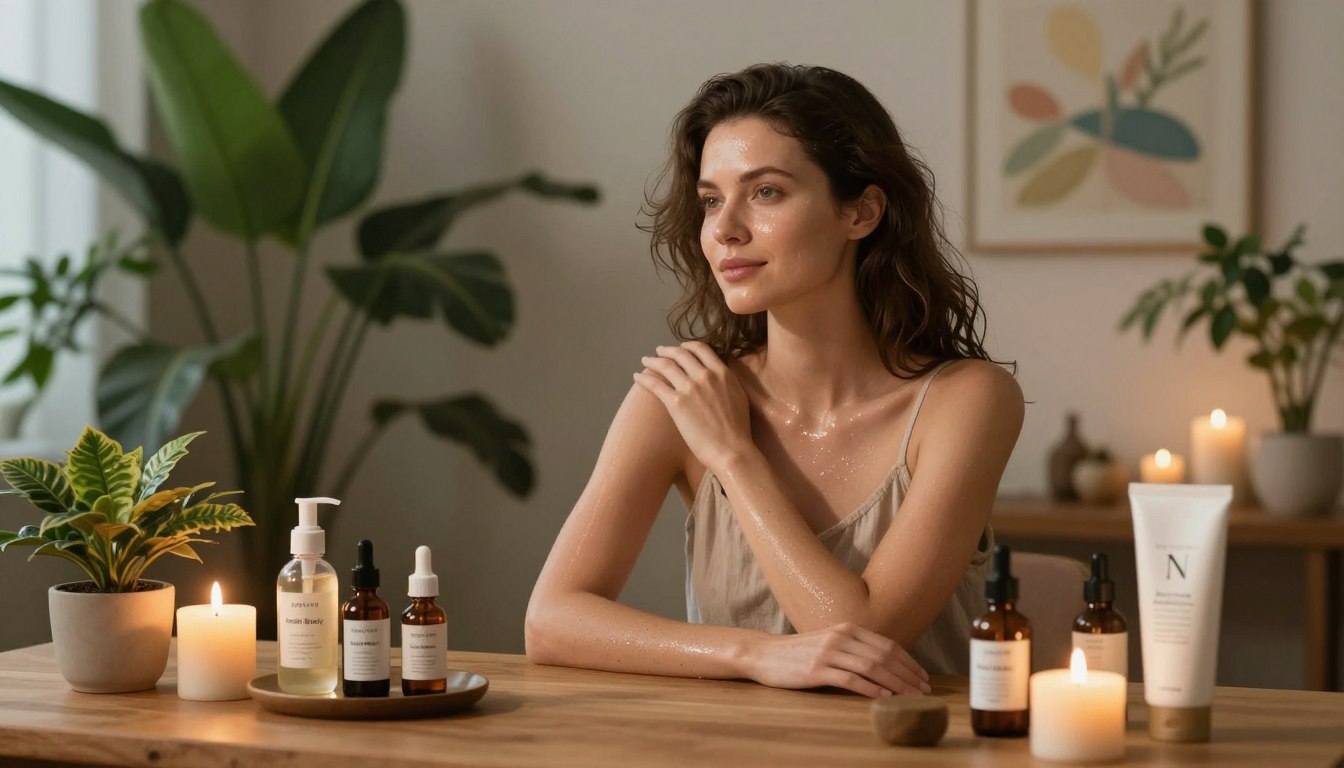
Achieving glowing skin is not just about using the right products; it’s also about maintaining a healthy lifestyle and managing stress effectively.
When we’re under stress, our skin can react negatively, leading to issues like acne, dullness, and premature aging. Effective stress reduction techniques can help mitigate these effects, promoting healthier skin.
By incorporating simple stress management practices into your daily routine, you can take a significant step towards achieving the glowing skin you desire.
Key Takeaways
- Effective stress management is crucial for healthy, glowing skin.
- Simple stress reduction techniques can be incorporated into daily life.
- Managing stress helps mitigate skin issues like acne and premature aging.
- A healthy lifestyle complements stress management for better skin health.
- Practical tips for stress management can lead to glowing skin.
The Science Behind Stress and Skin Health
Understanding how stress affects the skin requires delving into the science behind it. Stress triggers a cascade of physiological responses that can significantly impact skin health.
How Cortisol Affects Your Skin
Cortisol, often referred to as the “stress hormone,” plays a crucial role in the body’s response to stress. Its effects on the skin are multifaceted.
Short-term vs. Long-term Cortisol Exposure
Short-term cortisol exposure can have different effects compared to chronic elevation. Acute stress can cause temporary inflammation, while chronic stress leads to sustained inflammation and skin damage.
Cortisol’s Effect on Collagen Production
Cortisol can decrease collagen production, leading to premature aging and wrinkles. This effect is particularly concerning with long-term exposure.
The Inflammation Connection
Stress-induced inflammation is a key factor in various skin conditions. It can exacerbate existing conditions and lead to new ones.
Stress-Related Skin Conditions
Several skin conditions are directly influenced by stress levels.
Eczema and Psoriasis Flare-ups
Stress can trigger or worsen eczema and psoriasis. Managing stress is crucial for controlling these conditions.
Adult Acne and Hormonal Imbalances
Recognizing Signs of Stress on Your Skin
Understanding how stress influences your skin can help you address issues before they escalate. When you’re under stress, your body’s natural balance is disrupted, leading to various skin problems.
Acne Breakouts and Flare-ups
One of the most common signs of stress on the skin is acne. Stress triggers the release of hormones like cortisol, which can increase oil production and lead to clogged pores.
Dullness and Premature Aging
Stress can also cause dullness and accelerate aging. It does this by reducing the skin’s natural glow and affecting collagen production, leading to fine lines and wrinkles.
Increased Sensitivity and Redness
Furthermore, stress can make your skin more sensitive and prone to redness. This is often due to inflammation caused by stress hormones.
Identifying Stress-Induced Rosacea
Rosacea is a condition characterized by redness, visible blood vessels, and sometimes small, red, pus-filled bumps. Stress is a known trigger for rosacea flare-ups, making it essential to manage stress levels to control symptoms.
| Signs of Stress on Skin | Description |
|---|---|
| Acne Breakouts | Increased oil production and clogged pores due to stress hormones. |
| Dullness and Premature Aging | Reduced skin glow and affected collagen production. |
| Increased Sensitivity and Redness | Inflammation caused by stress, leading to redness and sensitivity. |
Mindfulness Meditation for Stress Reduction and Skin Benefits
By incorporating mindfulness meditation into your daily routine, you can significantly reduce stress and enhance your skin’s natural glow. Mindfulness meditation is a practice that involves focusing on the present moment to achieve a state of calm and relaxation.
Getting Started with Mindfulness Practices
To begin with mindfulness meditation, start by finding a quiet and comfortable space where you can sit or lie down without distractions. You can use guided meditation apps or videos to help you get started. Regular practice is key to experiencing the benefits of mindfulness meditation.
5-Minute Meditation Techniques for Busy People
For those with busy schedules, even a few minutes of meditation can be beneficial. Here are some simple techniques:
- Focused Breathing: Concentrate on your breath, observing its pattern and sensation.
- Body Awareness: Bring awareness to different parts of your body, releasing tension as you exhale.
Body Scan Meditation for Tension Release
Body scan meditation involves lying down or sitting comfortably and bringing your attention to different parts of your body, starting from your toes and moving up to your head. This practice helps in releasing physical tension and promoting relaxation.
Guided Visualization for Skin Healing
Guided visualization involves imagining a scenario that promotes healing and relaxation. For skin health, you can visualize your skin clear and glowing, or imagine a soothing light healing any imperfections. 
How Regular Meditation Improves Skin Appearance
Regular mindfulness meditation can lead to reduced stress levels, which in turn can improve skin clarity and reduce the appearance of stress-related skin issues. By incorporating meditation into your daily routine, you can achieve a more radiant and healthy complexion.
Breathing Exercises to Combat Stress and Improve Circulation
Breathing exercises offer a simple yet effective way to reduce stress and improve circulation, benefiting overall skin health. By incorporating specific techniques into your daily routine, you can enhance your body’s ability to manage stress and promote healthier skin.
Box Breathing Technique
The box breathing technique involves breathing in for a count of 4, holding your breath for a count of 4, exhaling for a count of 4, and then holding your breath again for a count of 4. This creates a “box” shape with your breath, promoting relaxation and reducing stress.
Diaphragmatic Breathing for Relaxation
Diaphragmatic breathing, also known as belly breathing, engages your diaphragm to fill your lungs fully, promoting deep relaxation and efficient oxygenation. To practice, place one hand on your belly and the other on your chest; breathe in deeply through your nose, allowing your belly to rise while your chest remains still.
Incorporating Breathing Exercises into Your Daily Routine
To maximize the benefits of breathing exercises, it’s essential to incorporate them into your daily routine. This can be achieved through morning rituals and stress-response techniques.
Morning Breathing Rituals
Starting your day with a breathing exercise can set a positive tone and prepare your body for the day ahead. Even a few minutes of focused breathing can make a significant difference.
Stress-Response Breathing Techniques
When faced with stressful situations, employing quick and effective breathing techniques can help manage your stress response. Techniques like box breathing can be particularly useful in these moments.
| Breathing Technique | Benefits | Practice Tips |
|---|---|---|
| Box Breathing | Reduces stress, promotes relaxation | Count to 4 for each phase |
| Diaphragmatic Breathing | Enhances oxygenation, relaxes body | Place hand on belly to monitor movement |
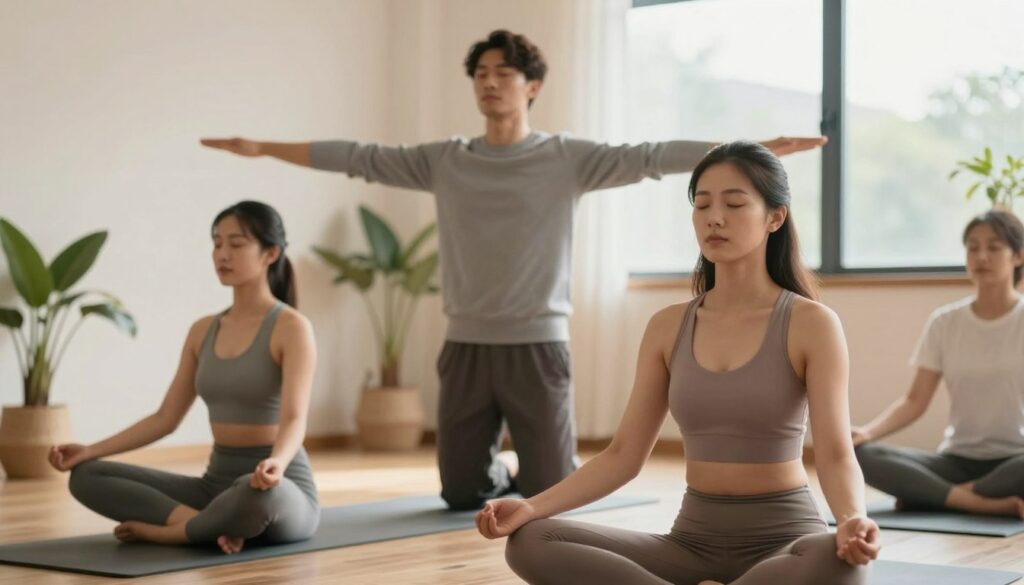
By integrating these breathing exercises into your daily life, you can better manage stress, improve your circulation, and enjoy healthier, more radiant skin.
Stress Management for Healthy Skin Through Physical Activity
Engaging in physical activity is a powerful strategy for managing stress and promoting healthy, glowing skin. Regular exercise has been shown to reduce stress levels, improve mood, and enhance overall well-being, all of which contribute to better skin health.
Low-Impact Exercises That Reduce Stress
Low-impact exercises are particularly beneficial for stress relief and can be adapted to various fitness levels. These exercises not only help in managing stress but also improve circulation, which is essential for healthy skin.
Yoga Poses for Stress Relief and Circulation
Yoga combines physical movement with deep breathing techniques, making it an effective practice for reducing stress. Certain yoga poses, such as Downward-Facing Dog and Child’s Pose, can help improve circulation and promote relaxation. Regular yoga practice can lead to improved skin tone and reduced stress-related skin issues.
Walking Meditation Benefits
Walking meditation is another low-impact exercise that combines physical movement with mindfulness techniques. This practice involves paying attention to your walking, noticing the sensation of your feet touching the ground, and synchronizing your breath with your steps. Walking meditation can help reduce stress, improve mood, and enhance overall well-being.

How Exercise Improves Skin Tone and Texture
Exercise improves skin tone and texture by enhancing blood circulation, which helps to nourish skin cells. Regular physical activity also promotes the removal of toxins from the body, contributing to clearer skin. Furthermore, exercise can help reduce inflammation, a key factor in various skin conditions.
Creating a Sustainable Exercise Routine
To reap the benefits of exercise for stress management and skin health, it’s essential to create a sustainable routine. Start by choosing activities you enjoy, whether it’s yoga, walking, or other forms of exercise. Aim for at least 30 minutes of moderate-intensity exercise per day. Consistency is key to experiencing the positive effects of physical activity on both stress levels and skin health.
Some effective ways to maintain a consistent exercise routine include:
- Schedule exercise into your daily planner
- Find a workout buddy or join a fitness class
- Track your progress and set achievable goals
- Vary your routine to avoid boredom and prevent plateaus
Sleep Optimization Strategies for Skin Regeneration
The importance of sleep for skin regeneration cannot be overstated, as it is during sleep that our skin repairs itself. Adequate sleep is essential for maintaining healthy, glowing skin.
The Science of Sleep and Skin Repair
Sleep is a complex process that involves multiple stages, including REM and non-REM sleep. Understanding these cycles is crucial for appreciating how sleep affects skin health.
Sleep Cycles and Cellular Regeneration
During deep sleep stages, the body repairs and regenerates tissues, including skin. This process involves the release of growth hormones that stimulate cellular regeneration. Adequate sleep cycles are vital for optimal skin repair.
| Sleep Stage | Skin Benefits |
|---|---|
| Deep Sleep | Cellular regeneration, tissue repair |
| REM Sleep | Improved skin elasticity, reduced inflammation |
Creating the Ideal Sleep Environment
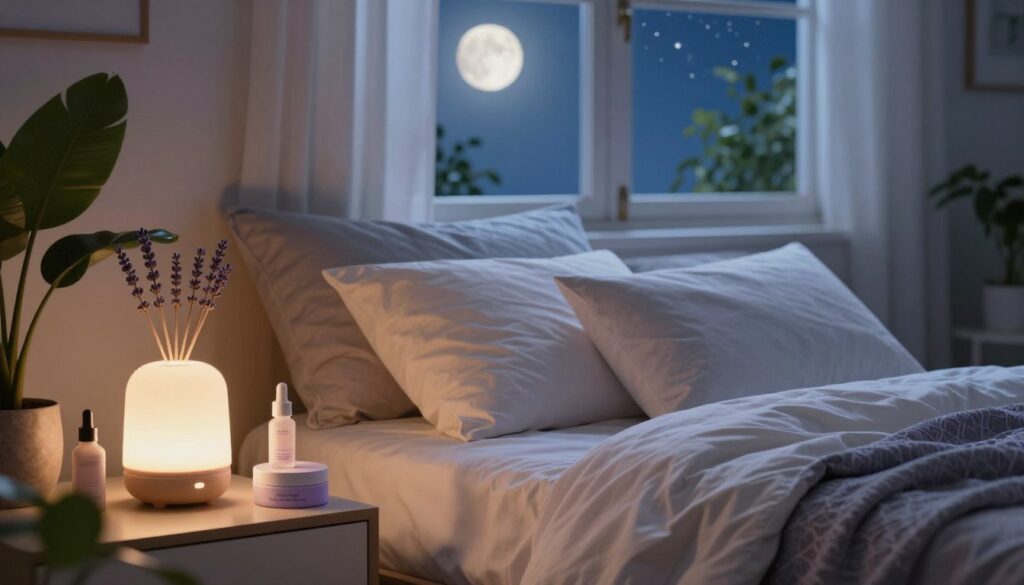
A conducive sleep environment is crucial for quality sleep. This includes a dark, quiet room at a comfortable temperature. Investing in blackout curtains and a comfortable mattress can significantly improve sleep quality.
Pre-Sleep Rituals for Better Rest and Skin
Pre-sleep rituals can signal the body that it’s time to sleep, enhancing the quality of rest. This can include activities like reading or meditation.
Digital Curfews for Melatonin Production
Avoiding screens before bed is crucial as the blue light emitted can suppress melatonin production, making it harder to fall asleep. Implementing a digital curfew can improve sleep onset and quality.
Relaxation Techniques Before Bed
Relaxation techniques, such as deep breathing or progressive muscle relaxation, can help reduce stress and prepare the body for sleep.
“The way to a healthy skin is through a restful night’s sleep, achieved by calming the mind and body before bed.”
By understanding the science behind sleep and implementing strategies to optimize it, individuals can significantly improve their skin health. This includes creating a sleep-conducive environment and adopting pre-sleep rituals that promote relaxation and better rest.
Nutrition and Hydration: Anti-Stress Diet for Radiant Skin
A diet rich in essential nutrients is vital for maintaining healthy skin and managing stress. The right nutrition can help combat the negative effects of stress on the skin, promoting a radiant and healthy appearance.
Anti-Inflammatory Foods That Combat Stress Effects
Consuming anti-inflammatory foods is crucial in mitigating the impact of stress on the skin. These foods help reduce inflammation, which can lead to various skin issues.
Omega-3 Rich Foods for Skin Barrier Support
Omega-3 fatty acids play a significant role in supporting the skin’s barrier function. Foods rich in omega-3s, such as salmon, walnuts, and chia seeds, help maintain the skin’s integrity and reduce inflammation.
Antioxidant Sources for Fighting Stress Damage
Antioxidants are vital in combating the oxidative stress caused by free radicals. Consuming antioxidant-rich foods like berries, leafy greens, and other fruits and vegetables helps protect the skin from damage and promotes a healthy glow.
Hydration Strategies for Skin Health
Adequate hydration is essential for maintaining skin health. Drinking enough water throughout the day helps keep the skin hydrated and plump, reducing the appearance of fine lines and wrinkles.
Supplements That Support Skin During Stressful Periods
Certain supplements can provide additional support for the skin during stressful periods. These supplements help mitigate the negative effects of stress on the skin.
Adaptogens for Stress and Skin Balance
Adaptogenic herbs like ashwagandha and rhodiola help the body adapt to stress, promoting balance and reducing the impact on the skin. These adaptogens support overall well-being and contribute to healthier skin.
Creating a Stress-Proof Skincare Routine
Creating a skincare routine that prioritizes stress protection can significantly improve skin health. By incorporating specific practices and products, you can help your skin withstand the negative effects of stress.
Morning Rituals for Protective Skincare
Starting your day with a protective skincare routine can help shield your skin from environmental stressors. Antioxidant serums play a crucial role in this process.
Antioxidant Serums and Stress Protection
Using an antioxidant serum in the morning can help neutralize free radicals and reduce the impact of stress on your skin. Look for serums containing ingredients like vitamin C or ferulic acid.
Evening Recovery Routines
An effective evening skincare routine is essential for overnight healing and recovery. Incorporating repairing ingredients can help your skin repair damage caused by stress.
Repairing Ingredients for Overnight Healing
Products containing retinol or peptides can aid in skin repair and regeneration while you sleep, helping to counteract the effects of stress on your skin.
Adapting Your Skincare During High-Stress Periods
During periods of high stress, it’s essential to simplify your skincare routine to avoid overwhelming your skin.
Simplifying Routines When Overwhelmed
Focus on essential products that provide maximum benefit, such as gentle cleansers and moisturizers. Avoid using too many products, which can irritate the skin.
SOS Treatments for Stress-Induced Breakouts
For stress-induced breakouts, consider using SOS treatments containing salicylic acid or benzoyl peroxide to help manage acne and reduce inflammation.
Social Connections and Support Systems for Stress Reduction
Nurturing social connections and support systems plays a significant role in mitigating the effects of stress on our lives. Positive relationships can significantly reduce stress levels, improve mental health, and enhance overall well-being.
The Impact of Positive Relationships on Stress Levels
Positive relationships can help alleviate stress by providing emotional support, practical help, and a sense of belonging. Studies have shown that people with strong social connections tend to have lower stress levels and better mental health outcomes.
Building a Supportive Community
Building a supportive community involves surrounding yourself with positive, supportive people. This can include friends, family, or joining social groups that align with your interests. A supportive community can provide a safety net during stressful times, helping to reduce feelings of loneliness and isolation.
Setting Healthy Boundaries for Stress Management
Setting healthy boundaries is crucial for managing stress and maintaining healthy relationships. This involves learning to say “no” without feeling guilty and being clear about your needs and limits.
Identifying Energy-Draining Relationships
It’s essential to identify relationships that drain your energy and cause more stress. Once identified, you can take steps to limit your interaction with these individuals or establish boundaries to protect your energy.
Communication Techniques for Boundary Setting
Effective communication is key to setting healthy boundaries. This includes being clear, direct, and respectful when expressing your needs. Using “I” statements instead of “you” statements can help avoid blame and defensiveness, making it easier to establish and maintain healthy boundaries.
Digital Detox: Reducing Screen-Related Stress and Its Skin Benefits
The constant exposure to screens not only affects our mental health but also has significant implications for our skin. As we navigate the digital world, it’s essential to understand the impact of screen-related stress on our overall well-being and skin health.
How Digital Devices Contribute to Stress and Skin Aging
Digital devices emit blue light, which can disrupt our natural sleep-wake cycle and increase stress levels. This stress can manifest on our skin, leading to issues such as acne, dullness, and premature aging.
Blue Light Effects on Skin Health
Blue light exposure has been shown to affect skin health by generating free radicals, which can damage skin cells and lead to signs of aging. Reducing blue light exposure can help mitigate these effects and promote healthier skin.
Implementing Practical Screen Time Limits
Setting boundaries on screen time is crucial for reducing digital stress. Establishing tech-free zones and times, such as during meals or before bed, can significantly reduce screen-related stress.
Tech-Free Activities That Benefit Both Mind and Skin
Engaging in tech-free activities can have a positive impact on both mental well-being and skin health. Activities such as meditation, yoga, and spending time in nature can reduce stress and promote glowing skin.
Nature-Based Activities for Stress Relief
Spending time outdoors, whether it’s walking in a park or hiking, can significantly reduce stress levels. Being in nature has a calming effect and can improve skin health by reducing inflammation and promoting relaxation.
Creative Pursuits That Reduce Cortisol Levels
Engaging in creative activities like painting, drawing, or crafting can be therapeutic and reduce cortisol levels. These activities not only provide a mental break from screens but also contribute to overall well-being.
By incorporating digital detox practices and engaging in tech-free activities, individuals can reduce screen-related stress and promote healthier, glowing skin.
Integrating Stress Management Into Your Daily Life for Long-Term Skin Health
Achieving long-term skin health requires a holistic approach that incorporates effective stress management techniques into your daily routine. By understanding the link between stress and skin health, you can take proactive steps to mitigate its negative effects.
Integrating stress management into daily life involves a combination of mindfulness practices, physical activity, and healthy lifestyle choices. Regular mindfulness meditation, breathing exercises, and physical activity can significantly reduce stress levels, promoting healthier, glowing skin.
By adopting a balanced lifestyle that includes a nutritious diet, adequate sleep, and a consistent skincare routine, you can enhance your skin’s natural resilience. As you integrate these stress management techniques into your daily life, you’ll not only improve your skin health but also boost your overall well-being.
Stress management for long-term skin health is an ongoing process that requires commitment and patience. By making these practices a part of your daily routine, you’ll be better equipped to handle life’s challenges while maintaining healthy, radiant skin.
FAQ
How does stress affect my skin?
Stress can cause a variety of skin issues, including acne breakouts, dullness, premature aging, increased sensitivity, and redness. When you’re stressed, your body releases cortisol, a hormone that can lead to inflammation and exacerbate existing skin conditions.
What are some simple stress-reducing techniques I can try at home?
You can try mindfulness meditation, breathing exercises, or yoga to help reduce stress. Even a short 5-minute meditation session or a few minutes of deep breathing can be beneficial. You can also try progressive muscle relaxation, journaling, or reading a book to calm your mind.
How can I adapt my skincare routine during high-stress periods?
During high-stress periods, it’s essential to simplify your skincare routine and focus on products that provide intense nourishment and hydration. Look for products containing antioxidants, hyaluronic acid, and soothing ingredients like aloe vera or green tea. You can also try using a facial mask or SOS treatments to help calm and repair your skin.
Can exercise really improve my skin health?
Yes, regular exercise can improve your skin health by reducing stress, improving circulation, and boosting your overall well-being. Exercise can help to reduce inflammation, improve skin tone and texture, and even reduce the appearance of fine lines and wrinkles.
How does sleep affect my skin, and what can I do to improve it?
Sleep is essential for skin regeneration and repair. During sleep, your body repairs and regenerates damaged skin cells, builds collagen, and improves skin elasticity. To improve your sleep, establish a consistent sleep schedule, create a relaxing bedtime routine, and avoid screens before bedtime.
Are there any specific foods that can help combat stress and promote healthy skin?
Yes, certain foods can help combat stress and promote healthy skin. Include anti-inflammatory foods like omega-3 rich foods, antioxidant-rich foods, and fermented foods in your diet. You can also try incorporating adaptogenic herbs like ashwagandha or rhodiola to help your body cope with stress.
Can digital detox really make a difference in my skin health?
Yes, reducing screen time and taking breaks from digital devices can help reduce stress and promote healthy skin. The blue light emitted from screens can cause skin damage, inflammation, and disrupt your sleep. By limiting your screen time and engaging in tech-free activities, you can help to reduce cortisol levels and promote overall well-being.