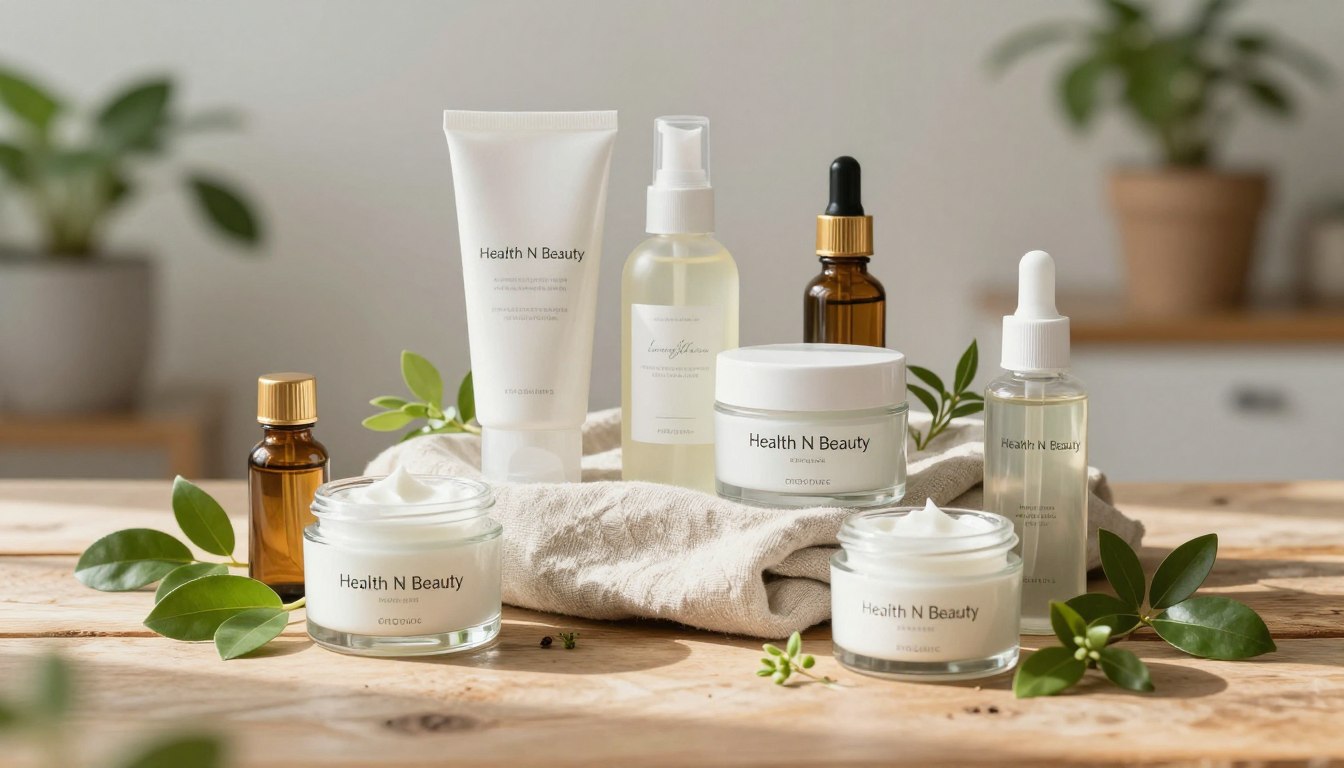
In recent years, the demand for organic skincare has seen a significant surge as consumers become more aware of the importance of using chemical-free products on their skin.
This shift towards natural skincare is driven by the desire for healthier, more sustainable living. Unlike conventional skincare products that often contain harsh chemicals, organic skincare products offer a gentler, more effective alternative.
As we explore the advantages of using organic skincare products, you can expect to learn about their natural ingredients, the environmental benefits they provide, and how they can improve your skin health.
Key Takeaways
- Understanding the benefits of switching to organic skincare.
- Learning about the natural ingredients used in organic skincare products.
- Discovering how organic skincare can improve skin health.
- Exploring the environmental advantages of choosing organic skincare.
- Identifying the differences between organic and conventional skincare products.
What Makes Skincare Products “Organic”?
Understanding what makes skincare products ‘organic’ is crucial for consumers seeking to avoid harsh chemicals and support eco-friendly practices. The term ‘organic’ in the context of skincare refers to products made from ingredients that are grown without the use of synthetic fertilizers, pesticides, or genetically modified organisms (GMOs).
Defining Organic Ingredients in Skincare
Organic ingredients in skincare are derived from farming practices that emphasize the use of natural substances and processes. This means that the ingredients are cultivated without the application of chemical pesticides, herbicides, or fertilizers. Certification bodies such as the USDA play a crucial role in verifying that these ingredients meet strict organic standards.
The Difference Between Natural and Organic
While often used interchangeably, ‘natural’ and ‘organic’ have distinct meanings in the skincare industry. Natural ingredients are those that are derived from natural sources, but they may not necessarily be grown or processed according to organic standards. In contrast, organic ingredients must adhere to strict guidelines that ensure their cultivation and processing are free from synthetic chemicals.
| Characteristics | Natural Ingredients | Organic Ingredients |
|---|---|---|
| Sourcing | Derived from natural sources | Grown without synthetic fertilizers or pesticides |
| Processing | May involve some chemical processing | Processed according to organic standards |
| Certification | Not necessarily certified | Certified by bodies like USDA or ECOCERT |
This distinction is crucial for consumers who prioritize not only the safety and efficacy of their skincare products but also their environmental footprint.
The Growing Popularity of Organic Beauty Products
The organic beauty market is experiencing unprecedented growth, driven by consumer demand for safer, more sustainable products. This trend is not just a fleeting phenomenon but a significant shift in consumer behavior towards healthier and more environmentally friendly choices.
Market Trends and Statistics
Recent market research indicates that the global organic beauty market is projected to continue its upward trajectory. Statistics show a compound annual growth rate (CAGR) of over 9% from 2023 to 2028, driven by increasing consumer awareness and a growing preference for products with natural ingredients.
The sales figures for organic skincare products have been particularly impressive, with many consumers willing to pay a premium for products that are certified organic.
Consumer Awareness and Demand
Consumer awareness plays a crucial role in driving the demand for organic beauty products. As more people become informed about the potential risks associated with synthetic chemicals in conventional beauty products, they are seeking out organic alternatives. This shift is largely driven by a desire for transparency and sustainability in product formulation.
The demand is also being fueled by a growing distrust of harsh chemicals and a preference for products that are not only effective but also environmentally friendly.
Benefits of Organic Skincare Products
Switching to organic skincare products can be a game-changer for your skin health. As consumers become more aware of what they put on their skin, the demand for organic products has seen a significant surge.
“The clean beauty movement is not just a trend; it’s a revolution in how we think about skincare,” says a leading expert in the field of organic beauty. This shift is driven by the numerous benefits associated with organic skincare.
Reduced Exposure to Harmful Chemicals
One of the primary advantages of organic skincare is the reduction in exposure to harmful chemicals. Conventional skincare products often contain synthetic chemicals, such as parabens and phthalates, which have raised health concerns. Organic products, on the other hand, use natural ingredients that are less likely to cause harm.
Lower Risk of Skin Irritation and Allergies
Organic skincare products are also known for their gentle formulations, which can significantly lower the risk of skin irritation and allergic reactions. This is particularly beneficial for individuals with sensitive skin.
Nutrient-Rich Formulations for Skin Health
Furthermore, organic skincare products are often rich in nutrients, thanks to their high-quality, natural ingredients. These nutrient-rich formulations can promote healthier skin by providing essential vitamins and minerals.
In conclusion, the benefits of organic skincare products make them an attractive option for those looking to improve their skin health while minimizing exposure to harmful chemicals.
Environmental Advantages of Choosing Organic
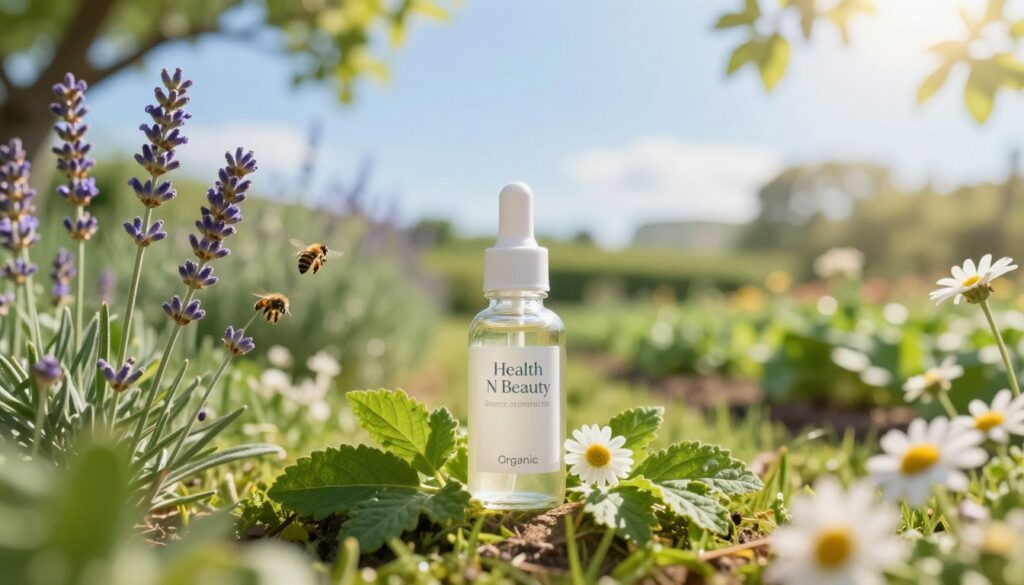
The environmental advantages of organic skincare are multifaceted and far-reaching. By choosing organic skincare products, consumers are not only improving their skin health but also contributing to a more sustainable environment.
Sustainable Farming Practices
Organic skincare promotes sustainable farming practices that avoid the use of synthetic fertilizers and pesticides, reducing soil pollution and preserving biodiversity. This approach ensures that the land remains fertile for future generations.
Reduced Chemical Runoff in Ecosystems
The absence of harsh chemicals in organic skincare products means less chemical runoff into our ecosystems. This reduces water pollution and protects aquatic life, maintaining the balance of our ecosystems.
Biodegradable Formulations and Packaging
Organic skincare products often feature biodegradable formulations and eco-friendly packaging, minimizing waste and the environmental footprint of the product lifecycle. This shift towards biodegradable materials is crucial in reducing plastic waste and promoting a healthier planet.
By embracing organic skincare, we not only enhance our personal well-being but also play a role in protecting the environment. The collective impact of these choices can lead to significant positive change.
Key Ingredients in Effective Organic Skincare
Organic skincare products owe their efficacy to a selection of powerful, natural ingredients. These ingredients not only nourish the skin but also ensure that the products are gentle and safe for long-term use.
Plant-Based Oils and Butters
Plant-based oils and butters are fundamental components of organic skincare. They provide moisturization, protection, and nourishment to the skin.
Coconut, Jojoba, and Argan Oils
Coconut oil is known for its antimicrobial properties, while jojoba oil closely resembles the skin’s natural sebum, making it an excellent moisturizer. Argan oil is rich in antioxidants and essential fatty acids.
Shea and Cocoa Butters
Shea butter is renowned for its healing properties and is often used to soothe dry, irritated skin. Cocoa butter is another rich moisturizer that helps to improve skin elasticity.
Botanical Extracts and Their Benefits
Botanical extracts are derived from various parts of plants and are used for their therapeutic properties. They can help in reducing inflammation, fighting bacteria, and providing antioxidant benefits.
“Botanical extracts have been used for centuries in traditional medicine and are now being harnessed in organic skincare for their numerous benefits.”
Natural Preservatives and Stabilizers
Natural preservatives are crucial in extending the shelf life of organic skincare products without compromising their safety or efficacy. Examples include vitamin E, grapefruit seed extract, and rosemary extract.
| Preservative | Function | Benefits |
|---|---|---|
| Vitamin E | Antioxidant | Protects against free radicals |
| Grapefruit Seed Extract | Antimicrobial | Prevents microbial growth |
| Rosemary Extract | Antioxidant | Enhances product stability |
Organic Solutions for Common Skin Concerns
With the growing awareness of chemical-laden skincare products, organic options are becoming increasingly popular for addressing skin concerns. Organic skincare products offer a range of benefits, from reducing exposure to harsh chemicals to promoting healthier skin.
Acne and Blemish Control
For acne-prone skin, organic skincare products containing tea tree oil and aloe vera can be particularly effective. These ingredients have natural antibacterial properties that help control acne and reduce inflammation. A study comparing different acne treatments found that tea tree oil had a significant impact on reducing acne lesions.
Anti-Aging and Wrinkle Reduction
Organic skincare for anti-aging often includes ingredients like rosehip oil and green tea extract. These components are rich in antioxidants, which help combat free radicals that cause aging. A table summarizing key anti-aging ingredients and their benefits is provided below.
| Ingredient | Benefits |
|---|---|
| Rosehip Oil | Rich in antioxidants, promotes skin regeneration |
| Green Tea Extract | Antioxidant properties, reduces inflammation |
| Vitamin C | Boosts collagen production, brightens skin |
Sensitive Skin and Rosacea Management
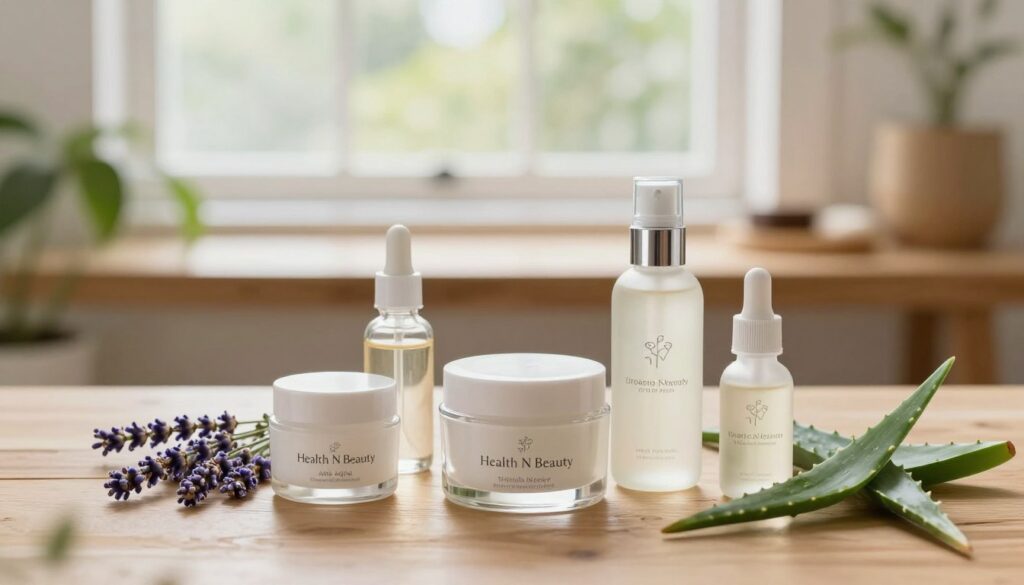
For sensitive skin and rosacea, organic products with chamomile and calendula can provide relief. These ingredients are known for their soothing properties, helping to calm irritated skin and reduce redness. It’s essential to choose products that are gentle and free from potential irritants.
Conventional vs. Organic Skincare: A Comparison
Conventional and organic skincare products differ significantly in terms of their ingredients, manufacturing processes, and impact on skin health. This comparison is crucial for understanding the benefits and drawbacks of each approach.
Ingredient Quality and Sourcing
The quality and sourcing of ingredients are fundamental differences between conventional and organic skincare products. Organic products are made from natural ingredients that are grown without synthetic pesticides or fertilizers, ensuring a higher level of purity. In contrast, conventional products may contain synthetic chemicals that can be potentially harmful to the skin.
Manufacturing Processes and Environmental Impact
The manufacturing processes of conventional and organic skincare products also vary significantly. Organic products are typically produced using sustainable practices that minimize environmental impact, whereas conventional products may involve processes that contribute to pollution and waste.
Long-Term Effects on Skin Health
The long-term effects of using conventional versus organic skincare products on skin health are a critical consideration. Organic products, with their natural ingredients, are generally considered to be gentler on the skin and less likely to cause irritation over time.
Understanding Organic Certification Standards
With the rise of organic skincare, it’s essential to comprehend the different certification standards that validate product claims. These standards ensure that products meet specific criteria regarding ingredient sourcing, manufacturing processes, and environmental sustainability.
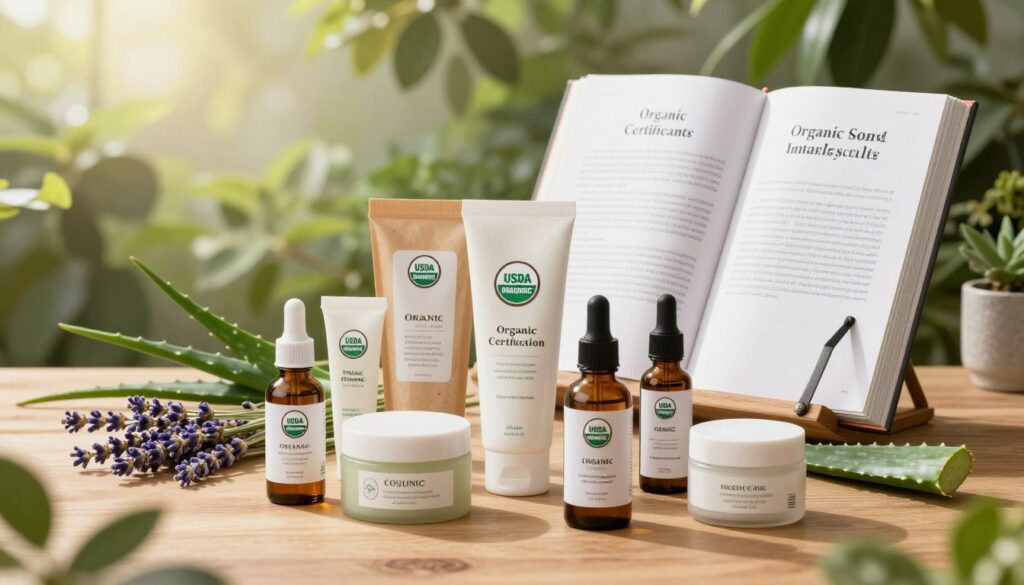
USDA Organic Certification
The USDA Organic certification is a rigorous standard that ensures products contain at least 95% organic ingredients. This certification is crucial for consumers seeking products with minimal synthetic additives. USDA Organic certification involves a thorough inspection process, verifying that farming practices meet strict guidelines.
COSMOS and ECOCERT Standards
COSMOS and ECOCERT are European-based certifications that have gained global recognition. COSMOS focuses on the use of natural ingredients and environmentally friendly practices, while ECOCERT verifies that products meet strict environmental and social criteria. Both certifications are respected for their stringent requirements.
How to Verify Product Claims
To verify product claims, consumers should look for certification logos on product labels and check the manufacturer’s website for certification details. It’s also advisable to research the certifying body’s standards to understand what the certification entails. Verifying product claims ensures that consumers get the quality they expect from organic skincare products.
Common Misconceptions About Organic Skincare
As consumers increasingly turn to organic skincare, it’s essential to address the common misconceptions associated with these products. Many consumers are drawn to organic skincare due to its perceived benefits, but several myths have also emerged.
Effectiveness Concerns and Scientific Evidence
One common misconception is that organic skincare products are less effective than their conventional counterparts. However, numerous studies have shown that organic ingredients can be just as effective, if not more so, due to their high concentration and lack of harsh chemicals.
For instance, a study published in the Journal of Clinical and Aesthetic Dermatology found that organic aloe vera gel significantly improved skin hydration and elasticity compared to non-organic alternatives.
Price vs. Value Considerations
Another misconception is that organic skincare products are prohibitively expensive. While some premium organic products can be costly, many affordable options are available. The perceived high cost often reflects the quality of ingredients and manufacturing processes rather than an inherent premium associated with being ‘organic’.
A comparison of conventional and organic skincare products reveals that the price difference is often due to the sourcing of high-quality, organic ingredients and sustainable practices.
Shelf Life and Preservation Myths
Some consumers believe that organic skincare products have a shorter shelf life due to the absence of synthetic preservatives. While it’s true that some organic products may have a shorter shelf life, many manufacturers now use natural preservatives that are equally effective.
The table below highlights some common natural preservatives used in organic skincare and their effectiveness.
| Natural Preservative | Effectiveness | Common Use |
|---|---|---|
| Potassium Sorbate | High | Creams and lotions |
| Vitamin E | Moderate | Oils and serums |
| Grapefruit Seed Extract | High | Various product types |
By addressing these misconceptions, consumers can make more informed decisions about their skincare choices.
How to Transition to an Organic Skincare Routine
Transitioning to an organic skincare routine can seem daunting, but with a few simple steps, you can make the switch smoothly. The key is to start with the basics and gradually build up your regimen.
Starting with Key Products
Begin by replacing your current cleanser and moisturizer with organic alternatives. These are foundational products that will help your skin adjust to the new ingredients.
Cleansers and Moisturizers
Look for cleansers that are gentle and free from harsh chemicals. Moisturizers should be rich in nutrients and suitable for your skin type.
Treatment Products
Once you’ve adjusted to new cleansers and moisturizers, you can introduce treatment products like serums and masks that target specific skin concerns.
Reading Labels Effectively
Understanding how to read labels is crucial. Look for certifications like USDA Organic and be wary of misleading claims. Check the ingredient list for known organic ingredients.
Building a Complete Organic Regimen
To build a complete organic skincare routine, consider products that complement each other. A balanced regimen includes a cleanser, moisturizer, and treatment products that work together to achieve healthy, glowing skin.

As you transition, be patient and observe how your skin responds. With time, you’ll find the perfect balance for your organic skincare routine.
| Product | Organic Alternative | Benefits |
|---|---|---|
| Cleanser | Organic Cleanser | Gentle, chemical-free |
| Moisturizer | Organic Moisturizer | Rich in nutrients |
| Serum | Organic Serum | Targets specific skin concerns |
The Ethical Dimension: Fair Trade and Cruelty-Free Practices
In the realm of organic skincare, ethical dimensions such as fair trade and cruelty-free practices are gaining prominence among consumers who value sustainability and compassion. The organic skincare industry is evolving to not only focus on the health benefits of natural ingredients but also to ensure that these products are developed and sourced ethically.
Supporting Ethical Sourcing and Small Producers
Fair trade practices in skincare ensure that small producers and farmers are paid fairly for their products, promoting economic stability in local communities. By choosing fair trade skincare products, consumers support ethical sourcing and contribute to a more equitable global trade system.
Animal Testing Alternatives in Organic Beauty
Cruelty-free practices are a cornerstone of ethical organic beauty. Brands are now leveraging innovative, non-animal testing methods to ensure product safety and efficacy. This shift not only aligns with consumer values but also drives the development of more humane and effective beauty products.
Social Impact of Organic Beauty Industry
The organic beauty industry’s commitment to ethical practices has a broader social impact, influencing consumer behavior and industry standards. As consumers demand more transparency and accountability, the industry is pushed towards more sustainable and compassionate practices.
Embracing Organic Skincare for Long-Term Skin and Environmental Health
Organic skincare products offer numerous benefits for skin and environment. Choosing these products reduces exposure to harmful chemicals and promotes healthier skin.
Long-term health benefits are significant, with reduced risk of skin irritation and allergies. Nutrient-rich formulations nourish the skin, while sustainable farming practices and reduced chemical runoff protect ecosystems.
Consumers can make a positive impact on skin health and the environment by adopting organic skincare. The growing demand for organic beauty products indicates a shift towards a more conscious and sustainable approach to skincare.
Switching to an organic skincare routine is a step towards a healthier lifestyle and environmentally friendly beauty regimen. With numerous benefits and growing availability, making the switch is now more accessible.
FAQ
What does “organic” mean in the context of skincare products?
In skincare, “organic” refers to ingredients that are grown without synthetic fertilizers, pesticides, or genetically modified organisms (GMOs), and are processed without harsh chemicals, ensuring a higher level of purity and sustainability.
Are organic skincare products as effective as conventional ones?
Yes, many organic skincare products are highly effective due to their nutrient-rich formulations and the absence of harsh chemicals that can irritate the skin. Ingredients like plant-based oils, botanical extracts, and natural preservatives contribute to their efficacy.
How can I verify if a skincare product is genuinely organic?
Look for certifications like USDA Organic, COSMOS, or ECOCERT on the product label. These standards ensure that the product meets specific criteria for organic ingredients and production processes. You can also check the ingredient list for organic and natural components.
Can organic skincare products help with specific skin concerns like acne or aging?
Yes, organic skincare products can address various skin concerns. For acne, ingredients like tea tree oil and salicylic acid derived from natural sources can be beneficial. For anti-aging, antioxidants from botanical extracts and vitamins can help reduce wrinkles and improve skin texture.
Are organic skincare products more expensive than conventional ones?
While some organic skincare products may be pricier, the cost reflects the quality of ingredients, sustainable production methods, and the absence of cheap fillers or harsh chemicals. Many affordable organic options are available, and the long-term benefits can outweigh the initial cost.
How do I transition my skincare routine to organic products?
Start by replacing key products like cleansers and moisturizers with organic alternatives. Read labels carefully to ensure the products meet your skin needs. Gradually build a complete organic regimen, and be patient as your skin adjusts to the new products.
What are the environmental benefits of choosing organic skincare?
Organic skincare promotes sustainable farming, reduces chemical runoff into ecosystems, and often features biodegradable formulations and packaging. These choices contribute to a healthier environment and support eco-friendly practices in the beauty industry.
Can I trust that organic skincare products are cruelty-free?
Many organic skincare brands also adhere to cruelty-free practices, but it’s essential to check for specific certifications like the Leaping Bunny logo or PETA’s Cruelty-Free logo to ensure that the products have not been tested on animals.