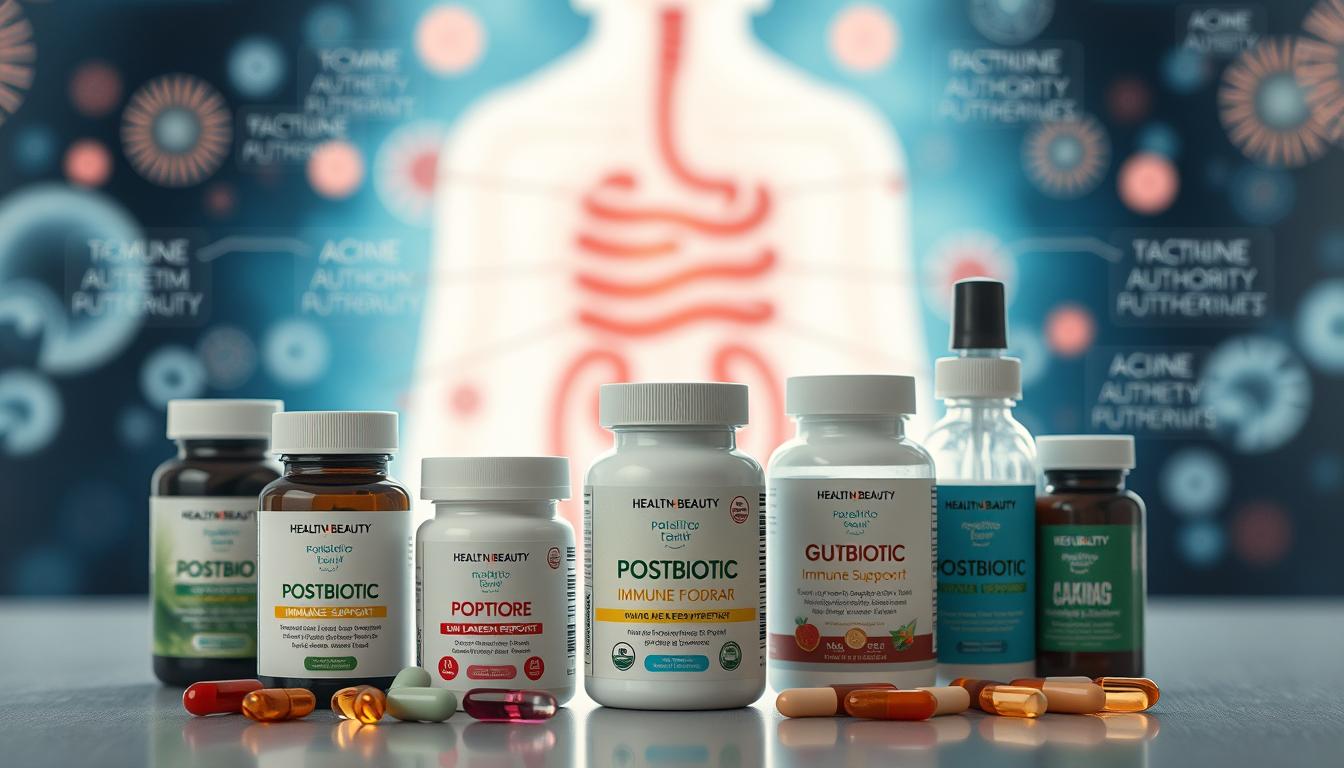
Could the secret to clear skin lie in the gut? Recent research has unveiled a fascinating connection between gut health and skin conditions, particularly acne. The emerging concept of the gut-skin axis suggests that the health of our gut microbiome plays a significant role in skin health.
The use of postbiotics in skincare has gained attention for its potential to revolutionize acne treatment. By harnessing the power of postbiotics, individuals can potentially improve their skin health from the inside out. Understanding this connection is crucial for developing effective skincare strategies.
Key Takeaways
- The gut-skin axis is a crucial connection between gut health and skin conditions.
- Postbiotics are emerging as a revolutionary treatment for acne.
- Improving gut health can have a positive impact on skin health.
- The use of postbiotics in skincare is gaining popularity.
- Understanding the gut-skin axis is key to effective acne treatment.
Understanding the Gut-Skin Connection
Emerging research has unveiled a fascinating connection between the gut microbiome and skin conditions, revolutionizing our approach to skincare. The gut-skin axis represents a complex bidirectional communication network between the gut microbiome and the skin, influencing various physiological processes.
The Science Behind the Gut-Skin Axis
The gut microbiome produces numerous metabolites and signaling molecules that can affect the skin. For instance, certain bacteria in the gut can produce short-chain fatty acids, which have anti-inflammatory properties beneficial for skin health.
How Gut Health Influences Skin Conditions
Gut health plays a crucial role in skin conditions such as acne, psoriasis, and eczema. An imbalance in the gut microbiome, or gut dysbiosis, can lead to increased inflammation and oxidative stress, exacerbating skin issues.
Inflammation Pathways Between Gut and Skin
The gut and skin are connected through various inflammation pathways. When the gut barrier is compromised, it can lead to the release of pro-inflammatory cytokines, which in turn affect the skin, potentially leading to conditions like acne. Understanding these pathways is crucial for developing effective treatments that target the root cause of skin issues, including the benefits of postbiotics for skin health.
Research into the gut-skin axis has opened new avenues for skincare, including the use of postbiotics to modulate the skin microbiome and improve skin health. By understanding and leveraging this connection, we can develop more effective skincare strategies.
The Microbiome Revolution in Skincare
As we dive deeper into the world of skincare, a new revolution is emerging: the microbiome revolution. This shift is transforming the way we understand and approach skin health, moving away from traditional antibacterial methods towards more microbiome-friendly strategies.
From Antibacterial to Microbiome-Friendly Approaches
The traditional approach to skincare often focused on eliminating bacteria, which can disrupt the skin’s natural balance. In contrast, microbiome-friendly approaches aim to support and nurture the beneficial bacteria that are essential for healthy skin.
The Shift in Understanding Skin Health
This new perspective on skin health recognizes the crucial role that beneficial bacteria play in maintaining the skin’s barrier function and overall well-being.
The Role of Beneficial Bacteria
Beneficial bacteria contribute to a healthy skin microbiome by regulating inflammation, producing antimicrobial peptides, and supporting the skin’s natural barrier function.
| Beneficial Bacteria | Functions |
|---|---|
| Lactobacillus | Regulates inflammation, produces antimicrobial peptides |
| Bifidobacterium | Supports skin barrier function, enhances immune response |
| Streptococcus | Maintains skin pH, produces hyaluronic acid |
By embracing this new understanding, skincare products can be designed to work in harmony with the skin’s microbiome, rather than against it. This approach has the potential to revolutionize the way we treat various skin conditions, including acne.
What Are Postbiotics? Defining the Next Frontier
As research into the microbiome advances, postbiotics have emerged as a key player in maintaining both gut and skin health. But what exactly are postbiotics, and how do they differ from other microbiome-related terms?
Prebiotics, Probiotics, and Postbiotics: Understanding the Differences
To understand postbiotics, it’s essential to distinguish them from prebiotics and probiotics. Prebiotics are non-digestible fibers that serve as food for beneficial bacteria, helping them thrive. Probiotics are live, beneficial bacteria that are introduced into the gut to support its health. Postbiotics, on the other hand, are the metabolic byproducts produced by probiotics as they break down prebiotics.
Postbiotics include a variety of compounds such as short-chain fatty acids, peptides, and other metabolites that can have beneficial effects on the body, particularly on the skin.
Types of Postbiotic Compounds
Postbiotic compounds can vary widely depending on the type of probiotic bacteria and the prebiotic substrate. Some of the most well-studied postbiotics include:
- Short-chain fatty acids (SCFAs) like butyrate, which have anti-inflammatory properties.
- Bacterial lysates and cell-free supernatants that contain a mixture of metabolites.
- Postbiotic peptides that can help in strengthening the skin barrier.
How Postbiotics Are Produced
Postbiotics are produced through the fermentation process of prebiotics by probiotic bacteria. This process can occur naturally in the gut or can be replicated in a controlled environment for use in supplements and skincare products. The production involves selecting specific strains of probiotics and prebiotics, fermenting them under optimal conditions, and then harvesting and purifying the resulting postbiotic compounds.
Understanding postbiotics and their production can help in appreciating their potential benefits for skin health, including their anti-inflammatory and antimicrobial properties, which can be harnessed in various postbiotics products for skin.
Postbiotics for Skin: The Science-Backed Benefits
The emergence of postbiotics in skincare has sparked significant interest due to their potential to revolutionize skin health. Postbiotics, derived from the metabolic activity of probiotics, offer a range of benefits that can enhance skin well-being. As we delve into the science-backed advantages of postbiotics, it becomes clear that these compounds are poised to play a crucial role in modern skincare.
How Postbiotics Support Skin Barrier Function
One of the primary ways postbiotics contribute to skin health is by supporting the skin’s barrier function. The skin barrier is crucial for protecting against environmental stressors and preventing moisture loss. Postbiotics help strengthen this barrier by promoting the production of ceramides and other essential lipids, thereby enhancing the skin’s resilience.
Anti-inflammatory Properties of Postbiotics
Postbiotics have been shown to possess potent anti-inflammatory properties, which are vital for reducing redness and irritation in the skin. By mitigating inflammation, postbiotics can help alleviate conditions such as acne, rosacea, and eczema, leading to a more balanced and healthy complexion.
“The use of postbiotics in skincare represents a significant advancement in our ability to manage and prevent skin conditions through a more holistic approach.”
Antimicrobial Effects Without Disrupting Beneficial Bacteria
Unlike traditional antimicrobial treatments that can disrupt the skin’s microbiome, postbiotics offer a targeted approach to controlling pathogenic bacteria without harming beneficial microorganisms. This selective action helps maintain the delicate balance of the skin’s ecosystem, promoting overall skin health.
As research continues to uncover the full potential of postbiotics, their integration into skincare routines is becoming increasingly popular. By harnessing the benefits of postbiotics, individuals can take a proactive approach to enhancing their skin health and addressing a range of dermatological concerns.
The Acne-Gut Connection: Why Traditional Treatments Fall Short
Acne treatment has long been focused on topical solutions, but the gut-skin axis reveals a more intricate issue. The relationship between gut health and skin conditions is complex, and understanding this connection is crucial for effective acne management.
Limitations of Conventional Acne Treatments
Traditional acne treatments often focus on reducing symptoms rather than addressing the root cause. Topical creams and oral antibiotics may provide temporary relief but can lead to antibiotic resistance and disrupt the skin’s natural microbiome. Moreover, these treatments typically don’t consider the role of gut health in acne development.
How Gut Dysbiosis Contributes to Acne Development
Gut dysbiosis, or an imbalance in gut bacteria, can lead to systemic inflammation, which in turn affects the skin. This imbalance can cause an increase in inflammatory markers, contributing to acne formation.
The Inflammatory Cascade in Acne Formation
The inflammatory cascade involves a series of reactions that lead to the manifestation of acne. It starts with gut dysbiosis, leading to increased permeability of the gut lining, allowing toxins to enter the bloodstream and trigger inflammation. This systemic inflammation can then affect the skin, leading to acne.
Understanding the acne-gut connection highlights the potential benefits of postbiotics in skincare. By addressing gut dysbiosis and reducing inflammation, postbiotics can offer a more comprehensive approach to acne treatment.
How Postbiotics Target Acne’s Root Causes
The potential of postbiotics in acne treatment lies in their ability to address the underlying factors that contribute to breakouts. By targeting the root causes of acne, postbiotics offer a comprehensive approach to managing the condition.
Reducing Inflammation and Oxidative Stress
Postbiotics have been shown to possess anti-inflammatory properties, which can help reduce the redness and swelling associated with acne. Additionally, they can combat oxidative stress, a factor that contributes to the development of acne lesions. As noted by experts, “postbiotics can play a crucial role in mitigating the inflammatory processes that drive acne progression.”
Balancing Sebum Production
Another key benefit of postbiotics is their ability to help regulate sebum production. By maintaining a healthy balance of sebum, postbiotics can prevent the clogged pores that often lead to acne. Effective sebum regulation is crucial for preventing acne breakouts.
Strengthening the Skin’s Defense Mechanisms
Postbiotics also contribute to strengthening the skin’s natural barrier function. By enhancing the skin’s defense mechanisms, postbiotics can help protect against environmental stressors and pathogens that may exacerbate acne. As a result, the skin becomes more resilient and better equipped to handle challenges.
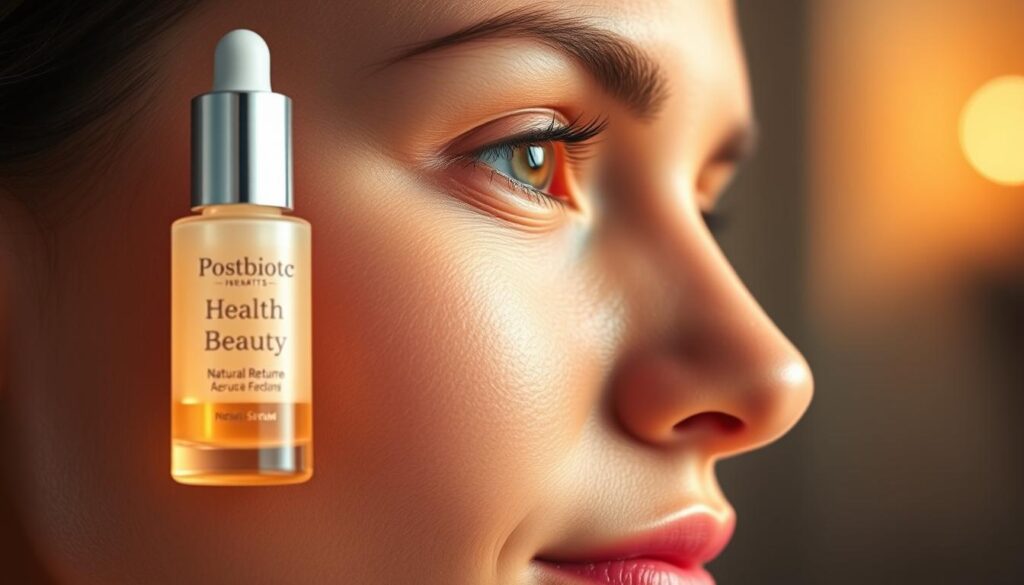
By addressing multiple factors that contribute to acne, postbiotics represent a promising advancement in acne treatment. Their ability to reduce inflammation, balance sebum production, and strengthen the skin’s defense mechanisms makes them a valuable tool in the fight against acne.
Key Postbiotic Ingredients Transforming Acne Care
As research into the gut-skin axis advances, key postbiotic ingredients are coming to the forefront of acne care. The growing understanding of how postbiotics influence skin health has led to the development of targeted skincare solutions.
The exploration of postbiotics in skincare has unveiled a range of compounds that are transforming the approach to acne treatment. These ingredients work synergistically to support skin health and address the root causes of acne.
Short-Chain Fatty Acids (SCFAs)
Short-chain fatty acids, produced through the fermentation of prebiotics by beneficial bacteria, play a crucial role in maintaining skin health. They help in regulating the skin’s pH, reducing inflammation, and improving the skin barrier function. SCFAs are a key component in postbiotic skincare formulations, offering a multi-faceted approach to acne management.
Bacterial Lysates and Cell-Free Supernatants
Bacterial lysates and cell-free supernatants are postbiotic compounds derived from the breakdown of bacterial cells or their metabolic byproducts. These ingredients have been shown to enhance skin barrier function, reduce inflammation, and promote the growth of beneficial skin microbiota. They represent a novel approach to leveraging the benefits of probiotics in skincare.
Postbiotic Peptides and Enzymes
Postbiotic peptides and enzymes are bioactive molecules that contribute to the repair and protection of the skin. They can help in reducing inflammation, enhancing collagen production, and improving skin elasticity. The incorporation of these ingredients into skincare routines can lead to more resilient and healthier-looking skin.
Emerging Postbiotic Compounds in Research
Research is continually uncovering new postbiotic compounds with potential benefits for skin health. These emerging ingredients, including various metabolites and signaling molecules, are being studied for their anti-inflammatory, antimicrobial, and skin-regenerative properties. As our understanding of these compounds grows, so too will their application in innovative skincare products.
Postbiotics vs. Traditional Acne Treatments: A Comparison
As the skincare industry continues to evolve, postbiotics are emerging as a promising alternative to traditional acne treatments. The growing interest in the gut-skin axis has led to a surge in research on the potential benefits of postbiotics for skin health.
Effectiveness Against Different Types of Acne
Postbiotics have shown promise in addressing various types of acne, including mild, moderate, and severe forms. Unlike traditional treatments that often focus on drying out the skin or reducing sebum production, postbiotics work by supporting the skin’s natural barrier function and reducing inflammation.
“Postbiotics offer a more holistic approach to acne treatment, targeting the root causes rather than just the symptoms.” This approach can lead to more sustainable results and improved overall skin health.
Side Effect Profiles and Long-Term Safety
One of the key advantages of postbiotics is their favorable side effect profile compared to traditional acne treatments. Many conventional treatments, such as retinoids and antibiotics, can cause significant side effects, including dryness, irritation, and increased sun sensitivity.
In contrast, postbiotics are generally well-tolerated and can be used in conjunction with other skincare ingredients. However, as with any new skincare ingredient, it’s essential to patch test and monitor for any adverse reactions.
Complementary Approaches for Comprehensive Treatment
Postbiotics can be used in combination with traditional acne treatments to enhance their effectiveness and reduce potential side effects. For example, pairing postbiotics with retinoids may help mitigate the drying effects of retinoids while maintaining their acne-fighting benefits.
By incorporating postbiotics into a comprehensive treatment plan, individuals can potentially achieve better outcomes and improved skin health.
Popular Postbiotic Products for Skin Health
As research on postbiotics advances, more products are emerging to support skin health. The market now offers a variety of postbiotic products, from topical applications to oral supplements, catering to different skin types and needs.
Topical Serums and Moisturizers
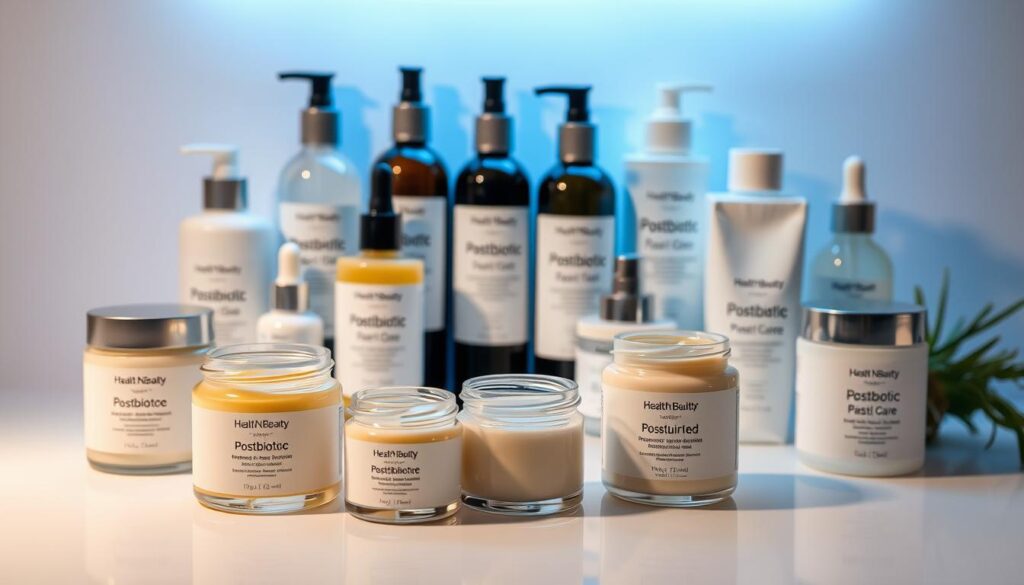
Topical serums and moisturizers infused with postbiotics are gaining popularity for their potential to enhance skin barrier function and reduce inflammation. Brands like Dr. Jart+ and Neogen offer postbiotic serums that aim to soothe and hydrate the skin.
Cleansers and Masks with Postbiotic Technology
Cleansers and masks incorporating postbiotic technology are designed to gently cleanse and nourish the skin. For instance, Glow Recipe’s postbiotic cleanser helps maintain the skin’s natural balance while cleansing.
Oral Supplements Supporting the Gut-Skin Axis
Oral supplements containing postbiotics are becoming increasingly popular for their potential to support the gut-skin axis. These supplements, such as Seed’s DS-1 capsule, aim to promote a healthy gut microbiome, which in turn may benefit the skin.
How to Choose the Right Postbiotic Product
When selecting a postbiotic product, consider your skin type and specific skin concerns. Look for products with clinically tested postbiotic strains and consult with a dermatologist if necessary. Reading product reviews and understanding the product’s formulation can also help in making an informed decision.
By choosing the right postbiotic product, you can potentially enhance your skin health and support your overall wellbeing.
Implementing Postbiotics into Your Skincare Routine
Maximizing the benefits of postbiotics for your skin requires a thoughtful and multi-faceted approach. To effectively integrate postbiotics into your skincare routine, consider the following steps and lifestyle adjustments.
Step-by-Step Integration Guide
Start by introducing postbiotic products gradually into your routine. Begin with a postbiotic serum or moisturizer once a day, and observe how your skin responds. You can then adjust the frequency or combine it with other products for enhanced benefits.
- Cleanse your skin with a gentle, postbiotic-infused cleanser.
- Apply a postbiotic serum to help balance your skin’s microbiome.
- Moisturize with a postbiotic-enriched cream to lock in benefits.
Dietary Approaches to Support Postbiotic Production
A diet rich in fiber can help promote the production of postbiotics in your gut, which in turn benefits your skin. Include fermented foods like yogurt, kefir, and sauerkraut in your diet to support gut health.
Lifestyle Factors That Enhance Postbiotic Benefits
Besides diet, other lifestyle factors can enhance the benefits of postbiotics for your skin. These include:
- Staying hydrated to keep your skin healthy and resilient.
- Managing stress through practices like meditation or yoga.
- Getting adequate sleep to support skin regeneration.
By combining these approaches, you can maximize the benefits of postbiotics for healthier, more resilient skin.
Conclusion: The Future of Postbiotics in Dermatology
The emerging science of postbiotics is transforming the landscape of skincare, particularly in the treatment of acne. By harnessing the power of postbiotics, individuals can potentially revolutionize their skincare routines, leveraging the gut-skin axis to achieve healthier, clearer skin.
Postbiotics for skin offer a promising alternative to traditional acne treatments, addressing the root causes of acne while promoting a balanced skin microbiome. As research continues to uncover the benefits of postbiotics in skincare, we can expect to see innovative products that integrate postbiotic technology, providing more effective and sustainable solutions for acne-prone skin.
With the growing understanding of the complex relationships between gut health, skin health, and postbiotics, the future of dermatology looks bright. By embracing postbiotics, individuals can take a proactive approach to maintaining healthy skin, and skincare professionals can offer more targeted, effective treatments. As the field continues to evolve, we can anticipate even more breakthroughs in postbiotic skincare, empowering individuals to achieve their best skin yet.
FAQ
What are postbiotics and how do they benefit the skin?
Postbiotics are compounds produced by beneficial bacteria, such as short-chain fatty acids, peptides, and other metabolites. They benefit the skin by supporting the skin barrier function, reducing inflammation, and providing antimicrobial effects without disrupting beneficial bacteria, making them a valuable ingredient in skincare products for postbiotics skincare.
How do postbiotics differ from prebiotics and probiotics?
Prebiotics are non-digestible fibers that feed beneficial bacteria, probiotics are live beneficial bacteria, and postbiotics are the compounds produced by these beneficial bacteria. Postbiotics are often more stable and easier to incorporate into skincare products than probiotics, offering a range of benefits of postbiotics for skin health.
Can postbiotics help with acne treatment?
Yes, postbiotics have been shown to help with acne treatment by reducing inflammation, balancing sebum production, and strengthening the skin’s defense mechanisms, making them a promising ingredient in postbiotics products for skin and postbiotics for acne treatment.
Are postbiotics suitable for all skin types?
Postbiotics are generally considered suitable for most skin types, including sensitive skin, as they are often gentle and non-irritating. However, as with any new skincare ingredient, it’s essential to patch test and start with a small concentration to ensure compatibility, especially for those with sensitive skin or concerns about postbiotics and skin microbiome.
How can I incorporate postbiotics into my skincare routine?
You can incorporate postbiotics into your skincare routine by using topical serums, moisturizers, cleansers, or masks that contain postbiotic ingredients. Additionally, maintaining a balanced diet and lifestyle that supports the production of beneficial bacteria can enhance the benefits of postbiotics for healthy skin and overall postbiotics benefits.
What are some common postbiotic ingredients used in skincare?
Common postbiotic ingredients used in skincare include short-chain fatty acids (SCFAs), bacterial lysates, postbiotic peptides, and enzymes. These ingredients can be found in various skincare products, such as serums, moisturizers, and masks, and are known for their ability to improve skin through postbiotics in skincare.
Are there any potential side effects of using postbiotics in skincare?
While postbiotics are generally considered safe and gentle, some individuals may experience mild irritation or allergic reactions to certain postbiotic ingredients. As with any new skincare ingredient, it’s crucial to monitor your skin’s response and adjust your routine accordingly to maintain postbiotics for healthy skin.