
The intricate relationship between skin health, hormone regulation, and sexual wellness is a complex one. Understanding this connection is crucial for overall well-being.
Research has shown that hormonal fluctuations can significantly impact skin health, leading to various skin issues. Moreover, sexual wellness is closely linked to hormonal balance, affecting overall quality of life.
Recognizing the interdependence of these factors can help individuals take a more holistic approach to their health. By addressing hormone regulation, individuals can potentially improve both their skin health and sexual wellness.
Key Takeaways
- Understanding the link between skin health, hormone regulation, and sexual wellness is vital.
- Hormonal fluctuations can impact skin health and sexual wellness.
- A holistic approach to health can improve overall well-being.
- Addressing hormone regulation can benefit skin health and sexual wellness.
- A balanced hormonal state is crucial for overall health.
The Intricate Relationship Between Skin and Hormones
The skin and hormonal system are intricately connected, with changes in hormone levels often reflected in skin health. This complex relationship is fundamental to understanding various skin conditions and their treatment.
How Hormones Regulate Skin Function
Hormones play a crucial role in regulating various aspects of skin function, including sebum production, hydration levels, and skin cell turnover. For instance, androgens like testosterone can stimulate sebum production, potentially leading to oily skin and acne. On the other hand, estrogen helps maintain skin hydration and promotes collagen production, contributing to healthier and more youthful-looking skin.
| Hormone | Effect on Skin |
|---|---|
| Androgens (e.g., Testosterone) | Increases sebum production, potentially leading to acne |
| Estrogen | Maintains hydration, promotes collagen production |
| Cortisol | Can lead to skin thinning and increased sensitivity when elevated |
The Skin as an Endocrine-Responsive Organ
The skin is not just a passive recipient of hormonal signals; it is also an endocrine-responsive organ that can synthesize and respond to various hormones. This bidirectional relationship means that the skin can both influence and be influenced by the endocrine system. For example, the skin produces vitamin D upon sunlight exposure, which is then converted into its active form, calcitriol, acting as a hormone that regulates calcium metabolism and skin cell differentiation.
Understanding this intricate relationship is crucial for developing effective treatments for skin conditions that are influenced by hormonal fluctuations. By recognizing the skin’s role as both a target and a source of hormonal signals, healthcare providers can offer more comprehensive care for patients with skin concerns.
Hormonal Fluctuations Throughout Life and Their Skin Impact
Hormonal fluctuations significantly impact our skin, leading to a range of concerns and conditions at various life stages. These changes can manifest in different ways, from acne and sensitivity to dryness and aging.
Puberty and Adolescent Skin Changes
During puberty, the surge in sex hormones, particularly androgens, stimulates the sebaceous glands, leading to increased sebum production and potentially causing acne. This period is characterized by significant physical changes, and the skin often reflects the turmoil with increased oiliness and susceptibility to breakouts.
Menstrual Cycle Effects on Skin Sensitivity
The menstrual cycle influences skin sensitivity due to the fluctuations in estrogen and progesterone levels. Some women experience premenstrual acne due to the drop in estrogen and the rise in progesterone, which can cause inflammation and increase sebum production.
Pregnancy and Postpartum Skin Alterations
Pregnancy brings about significant hormonal changes, with increased levels of estrogen and progesterone. While these changes can lead to a glowing complexion for some, others may experience melasma (the “mask of pregnancy”) or other skin issues. Postpartum, the skin may undergo further changes as hormone levels readjust.
Menopause and Aging Skin Concerns
During menopause, the decline in estrogen levels leads to decreased collagen production, resulting in thinner, drier skin that is more prone to wrinkles. This stage is also associated with decreased skin elasticity and potentially increased skin sensitivity.
| Life Stage | Hormonal Change | Skin Impact |
|---|---|---|
| Puberty | Increase in androgens | Acne, increased oiliness |
| Menstrual Cycle | Fluctuations in estrogen and progesterone | Sensitivity, premenstrual acne |
| Pregnancy | Increase in estrogen and progesterone | Glowing complexion, melasma |
| Menopause | Decline in estrogen | Dryness, wrinkles, decreased elasticity |
Understanding these hormonal fluctuations and their effects on the skin can help individuals better manage their skin health throughout different life stages.
Skin Irritation, Hormones, and Sexual Health Connections
Understanding the connections between skin irritation, hormonal imbalances, and sexual health is essential for addressing the root causes of these issues. The interplay between these factors can significantly impact an individual’s quality of life, affecting both physical comfort and psychological well-being.
How Hormonal Imbalances Manifest as Skin Problems
Hormonal fluctuations can lead to various skin issues, including acne, dryness, and irritation. These skin problems are not just cosmetic concerns; they can also affect an individual’s self-esteem and overall sense of well-being. For instance, acne caused by hormonal imbalances can be particularly distressing, especially if it occurs during significant life events or milestones.
The manifestation of hormonal imbalances as skin problems can vary widely among individuals. Factors such as stress, diet, and overall health can influence the severity and frequency of these skin issues. Understanding the underlying hormonal causes is crucial for effective management and treatment.
The Bidirectional Relationship Between Skin Health and Sexual Wellness
The connection between skin health and sexual wellness is bidirectional. On one hand, skin conditions can affect an individual’s sexual confidence and intimacy. On the other hand, sexual health issues can impact skin health, particularly in sensitive areas. For example, stress related to sexual health concerns can exacerbate skin conditions like eczema or psoriasis.
Maintaining healthy skin is essential for overall sexual wellness. This includes practicing good skin hygiene, using appropriate products, and managing stress. Conversely, a healthy sexual life can contribute to better skin health by reducing stress and promoting overall well-being.
Gender Differences in Hormone-Skin Interactions
Gender differences play a significant role in how hormonal imbalances affect skin health. For instance, women may experience skin changes during the menstrual cycle or menopause, while men may encounter skin issues related to testosterone levels. Understanding these gender-specific differences is crucial for developing effective treatment plans that address the unique needs of each individual.
By recognizing the interconnections between skin irritation, hormonal imbalances, and sexual health, individuals can take a more holistic approach to managing their overall health. This includes being aware of the potential impacts of hormonal fluctuations on skin health and taking steps to mitigate these effects.
Common Hormone-Related Skin Conditions Affecting Intimate Health
Hormonal fluctuations can lead to various skin conditions that significantly impact intimate health. These conditions can cause discomfort, affect self-esteem, and influence intimate relationships. Understanding these skin conditions is crucial for maintaining overall well-being.
Acne and Its Impact on Physical Intimacy
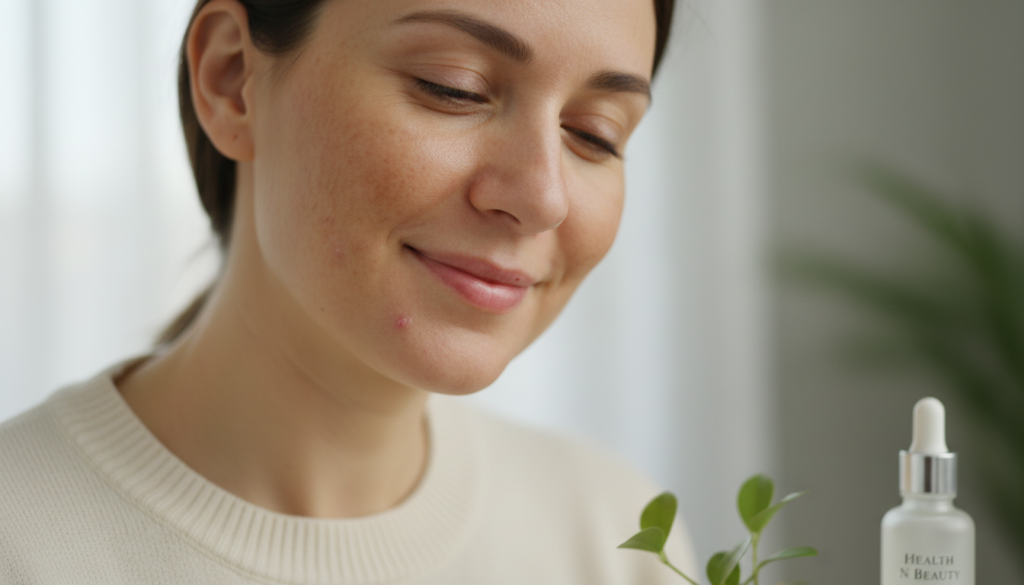
Acne is a common skin condition often linked to hormonal changes, particularly during puberty, menstruation, pregnancy, or menopause. It can cause significant distress, affecting an individual’s confidence and willingness to engage in intimate activities. Effective acne management is key to improving both skin health and intimate well-being.
Eczema in Sensitive Areas
Eczema, or atopic dermatitis, can occur in sensitive areas, causing discomfort and irritation. Hormonal fluctuations can exacerbate eczema symptoms, making intimate activities uncomfortable. Gentle skin care and avoiding irritants can help manage eczema and improve intimate health.
Psoriasis and Intimate Relationships
Psoriasis is a chronic autoimmune condition influenced by hormonal factors, among others. It can affect genital areas, causing discomfort during intimacy. Open communication with partners and healthcare providers is essential for managing psoriasis and maintaining healthy intimate relationships.
Contact Dermatitis from Intimate Products
Contact dermatitis can result from using certain intimate products, leading to irritation and discomfort. Hormonal changes can make the skin more sensitive, increasing the risk of contact dermatitis. Choosing gentle, hypoallergenic products can help prevent this condition and protect intimate health.
By understanding and addressing these hormone-related skin conditions, individuals can take steps to improve their skin health and enhance their intimate well-being. This involves a combination of proper skin care, lifestyle adjustments, and, when necessary, medical treatment.
Sexual Health Implications of Chronic Skin Conditions
Chronic skin conditions can significantly impact an individual’s sexual health, affecting both physical comfort and psychological well-being. These conditions can lead to a range of issues that affect intimacy and overall sexual wellness.
Physical Discomfort During Intimacy
One of the primary concerns for individuals with chronic skin conditions is the physical discomfort experienced during intimacy. Conditions such as eczema, psoriasis, or contact dermatitis can cause pain, itching, or irritation, making sexual activity uncomfortable or even painful. For instance, skin conditions affecting the genital area can lead to discomfort during intercourse, while conditions like psoriasis can cause skin cracking and bleeding, further complicating intimate moments.
Some common issues include:
- Pain or discomfort during sexual activity
- Itching or irritation that worsens with friction or touch
- Skin lesions or rashes in sensitive areas
Psychological Impact on Sexual Confidence and Body Image
Chronic skin conditions not only cause physical discomfort but also have a significant psychological impact. Individuals may feel self-conscious about their skin, leading to decreased sexual confidence and a negative body image. This psychological burden can strain intimate relationships and affect overall sexual wellness.
As noted by a study, “The psychological impact of skin diseases can be profound, affecting not just the individual’s self-esteem but also their intimate relationships.”
This highlights the need for a holistic approach to managing chronic skin conditions, one that addresses both physical symptoms and psychological well-being.
Communication Strategies with Partners About Skin Conditions
Effective communication with partners is crucial for individuals dealing with chronic skin conditions. Being open about the condition, its symptoms, and how it affects intimacy can help in building understanding and support within the relationship. Strategies include:
- Discussing the condition and its impact on sexual activity
- Exploring alternative forms of intimacy that are comfortable
- Seeking professional help together, such as therapy or counseling
By adopting these strategies, individuals with chronic skin conditions can work towards maintaining a healthy and fulfilling sexual relationship despite the challenges they face.
Medical Approaches to Hormone-Related Skin Issues
Effective management of hormone-related skin problems often involves a combination of dermatological and hormonal therapies. Hormonal fluctuations can lead to various skin concerns, including acne, dryness, and sensitivity. Understanding the available medical approaches is crucial for individuals seeking to address these issues.
Dermatological Treatments for Intimate Skin Concerns
Dermatological treatments offer targeted solutions for hormone-related skin issues. These may include:
- Topical creams and ointments to reduce inflammation and combat infections
- Laser therapy to address skin texture and reduce the appearance of scars
- Chemical peels to improve skin tone and reduce hyperpigmentation
These treatments are designed to alleviate symptoms and improve skin health in intimate areas.
Hormonal Therapies and Their Effects on Skin
Hormonal therapies can be highly effective in managing skin issues caused by hormonal imbalances. These therapies may involve:
- Hormone replacement therapy (HRT) to balance estrogen and testosterone levels
- Anti-androgen medications to reduce the effects of male hormones on the skin
- Birth control pills to regulate menstrual cycles and reduce acne
By addressing the underlying hormonal causes, these therapies can lead to significant improvements in skin health.
When to Seek Professional Help
It’s essential to seek professional help if you’re experiencing persistent or severe skin issues. A dermatologist or healthcare provider can offer personalized advice and treatment plans tailored to your specific needs. Don’t hesitate to seek help if you notice:
- Persistent acne or skin irritation
- Unusual changes in skin texture or sensitivity
- Skin issues that impact your quality of life or self-esteem
Early intervention can prevent long-term damage and improve overall skin health.
Daily Skin Care Practices to Enhance Sexual Health
Daily skin care practices play a significant role in enhancing sexual health by ensuring the skin is healthy and resilient. Proper care can reduce discomfort, improve intimacy, and boost confidence. A well-maintained skin care routine is not just about aesthetics; it’s also about health and comfort.
Gentle Cleansing Routines for Intimate Areas
Gentle cleansing is crucial for intimate areas to prevent irritation and maintain natural balance. Using mild, fragrance-free cleansers can help avoid discomfort. It’s also important to cleanse the area correctly, avoiding harsh scrubbing or using hot water, which can strip the skin of its natural oils.
Cleansing Tips:
- Use lukewarm water
- Choose a mild, fragrance-free cleanser
- Avoid scrubbing or using exfoliating gloves in sensitive areas
Choosing Appropriate Products and Ingredients
Selecting the right products is vital for maintaining healthy skin in intimate areas. Look for products labeled as hypoallergenic and fragrance-free to minimize the risk of irritation. Ingredients such as aloe vera and chamomile can be soothing, while harsh chemicals should be avoided.
As Dr. Jane Smith, a dermatologist, notes, “The key to healthy intimate skin is using products that are gentle and free from irritants.” This expert advice underscores the importance of careful product selection.
Potential Irritants to Avoid in Personal Care Products
Certain ingredients in personal care products can cause irritation, especially in intimate areas. Common irritants include fragrances, dyes, and harsh preservatives. Being aware of these potential irritants can help in choosing products that are less likely to cause discomfort.
A study found that products with fewer ingredients tend to cause less irritation. “Simplifying your skin care routine and choosing products with minimal ingredients can significantly reduce the risk of adverse reactions,” according to a report in the Journal of Dermatology.
Holistic Approaches to Balance Hormones and Improve Skin
Holistic approaches offer a comprehensive method to balance hormones and improve skin health. By considering the whole person – body, mind, and spirit – these approaches aim to restore balance and promote overall well-being.

Nutrition and Dietary Considerations
A well-balanced diet rich in whole foods is essential for maintaining hormonal balance and healthy skin. Foods high in omega-3 fatty acids, such as salmon and walnuts, support skin health by reducing inflammation. Additionally, consuming foods rich in antioxidants, like berries and leafy greens, helps protect the skin from oxidative stress.
- Incorporate healthy fats like avocado and olive oil to support hormone production.
- Choose complex carbohydrates such as whole grains to stabilize blood sugar levels.
- Stay hydrated by drinking plenty of water throughout the day.
Stress Management Techniques for Hormonal Balance
Chronic stress can disrupt hormonal balance, leading to skin issues. Practicing stress management techniques can help mitigate this effect. Techniques such as meditation, yoga, and deep breathing exercises are effective in reducing stress levels.
Meditationandyogahave been shown to decrease cortisol levels, thereby supporting hormonal balance.
Exercise Benefits for Hormone Regulation and Skin Health
Regular physical activity is crucial for maintaining hormonal balance and promoting healthy skin. Exercise can help regulate insulin levels, improve circulation, and reduce stress.
- Engage in aerobic exercises like running or cycling to improve cardiovascular health.
- Incorporate strength training to build muscle and boost metabolism.
- Practice flexibility exercises like yoga to enhance flexibility and reduce stress.
Conclusion
The intricate link between skin health, hormone regulation, and sexual wellness underscores the need for a holistic approach to overall well-being. As discussed, hormonal fluctuations significantly impact skin function and, by extension, sexual health. Understanding this complex relationship is crucial for addressing skin-related issues that affect intimacy and overall quality of life.
A comprehensive strategy that includes proper skin care, hormonal balance, and healthy lifestyle choices can greatly enhance skin health and sexual wellness. By adopting gentle cleansing routines, choosing appropriate products, and managing stress, individuals can promote hormone regulation and improve their skin’s condition. This, in turn, can boost confidence and foster a healthier, more fulfilling sexual experience.
By recognizing the interconnection between skin health, hormones, and sexual wellness, individuals can take proactive steps towards achieving a better balance. This balance is key to maintaining healthy, resilient skin and promoting overall sexual health and well-being.
FAQ
How do hormonal changes affect skin health?
Hormonal fluctuations can lead to various skin concerns, such as acne, dryness, or sensitivity, as they impact skin processes like oil production, collagen synthesis, and skin cell turnover.
What are the common skin conditions related to hormonal influences that affect intimate health?
Common hormone-related skin conditions that can impact intimate health include acne, eczema, psoriasis, and contact dermatitis, which can cause discomfort, affect body image, and influence physical intimacy.
How can chronic skin conditions impact sexual health?
Chronic skin conditions can lead to physical discomfort during intimacy, psychological effects on sexual confidence and body image, and strain on intimate relationships, emphasizing the need for open communication with partners.
What are the medical approaches to addressing hormone-related skin issues?
Medical approaches include dermatological treatments for intimate skin concerns, hormonal therapies that can affect skin health, and guidance on when to seek professional help for these issues.
How can daily skin care practices enhance sexual health?
Gentle cleansing routines, choosing appropriate products and ingredients, and avoiding potential irritants in personal care products can all contribute to healthier, more resilient skin, promoting overall well-being and intimacy.
What holistic approaches can help balance hormones and improve skin health?
Nutrition and dietary considerations, stress management techniques, and regular exercise can all play a role in balancing hormones and promoting healthy skin, ultimately supporting overall well-being and sexual health.
Can stress affect hormone-related skin issues?
Yes, stress can impact hormonal balance, which in turn can affect skin health, leading to issues like acne, sensitivity, or other skin concerns, highlighting the importance of stress management.
Are there specific products or ingredients that can help with hormone-related skin issues?
Certain products and ingredients, such as those containing salicylic acid, benzoyl peroxide, or retinoids, can be beneficial for addressing specific skin concerns related to hormonal influences.