

Human connection is a vital aspect of our well-being, and physical touch plays a significant role in this connection. The act of kissing, in particular, has been observed to have a profound impact on our emotional and physical state.
Research has shown that physical touch can have a calming effect, reducing stress and anxiety by releasing oxytocin, often referred to as the “love hormone.” This natural response highlights the intricate relationship between physical affection and our mental health.
As we explore the science behind this phenomenon, it becomes clear that understanding the mechanisms of touch and kissing can provide valuable insights into stress reduction techniques.
Key Takeaways
- Physical touch has a significant impact on stress reduction.
- Kissing releases oxytocin, promoting a sense of calm.
- The science of touch is closely linked to emotional well-being.
- Understanding touch and kissing can inform stress management strategies.
- Physical affection plays a crucial role in mental health.
The Biological Foundations of Human Touch
The biological basis of touch is complex, involving a network of receptors and neural pathways that interpret physical contact. This intricate system allows us to perceive and respond to our environment in a meaningful way.
The Skin as a Sensory Organ
Our skin is the largest organ and serves as the primary interface for touch. It contains a variety of sensory receptors that detect different types of stimuli, such as pressure, temperature, and vibration. These receptors are crucial for our ability to feel and interpret touch.
Touch Receptors and Neural Pathways
Touch receptors in the skin send signals through neural pathways to the brain, where they are interpreted. There are several types of touch receptors, including mechanoreceptors, thermoreceptors, and nociceptors, each sensitive to different stimuli. The neural pathways involved in processing touch are complex, involving multiple brain regions.
Evolutionary Purpose of Physical Contact
Physical contact has played a crucial role in human evolution, serving purposes beyond mere sensation. It is vital for bonding, comfort, and even survival. For example, touch between a mother and her infant promotes bonding and has been shown to have positive effects on the infant’s development.
The evolutionary purpose of touch is multifaceted, influencing both our physical and emotional well-being. By understanding the biological foundations of touch, we can better appreciate its significance in our lives.
The Science Behind Touch, Kissing, and Stress Reduction
The intricate relationship between touch, kissing, and stress reduction has garnered significant attention in scientific research. Touch and kissing are not just expressions of affection; they have physiological effects that can significantly reduce stress.
Hormonal Responses to Physical Contact
Physical contact triggers the release of various hormones that play a crucial role in stress reduction. One of the primary hormonal responses is the release of oxytocin, often referred to as the “love hormone,” which is associated with feelings of bonding and relaxation. Oxytocin levels have been shown to increase during physical touch and kissing, contributing to reduced stress levels.
The Neuroscience of Touch and Kissing
The neuroscience behind touch and kissing involves complex neural pathways. Touch receptors in the skin send signals to the brain, which interprets these signals, releasing neurotransmitters that can affect mood and stress levels. The brain’s response to touch and kissing can lead to a decrease in stress-related neural activity.
Measuring Physiological Stress Responses
Physiological stress responses can be measured through various indicators, including blood pressure, heart rate, and cortisol levels. These measurements provide insight into how touch and kissing affect stress.
Blood Pressure and Heart Rate Changes
Studies have shown that physical touch can lead to a decrease in blood pressure and heart rate, indicating a reduction in stress. Regular physical contact has been associated with lower baseline blood pressure and heart rate, suggesting a long-term stress reduction effect.
Cortisol Level Reduction
Cortisol is a hormone released in response to stress. Research has indicated that touch and kissing can lead to a reduction in cortisol levels, thereby reducing stress. Lower cortisol levels are associated with decreased stress and anxiety.
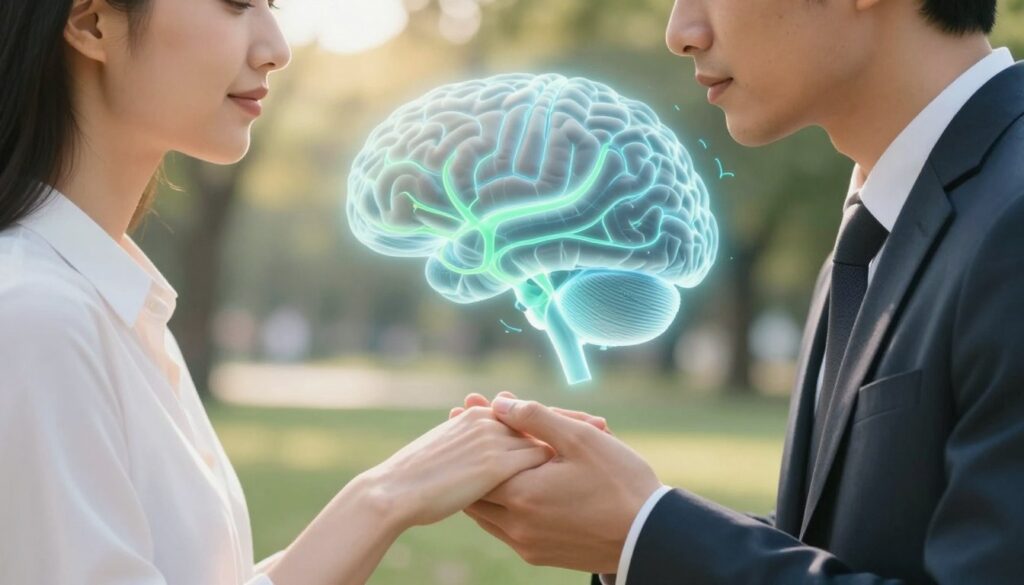
In conclusion, the science behind touch, kissing, and stress reduction is multifaceted, involving hormonal responses, neural pathways, and physiological indicators. Understanding these mechanisms can provide insights into the importance of physical contact in managing stress.
Oxytocin: The “Love Hormone” and Its Effects
Understanding oxytocin’s effects on human relationships and stress management is essential for appreciating the science behind touch and kissing. Oxytocin, often referred to as the “love hormone,” is released during social bonding activities, including touch and kissing, influencing our emotional well-being.
How Touch Triggers Oxytocin Release
Physical touch stimulates the release of oxytocin, promoting feelings of attachment and relaxation. This hormonal response is crucial for bonding and has been observed in various forms of physical contact, from romantic kissing to maternal touch.
Oxytocin’s Role in Bonding and Trust
Oxytocin plays a significant role in fostering trust and bonding between individuals. Studies have shown that oxytocin levels increase during social interactions that involve touch, enhancing the emotional connection between people.
Research on Oxytocin and Stress Reduction
Research has indicated that oxytocin has a stress-reducing effect, promoting relaxation and reducing anxiety. This is particularly relevant in the context of physical touch and its impact on mental health.
Clinical Studies and Findings
Clinical studies have provided valuable insights into oxytocin’s effects on human behavior and stress management. The following table summarizes key findings from recent research:
| Study | Findings |
|---|---|
| Study on Oxytocin and Bonding | Oxytocin levels were higher in couples who reported stronger emotional bonds. |
| Research on Oxytocin and Stress | Participants who received oxytocin nasal spray showed reduced stress responses. |

The evidence suggests that oxytocin is a critical component in the complex interplay between physical touch, emotional bonding, and stress reduction. Further research into oxytocin’s effects will continue to illuminate its role in human relationships and well-being.
Endorphins and Serotonin: The Feel-Good Chemicals
When we engage in physical contact, our body responds by releasing endorphins and serotonin, chemicals that play a significant role in mood regulation. This natural response is crucial for understanding how touch can impact our mental wellbeing.
Stimulating Endorphin Production
Physical contact stimulates the production of endorphins, which are natural painkillers that promote feelings of happiness and relaxation. This process occurs because touch activates the brain’s opioid receptors, leading to an increase in endorphin release.
Serotonin’s Role in Mood Regulation
Serotonin is another crucial chemical affected by physical touch. It plays a significant role in mood regulation, appetite, and sleep. When serotonin levels are balanced, individuals are less likely to experience depression and anxiety.
The Connection to Stress Relief
The release of endorphins and serotonin during physical contact is directly linked to stress relief. These chemicals help mitigate the body’s stress response, promoting a sense of calm and wellbeing.
Long-term Benefits for Mental Health
The consistent release of endorphins and serotonin through regular physical contact can have long-term benefits for mental health. It can lead to improved mood regulation, reduced stress levels, and enhanced overall wellbeing.
| Chemical | Function | Impact of Physical Contact |
|---|---|---|
| Endorphins | Natural painkillers, promote happiness | Increased production |
| Serotonin | Mood regulation, appetite, sleep | Balanced levels |

By understanding the role of endorphins and serotonin in response to physical contact, we can better appreciate the importance of touch in maintaining our mental health and wellbeing.
Touch Across Different Relationships
Touch is a fundamental aspect of human interaction, manifesting differently in romantic, familial, platonic, and professional contexts. The way we touch and are touched by others varies significantly across these different relationships, influencing our emotional and physical well-being.
Romantic Touch and Its Unique Benefits
Romantic touch is characterized by intimacy and affection, playing a crucial role in bonding between partners. It has been shown to reduce stress and increase feelings of love and attachment. Physical contact in romantic relationships fosters a sense of security and togetherness.
“The skin is the largest organ of the body, and it’s through touch that we experience the world around us in the most intimate way.”
Familial Touch and Developmental Importance
Familial touch is essential for development, particularly in early childhood. It influences attachment styles and emotional regulation. Parents’ touch can soothe, comfort, and reassure children, laying the foundation for healthy emotional development.
Platonic Touch and Social Bonding
Platonic touch, such as hugging or holding hands among friends, strengthens social bonds and promotes a sense of belonging. It is a vital component of social interaction, contributing to emotional support and well-being.
| Type of Touch | Context | Benefits |
|---|---|---|
| Romantic | Intimate relationships | Reduces stress, increases feelings of love |
| Familial | Family interactions | Essential for development, emotional regulation |
| Platonic | Friendships | Strengthens social bonds, promotes belonging |
| Professional | Therapeutic settings | Reduces anxiety, promotes healing |
Professional Touch in Therapeutic Settings
Professional touch, as seen in massage therapy or physical therapy, is used to promote healing, reduce pain, and alleviate anxiety. It is a critical component of certain therapeutic practices, providing numerous physical and emotional benefits.

In conclusion, touch plays a multifaceted role across different types of relationships, each with its unique benefits and significance. Understanding the importance of touch can help us foster healthier, more meaningful connections with others.
The Unique Benefits of Kissing
Kissing, a seemingly simple act, encompasses a range of biological and psychological responses that are crucial for human bonding. This intimate behavior is not only a display of affection but also has various physiological effects that contribute to overall wellbeing.
Chemical Exchanges During Kissing
When individuals kiss, they exchange a multitude of chemicals, including bacteria, hormones, and other biological molecules. This exchange can potentially strengthen the immune system by exposing individuals to a diverse range of microorganisms. Moreover, kissing triggers the release of various hormones, including oxytocin and dopamine, which are associated with feelings of pleasure and bonding.
Cardiovascular Effects of Kissing
Kissing has been found to have positive effects on cardiovascular health. Research indicates that regular kissing can lead to lower blood pressure and a reduced risk of heart disease. The act of kissing can also increase heart rate, which may improve cardiovascular function over time. Some studies suggest that the cardiovascular benefits of kissing may be comparable to those achieved through regular exercise.

Immune System Responses to Kissing
The exchange of saliva during kissing can expose individuals to a variety of microorganisms, potentially enhancing immune function. This exposure can help to strengthen the immune system by promoting the production of antibodies. Furthermore, the stress-reducing effects of kissing may also contribute to improved immune function, as chronic stress is known to suppress immune responses.
Stress Reduction Through Partner Kissing
Kissing between partners can be an effective means of reducing stress. The release of oxytocin and other hormones during kissing can promote feelings of relaxation and reduce anxiety. Regular kissing has been linked to lower levels of cortisol, the primary stress hormone, thereby contributing to overall stress reduction. Some key benefits of kissing for stress reduction include:
- Reduced cortisol levels
- Increased feelings of relaxation
- Enhanced emotional bonding
In conclusion, kissing offers a range of unique benefits, from chemical exchanges that can strengthen the immune system to cardiovascular effects that improve heart health. The act of kissing also plays a significant role in stress reduction, making it a valuable component of intimate relationships.
Touch Therapies and Scientific Evidence
Recent studies have underscored the importance of touch in therapeutic settings, highlighting its role in stress management and relaxation. As the body of research grows, various touch therapies are being recognized for their potential benefits in reducing stress and promoting overall wellbeing.
Massage Therapy and Stress Reduction
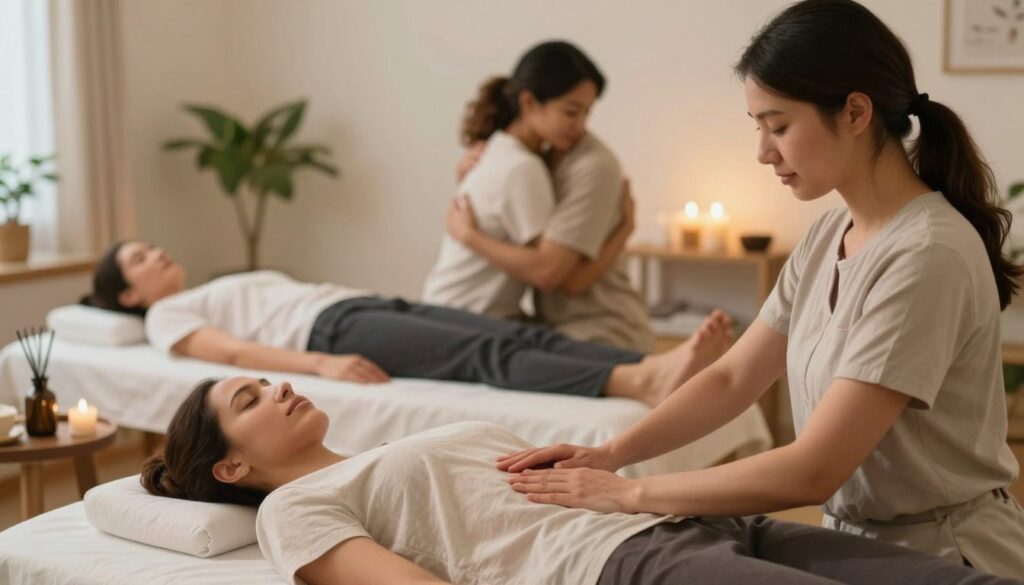
Massage therapy is one of the most widely practiced touch therapies, known for its ability to reduce muscle tension and promote relaxation. Studies have shown that regular massage can lower cortisol levels, reduce anxiety, and improve sleep quality. The mechanisms behind these benefits are thought to involve the stimulation of touch receptors, which can lead to a cascade of neurological and hormonal responses that promote relaxation.
Acupressure and Traditional Touch Practices
Acupressure, a technique derived from traditional Chinese medicine, involves applying pressure to specific points on the body to promote health and wellbeing. Research has indicated that acupressure can be effective in reducing stress and anxiety, improving mood, and enhancing overall quality of life. Like massage, acupressure stimulates touch receptors, potentially triggering similar beneficial responses.
Controlled Studies on Touch Interventions
The effectiveness of touch therapies is being increasingly validated through controlled studies. These studies typically involve comparing outcomes between groups receiving touch therapy and those receiving standard care or placebo interventions.
Measuring Effectiveness in Clinical Settings
In clinical settings, the effectiveness of touch therapies is measured using a variety of outcomes, including physiological markers like heart rate and blood pressure, as well as self-reported measures of stress and wellbeing.
“The integration of touch therapies into healthcare practices represents a significant shift towards more holistic and patient-centered care,” notes a recent review on the subject.
By rigorously testing these interventions, researchers can better understand their potential benefits and how they can be best utilized to support patient health.
As the evidence base for touch therapies continues to grow, healthcare providers are increasingly incorporating these practices into treatment plans. This not only reflects a growing recognition of the importance of touch in health and wellbeing but also underscores the potential for touch therapies to play a significant role in stress management and overall healthcare.
Implementing Touch for Stress Management
Touch is a powerful tool that can be harnessed for effective stress management. By incorporating various touch practices into daily life, individuals can significantly reduce their stress levels and enhance their overall wellbeing.
Everyday Touch Practices for Wellbeing
Incorporating touch into daily routines can be simple and beneficial. Everyday touch practices such as hugging, holding hands, or giving massages can foster a sense of connection and calm. For instance, starting the day with a gentle hug or a reassuring touch on the shoulder can set a positive tone.
According to a study published in the Journal of Social and Personal Relationships, physical touch can significantly reduce stress and anxiety. The study found that individuals who received more physical touch reported lower levels of cortisol, the primary stress hormone.
Partner-Based Touch Exercises
Partner-based touch exercises
can deepen emotional connections and provide mutual stress relief. Techniques such as partner massage, holding, or simply sitting together can be highly effective. These practices not only reduce stress but also strengthen the bond between partners.
“The skin is the largest organ of the body and is highly responsive to touch. When we engage in physical contact with our partners, it stimulates the release of oxytocin, often referred to as the ‘love hormone,’ which promotes feelings of attachment and relaxation.”
Self-Touch Techniques for Stress Relief
Self-touch techniques offer a convenient and effective way to manage stress, especially when other forms of touch are not available. Practices such as self-massage, gentle stroking of the arms or face, or even simply placing a hand on the heart can provide comfort and reduce tension.

Developing a personal touch routine involves identifying the most comforting and effective touch practices for individual needs. This could include setting aside time each day for self-touch, scheduling regular massages, or simply being more mindful of opportunities for positive touch in daily interactions.
| Touch Practice | Benefits |
|---|---|
| Hugging | Reduces stress, fosters connection |
| Partner Massage | Relieves tension, strengthens bond |
| Self-Massage | Convenient stress relief, promotes relaxation |
By integrating these touch practices into daily life, individuals can create a robust stress management strategy that enhances their overall wellbeing.
Conclusion
Human touch is a vital component of our emotional and physical wellbeing. In today’s fast-paced world, where stress and anxiety are increasingly prevalent, understanding the science behind touch and its benefits is more crucial than ever.
A summary of findings from this article reveals that touch and kissing play a significant role in stress reduction. The release of oxytocin, endorphins, and serotonin during physical contact helps to alleviate stress and promote feelings of relaxation and bonding.
The importance of touch in stress reduction cannot be overstated. By incorporating touch into our daily lives, whether through romantic relationships, familial bonds, or even self-touch techniques, we can harness its power to improve our mental and physical health.
As we continue to navigate the challenges of modern life, it is essential to recognize the value of human touch and make it a priority in our lives. By doing so, we can cultivate stronger relationships, reduce stress, and promote overall wellbeing.
FAQ
What is the role of oxytocin in stress reduction?
Oxytocin, often referred to as the “love hormone,” plays a significant role in stress reduction by promoting feelings of bonding and trust. It is released during physical contact, including touch and kissing, and has been shown to have a positive impact on stress management.
How does touch affect stress levels?
Touch has been shown to reduce stress levels by stimulating the release of hormones such as oxytocin and endorphins, which promote feelings of relaxation and wellbeing. Physical contact can also lower cortisol levels, blood pressure, and heart rate, all indicators of stress.
What are the benefits of kissing for stress reduction?
Kissing can lead to stress reduction by stimulating the release of oxytocin and endorphins, and by promoting feelings of intimacy and bonding. Kissing can also lower cortisol levels and blood pressure, contributing to an overall reduction in stress.
Can touch therapies such as massage reduce stress?
Yes, touch therapies like massage have been shown to be effective in reducing stress by promoting relaxation, lowering cortisol levels, and improving mood. Massage therapy can also reduce symptoms of anxiety and depression.
How can I incorporate touch into my daily routine for stress management?
You can incorporate touch into your daily routine by practicing self-touch techniques, such as self-massage or gentle stroking, or by engaging in partner-based touch exercises, like massage or holding hands. Everyday touch practices, such as hugging or cuddling, can also be beneficial.
What is the connection between endorphins, serotonin, and stress relief?
Endorphins and serotonin are neurotransmitters that play a crucial role in stress relief. Endorphins are released during physical contact and promote feelings of relaxation and wellbeing, while serotonin helps regulate mood. Both contribute to reduced stress levels and improved mental health.
How does physical contact stimulate endorphin production?
Physical contact stimulates endorphin production by activating the release of these neurotransmitters in response to touch. This can lead to feelings of relaxation, reduced pain, and improved mood, all of which contribute to stress relief.