
A staggering 70% of chronic diseases can be prevented or managed through dietary changes, according to the World Health Organization.
One effective way to achieve this is by incorporating nutrient-dense foods into your diet. These foods, often referred to as superfoods, are packed with vitamins, minerals, and antioxidants. They can have a significant impact on our overall health.
By understanding what makes these foods so beneficial, we can make informed choices about our diet. This can potentially reduce the risk of chronic diseases.
Key Takeaways
- Nutrient-dense foods can help prevent chronic diseases.
- Superfoods are rich in vitamins, minerals, and antioxidants.
- Incorporating superfoods into your diet can have a significant health impact.
- A balanced diet is key for overall health and wellbeing.
- Making informed dietary choices can reduce chronic disease risk.
What Are Superfoods?
In the world of nutrition, some foods are packed with nutrients and called superfoods. They are called “super” because they have lots of vitamins, minerals, and antioxidants. These can help keep you healthy when eaten as part of a balanced diet.
Understanding the Term
The term ‘superfood’ is not a real scientific term. It’s a marketing word for foods that are very nutritious. Superfoods are full of antioxidants, fiber, and other nutrients that fight off diseases like heart disease and cancer.
Some common superfoods are:
- Berries like blueberries and strawberries
- Leafy greens like kale and spinach
- Nuts and seeds, including almonds and chia seeds
- Fatty fish, which are high in omega-3 fatty acids
Nutrient Density Explained
Nutrient density means how much good stuff is in a food compared to its calories. Foods that are nutrient-dense have lots of vitamins and minerals but not many calories. Nutrient-dense foods are key for staying healthy because they help your body work right and prevent sickness.
Understanding nutrient density helps us see why superfoods are good for us. For example:
| Food | Nutrient Content | Calorie Content |
|---|---|---|
| Kale | Rich in vitamins A, C, and K | Low |
| Blueberries | High in antioxidants and fiber | Moderate |
| Quinoa | Complete protein, rich in minerals | Moderate |
Eating these nutrient-dense superfoods can boost your nutrition and health.
The Importance of Nutritional Diversity
Nutritional diversity is key to a healthy diet. It gives the body a wide range of essential nutrients. Eating a variety of foods ensures you get all the vitamins, minerals, and nutrients needed for optimal health.
Balancing Your Diet
A balanced diet is vital for good health. Adding superfoods for health to your meals boosts nutritional value. These foods are packed with antioxidants, fiber, and other nutrients that help your body function well.
- Eat a variety of colorful vegetables and fruits for a wide range of vitamins and minerals.
- Choose lean proteins and whole grains to support muscle health and energy.
- Add healthy fats, like those in nuts and seeds, for heart health.
Benefits of Variety
Having a diverse diet offers many benefits. It ensures you get all the nutrients you need and keeps your energy up all day. Best superfoods for energy, like bananas and nuts, are great for breakfast or a snack before working out.
- Enhanced Energy Levels: Foods rich in iron and B vitamins fight fatigue.
- Improved Heart Health: Eating foods high in omega-3 fatty acids, like salmon, is good for your heart.
- Better Digestive Health: A diet full of fiber from foods like chia seeds and kale helps digestion.
By understanding the importance of nutritional diversity and adding a variety of superfoods to your diet, you can greatly improve your health and well-being.
Top Superfoods to Include in Your Diet
To boost your health, it’s vital to know which superfoods offer the most benefits. They are known for their dense nutritional profiles. Certain foods stand out for their exceptional value.
Blueberries and Their Antioxidants
Blueberries are a powerhouse of antioxidants. They play a key role in combating free radicals in the body. This can lead to improved skin health by reducing oxidative stress and inflammation. Rich in vitamins C and K, blueberries support overall health and can be easily added to your diet through smoothies, oatmeal, or as a snack.
Quinoa: A Complete Protein
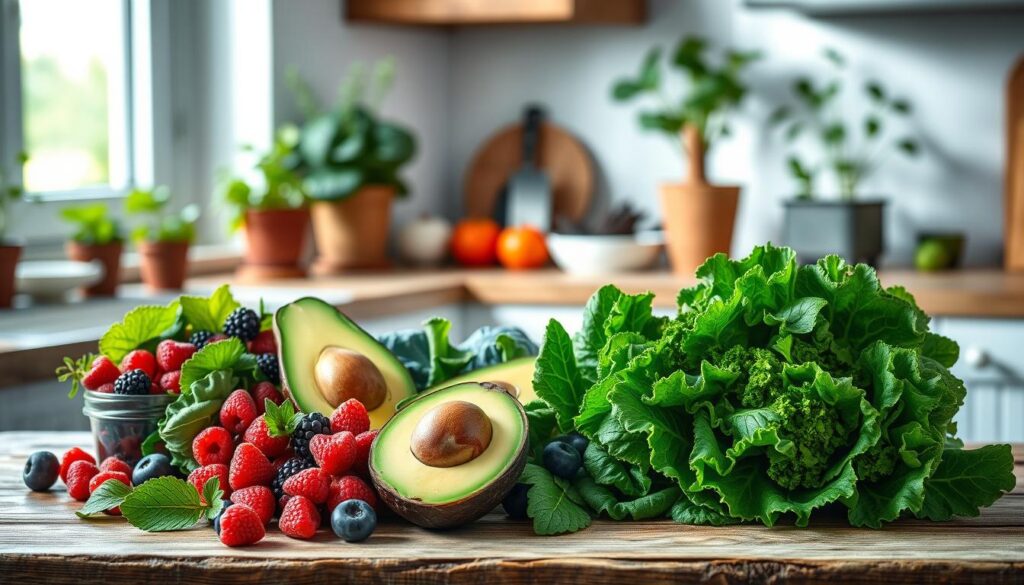
Quinoa is a complete protein, meaning it contains all nine essential amino acids. This makes it an excellent choice for vegetarians and vegans. Quinoa supports weight loss by providing a feeling of fullness and is rich in fiber, iron, and magnesium.
Kale: The Nutrient Powerhouse
Kale is often cited as one of the healthiest foods. It’s high in vitamins A, C, and K, as well as minerals like calcium and potassium. Kale supports eye health and can help reduce inflammation, making it beneficial for overall well-being. It’s versatile and can be used in salads, smoothies, or sautéed as a side dish.
Chia Seeds: Tiny Seeds, Big Impact
Chia seeds are tiny nutritional powerhouses. They are rich in omega-3 fatty acids, fiber, and protein. They support heart health and can aid in weight loss by promoting a feeling of fullness. Chia seeds can be easily incorporated into your diet by adding them to yogurt, oatmeal, or using them as an egg substitute in baking.
By incorporating these superfoods into your diet, you can enhance your nutritional intake. They support weight loss and improve skin health. The key is to vary your diet and find creative ways to include these nutrient-dense foods in your daily meals.
The Health Benefits of Berries
Berries are packed with antioxidants and nutrients, making them key for health. They are superfoods for immunity because of their vitamins, minerals, and antioxidants. These help boost the immune system.
Berries are known for their antioxidant properties. These compounds fight oxidative stress, which can cause chronic diseases. Strawberries and raspberries are among the best berries for health.
Antioxidants in Strawberries
Strawberries are full of antioxidants like vitamin C and ellagic acid. These help fight inflammation and improve health. They can also protect against heart disease and some cancers.
The Role of Raspberries in Heart Health
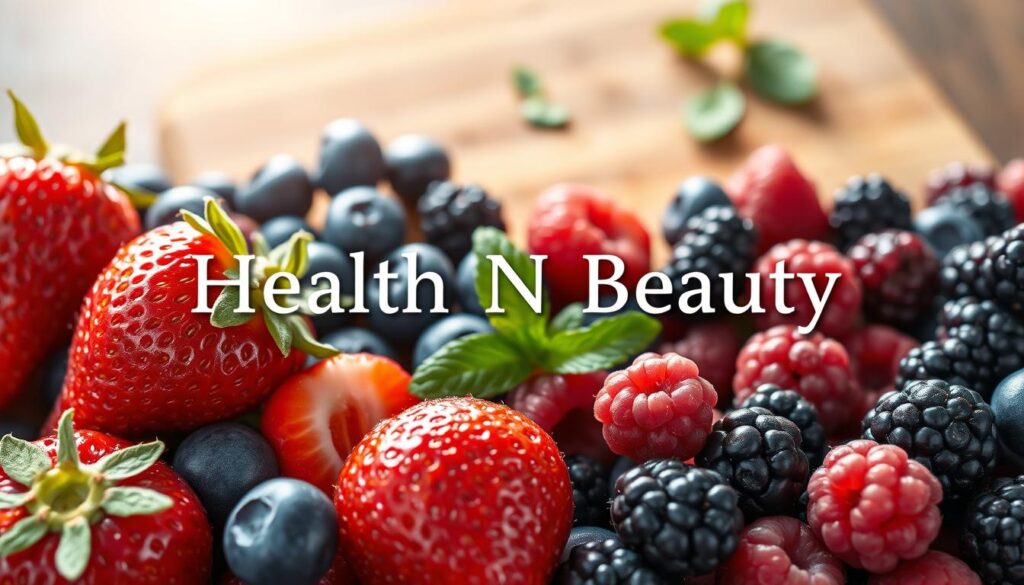
Raspberries are packed with fiber, manganese, and antioxidants. They are great for a heart-healthy diet. The fiber in raspberries can lower cholesterol, and their antioxidants may improve heart health.
The table below shows the nutritional benefits of strawberries and raspberries:
| Nutrient | Strawberries | Raspberries |
|---|---|---|
| Vitamin C | 150% DV per cup | 50% DV per cup |
| Dietary Fiber | 3g per cup | 4g per cup |
| Antioxidant Capacity | High | Very High |
Eating strawberries and raspberries can boost your health. They are tasty and nutritious, supporting immune function and heart health. Enjoy them fresh, frozen, or in recipes.
Green Superfoods and Their Magic
Green superfoods are becoming more popular for their health benefits. They are packed with vitamins and minerals. These foods can improve your overall health and well-being.
Spinach and spirulina are two green superfoods that stand out. They are full of nutrients that can boost your health when eaten as part of a balanced diet.
Spinach: A Versatile Leafy Green
Spinach is a leafy green that’s known for its nutritional value. It’s rich in iron, calcium, and vitamins A and K. It’s great in salads, smoothies, and cooked meals. The antioxidants in spinach, like lutein and zeaxanthin, are good for your eyes.
Nutritional Highlights of Spinach:
| Nutrient | Amount per 100g |
|---|---|
| Iron | 2.5 mg |
| Calcium | 30 mg |
| Vitamin A | 469 µg |
| Vitamin K | 540 µg |
Spirulina: A Nutrient-Rich Algae
Spirulina is a type of algae that’s rich in protein, vitamins, and minerals. It’s known for its antioxidants and anti-inflammatory properties. You can take it as a powder, add it to smoothies, or take it as a supplement.
The Benefits of Spirulina:
- High in protein, making it an excellent option for vegetarians and vegans.
- Rich in antioxidants that help protect against oxidative stress.
- May help reduce inflammation and improve overall health.
Both spinach and spirulina are powerful green superfoods. They can greatly improve your diet’s nutrition. Adding these foods to your meals can offer many health benefits, from better eye health to overall well-being.
The Role of Superfoods in Disease Prevention
Superfoods are great for preventing diseases because they are full of nutrients. They have antioxidants, vitamins, and minerals that protect our bodies. This helps us fight off many diseases.
These foods are also good at reducing inflammation and boosting our immune system. Both are key to staying healthy.
Fighting Inflammation
Chronic inflammation can lead to serious diseases like heart disease and diabetes. Some superfoods have anti-inflammatory properties. They can help lower this risk.
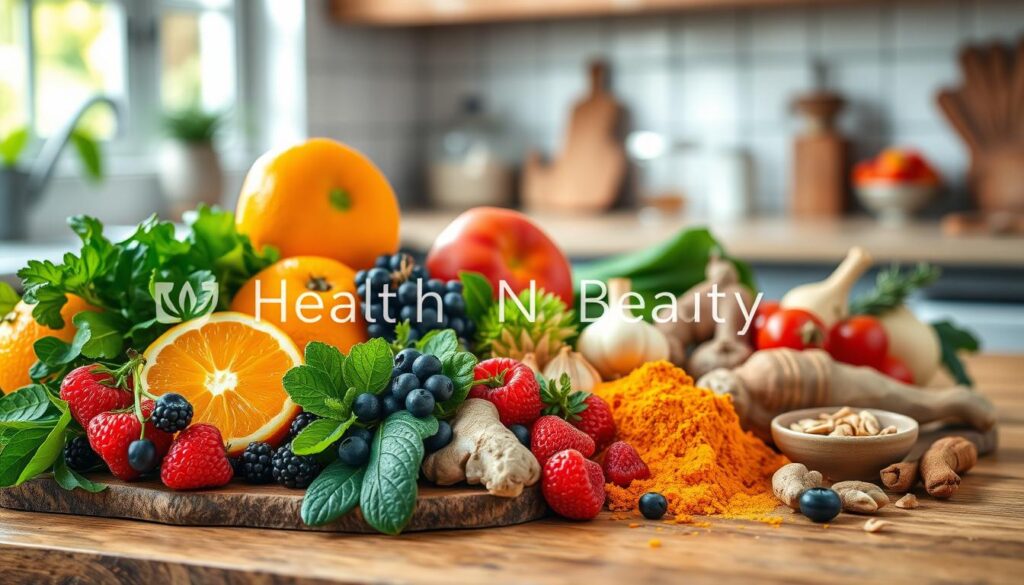
- Turmeric: Contains curcumin, a powerful anti-inflammatory compound.
- Ginger: Has anti-inflammatory properties that can help reduce pain and inflammation.
- Fatty Fish: Rich in omega-3 fatty acids, which are known to reduce inflammation.
Boosting Immune Function
A strong immune system is vital for fighting infections and diseases. Some superfoods can boost our immune function.
| Superfood | Immune-Boosting Property |
|---|---|
| Elderberries | Rich in antioxidants and vitamins that support immune function. |
| Garlic | Contains compounds that have been shown to boost the immune system. |
| Mushrooms (Reishi, Shiitake) | Known for their immune-enhancing properties. |
Eating these superfoods can help strengthen your immune system. It’s a smart way to improve your health.
Superfoods for Digestive Health
A healthy gut is key to a strong immune system. Certain superfoods can boost digestive health. Adding these foods to your diet can improve your overall well-being.
Probiotics and Fermented Foods
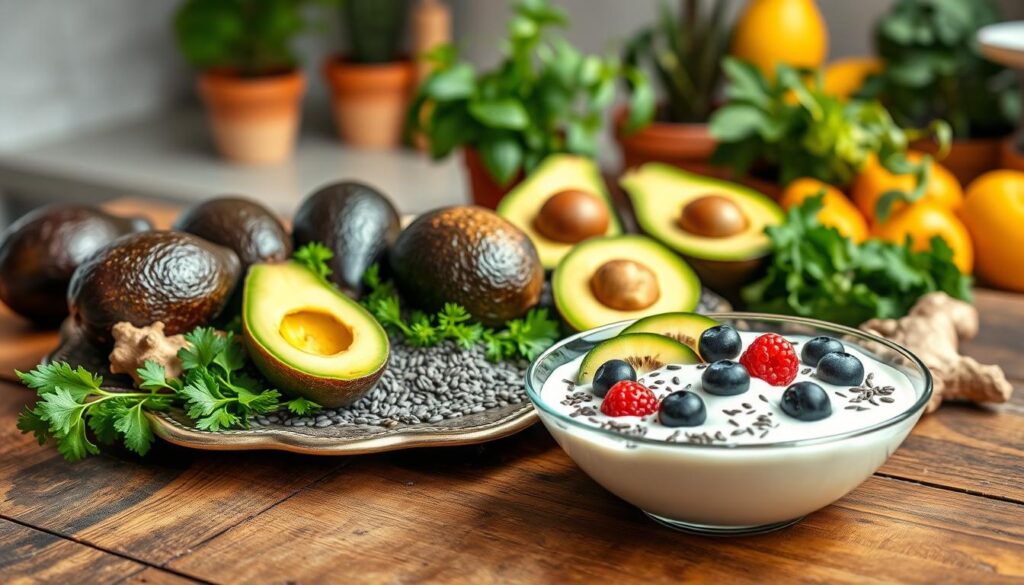
Probiotics are good bacteria and yeasts that help your digestive system. Fermented foods like yogurt, sauerkraut, and kimchi are full of probiotics. They keep your gut microbiota in balance, supporting a healthy digestive system.
“The gut microbiota plays a critical role in our overall health, affecting digestion and mood.” – Dr. Emeran Mayer, renowned gastroenterologist.
It’s easy to add probiotic-rich foods to your diet. Just have a cup of yogurt a day or add sauerkraut to your meals.
Fiber-Rich Options
Fiber-rich foods keep your digestive system healthy. They help with regular bowel movements and prevent constipation. Chia seeds and flaxseeds are great sources of fiber. You can add them to smoothies or oatmeal.
| Fiber-Rich Superfood | Fiber Content per Serving | Health Benefit |
|---|---|---|
| Chia Seeds | 10g per ounce | Promotes regular bowel movements |
| Flaxseeds | 8g per ounce | Supports healthy gut bacteria |
Adding these superfoods to your diet can greatly improve your digestive health.
Energizing Superfoods for Active Lifestyles
Superfoods are key for boosting energy and meeting the needs of an active life. They are vital for athletes and fitness lovers alike. The right food helps improve performance and aids in recovery.
Nut Butters and Energy
Nut butters like peanut butter, almond butter, and cashew butter are tasty and full of nutrients. They give lasting energy. They’re rich in healthy fats and protein, making them great for a pre-workout snack or after.
Nut butters offer several benefits:
- They are high in healthy fats that support heart health.
- They contain protein that helps in muscle repair and recovery.
- They are rich in fiber, which aids in digestion and satiety.
Choosing natural nut butters without added sugars or hydrogenated oils is key to get their health benefits. You can enjoy them on whole-grain toast, in smoothies, or as a fruit dip.
Bananas for Quick Fuel
Bananas are a superfood that’s easy to find and great for the active. They give quick energy because of their high carbs.
The benefits of bananas include:
- They are rich in potassium, an essential mineral that helps prevent muscle cramps.
- They contain vitamins C and B6, which support immune function and energy metabolism.
- They are easy to consume on the go, making them a perfect snack for busy lifestyles.
You can enjoy bananas in many ways. Eat them as a snack, blend them into smoothies, or freeze and blend into creamy “nice” cream.
Adding these superfoods to your diet boosts energy and supports an active lifestyle. Whether you need a quick energy boost or a nutritious snack for your fitness goals, nut butters and bananas are great options.
Tips for Incorporating Superfoods into Your Meals
Adding superfoods to your meals is easy with so many options. They boost your nutrition and add variety. Whether you want better health or better skin, there’s a superfood for you.
Easy Recipes to Get Started
Start with simple recipes to make superfoods a part of your diet. Try a quinoa salad with berries and spinach, or a smoothie bowl with chia seeds, banana, and almond butter. These dishes are tasty and full of nutrients.
For a quick breakfast, try overnight oats with superfoods like chia seeds and berries. Mix chia seeds with almond milk, let it sit, and top with fruits and nuts in the morning.
Meal Prep with Superfoods
Meal prep helps you eat superfoods all week. Make a kale and quinoa salad on Sunday and use it for lunches. Roast vegetables like broccoli and sweet potatoes with herbs and use them as sides or in meals.
| Superfood | Nutritional Benefit | Meal Prep Idea |
|---|---|---|
| Quinoa | Complete Protein | Quinoa Salad Jars |
| Kale | Rich in Vitamins | Kale and White Bean Soup |
| Chia Seeds | High in Omega-3 | Chia Seed Pudding Parfaits |
Adding these superfoods to your meal prep saves time and boosts nutrition. Try different recipes to find what you like, making healthy eating fun and easy.
The Future of Superfoods: Trends and Innovations
The world of superfoods is always changing. New discoveries and innovations keep coming. As people focus more on health, the demand for these foods is growing.
Emerging Superfoods
New superfoods are being found, each with its own benefits. These include exotic fruits and ancient grains. Adding these to your diet can boost brain health and overall well-being.
Eco-Friendly Sourcing
The superfoods industry is growing, and so is the need for sustainable practices. People want foods that are good for them and the planet. Companies are now focusing on eco-friendly practices to help the environment.
FAQ
What are the top superfoods for boosting energy?
Top superfoods for energy include bananas, nut butters, and chia seeds. They give you sustained energy and support your health.
How can superfoods aid in weight loss?
Superfoods like quinoa, kale, and chia seeds are full of nutrients and fiber. They help with weight management by making you feel full and supporting a healthy metabolism.
What are the benefits of incorporating berries into my diet?
Berries, such as strawberries and raspberries, are packed with antioxidants. These can protect against heart disease, boost your immune system, and improve overall health.
Can superfoods improve skin health?
Yes, superfoods like blueberries and kale are full of antioxidants and vitamins. They help protect your skin from damage and support healthy aging.
How do green superfoods like spinach and spirulina benefit brain health?
Green superfoods are rich in nutrients that support brain health. Spinach has folate, and spirulina has antioxidants and omega-3 fatty acids.
What role do superfoods play in disease prevention?
Superfoods can prevent diseases by reducing inflammation, boosting your immune system, and providing essential nutrients. Turmeric is anti-inflammatory, and berries are full of antioxidants.
Are there any superfoods that are beneficial for digestive health?
Yes, superfoods like probiotic-rich fermented foods, chia seeds, and leafy greens like kale support gut health. They help with overall digestive well-being.
How can I easily incorporate superfoods into my daily meals?
Start by adding spinach to smoothies, using quinoa in salads, or sprinkling chia seeds on oatmeal or yogurt. It’s easy to make your meals more nutritious.
What are some emerging trends in the superfoods industry?
The superfoods industry is growing with new products. There’s a focus on sustainable sourcing and discovering new superfoods with unique benefits.
Can superfoods support immune function?
Yes, many superfoods, including berries, leafy greens, and other nutrient-dense foods, are rich in vitamins and antioxidants. They help support immune function and overall health.